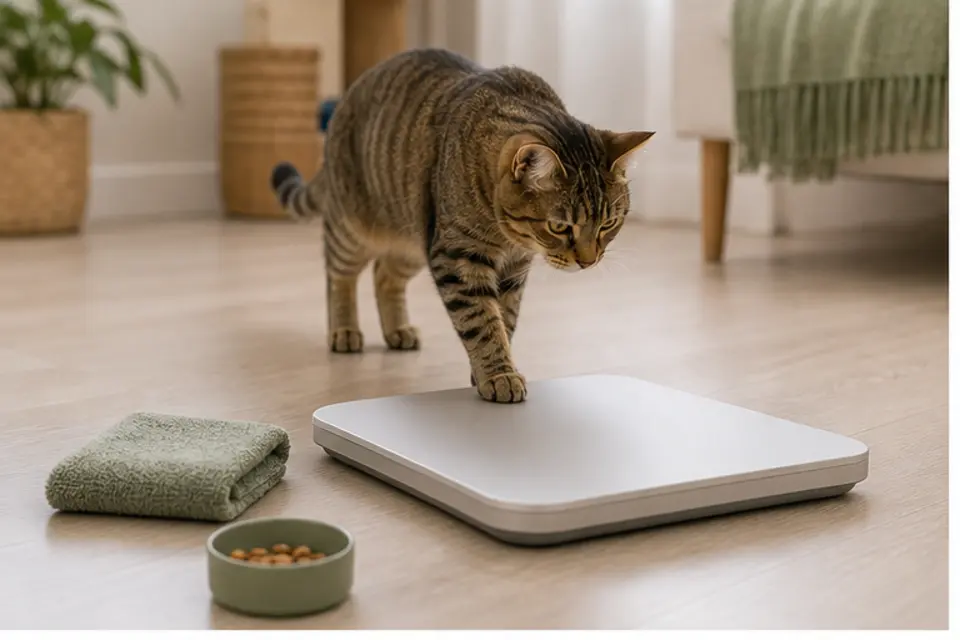
The daily-life goal
Vet Scale Practice is not about making a cat perform on command. It is a small training routine: your cat notices a cue, tries one simple behavior, and earns a reward they actually want.
Updated
Cat training
Help your cat step onto a small platform so weight checks feel less weird.
Keep the session short, kind, and specific. A good cat lesson feels like a choice your cat understands, not a command they have to endure.
Vet Scale Practice is not about making a cat perform on command. It is a small training routine: your cat notices a cue, tries one simple behavior, and earns a reward they actually want.
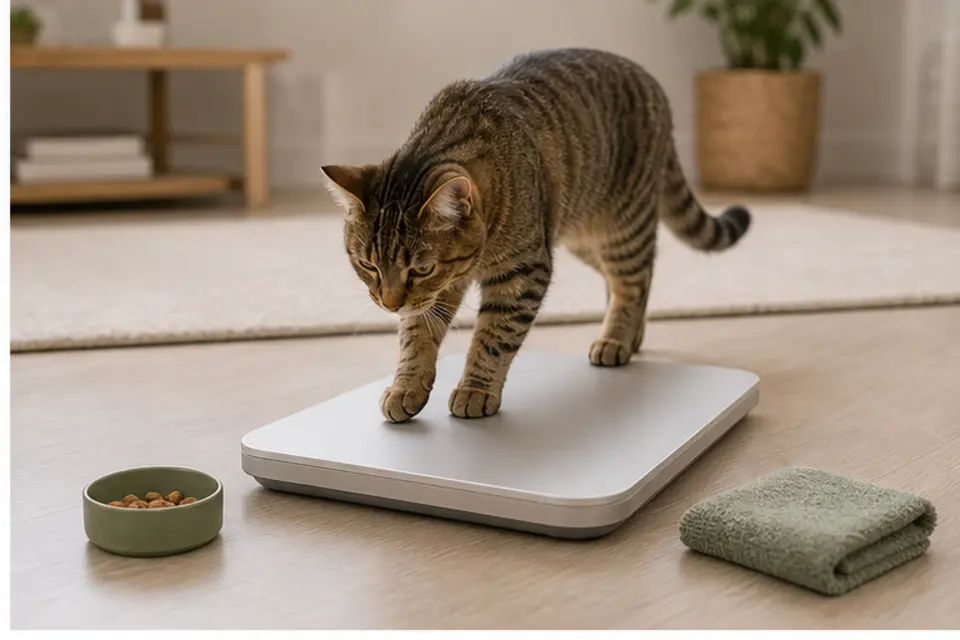
Pick the smallest useful version of vet scale practice: one look at the mat, one nose touch, one calm step toward you, or one second of staying relaxed. Mark that exact moment, reward it, and quit while your cat still wants another turn.
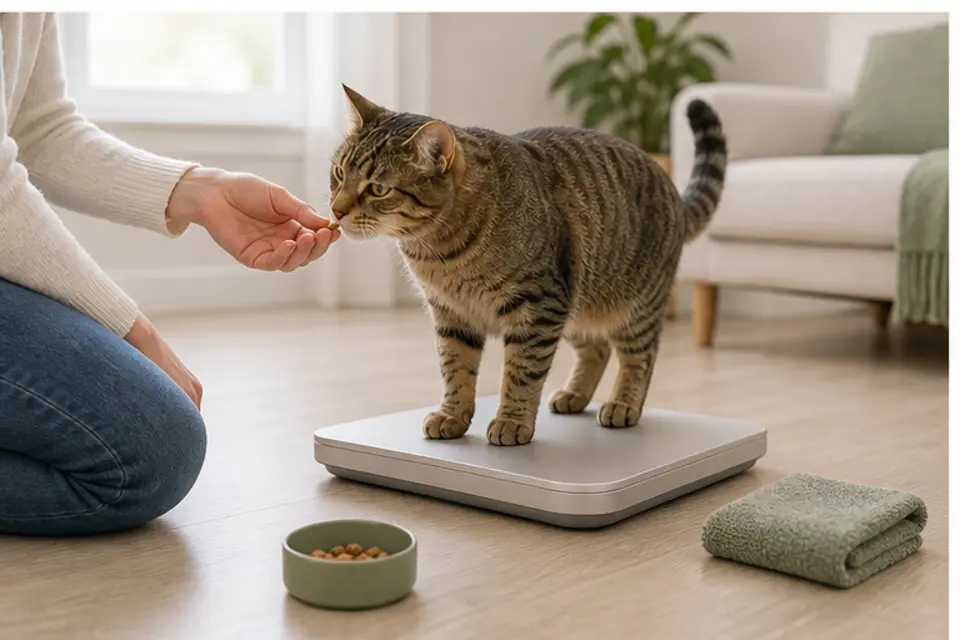
A useful practice session can be one or two minutes in a quiet room. Keep treats tiny, keep your hands quiet, and make the route easy if your cat hesitates or needs space.
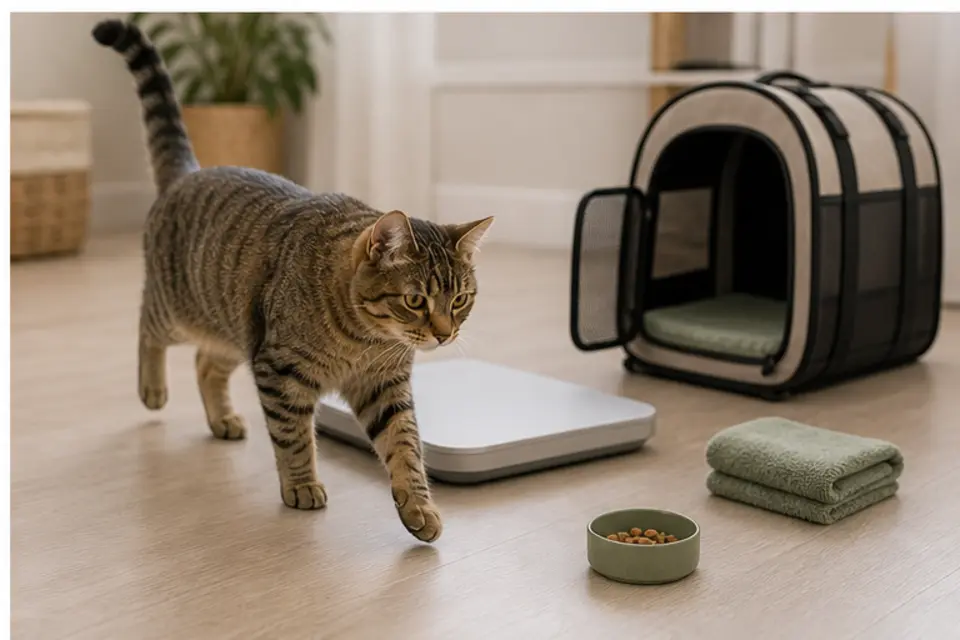
Once the skill feels familiar, use vet scale practice in the home routine: before meals, near the carrier, beside a mat, during gentle handling, or in the room where distractions actually happen.
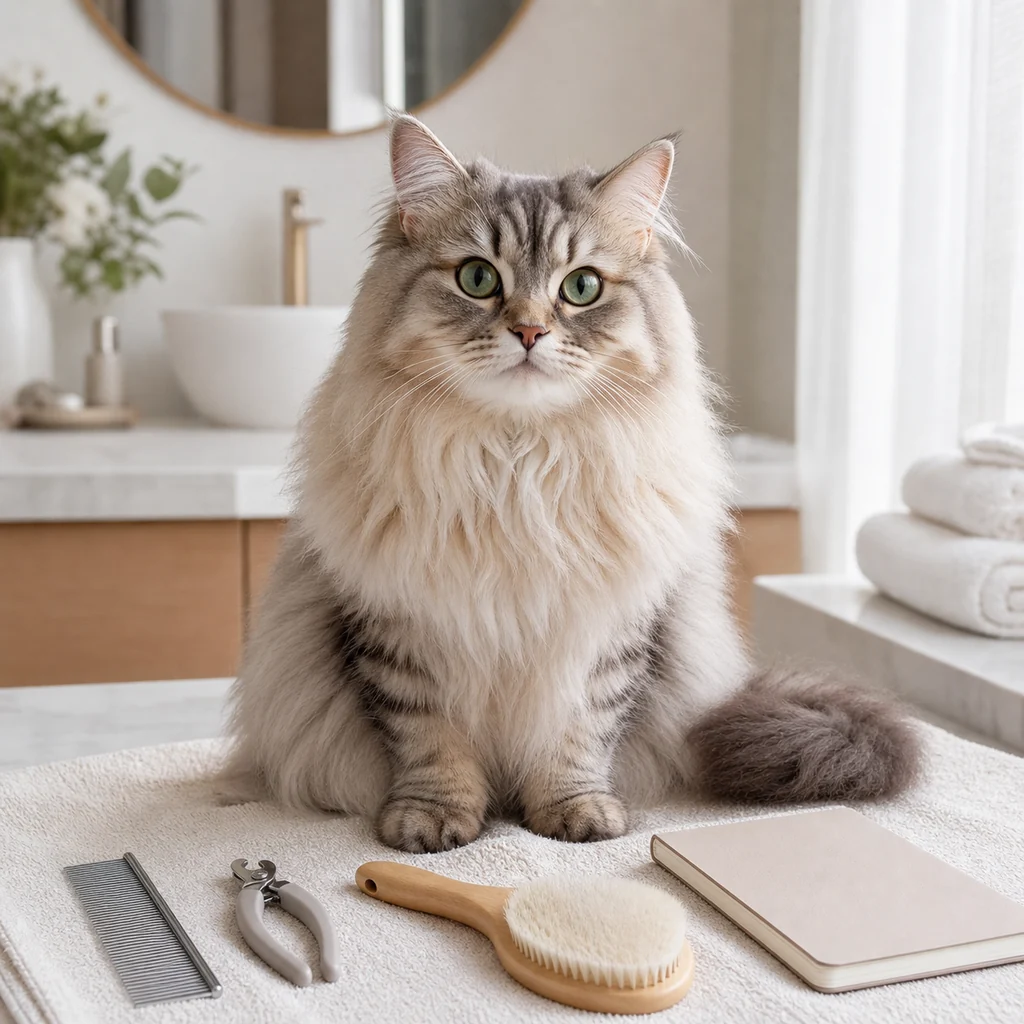
If your cat freezes, swats, hides, growls, bites, or avoids the area later, make the step easier. For fear, pain, aggression, or sudden behavior changes, talk with your veterinarian or a qualified behavior professional instead of pushing through.
For vet scale practice, pick tools that make gentle checks shorter, calmer, and easier to repeat.
Affiliate links: Furball Cove may earn from qualifying purchases at no extra cost to you.
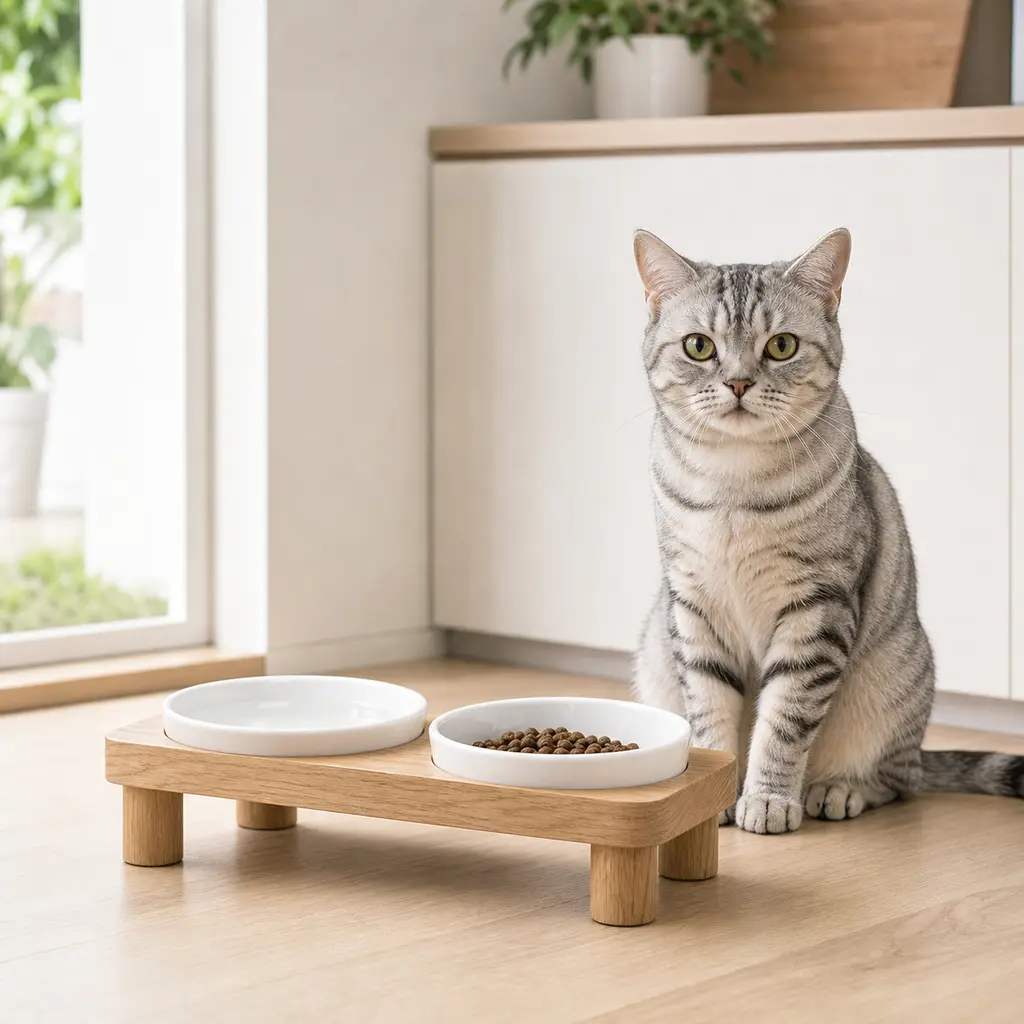
This earns its spot in vet scale practice because it can give the food station a tidy, repeatable place in the kitchen.
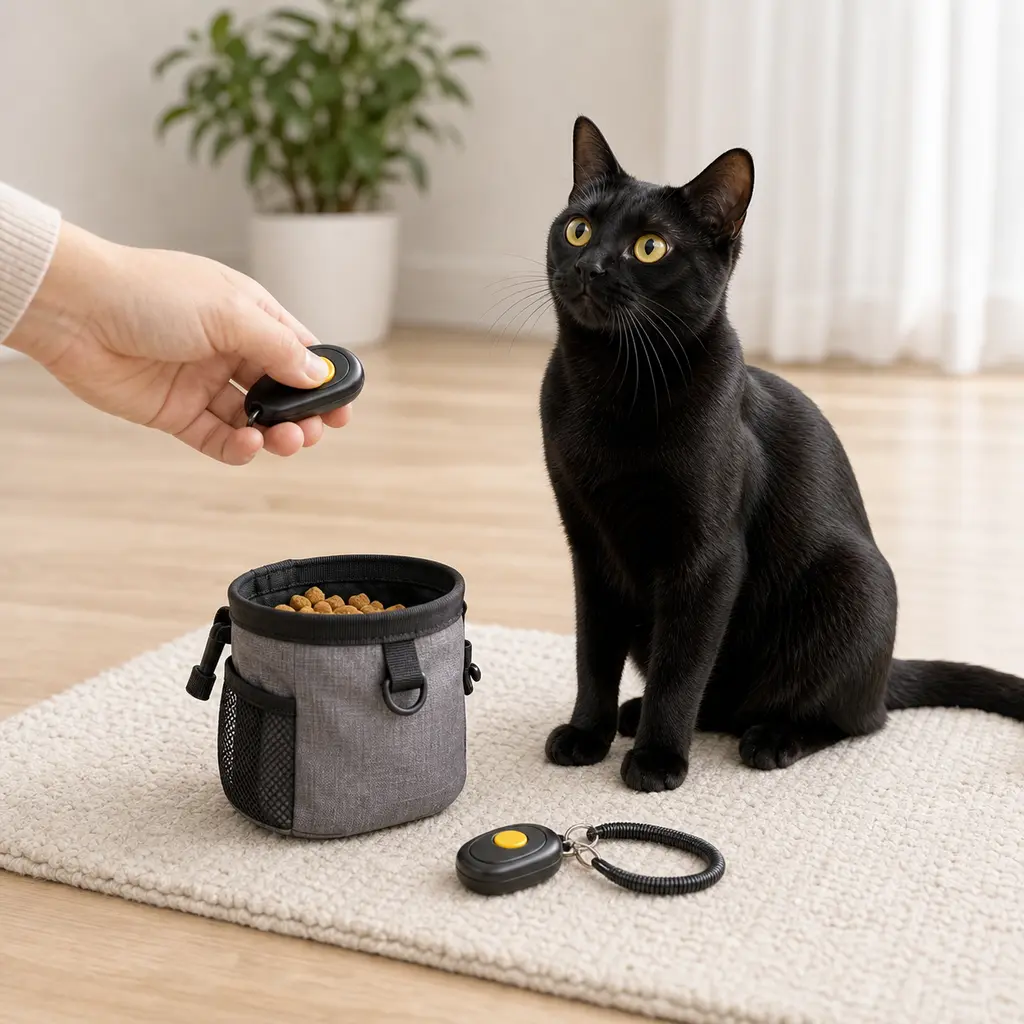
For vet scale practice, choose this when you want to make practice clearer when your cat offers the right choice.
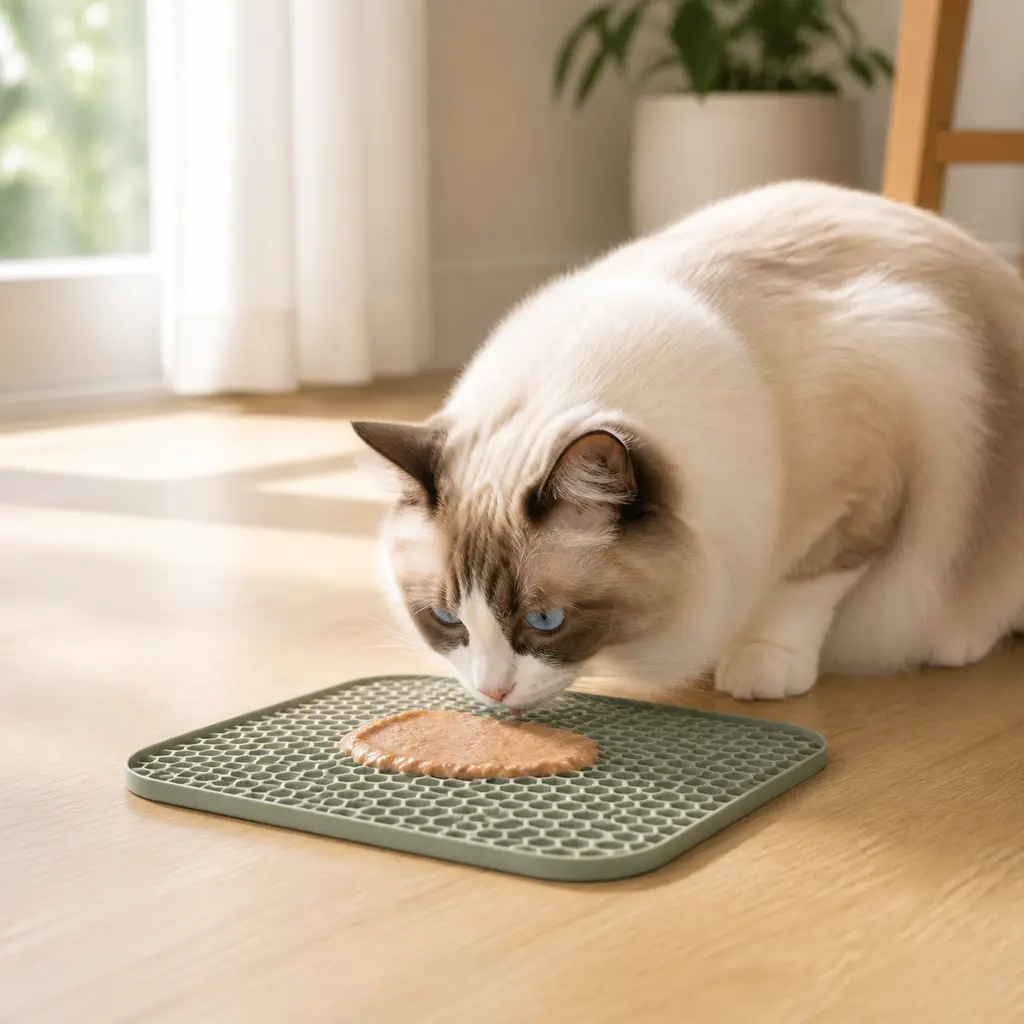
This earns its spot in vet scale practice because it can turn a tiny soft treat into a calm pause instead of a big snack.
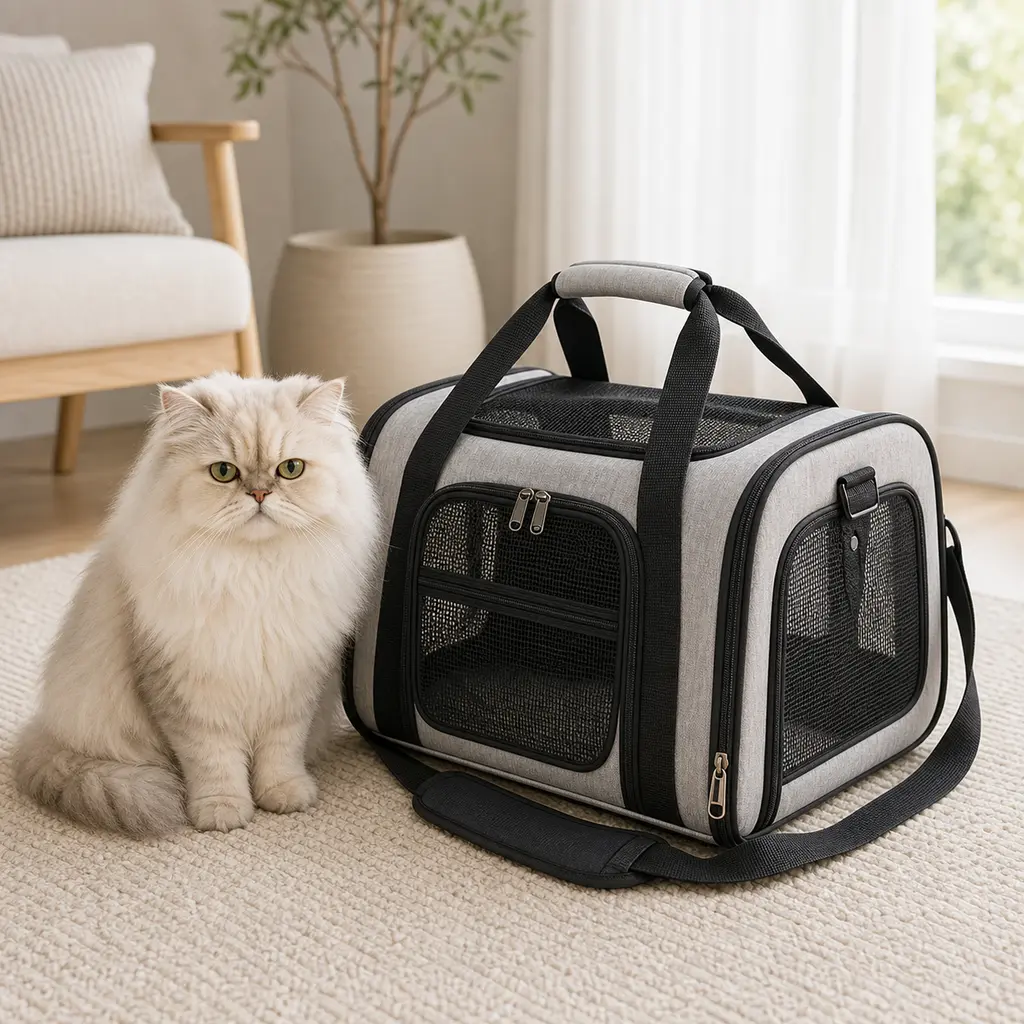
This earns its spot in vet scale practice because it can give calm cats a softer ride when the trip is brief and controlled.
Short. One to three minutes is enough for many cats, especially when the skill or game is new.
Let the cat leave. Try later with a better reward, a quieter room, or an easier first step.
No. Make the setup easier, reward smaller tries, and avoid turning the moment into pressure, scolding, or a battle.