Yowling after the litter box can be habit, relief, stress, or a pain signal. If it is new, loud, repeated, or paired with straining, blood, diarrhea, constipation, tiny clumps, or repeated trips, call your vet.
Use the whole scene: body language, timing, touch, play energy, and whether your cat can walk away.
Short answer
Yowling after the litter box can be habit, relief, stress, or a pain signal. If it is new, loud, repeated, or paired with straining, blood, diarrhea, constipation, tiny clumps, or repeated trips, call your vet.
Start by making the scene calmer and safer, then look for the trigger. A cat who feels trapped, sore, or overstimulated will not learn from pressure.
What to notice at home
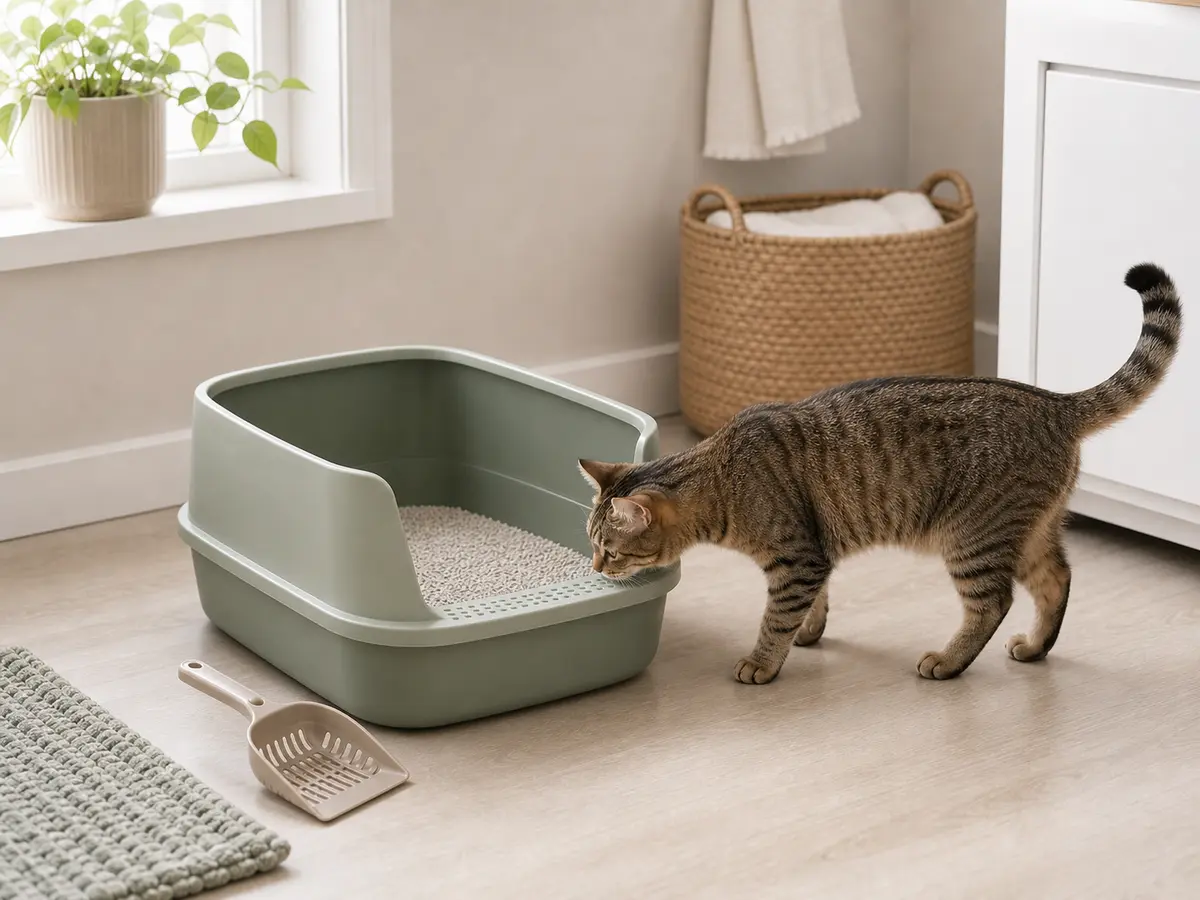
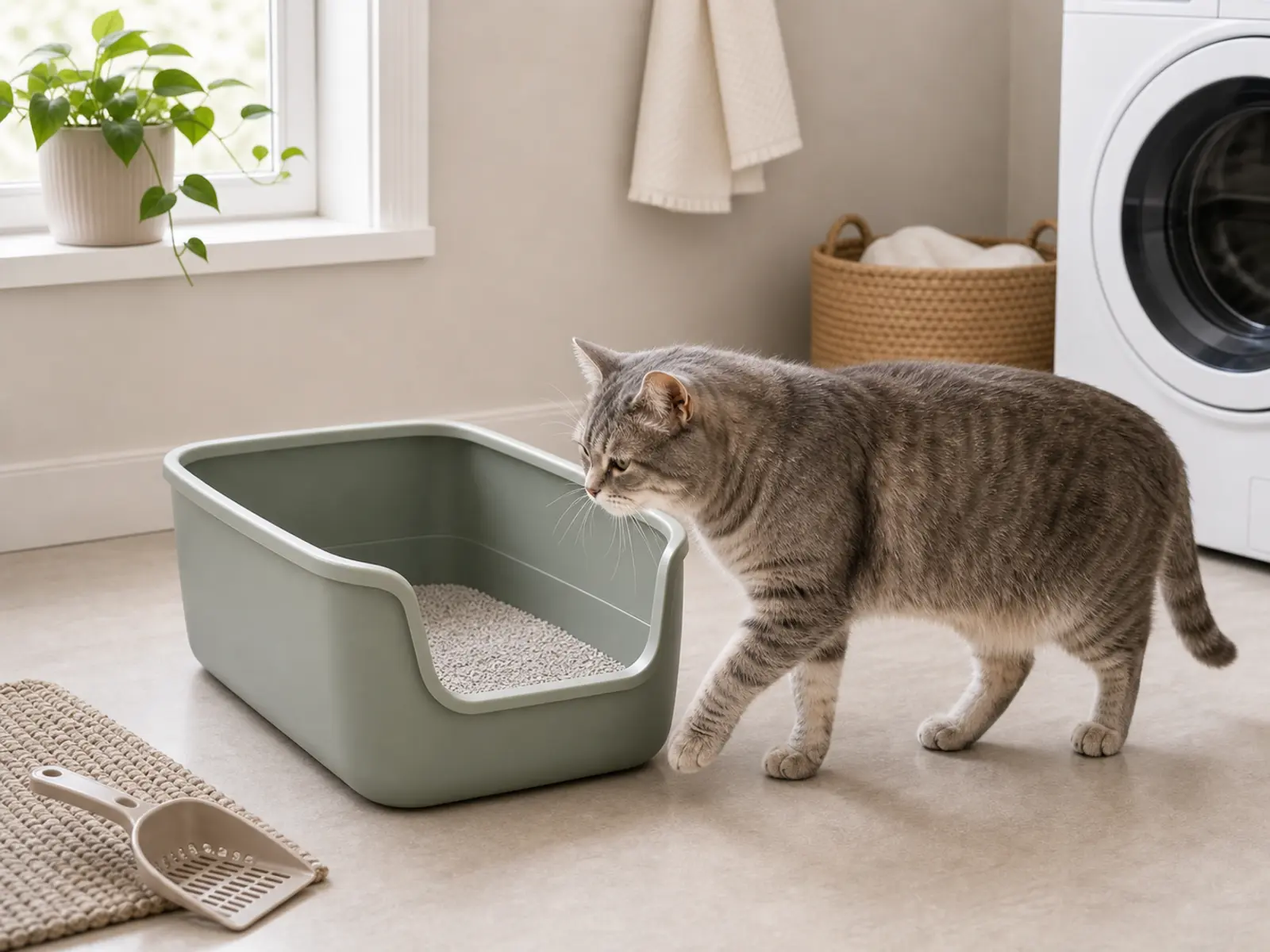
Check the box before you decide it is just drama. Clump size, stool texture, blood, repeated visits, licking, posture, and whether your cat seems settled afterward change the meaning of the yowl.
Treat the visible behavior as a clue rather than the whole answer. Track what happened right before it, how much choice your cat had, and how quickly the room returned to normal.
What to try first
Keep the box clean and easy to reach, write down what happened in the box, and do not scold the noise. If urine or stool looks abnormal, treat the sound as useful information for your veterinarian.
Add distance, choice, and a safer outlet before adding more handling. Shorter sessions, clearer escape routes, and predictable routines often tell you more than one dramatic correction.
When to get help
Call your veterinarian promptly for straining, blood, little or no urine, repeated box trips, constipation, diarrhea, vomiting, pain, or a cat who seems distressed after using the box.
Get help quickly for bites, escalating fights, redirected aggression, fear that traps one cat, or sudden behavior that does not fit the cat's normal routine.
Before you decide
Is this new, sudden, or getting worse?
Did food, litter, scent, guests, noise, another pet, or the room setup change recently?
Can your cat leave the interaction, reach resources, and settle after the moment passes?
Would pain, toxin exposure, breathing trouble, or a urinary problem make this urgent?
Next best moves
Add choice, distance, and a safer outlet before you add more handling.
Write down timing, triggers, appetite, litter use, and what helped.
Call your veterinarian quickly for health, toxin, pain, breathing, urine, or severe behavior concerns.
Helpful supplies
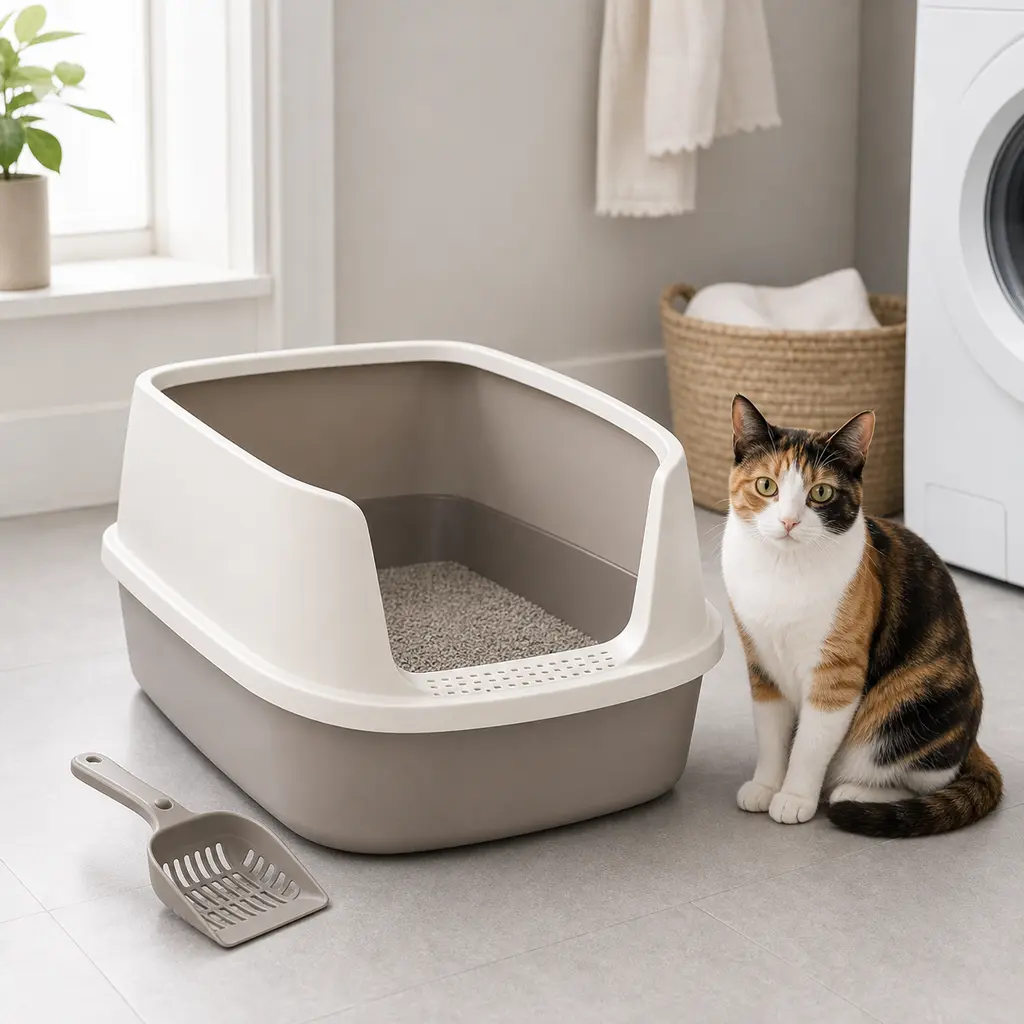
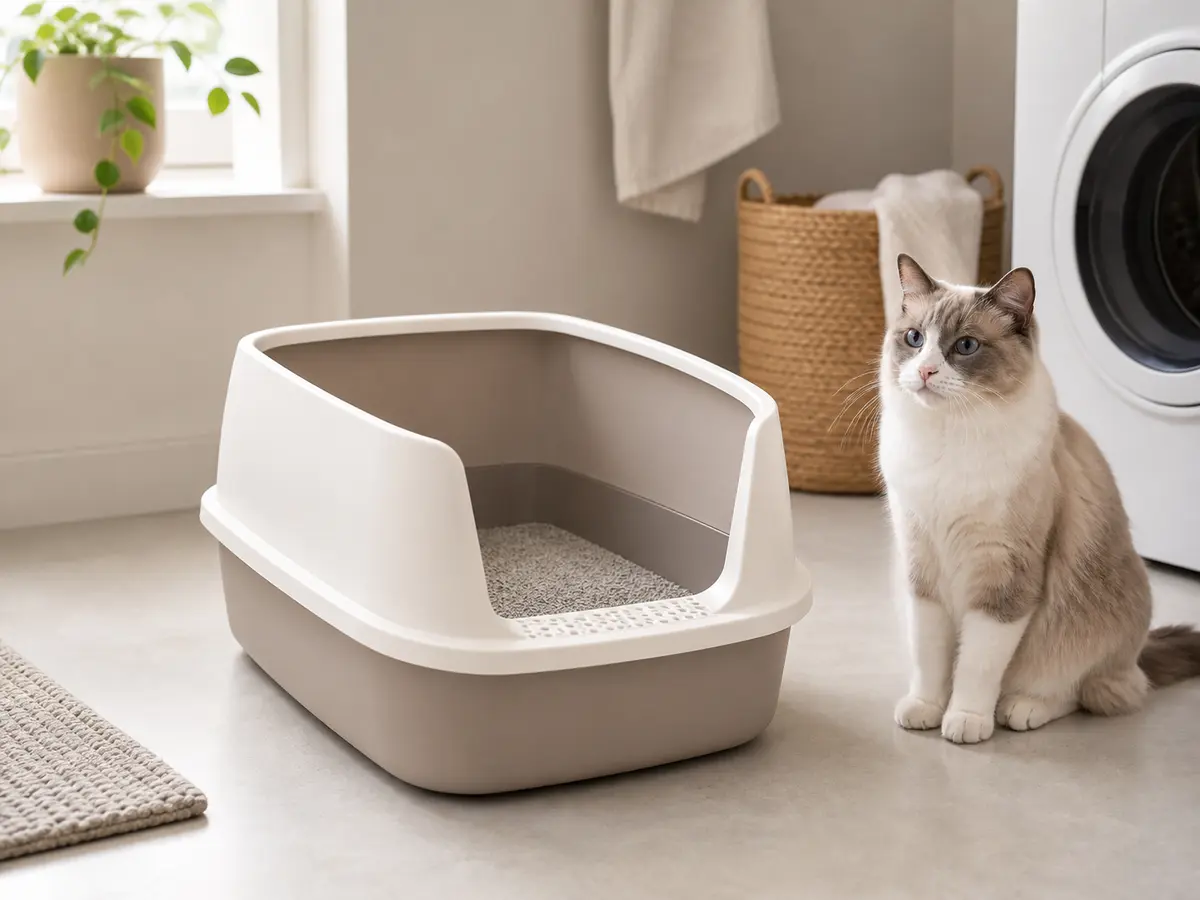
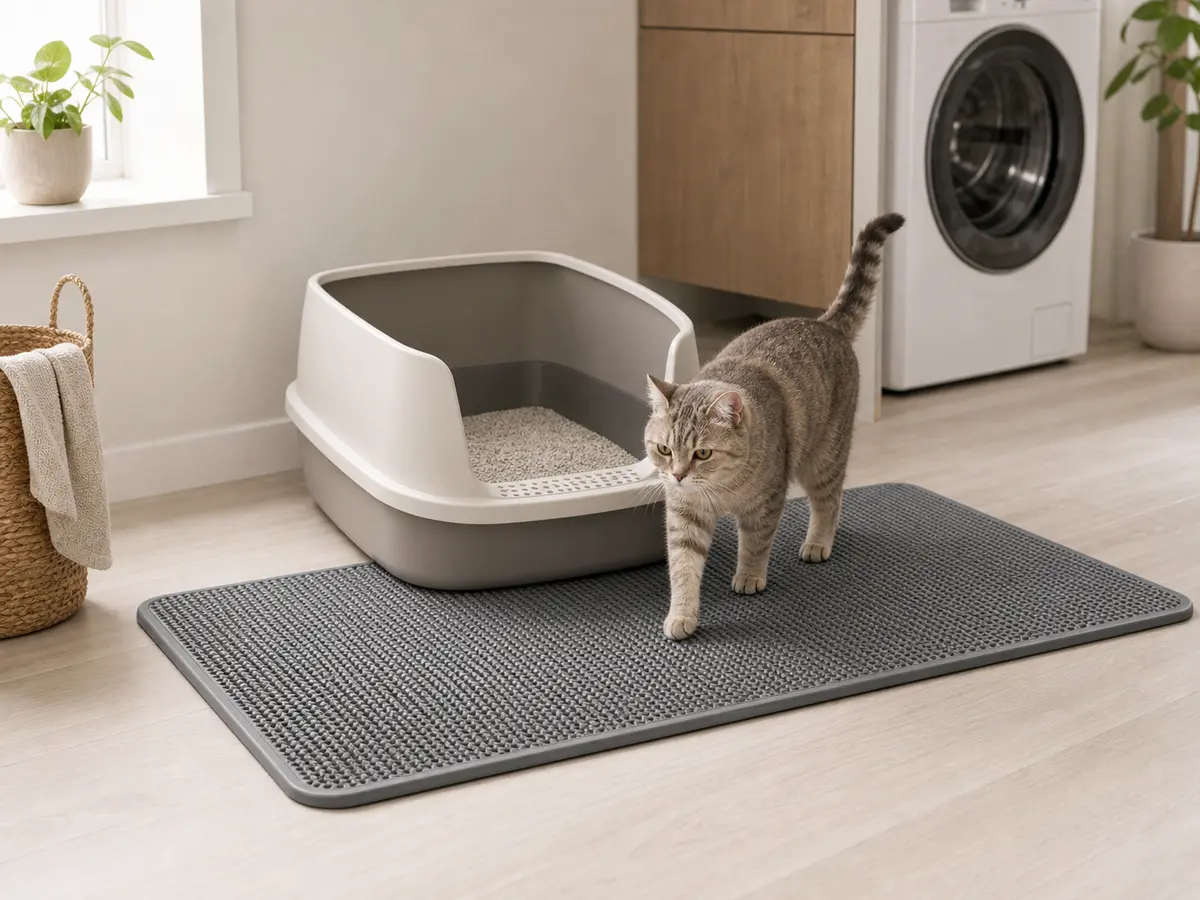
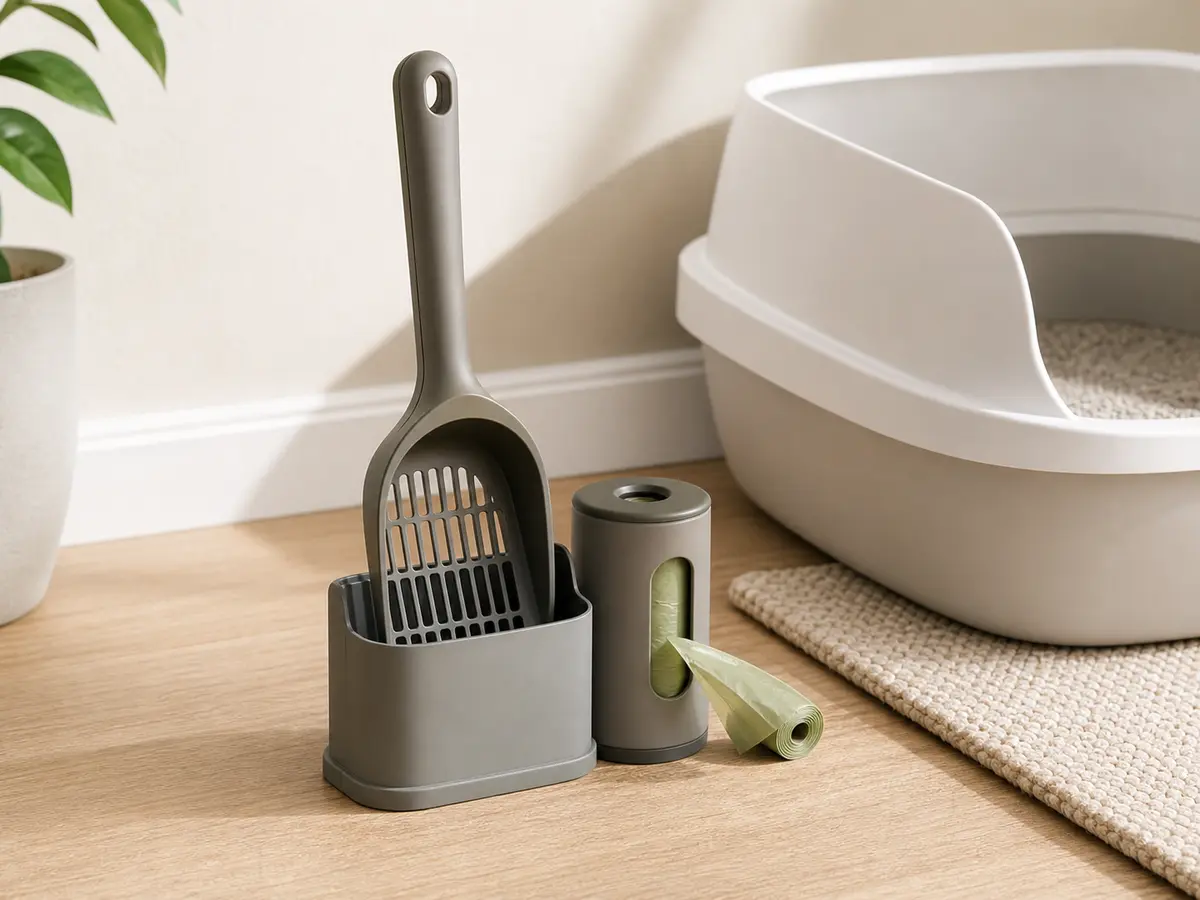
Use litter tools to make the easiest bathroom choice obvious: reachable box, enough room, manageable scatter, and daily scooping.
Affiliate links: Furball Cove may earn from qualifying purchases at no extra cost to you.
Yowling after the litter box can be habit, relief, stress, or a pain signal. If it is new, loud, repeated, or paired with straining, blood, diarrhea, constipation, tiny clumps, or repeated trips, call your vet.
When should I get help?
Call your veterinarian promptly for straining, blood, little or no urine, repeated box trips, constipation, diarrhea, vomiting, pain, or a cat who seems distressed after using the box.