Check your rabbit's ears during a calm, low handling moment by looking for unusual redness, odor, debris, swelling, crusting, head shaking, scratching, or pain. Do not dig into the ear canal; if the ear looks sore, dirty deep inside, tilted, or painful, ask a rabbit-savvy vet.
Keep checking your rabbit's ears short, steady, and easy to repeat. Set up the surface, tool, light, and exit plan before you start so care feels like a calm routine instead of a chase.
For checking your rabbit's ears: look at the outer ear first
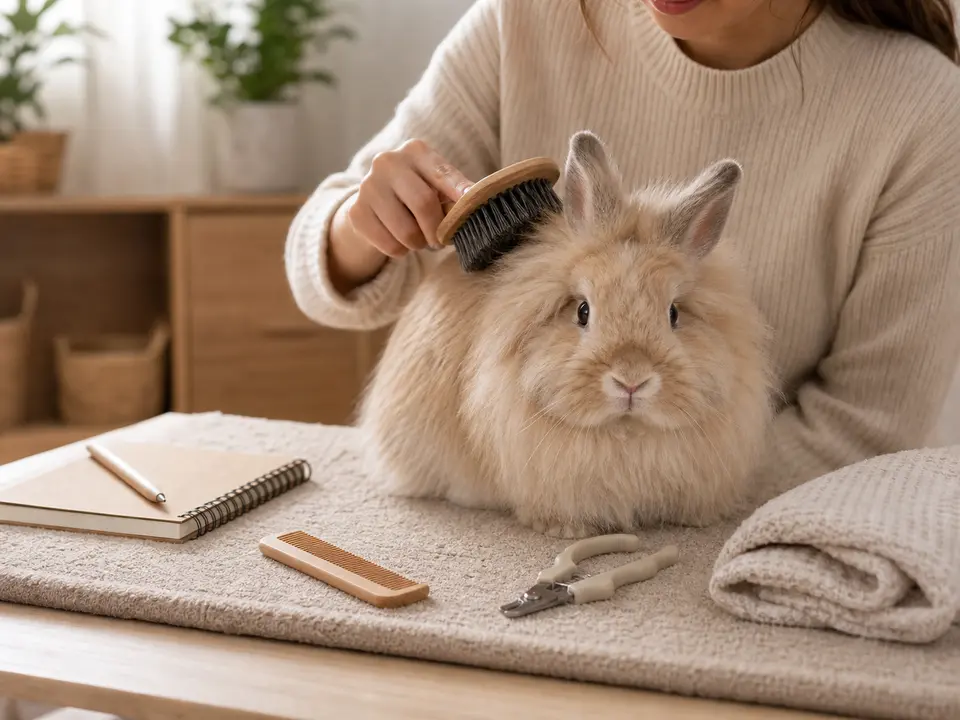
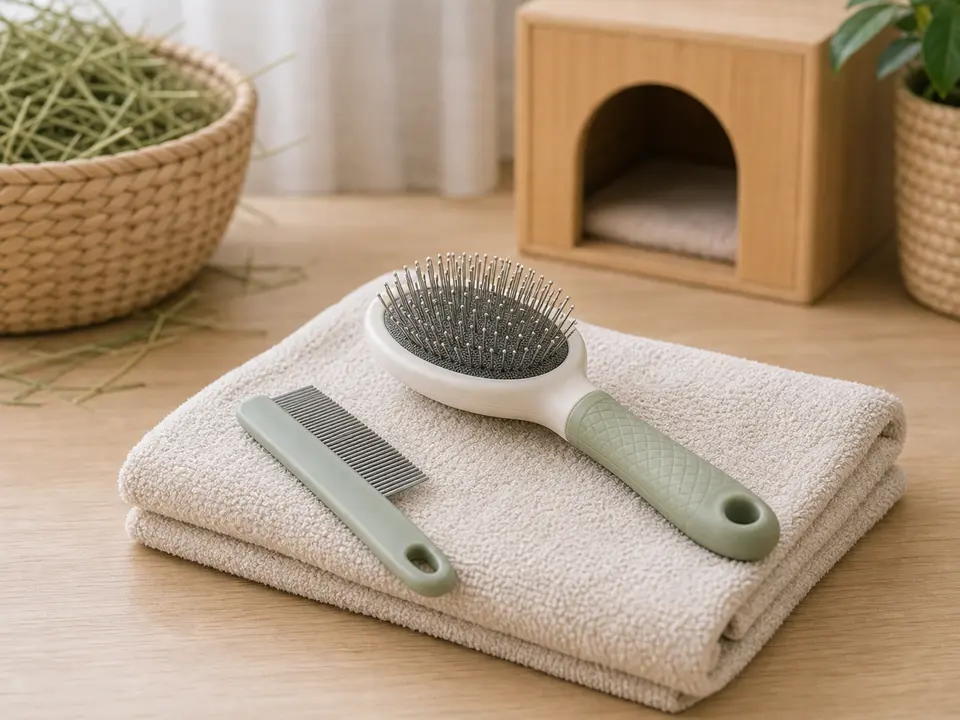
Check your rabbit's ears during a calm, low handling moment by looking for unusual redness, odor, debris, swelling, crusting, head shaking, scratching, or pain. Do not dig into the ear canal; if the ear looks sore, dirty deep inside, tilted, or painful, ask a rabbit-savvy vet. Use a calm moment and good light. Check the ear flap and visible outer ear for redness, crust, odor, swelling, scratching marks, head shaking, or sensitivity. Treat checking your rabbit's ears as both grooming and health observation: coat, fur, skin, nails, teeth, movement, and comfort can all give you useful clues.
For checking your rabbit's ears: do not dig into the canal
Rabbit ears are not a place for deep cotton swabs or guessing. If debris is deep, the ear smells bad, or your rabbit reacts like it hurts, stop the home check and ask a rabbit-savvy vet. Use a rabbit-savvy vet when pain, appetite, poop, skin, teeth, or movement changes join the grooming problem; those clues matter more than a perfect-looking coat.
For checking your rabbit's ears: pair ears with the whole rabbit
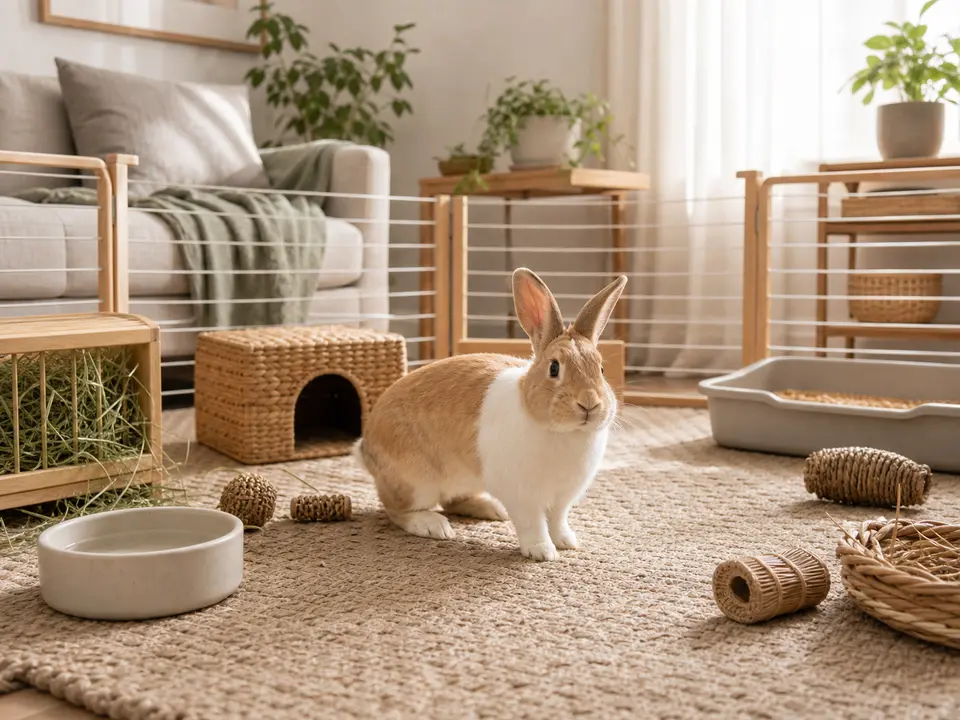
Ear changes matter more when they come with head tilt, balance changes, less eating, hiding, pain, or unusual quietness. Write down what you saw and when it started. Put the plan back into the daily routine: hay, water, litter, rest spots, and normal movement should still look steady after grooming.
For checking your rabbit's ears: keep handling short
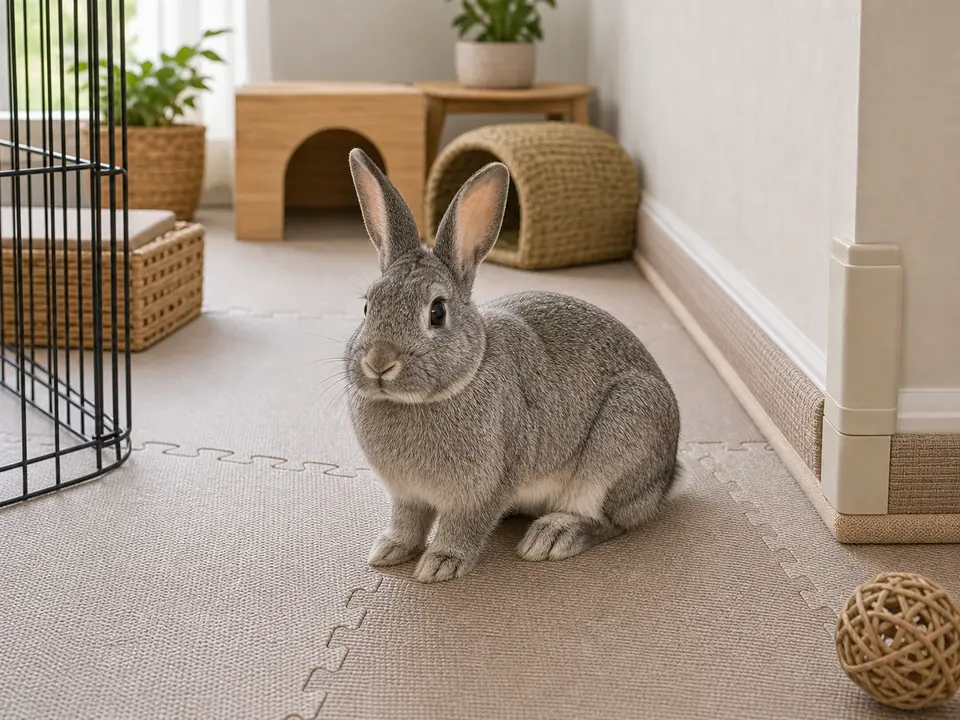
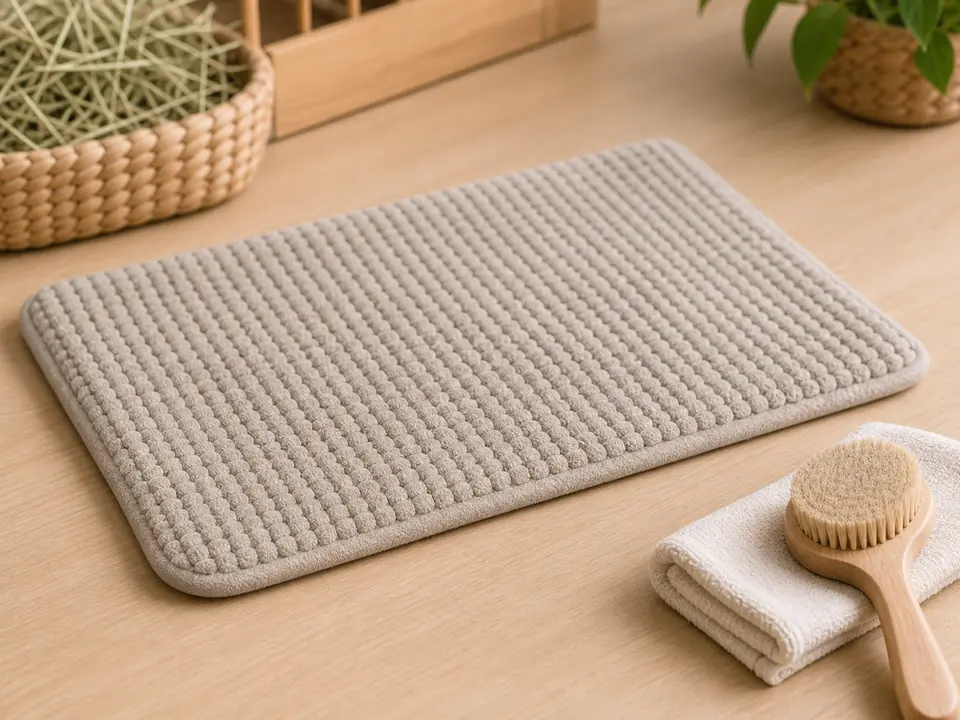
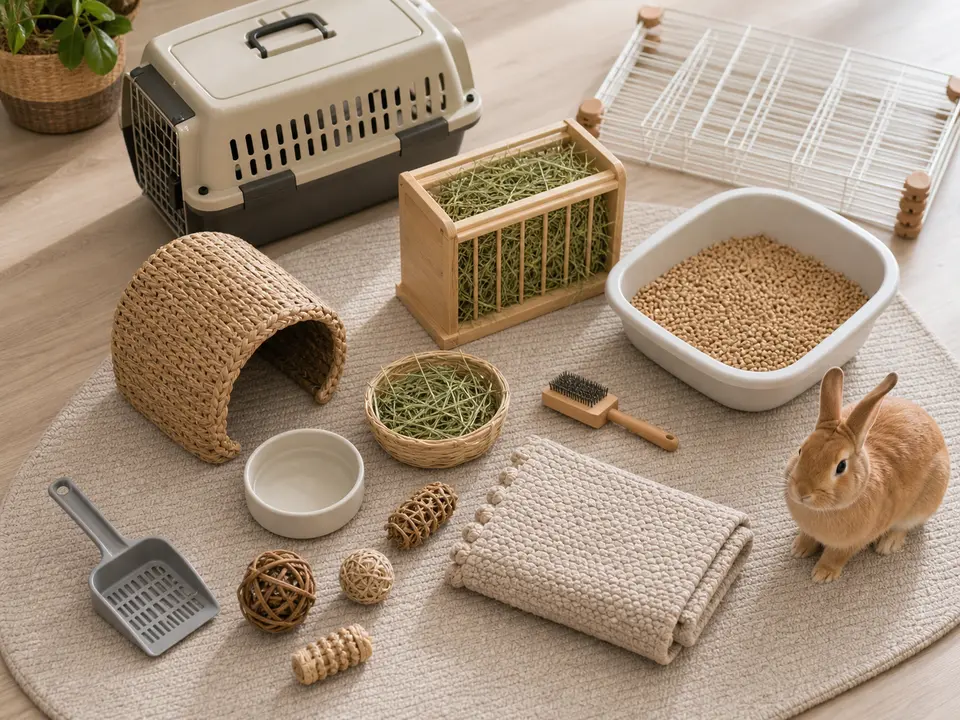
A useful ear check can be quick. Support your rabbit on a steady surface, lift the ear only as much as needed, and let the session end before the rabbit starts fighting the next check. Use real floor traction, not a slippery counter or table; a washable mat or rug gives your rabbit steadier paws and a calmer escape plan.
For checking your rabbit's ears: use vet help for sore or dirty ears
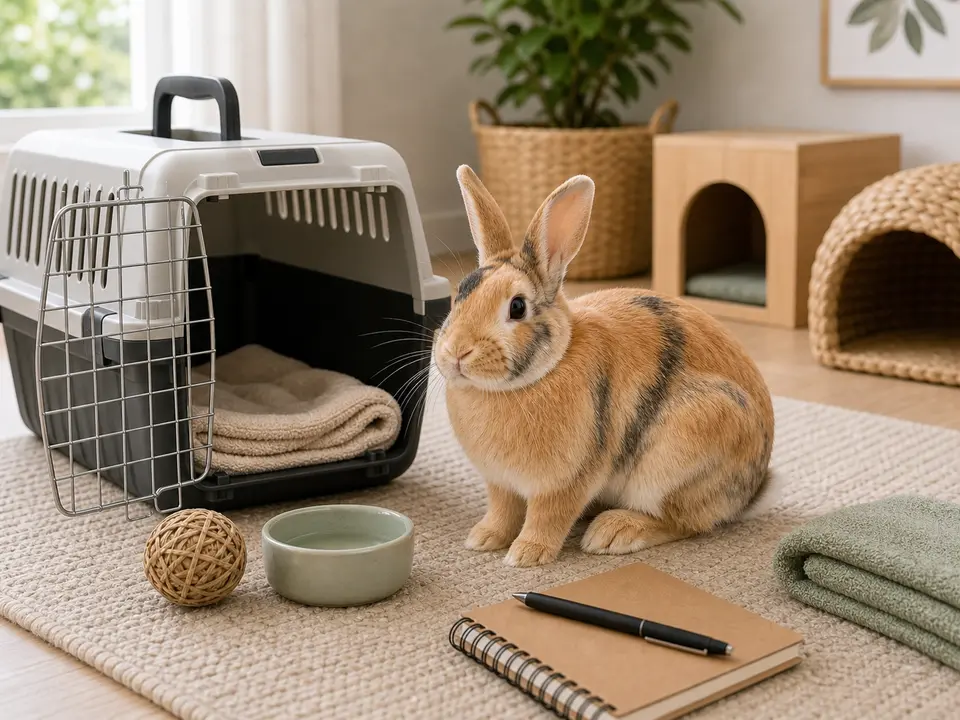
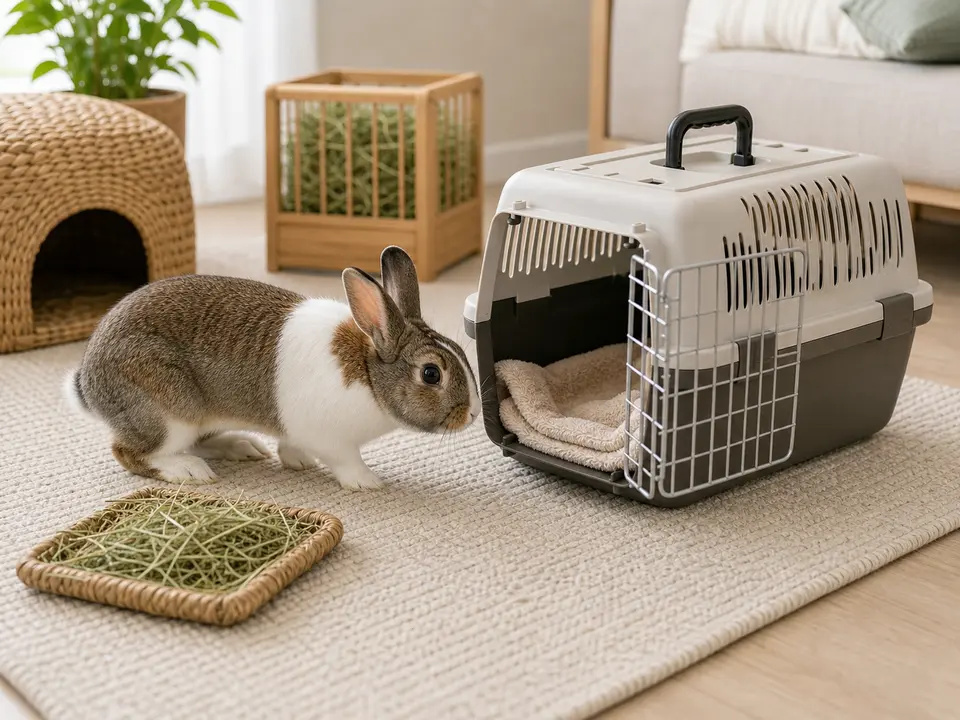
If the ear looks painful, dirty deep inside, swollen, tilted, or keeps bothering your rabbit, call a rabbit-savvy vet. Cleaning the wrong way can make a sensitive ear worse. Keep the carrier familiar enough that a vet appointment does not begin with a chase; a towel, hay, and calm practice make care easier.
Before you decide
What changed recently?
Can your rabbit choose a quiet retreat?
Are hay, water, litter, and footing easy?
Is this normal for your individual rabbit?
Next best moves
Make one small change.
Watch what your rabbit chooses next.
Keep the setup calm enough to repeat tomorrow.
Grooming tools that stay useful
These are practical pieces for the routine, not clutter to buy all at once.
Affiliate links: Furball Cove may earn from qualifying purchases at no extra cost to you.
Check your rabbit's ears during a calm, low handling moment by looking for unusual redness, odor, debris, swelling, crusting, head shaking, scratching, or pain. Do not dig into the ear canal; if the ear looks sore, dirty deep inside, tilted, or painful, ask a rabbit-savvy vet.
What should I change first?
Choose one small setup change that makes the daily routine easier: closer hay, better traction, a calmer hideout, a larger box, or a shorter handling session.
When should I get extra help?
If your rabbit stops eating or pooping, seems painful, breathes strangely, or changes suddenly, call a rabbit-savvy vet. For bonding or handling problems, an experienced rabbit rescue can also help.