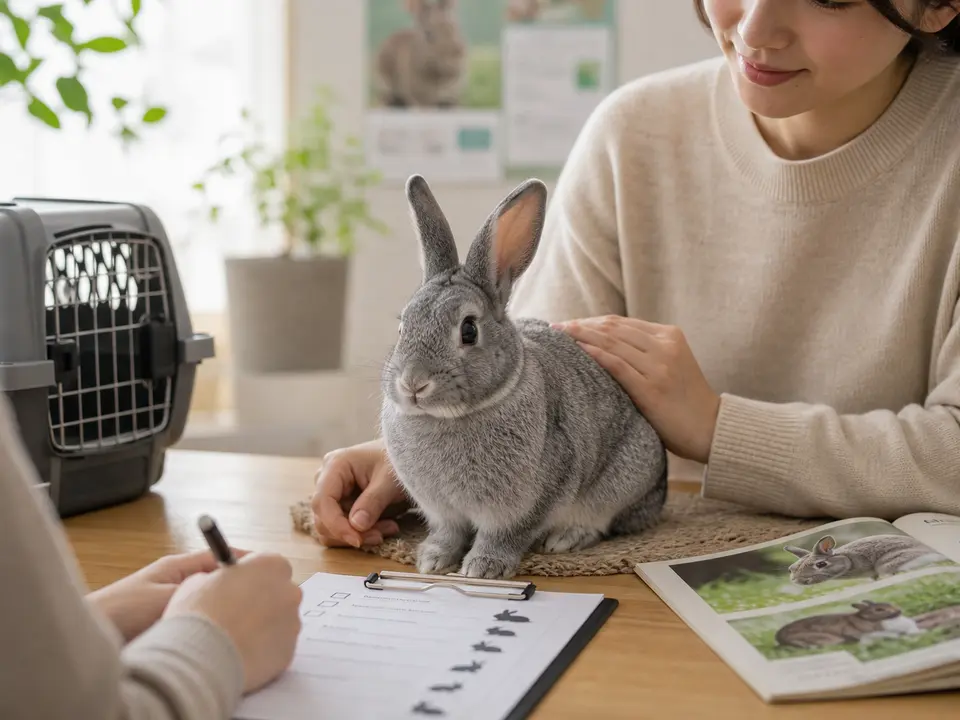
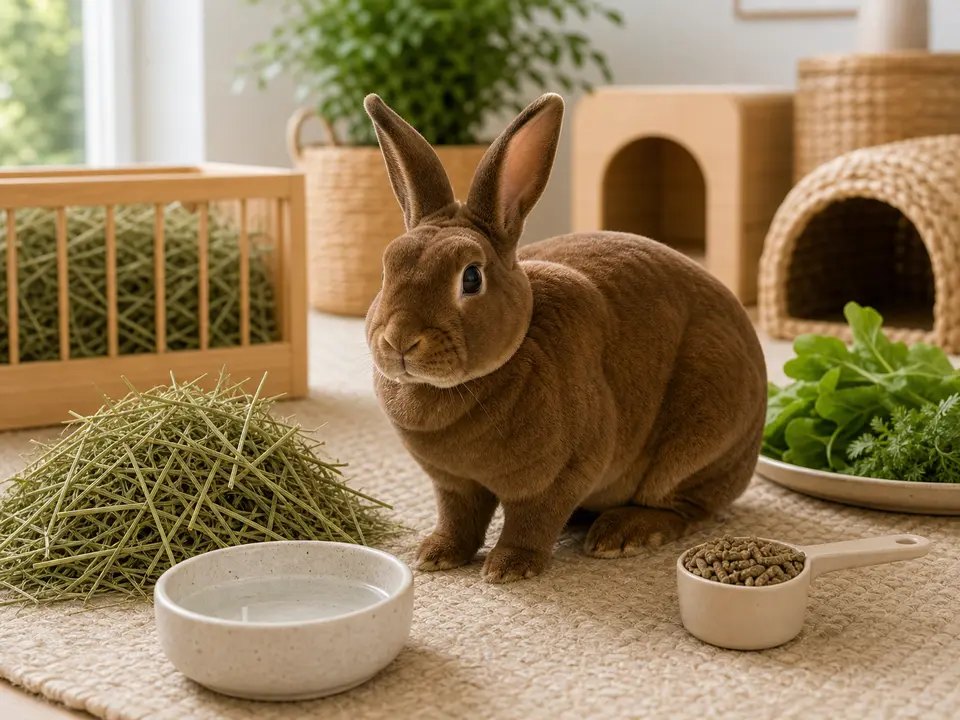
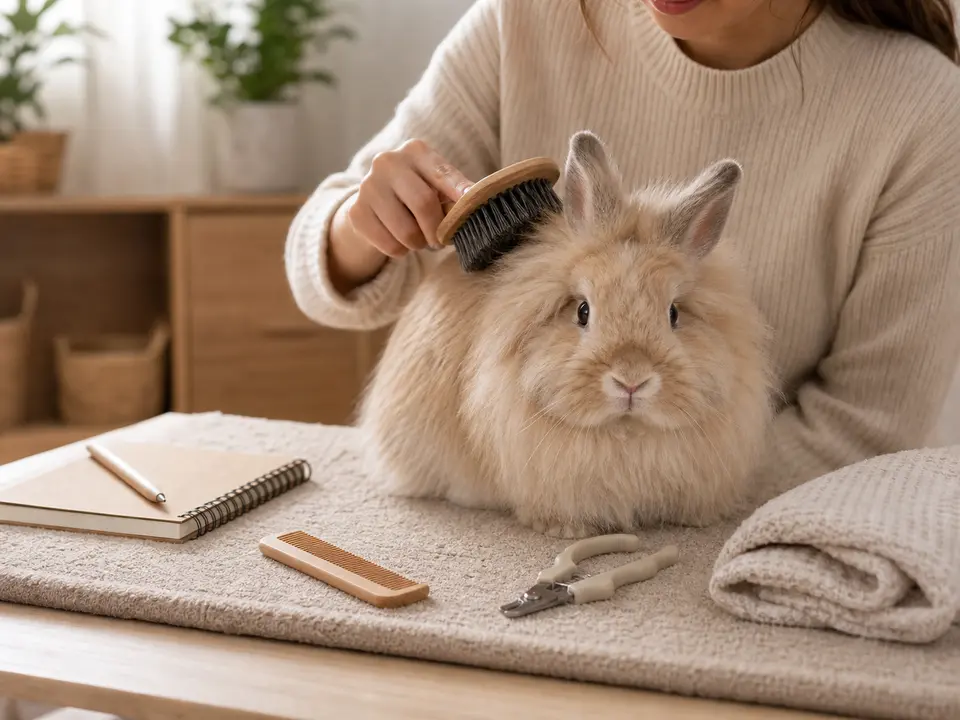
Choose a rescue rabbit by matching the individual rabbit to your real home, not by color or cuteness first. Ask about litter habits, hay eating, chewing, handling comfort, noise sensitivity, grooming needs, vet history, and how the rabbit behaves in a normal room.
A rescue can tell you more than a photo ever will. Listen for the rabbit's daily habits, confidence, litter routine, chewing style, handling comfort, and what kind of room helps them settle.
Ask about the ordinary day
A good rescue conversation starts with habits, not sales language. Ask where the rabbit likes to rest, how much hay they eat, whether the litter box is reliable, what they chew, and how they react when someone cleans or reaches into the space.
Those details tell you what the first week at home may actually feel like. They also help you shop less randomly because you know whether the rabbit needs stronger flooring, a wider litter box, a quieter room, or extra grooming support before adoption day.
Match the rabbit to your room
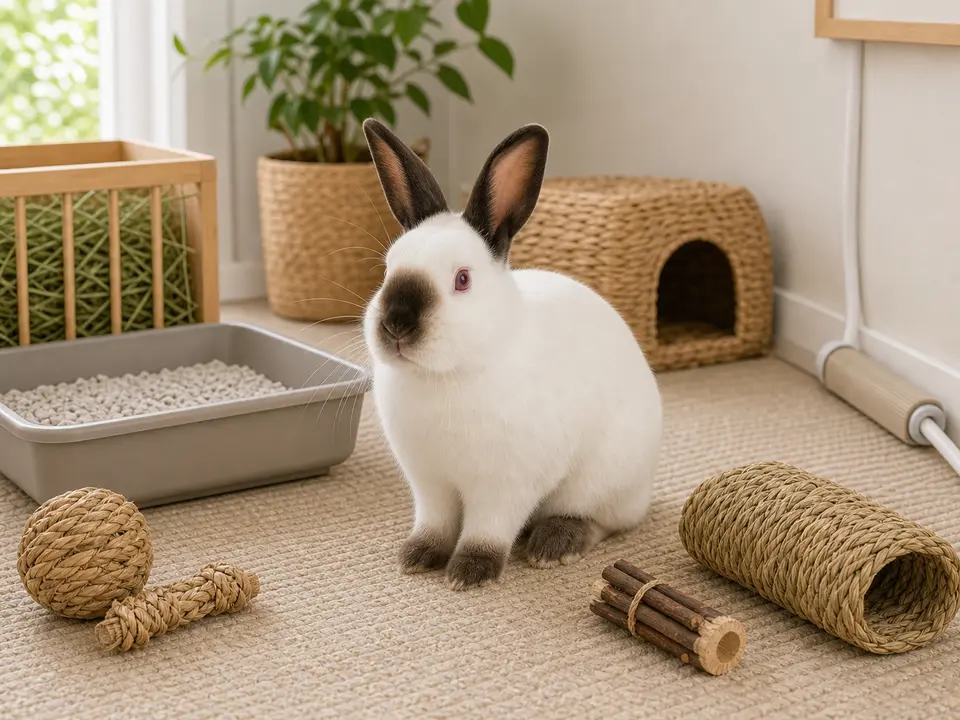
A shy rabbit may need a quiet room and patient floor time. A bold chewer may need stronger cord protection and better barriers. A woolly rabbit may need more grooming help. Choose the rabbit whose daily needs fit the home you can maintain.
The best match is not always the rabbit who comes to the front first. A rabbit who hangs back but eats well, uses the box, and relaxes in a calm room may be a better fit than the most dramatic rabbit in a busy meet-and-greet.
Listen to foster notes
Foster homes often know the useful little things: favorite hay style, whether the rabbit tips bowls, how they handle nail trims, and which noises make them disappear. Treat that information like a head start.
If a note sounds inconvenient, believe it before adoption day, not after. A foster note about carpet chewing, nail-trim stress, or needing a quiet room is not a flaw; it is the map that helps you build the right first setup.
Meet calmly
Sit low, move slowly, and watch what the rabbit chooses. Curiosity, caution, hiding, sniffing, and walking away can all be normal. You are looking for a temperament and care routine you can respect, not a performance in a busy room.
Ask whether the behavior you see is typical or just the stress of meeting a stranger. If the rabbit refuses treats, freezes, or hides the whole time, ask what they look like in foster care before deciding they are unfriendly.
Plan the first week before you say yes
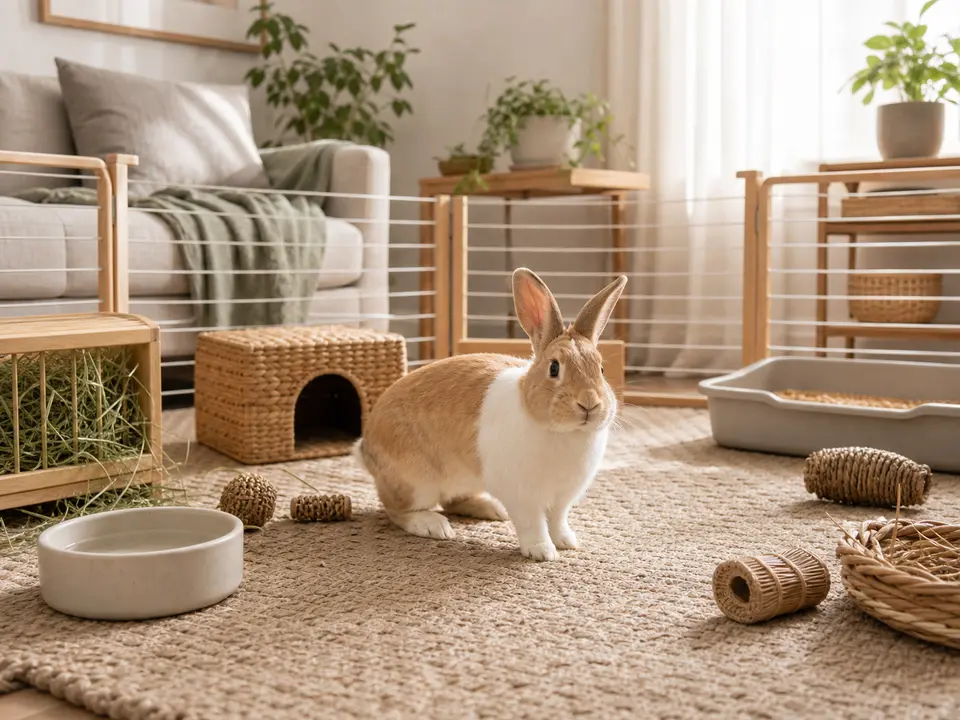
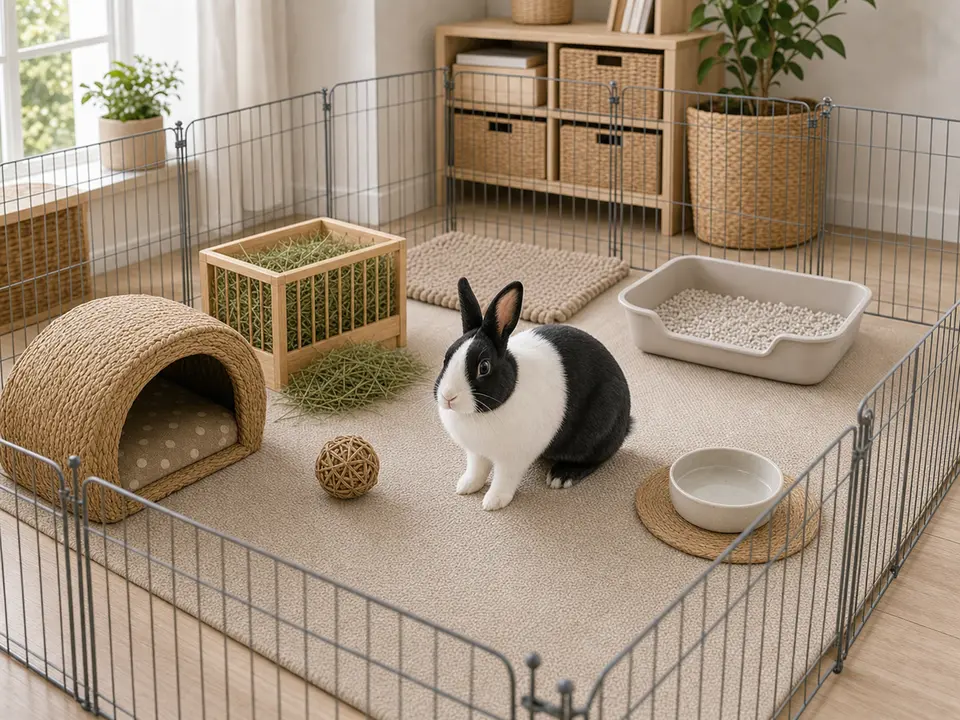
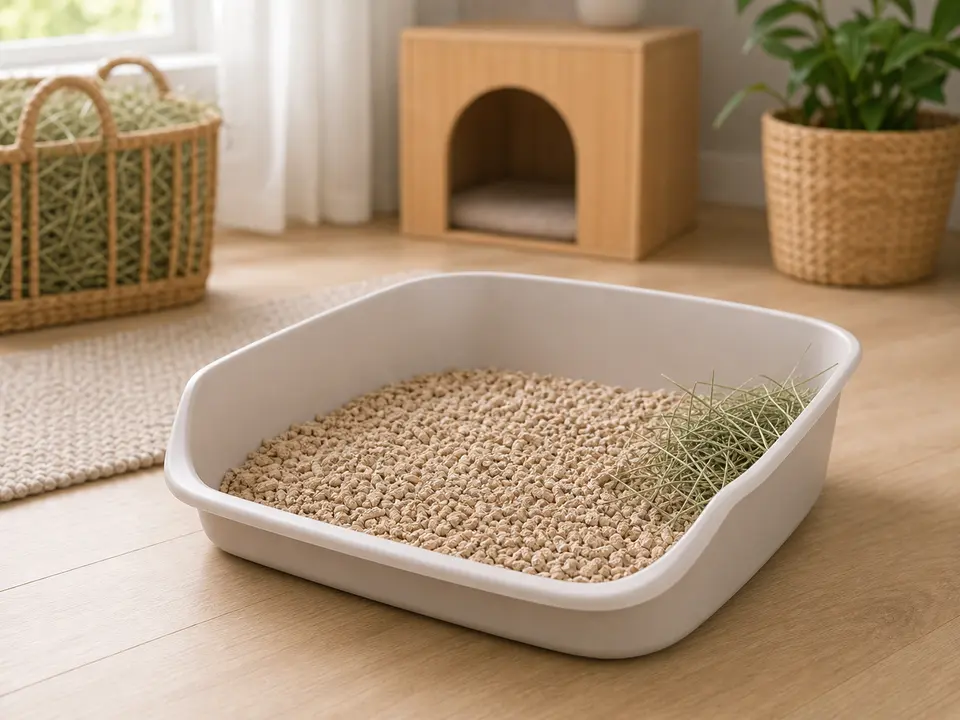
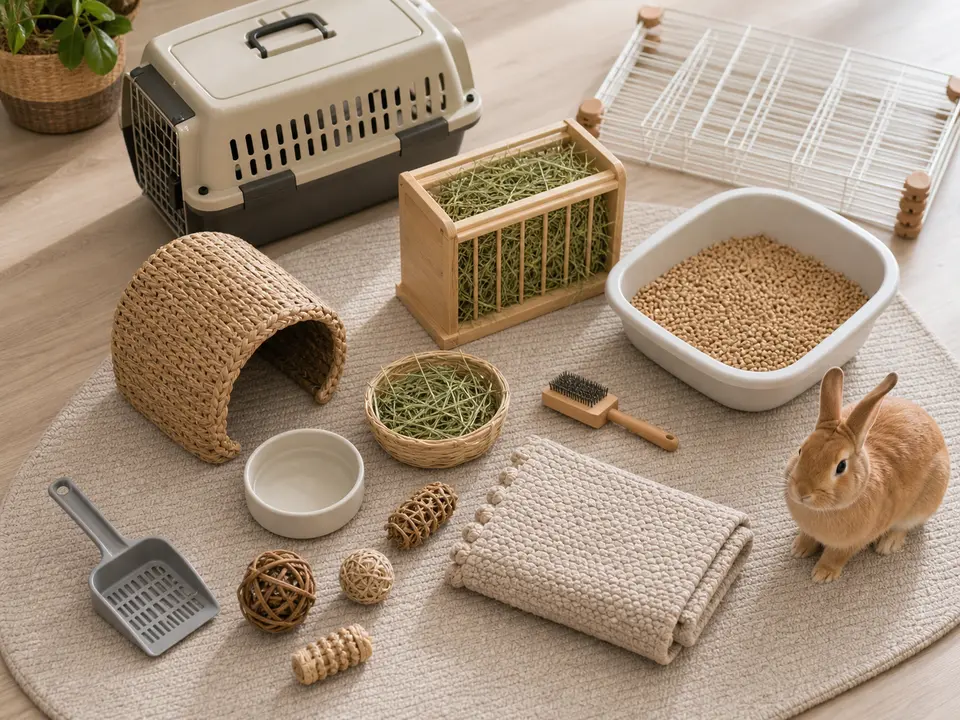
Before adoption, know where the pen or first room will go, where hay and litter will sit, what flooring needs traction, and which cords or plants must move. A rescue rabbit settles better when the home is ready before the carrier arrives.
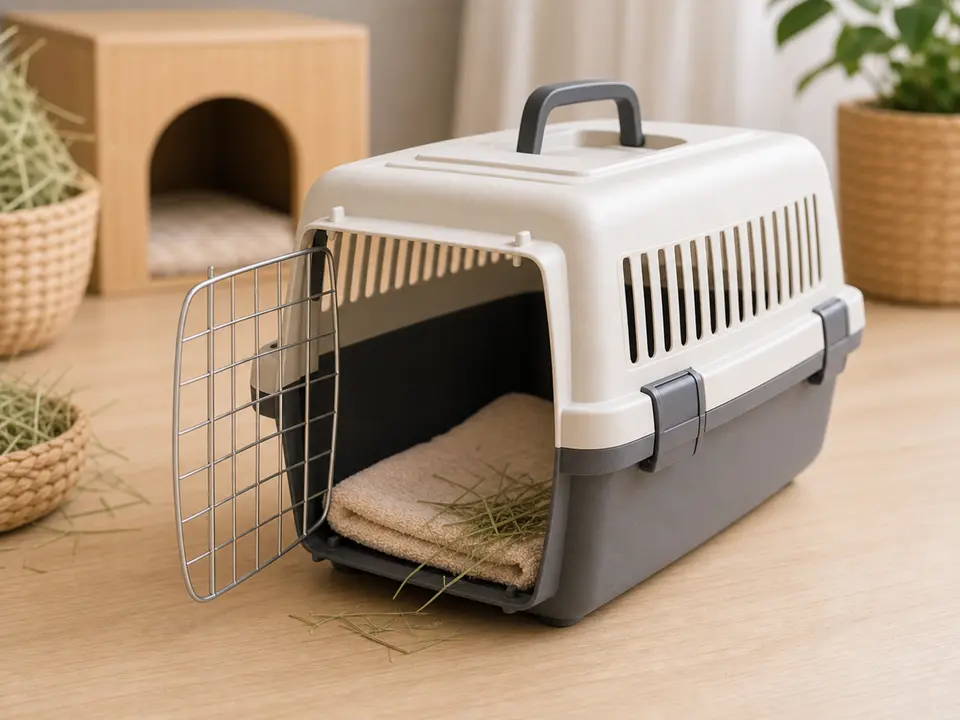
Bring home the setup first; bring home the rabbit second. That means the carrier can open into a prepared space instead of a shopping bag, bare floor, and a nervous rabbit waiting for you to improvise.
Pause if the match feels unclear
It is kinder to ask more questions than to guess. If the rabbit's needs are beyond your current space, budget, grooming comfort, or household noise level, keep looking with the rescue's help.
A thoughtful no can protect the rabbit and lead you to a better yes. Good rescues would rather help you choose carefully than see a rabbit returned because the daily routine was misunderstood.
Before you decide
What changed recently?
Can your rabbit choose a quiet retreat?
Are hay, water, litter, and footing easy?
Is this normal for your individual rabbit?
Next best moves
Make one small change.
Watch what your rabbit chooses next.
Keep the setup calm enough to repeat tomorrow.
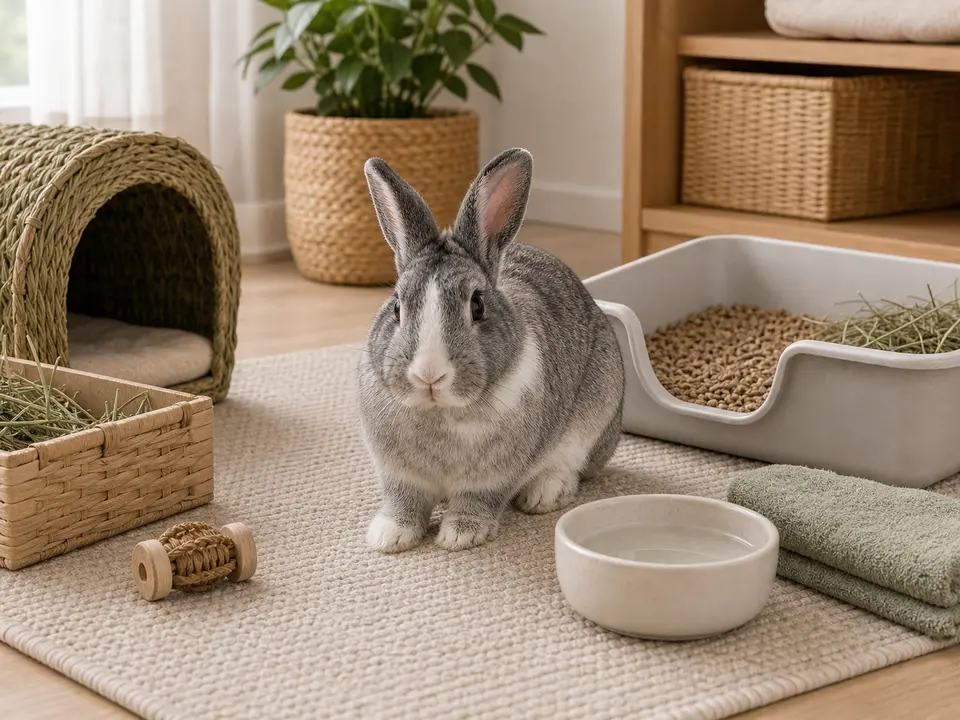
First setup pieces that earn their space
Start with the pieces that make the first room calm before buying cute extras.
Affiliate links: Furball Cove may earn from qualifying purchases at no extra cost to you.
Choose a rescue rabbit by matching the individual rabbit to your real home, not by color or cuteness first. Ask about litter habits, hay eating, chewing, handling comfort, noise sensitivity, grooming needs, vet history, and how the rabbit behaves in a normal room.
What should I change first?
Choose one small setup change that makes the daily routine easier: closer hay, better traction, a calmer hideout, a larger box, or a shorter handling session.
When should I get extra help?
If your rabbit stops eating or pooping, seems painful, breathes strangely, or changes suddenly, call a rabbit-savvy vet. For bonding or handling problems, an experienced rabbit rescue can also help.