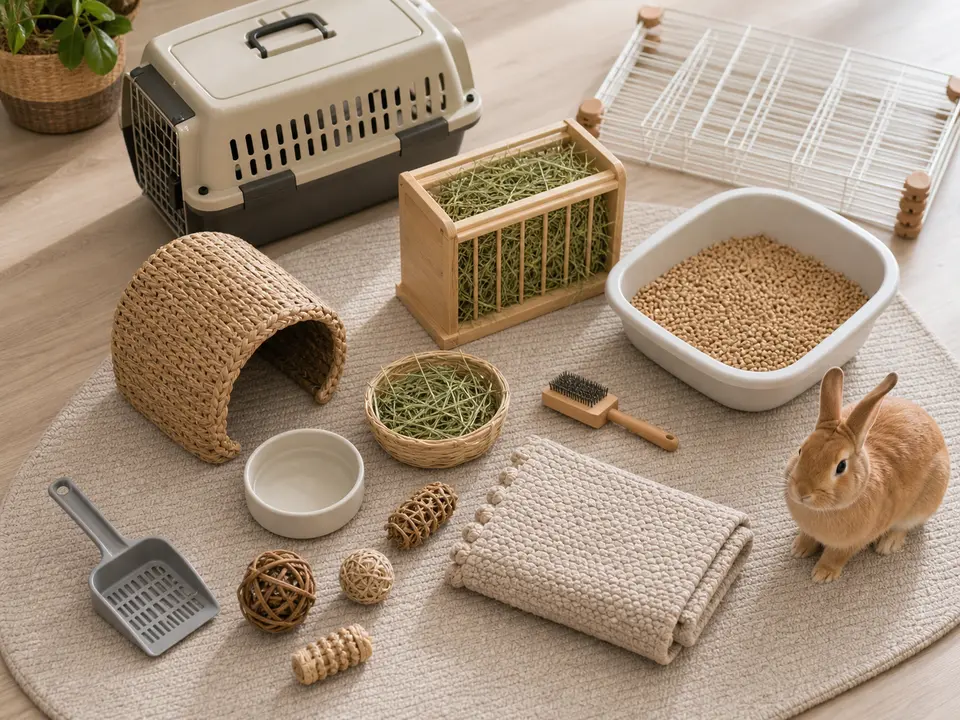
Make cleaning rabbit scent glands smaller and easier to repeat. A few calm strokes, one nail, or one tiny coat check is often better than pushing through a long session that makes your rabbit avoid the next one.
Keep cleaning rabbit scent glands short, steady, and easy to repeat. Set up the surface, tool, light, and exit plan before you start so care feels like a calm routine instead of a chase.
For cleaning rabbit scent glands: check the scent gland without flipping
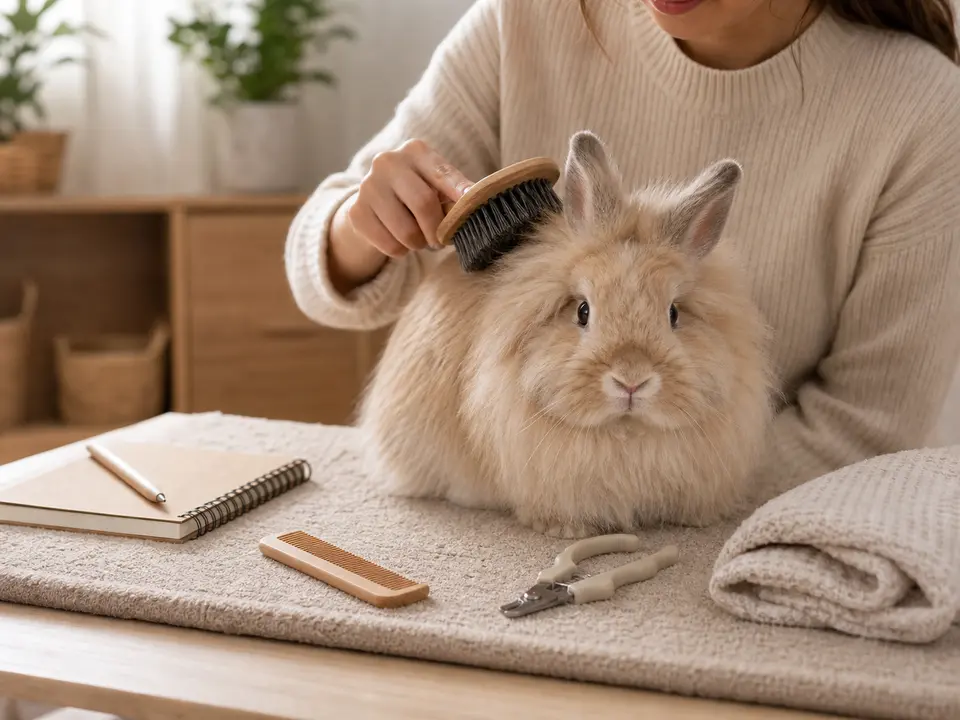
Make cleaning rabbit scent glands smaller and easier to repeat. A few calm strokes, one nail, or one tiny coat check is often better than pushing through a long session that makes your rabbit avoid the next one. Work low, keep your rabbit supported, and use a helper if that keeps the check calmer. You are looking for damp fur, stuck stool, strong odor, mats, swelling, or sore-looking skin. Treat cleaning rabbit scent glands as both grooming and health observation: coat, fur, skin, nails, teeth, movement, and comfort can all give you useful clues.
For cleaning rabbit scent glands: use light and patience
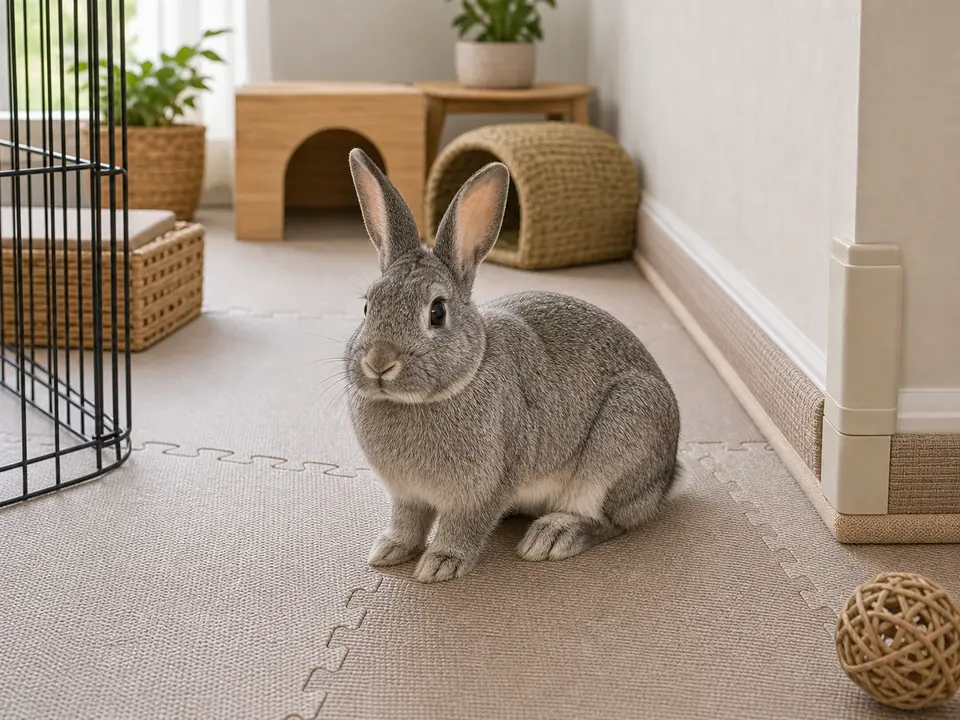
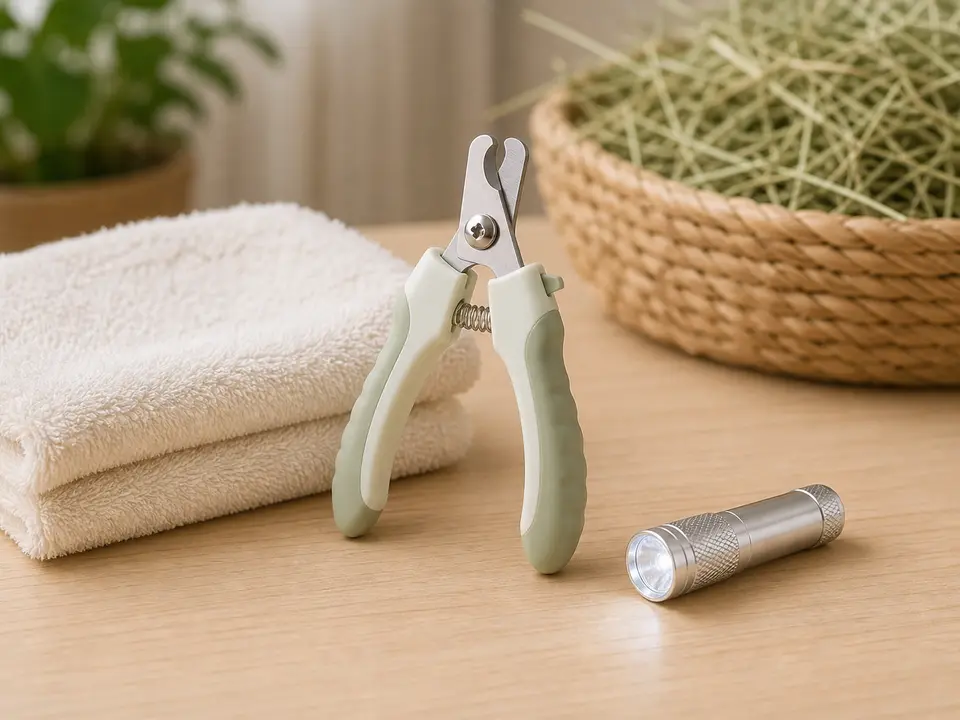
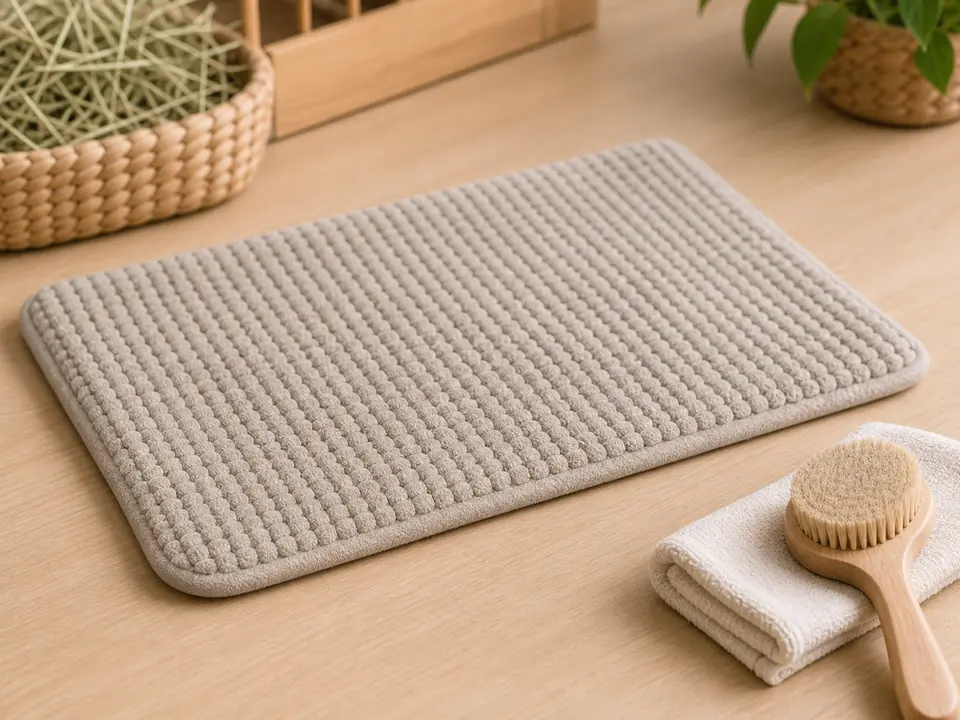
Good light and a short session on grippy flooring matter more than force. If your rabbit tenses, kicks, or twists, stop and reset. A frightened rabbit can hurt themselves faster than you can finish a cleanup. Use real floor traction, not a slippery counter or table; a washable mat or rug gives your rabbit steadier paws and a calmer escape plan.
For cleaning rabbit scent glands: clean only what needs cleaning
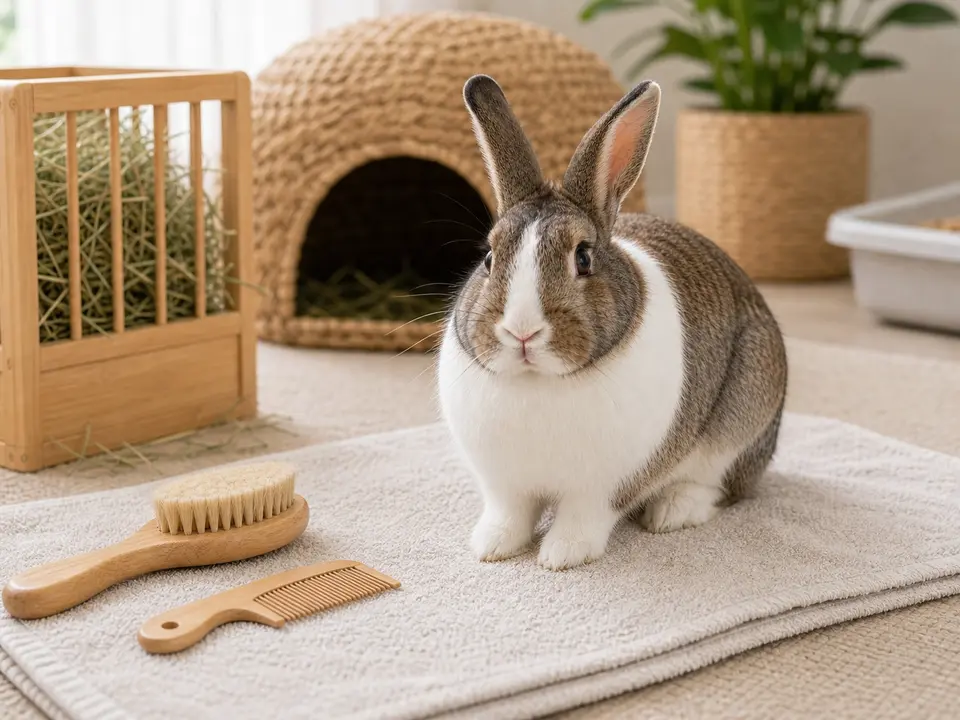
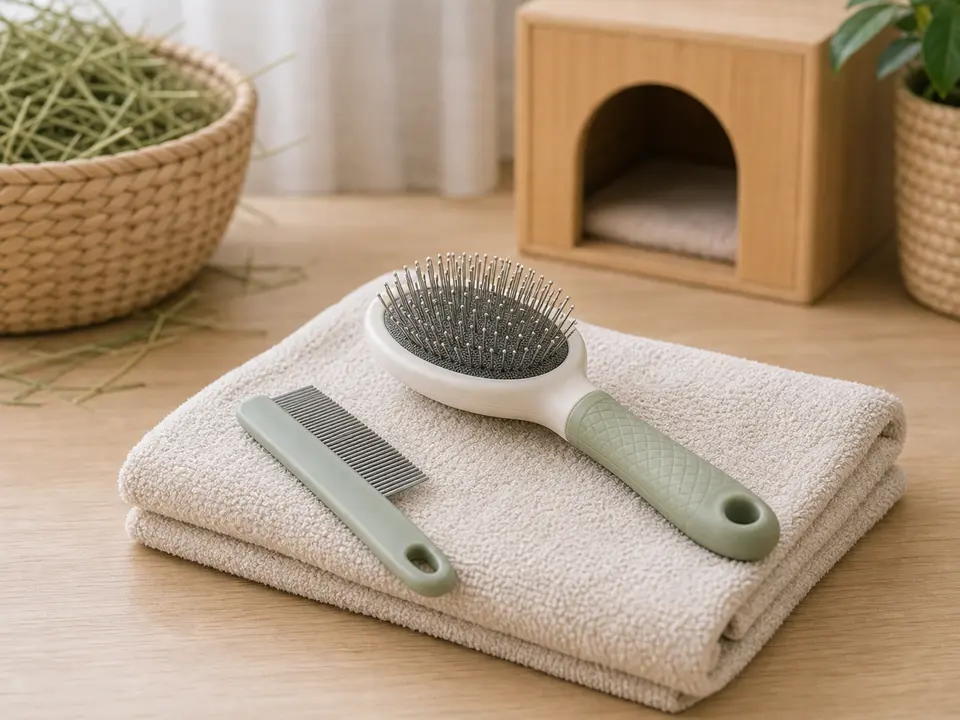
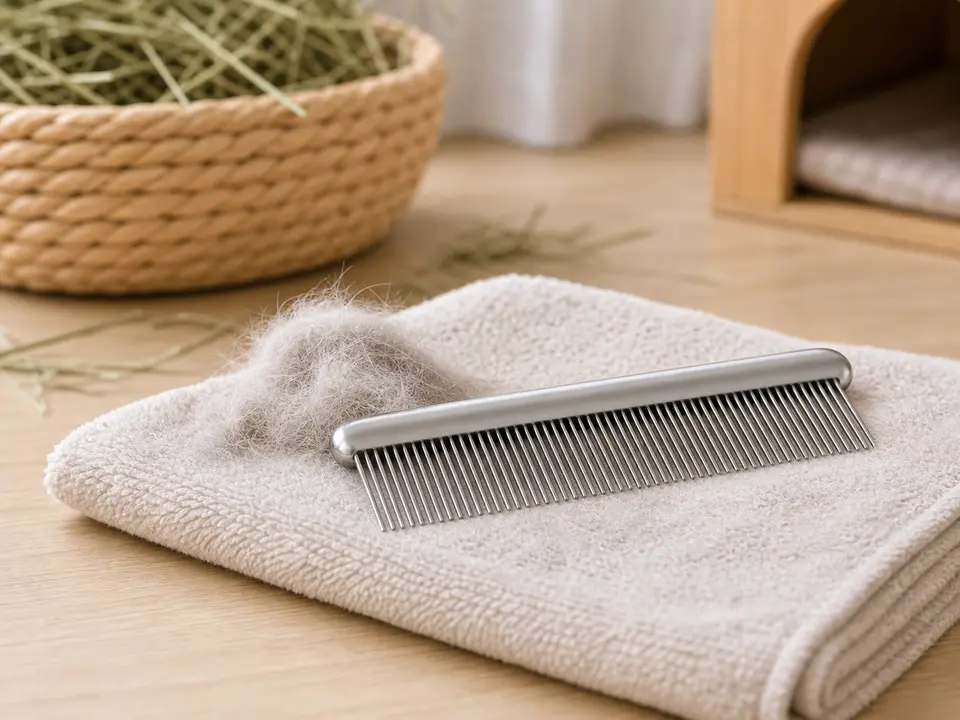
Do not pull dried material or cut blindly near delicate skin. Soften a small area only if needed, keep the fur dry afterward, and avoid turning a tiny check into a full bath. Keep the brush, comb, and coat check close to normal daily grooming so cleaning rabbit scent glands feels familiar instead of like a surprise appointment. Use the same quiet spot when you can, because repetition helps you notice what changed.
For cleaning rabbit scent glands: fix the routine that caused the mess
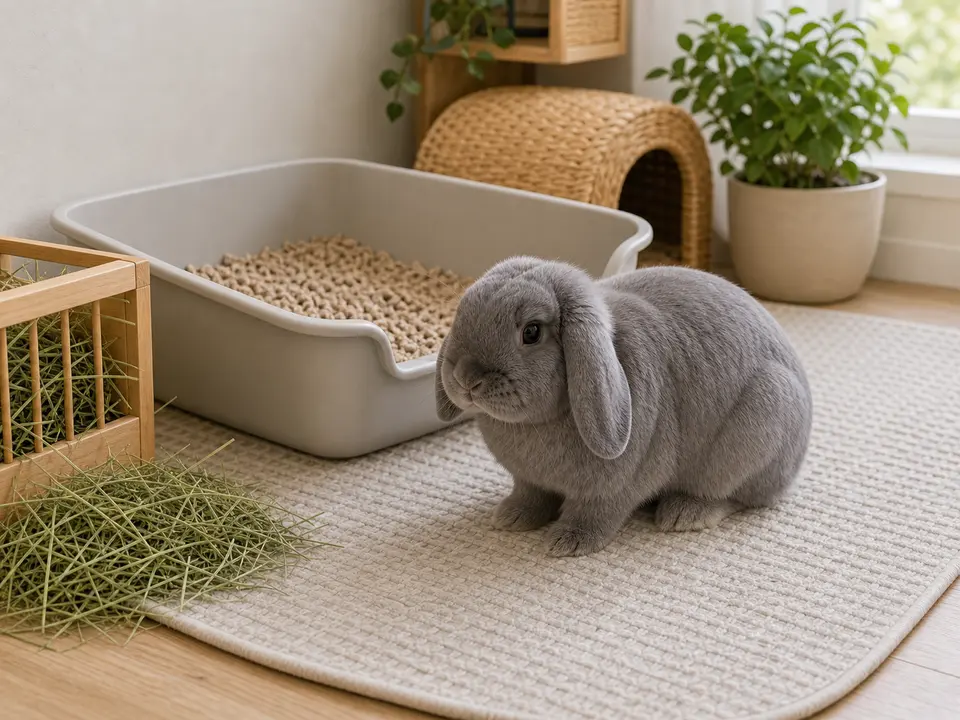
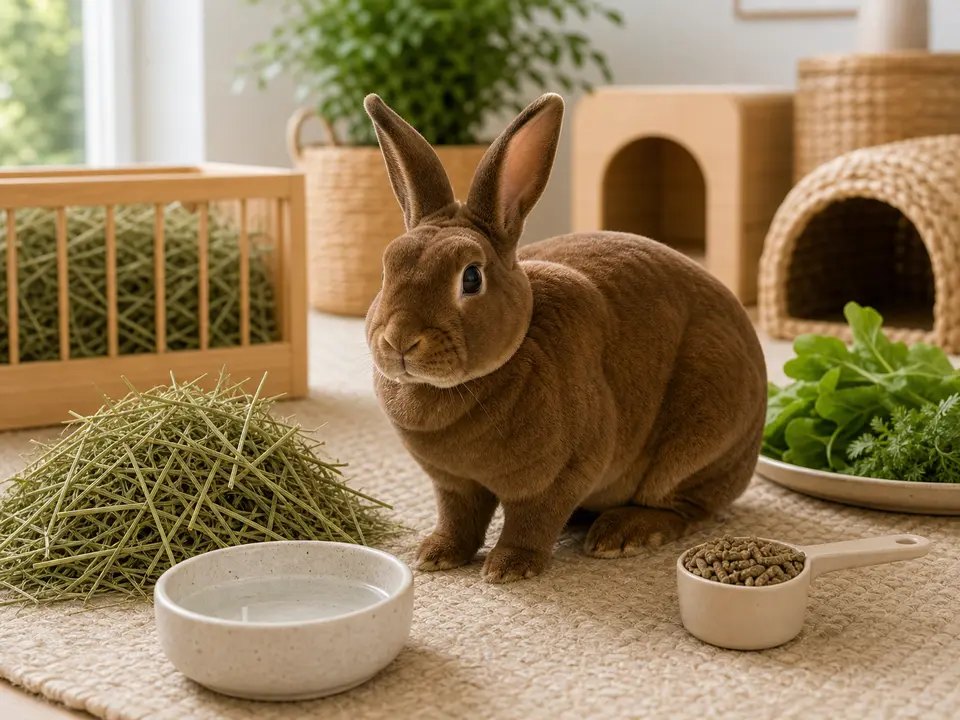
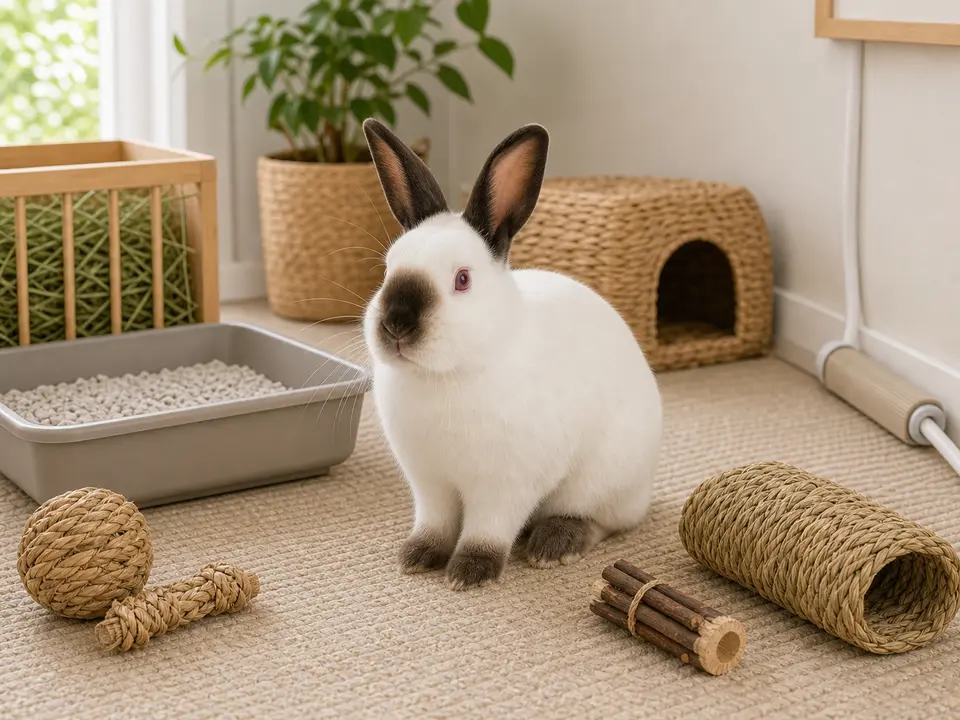
Repeated underside mess can connect to damp litter, soft stool, weight, stiffness, long fur, or a box that is hard to use. Check hay, water, poops, box access, and the favorite resting spot. The litter box can explain repeated grooming mess: damp corners, soft stool, box height, hay placement, and favorite resting spots all matter.
For cleaning rabbit scent glands: ask for help before skin gets sore
A rabbit-savvy vet or experienced rabbit groomer should handle sore skin, swelling, repeated mess, strong odor, pain, or a rabbit who cannot tolerate the check safely. Use a rabbit-savvy vet when pain, appetite, poop, skin, teeth, or movement changes join the grooming problem; those clues matter more than a perfect-looking coat.
Before you decide
What changed recently?
Can your rabbit choose a quiet retreat?
Are hay, water, litter, and footing easy?
Is this normal for your individual rabbit?
Next best moves
Make one small change.
Watch what your rabbit chooses next.
Keep the setup calm enough to repeat tomorrow.
Grooming tools that stay useful
These are practical pieces for the routine, not clutter to buy all at once.
Affiliate links: Furball Cove may earn from qualifying purchases at no extra cost to you.
Make cleaning rabbit scent glands smaller and easier to repeat. A few calm strokes, one nail, or one tiny coat check is often better than pushing through a long session that makes your rabbit avoid the next one.
What should I change first?
Choose one small setup change that makes the daily routine easier: closer hay, better traction, a calmer hideout, a larger box, or a shorter handling session.
When should I get extra help?
If your rabbit stops eating or pooping, seems painful, breathes strangely, or changes suddenly, call a rabbit-savvy vet. For bonding or handling problems, an experienced rabbit rescue can also help.