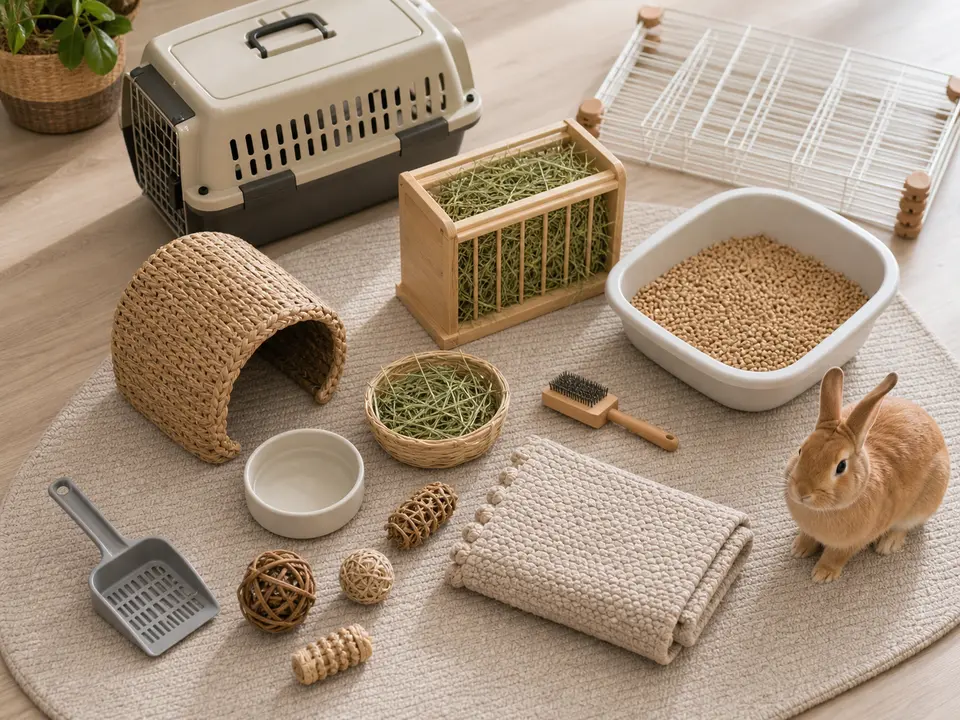
Find a rabbit-savvy vet before adoption by calling clinics directly, asking whether they regularly see rabbits, checking emergency options, and saving the contact information before your rabbit comes home. The best time to find the vet is before you need one.
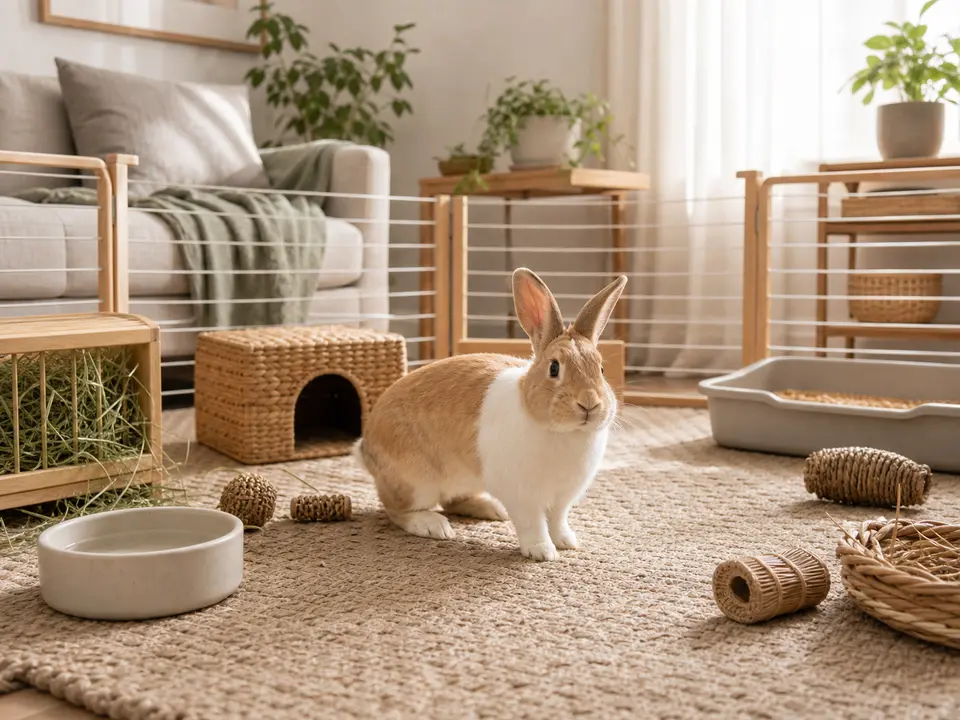
New rabbits do best when the first room feels predictable and quiet. This guide keeps the answer grounded in the room your rabbit actually uses: hay, water, litter, hideouts, safe chewing, quiet handling, and enough patience for trust to build.
Call before the rabbit comes home
Find a rabbit-savvy vet before adoption by calling clinics directly, asking whether they regularly see rabbits, checking emergency options, and saving the contact information before your rabbit comes home. The best time to find the vet is before you need one. Do the vet search while the room is still quiet, not while your rabbit is refusing food.
Ask whether the clinic regularly sees rabbits and whether they can point you to emergency care when they are closed.
Keep this decision tied to the room your rabbit will actually use. If the setup makes hay, water, litter, rest, and safe movement easier tomorrow morning, it is doing more work than a prettier extra.
Ask practical rabbit questions
Useful questions are plain: who sees rabbits, how soon appointments book, where urgent cases go, and what records they want from the rescue.
You are not testing the receptionist. You are building the contact list your rabbit may need later.
This also keeps the advice honest for new owners. A rabbit's first week is easier when the basics are visible, repeatable, and calm enough that you can notice small changes.
Map the travel plan
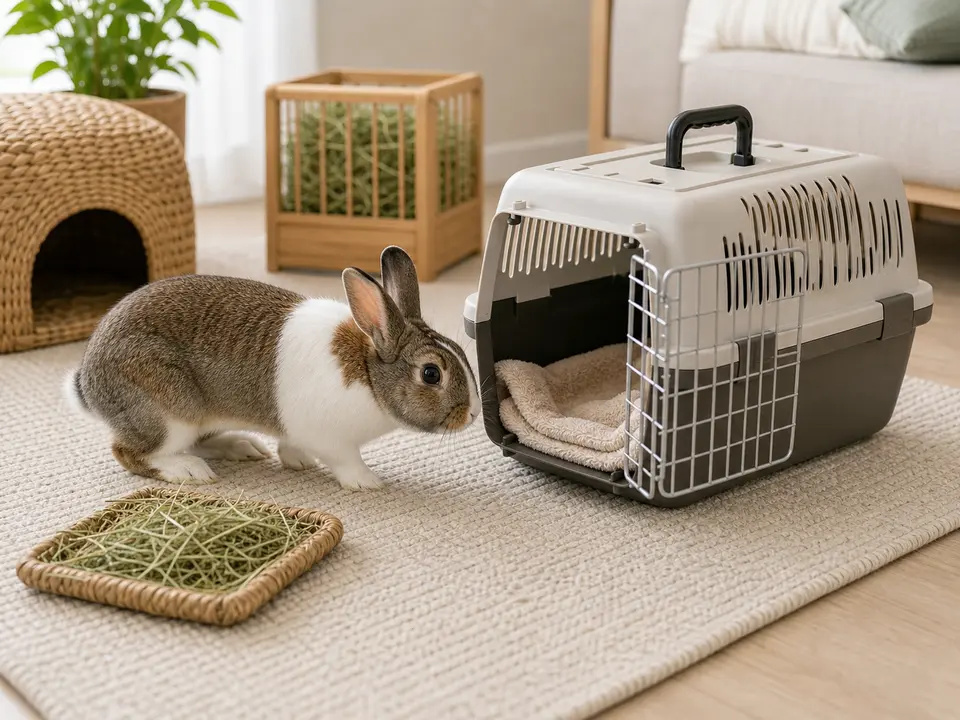
Know how long the drive is, where the carrier will sit, and whether the route feels realistic on a stressful day.
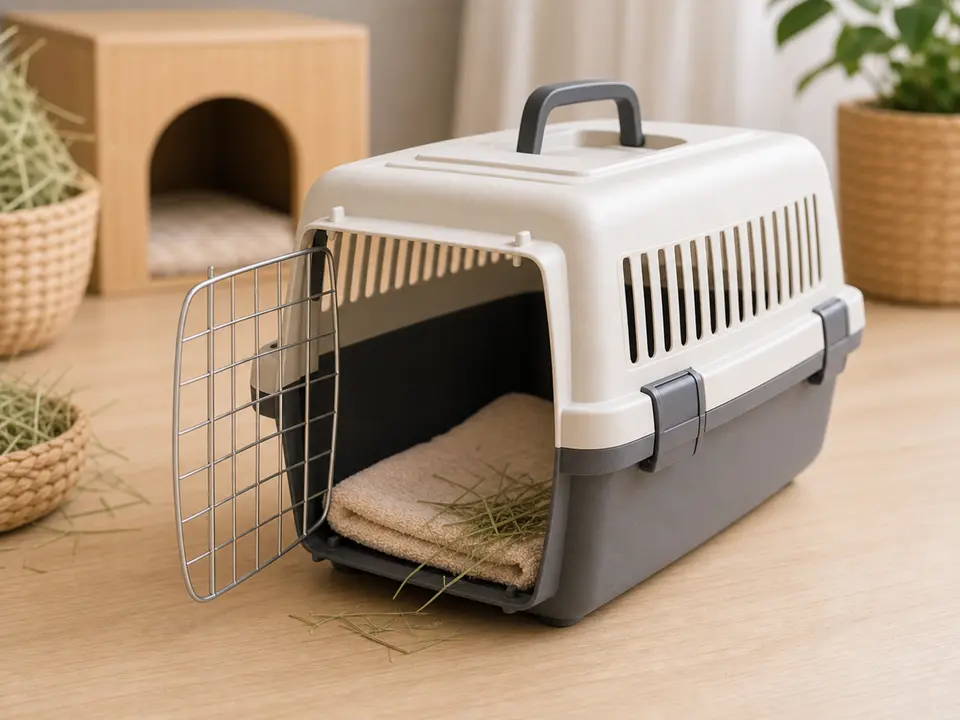
A good vet plan includes the carrier, towel, notes, and a way home that keeps your rabbit steady and cool.
Write down the practical detail before adoption day if more than one person helps. A shared note prevents guessing about food, cleanup, vet contacts, or where the first supplies live.
Keep rescue history together
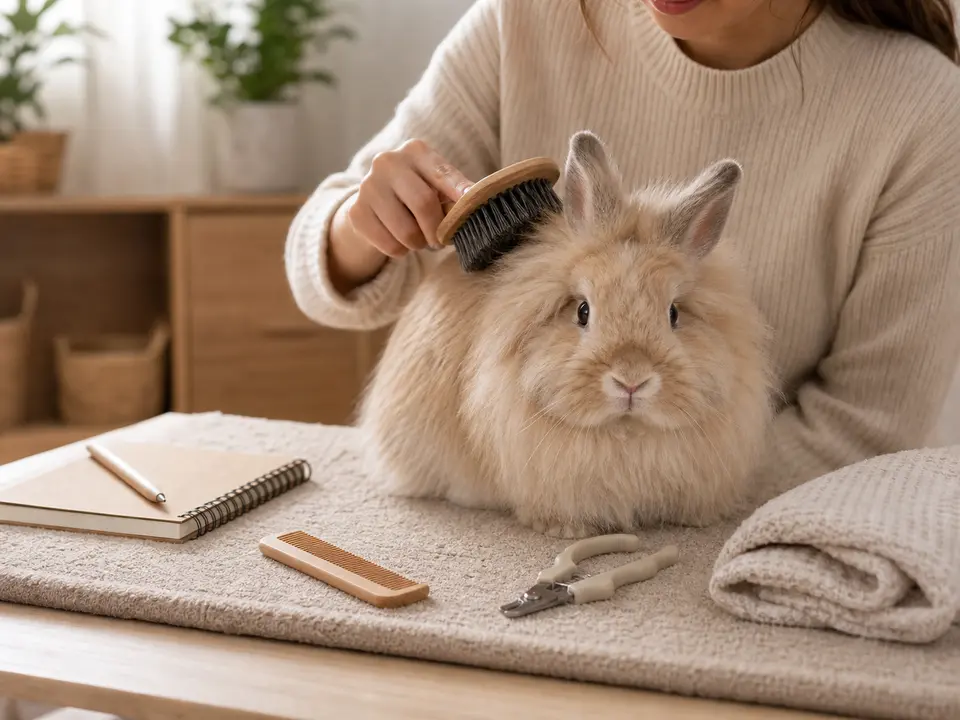
Ask the rescue for age estimate, diet, litter notes, known medical history, and any handling or grooming concerns.
Save those notes where you can bring them to the first appointment instead of trying to remember after adoption day.
A good first setup should lower pressure on both of you. Your rabbit gets a predictable room, and you get fewer moments where you have to improvise while they are already nervous.
Make the contact visible
Put the vet name, phone number, address, and emergency option somewhere easy to find.
That small step matters when you are tired, worried, and trying to explain appetite or poop changes clearly.
If the answer makes you pause, that is useful information. Waiting until the space, budget, or vet plan is ready can be the kindest choice for the rabbit you want to bring home.
Before you decide
What changed recently?
Can your rabbit choose a quiet retreat?
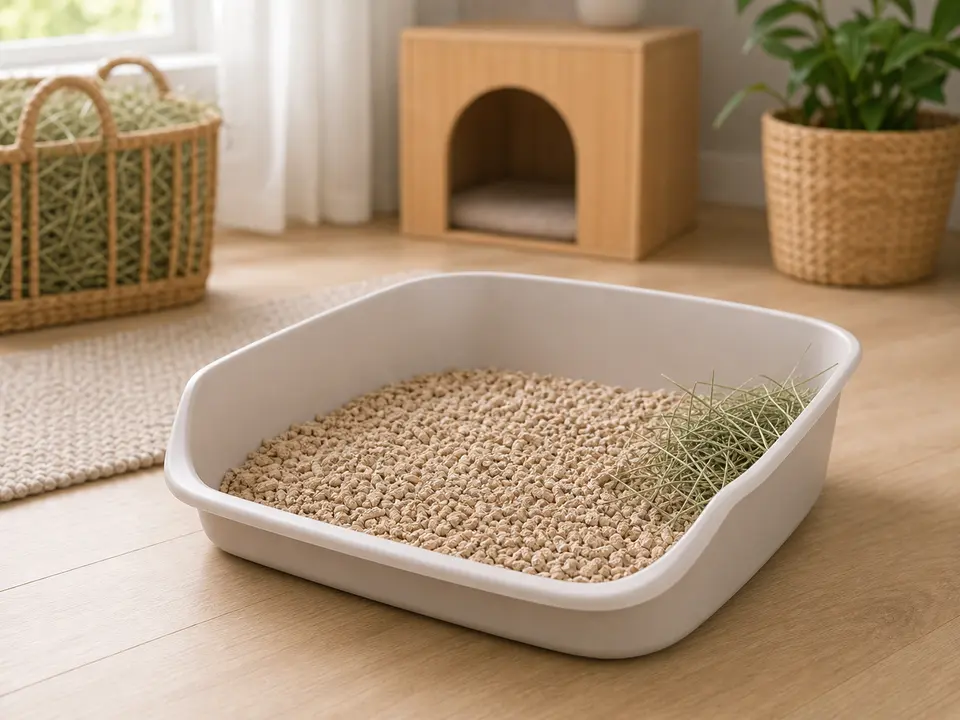
Are hay, water, litter, and footing easy?
Is this normal for your individual rabbit?
Next best moves
Make one small change.
Watch what your rabbit chooses next.
Keep the setup calm enough to repeat tomorrow.
First setup pieces that earn their space
Start with the pieces that make the first room calm before buying cute extras.
Affiliate links: Furball Cove may earn from qualifying purchases at no extra cost to you.
Find a rabbit-savvy vet before adoption by calling clinics directly, asking whether they regularly see rabbits, checking emergency options, and saving the contact information before your rabbit comes home. The best time to find the vet is before you need one.
What should I change first?
Choose one small setup change that makes the daily routine easier: closer hay, better traction, a calmer hideout, a larger box, or a shorter handling session.
When should I get extra help?
If your rabbit stops eating or pooping, seems painful, breathes strangely, or changes suddenly, call a rabbit-savvy vet. For bonding or handling problems, an experienced rabbit rescue can also help.