

Set it up
Choose one easy version of the behavior. Remove distractions, keep rewards ready, and make the right choice obvious.
Updated
Dog training
Get Qualified Help is about safety first: slow down, reduce pressure, and use qualified help when risk is real.

Choose one easy version of the behavior. Remove distractions, keep rewards ready, and make the right choice obvious.
Use a certified force-free trainer or veterinary behavior professional for aggression, panic, or bites. Keep the first reps short enough that your dog can succeed without guessing.
If the behavior involves fear, guarding, lunging, bites, or panic, bring in qualified help early.
Affiliate links: Furball Cove may earn from qualifying purchases at no extra cost to you.
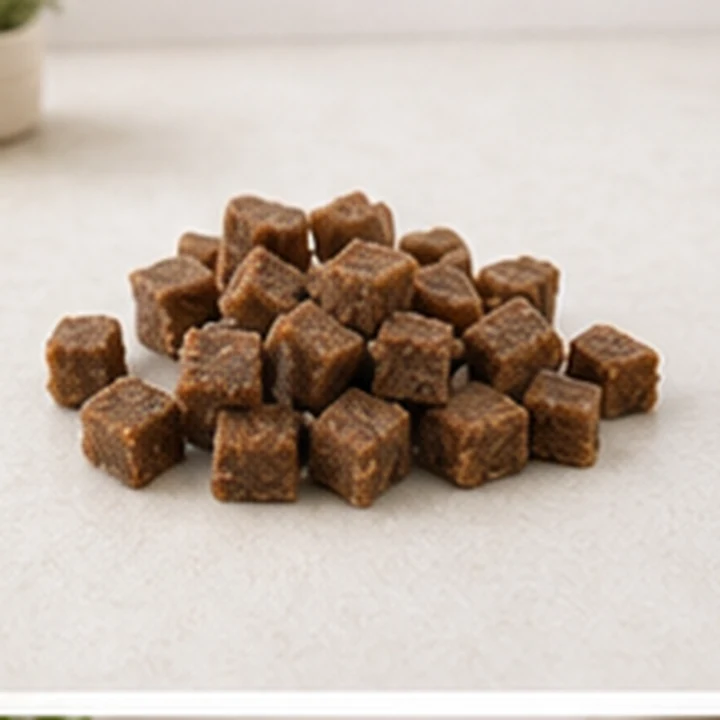
Small, soft rewards for quick reps without slowing the session.
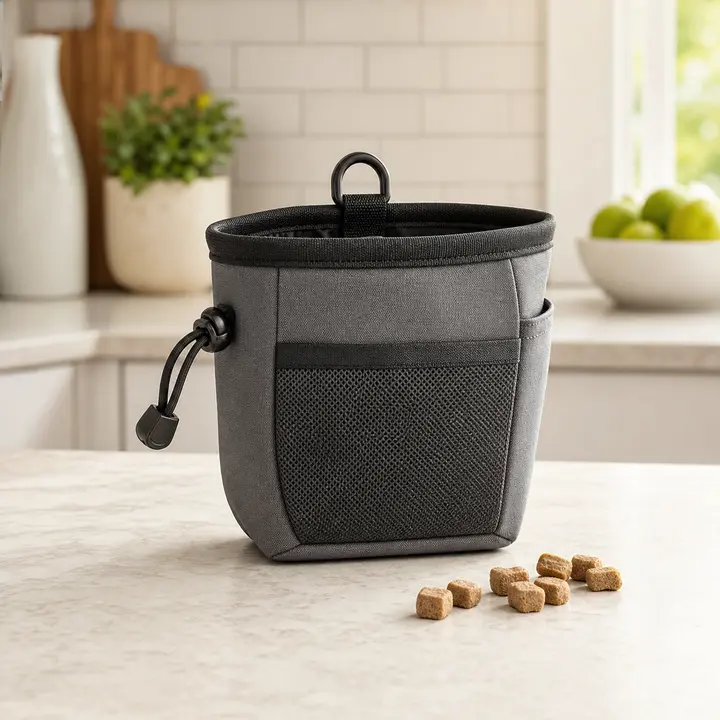
Keeps rewards ready so good choices are paid on time.
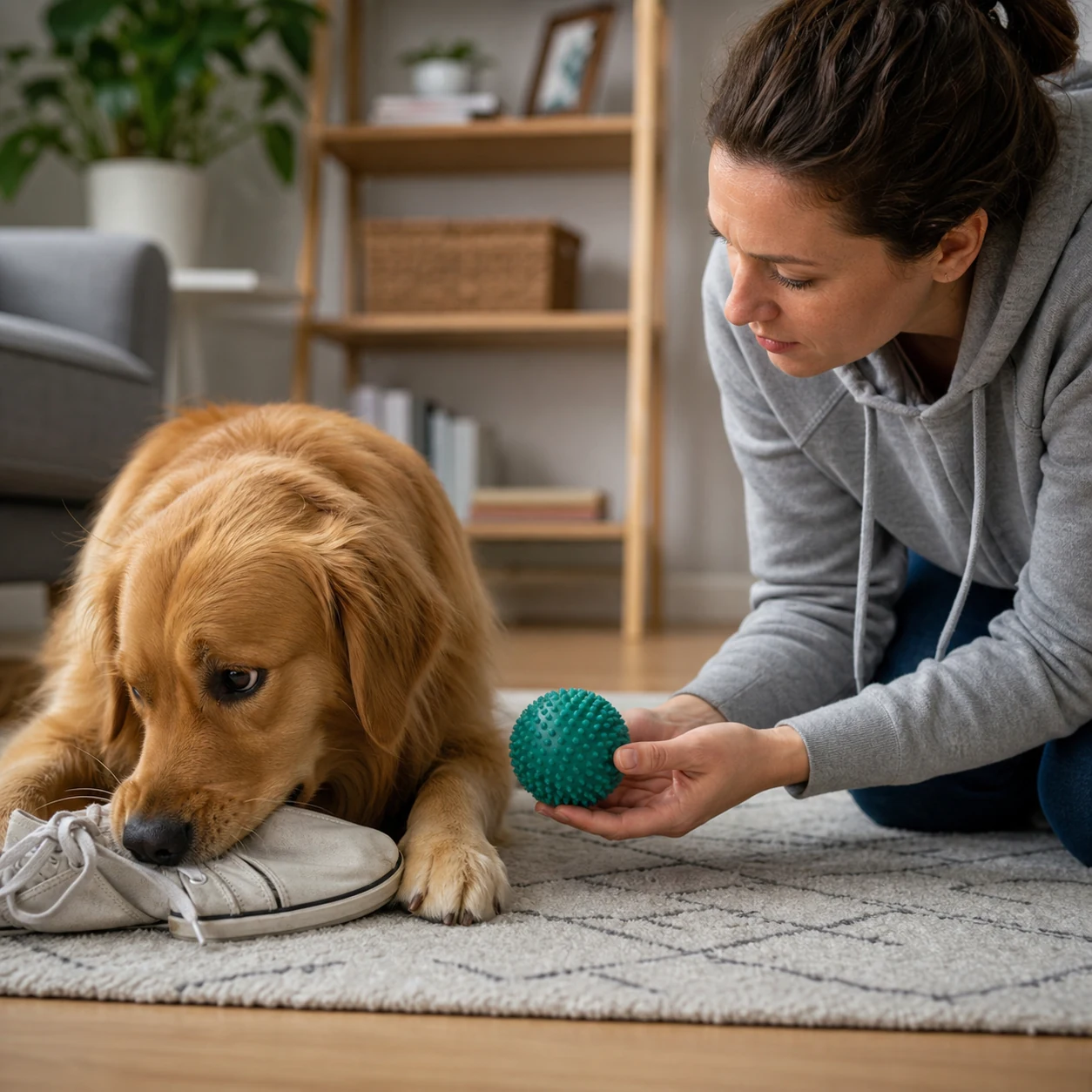
A precise marker for timing small wins clearly.
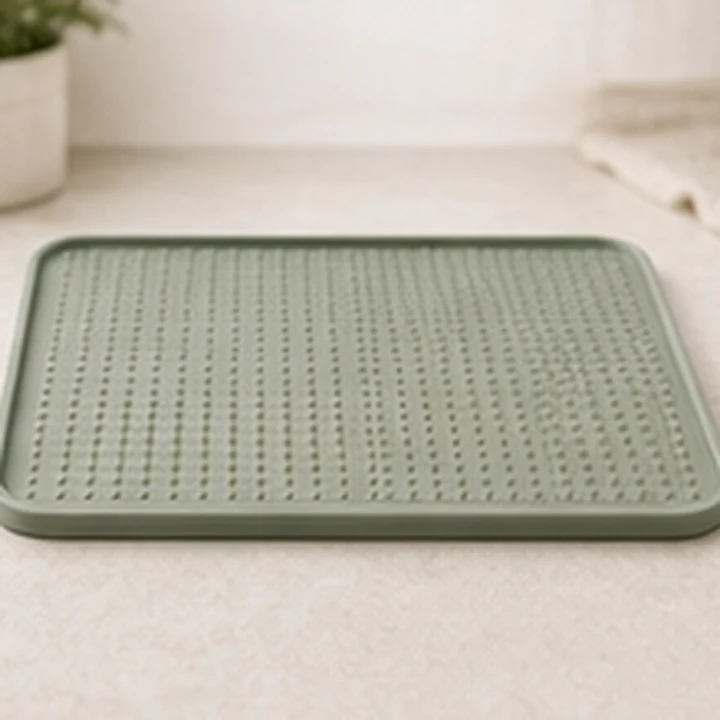
A clear, steady place for settle, handling, and indoor practice.
Most dogs improve in days when the setup is easy, but reliability takes repeated practice in normal life.
Make the situation easier, reduce distractions, and check whether the dog is tired, stressed, overexcited, or uncomfortable.