A job is more than a label
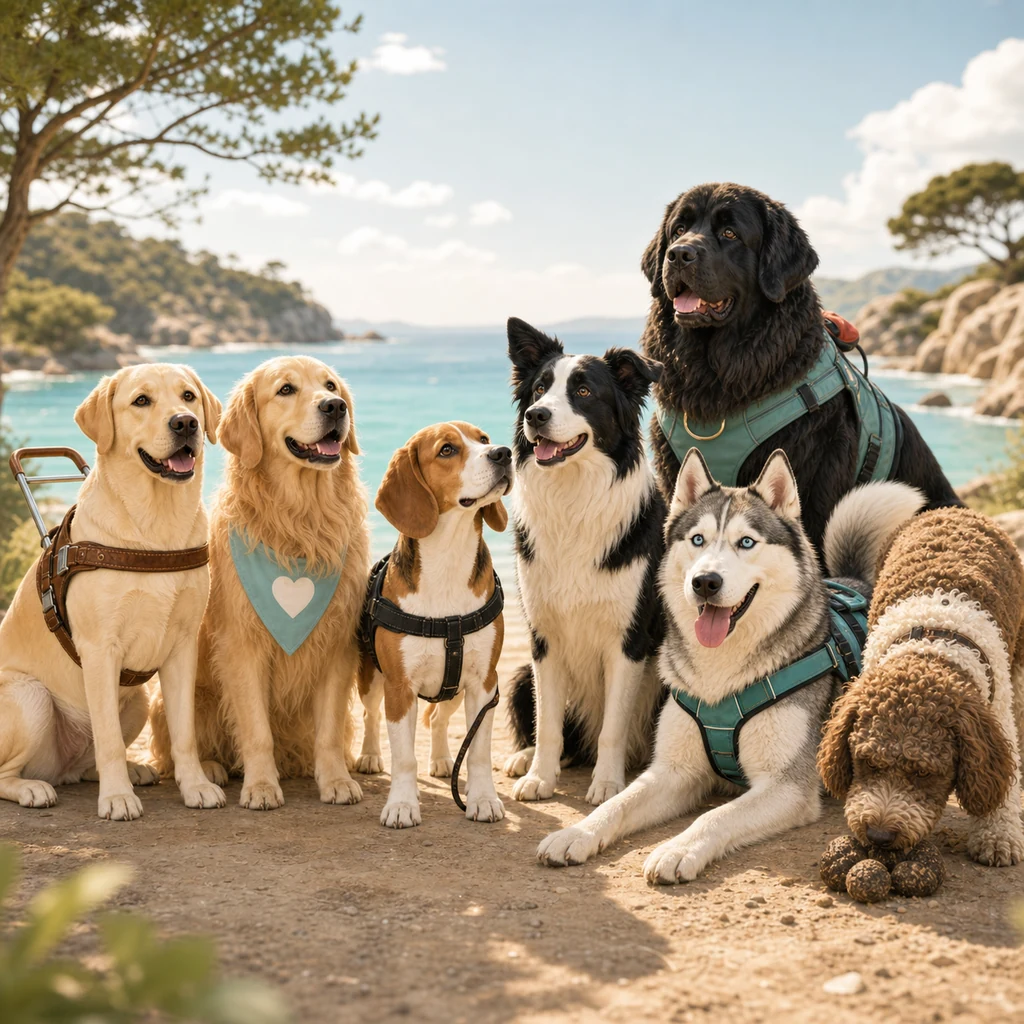
A working dog is not just a dog wearing a vest or standing beside a handler. The work usually depends on careful breeding or selection, patient training, regular practice, and a person who understands the dog's body language. A guide dog, therapy dog, scent dog, and herding dog all need different skills, so the daily routine behind each job looks very different.
Training is built in small pieces
Most working dogs learn through short, consistent sessions that reward the behavior the handler wants. That might mean practicing calm doorway manners, ignoring dropped food, finding one scent among many, settling on a mat in a busy room, or returning to the handler after a long search. Good training protects the dog from confusion and helps the person trust the dog in real situations.
The handler matters as much as the dog
A skilled handler watches for fatigue, stress, heat, soreness, distraction, and changes in confidence. Even a talented dog needs breaks, water, vet care, safe gear, and clear cues. The partnership works best when the dog is treated like a teammate with limits, not a machine that can perform endlessly.
Some jobs are public, and some are private
Service dogs often work beside one person in everyday public spaces, while therapy dogs visit schools, hospitals, or care homes with permission. Search, police, detection, farm, and conservation dogs may work mostly with trained teams away from casual public contact. If you meet a working dog, ask before touching, talking to, feeding, or distracting them.
Not every dog wants a job
A dog can be wonderful at home and still dislike the pressure of public access, scent work, livestock, crowds, or repeated handling. Confidence, recovery after stress, health, age, drive, and temperament all matter. If you want to explore a job or sport with your own dog, start with a qualified reward-based trainer, your vet, and a pace your dog can enjoy.


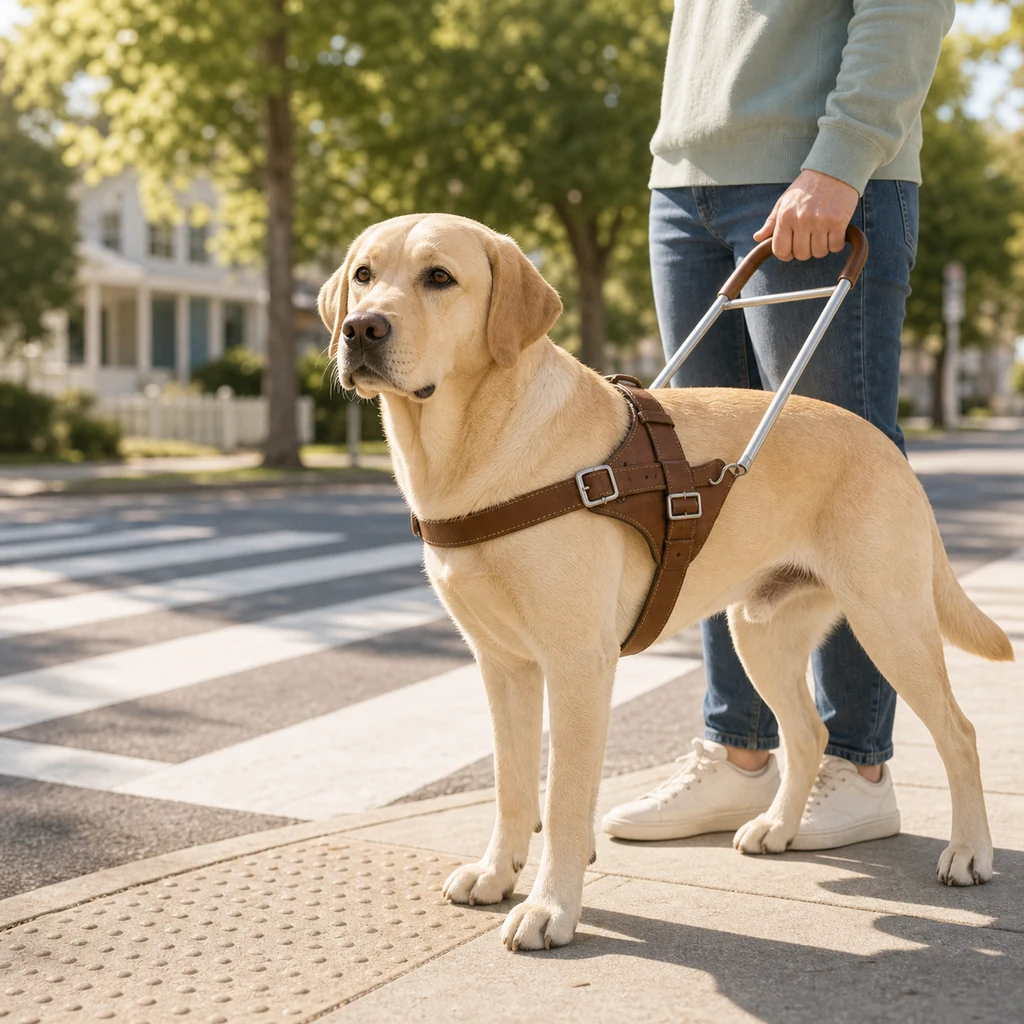 Guide Dog
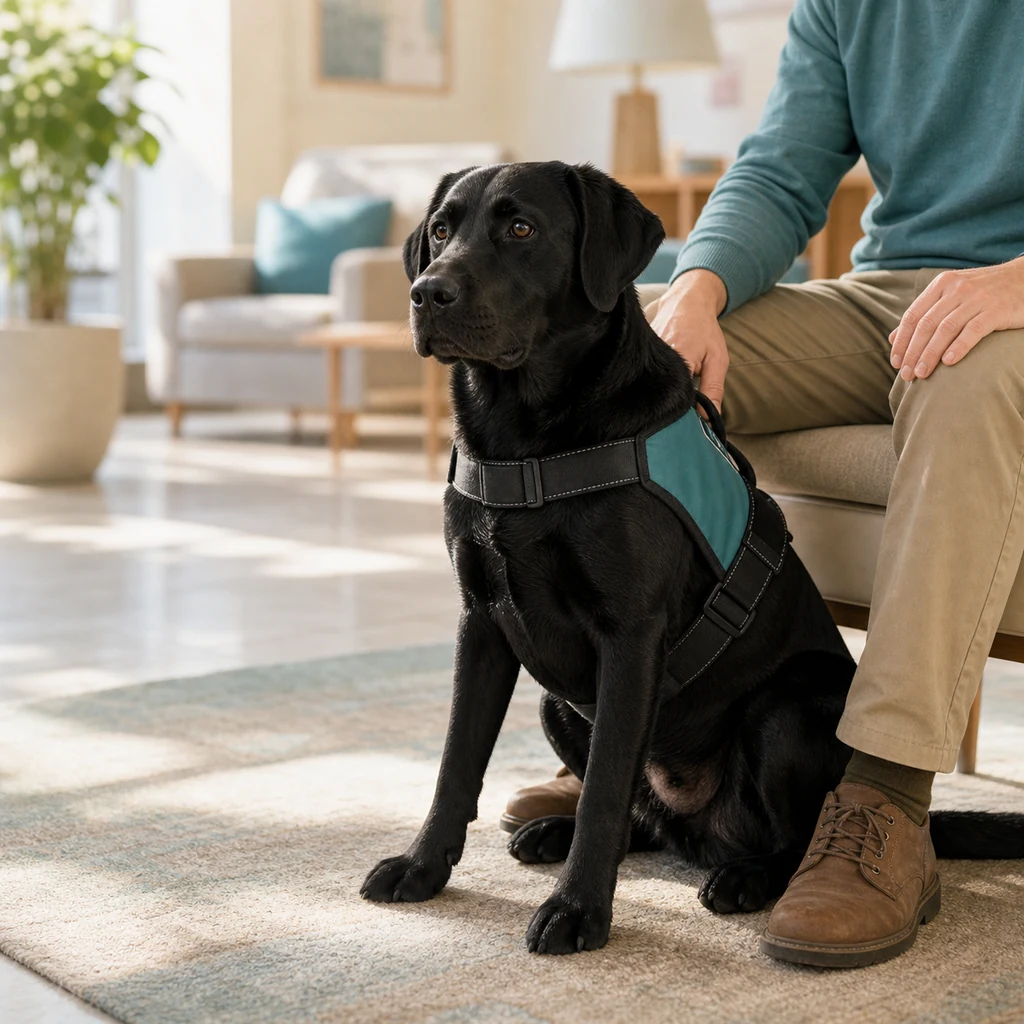 Service Dog
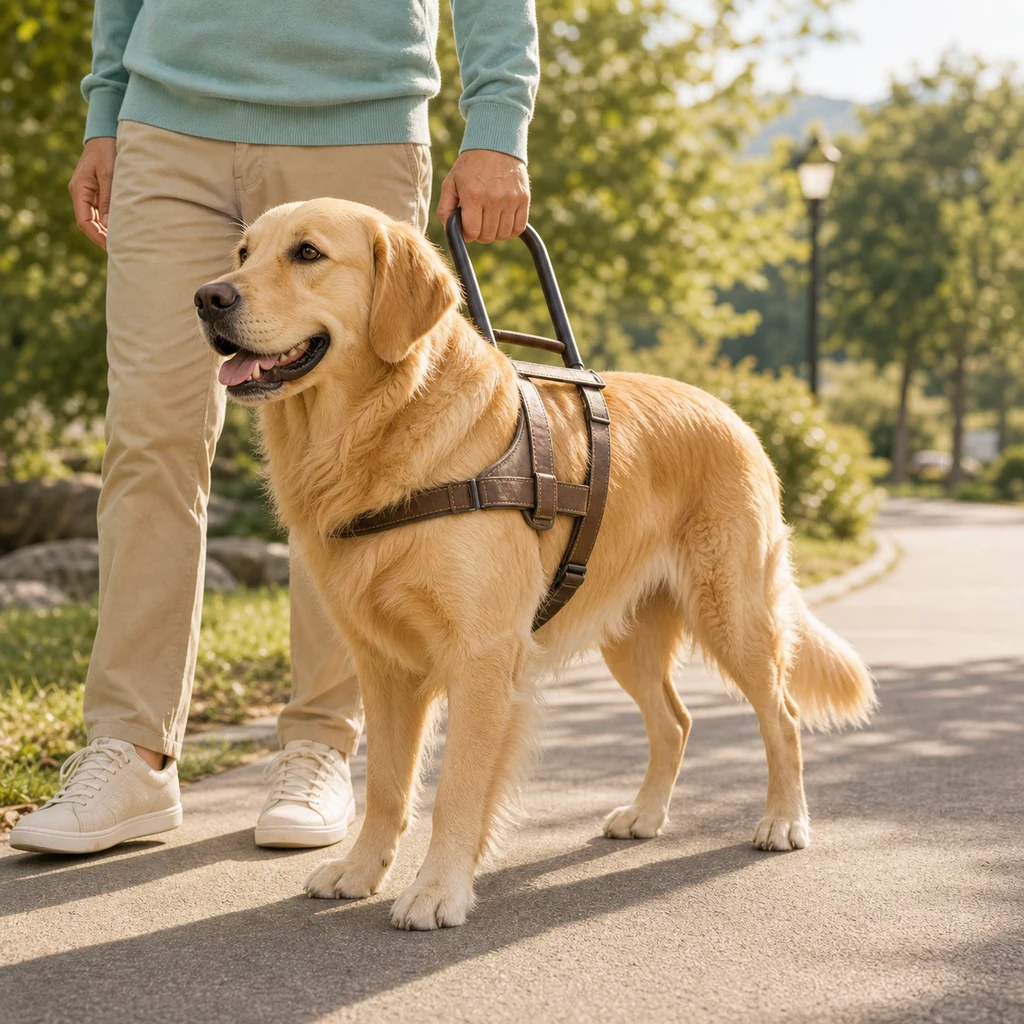 Mobility Assistance Dog
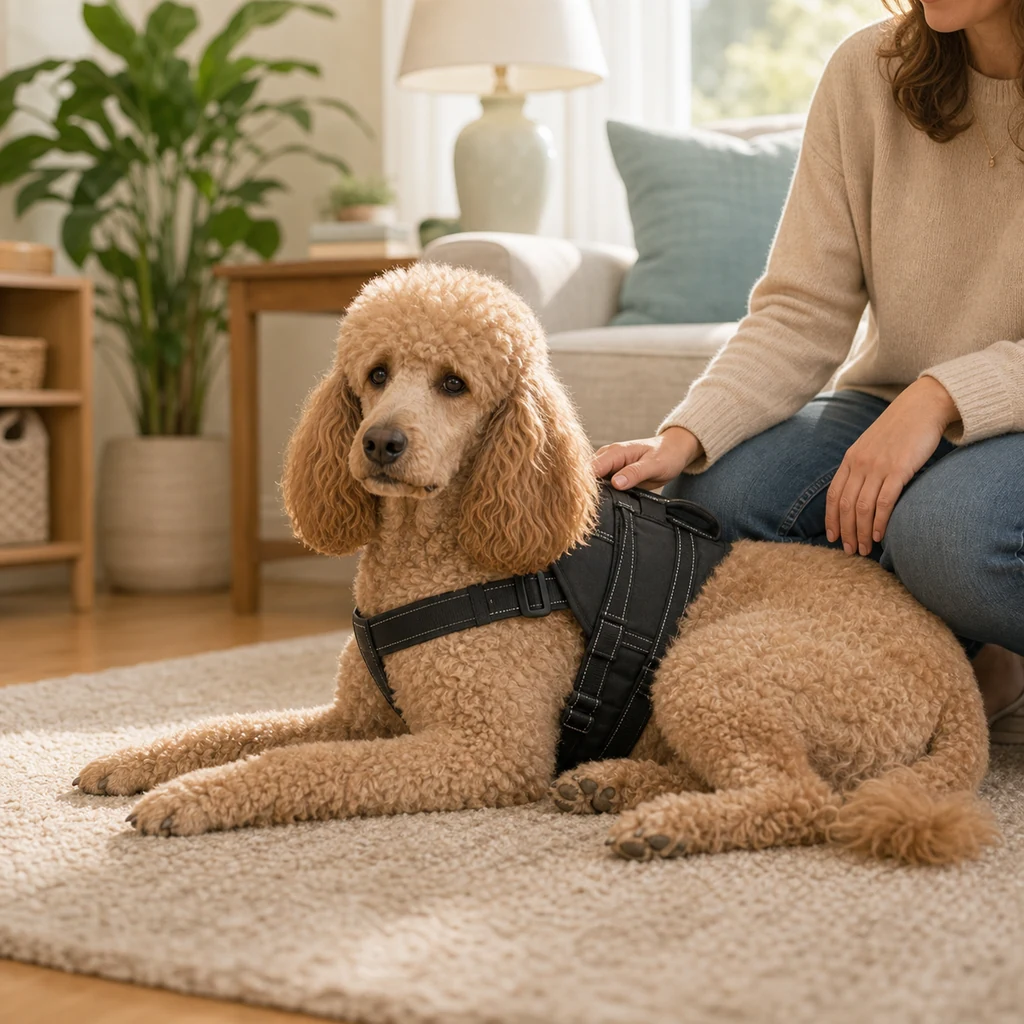 Medical Alert Dog
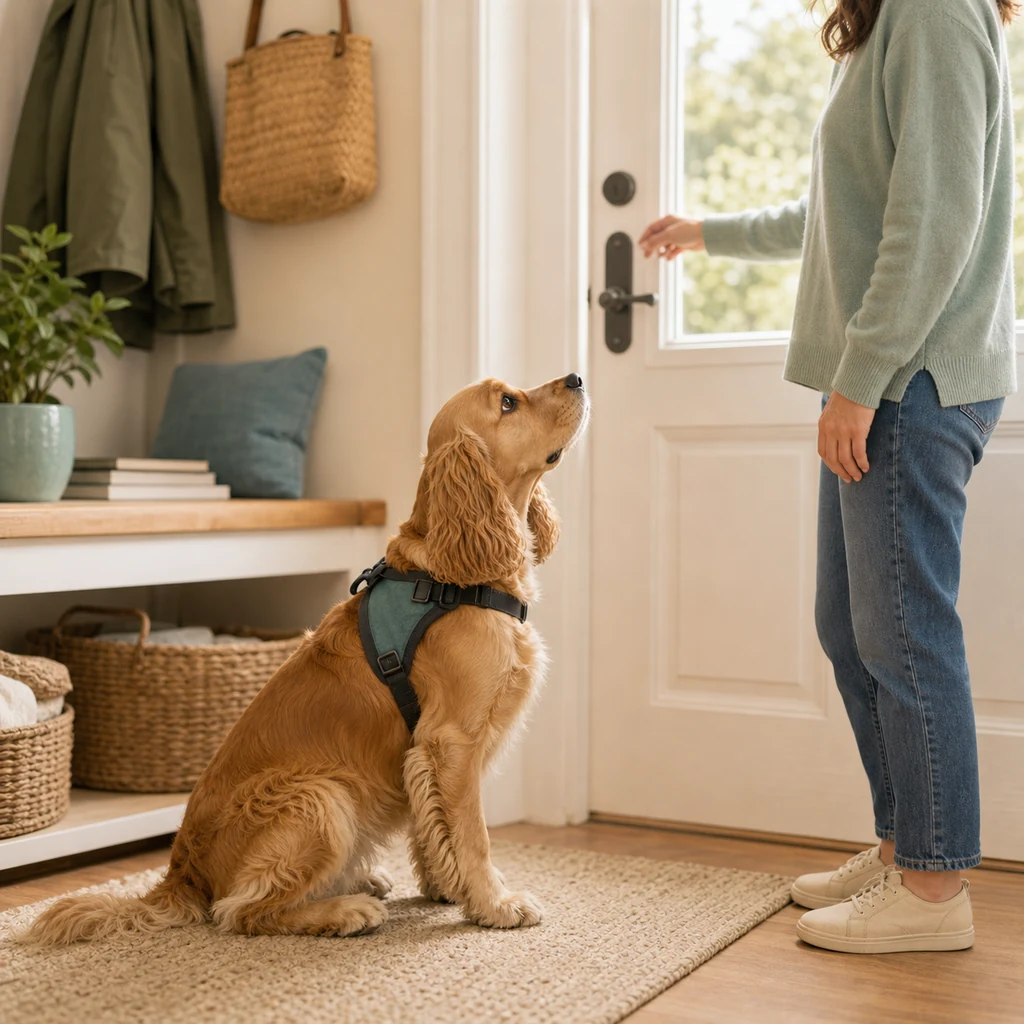 Hearing Dog
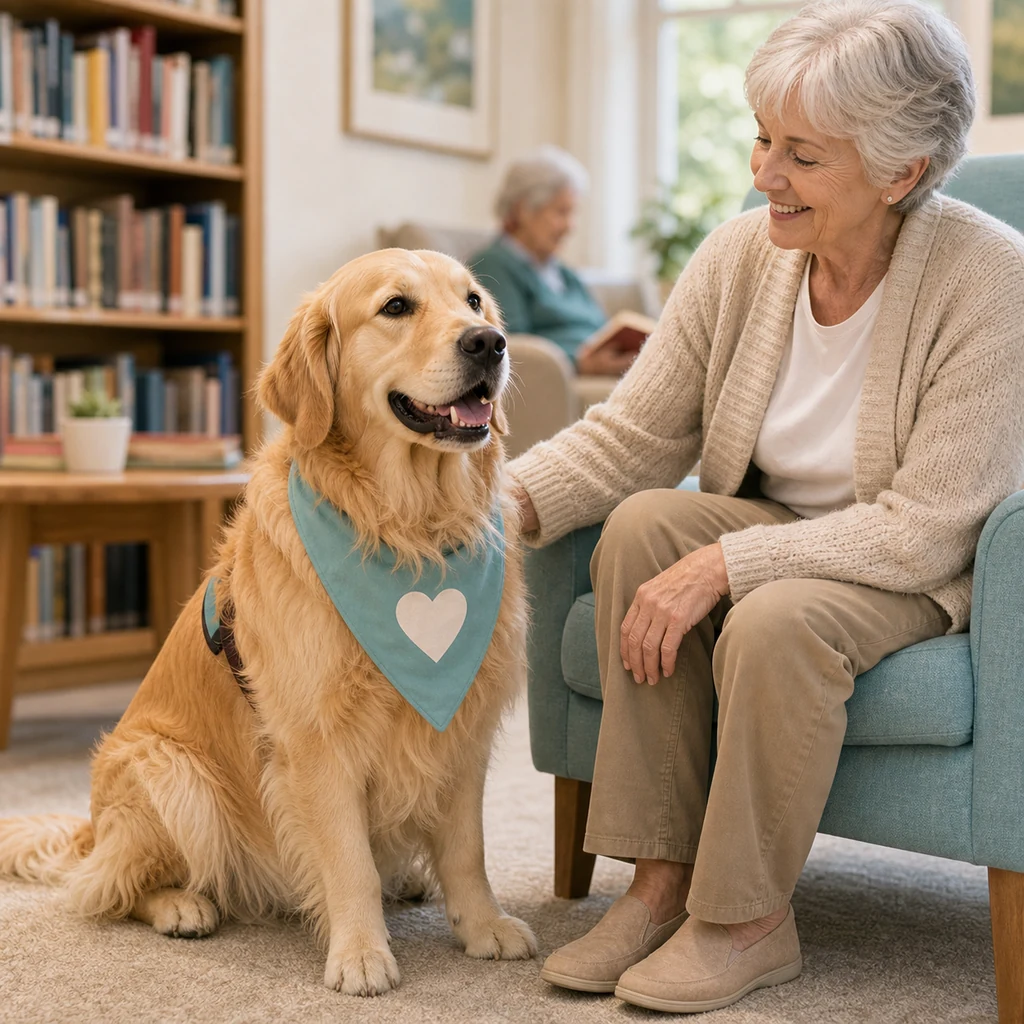 Therapy Dog
 Reading Dog
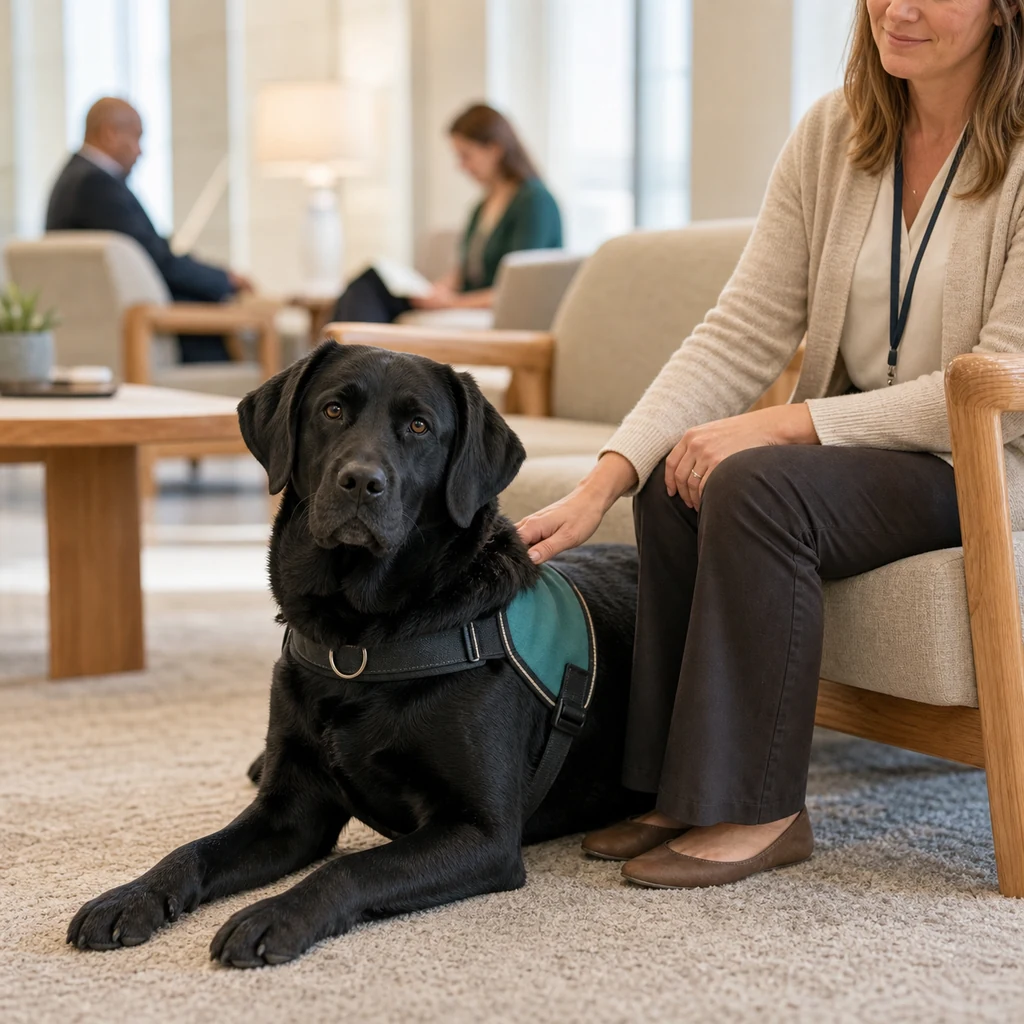 Courthouse Facility Dog
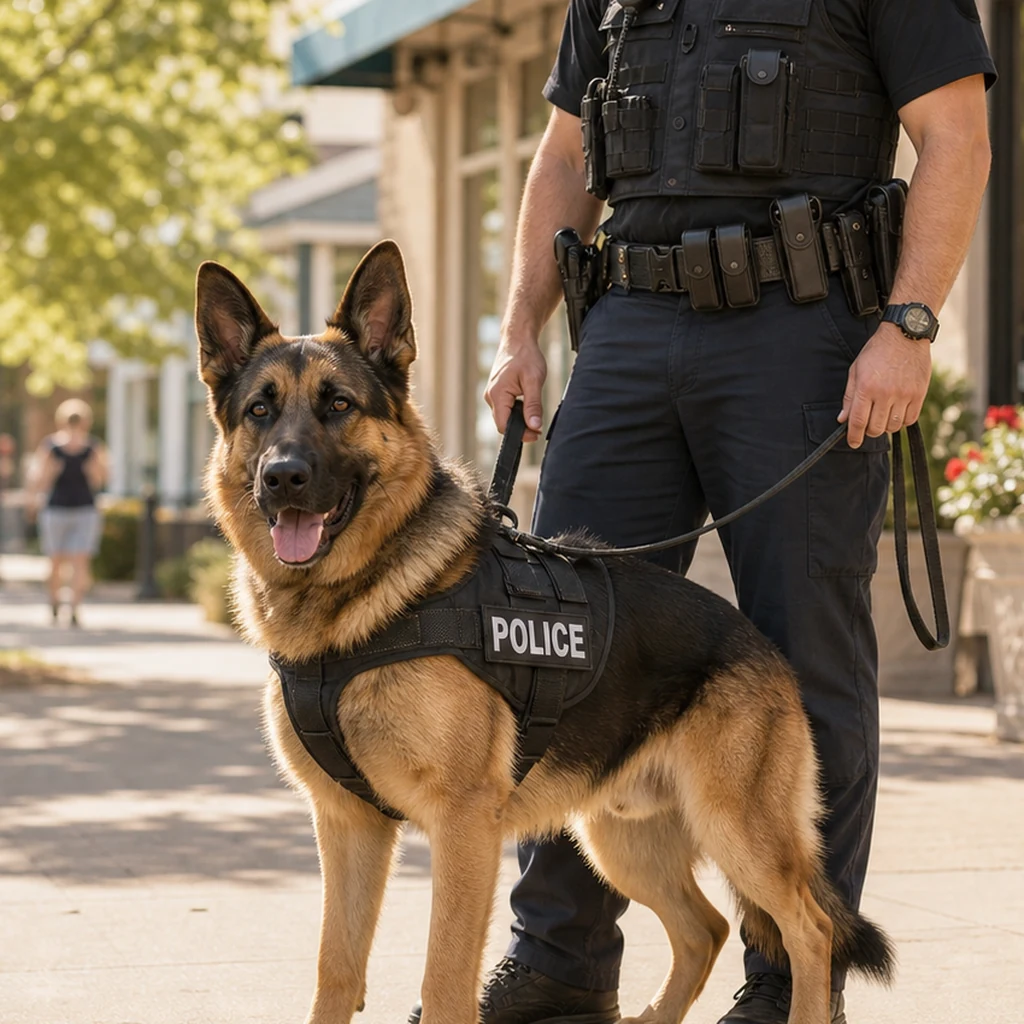 Police Dog
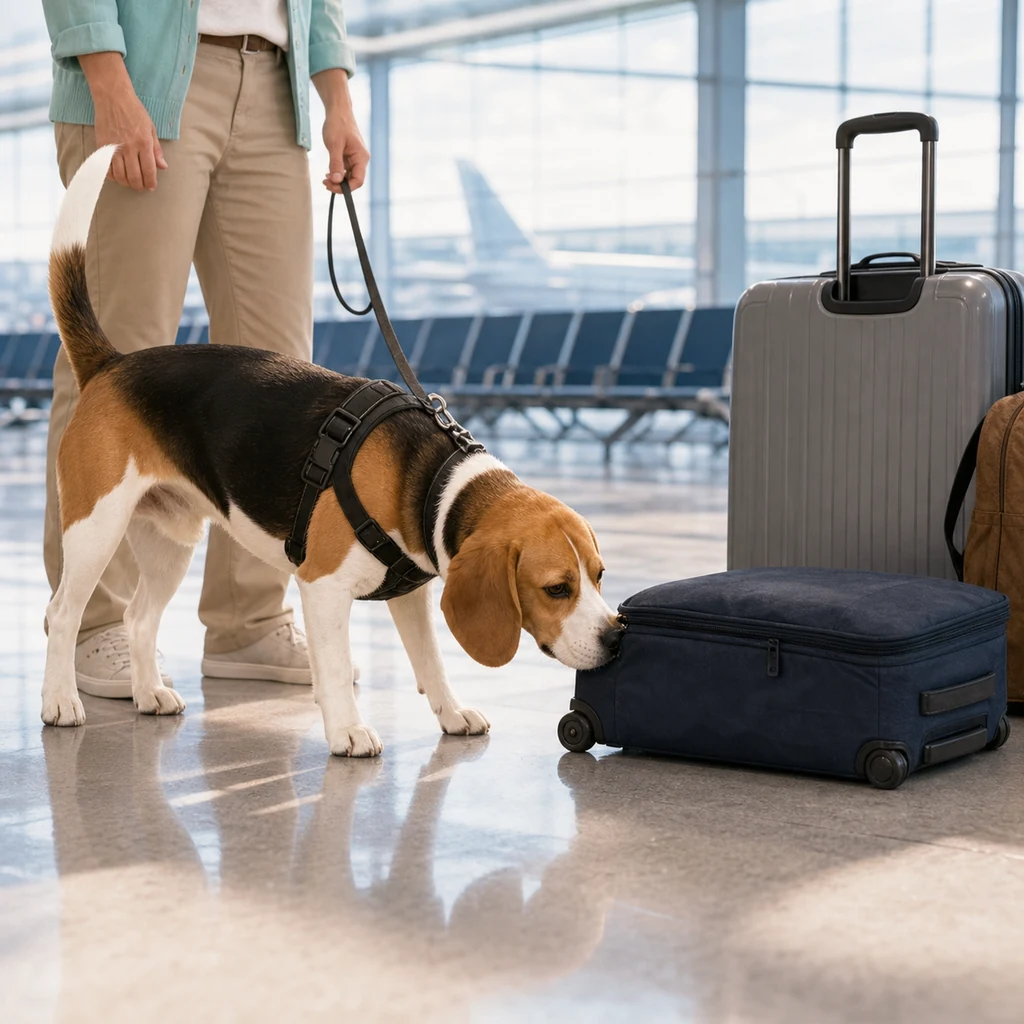 Detection Dog
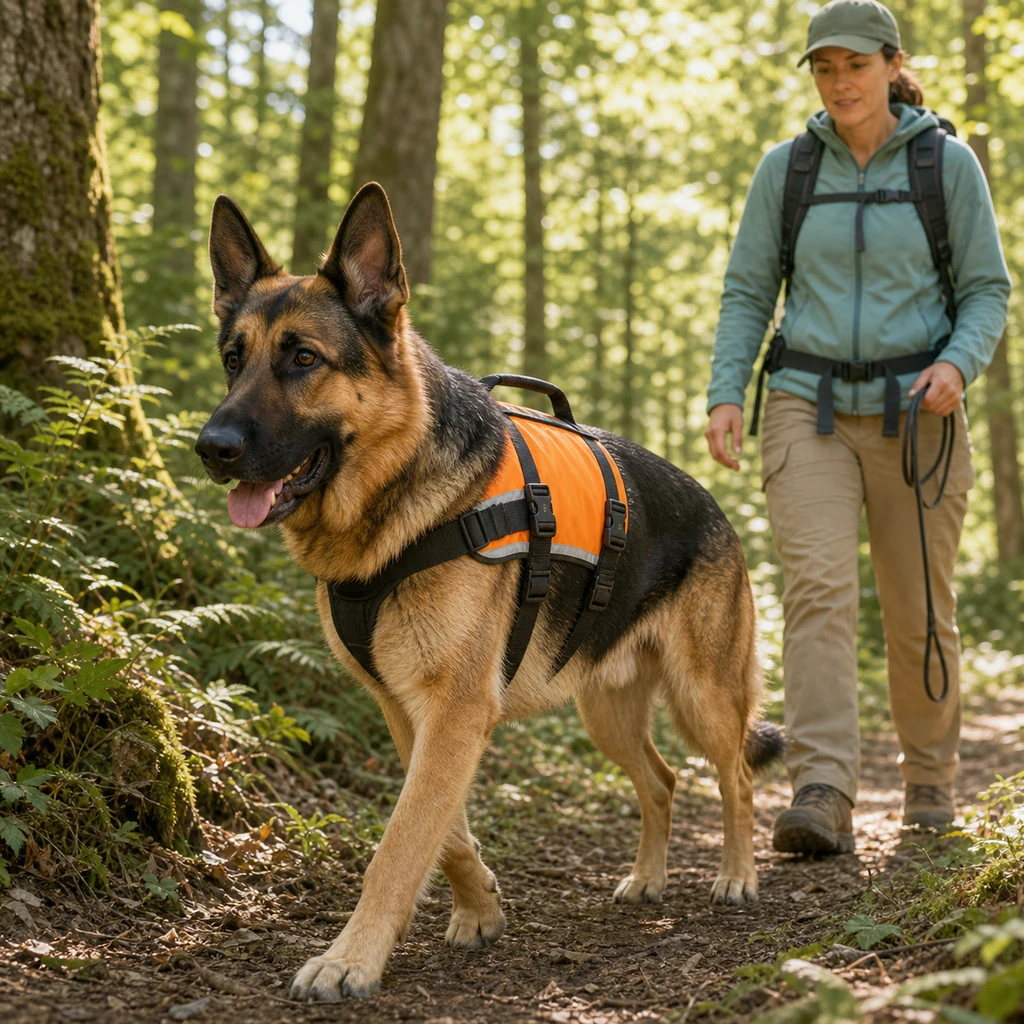 Search and Rescue Dog
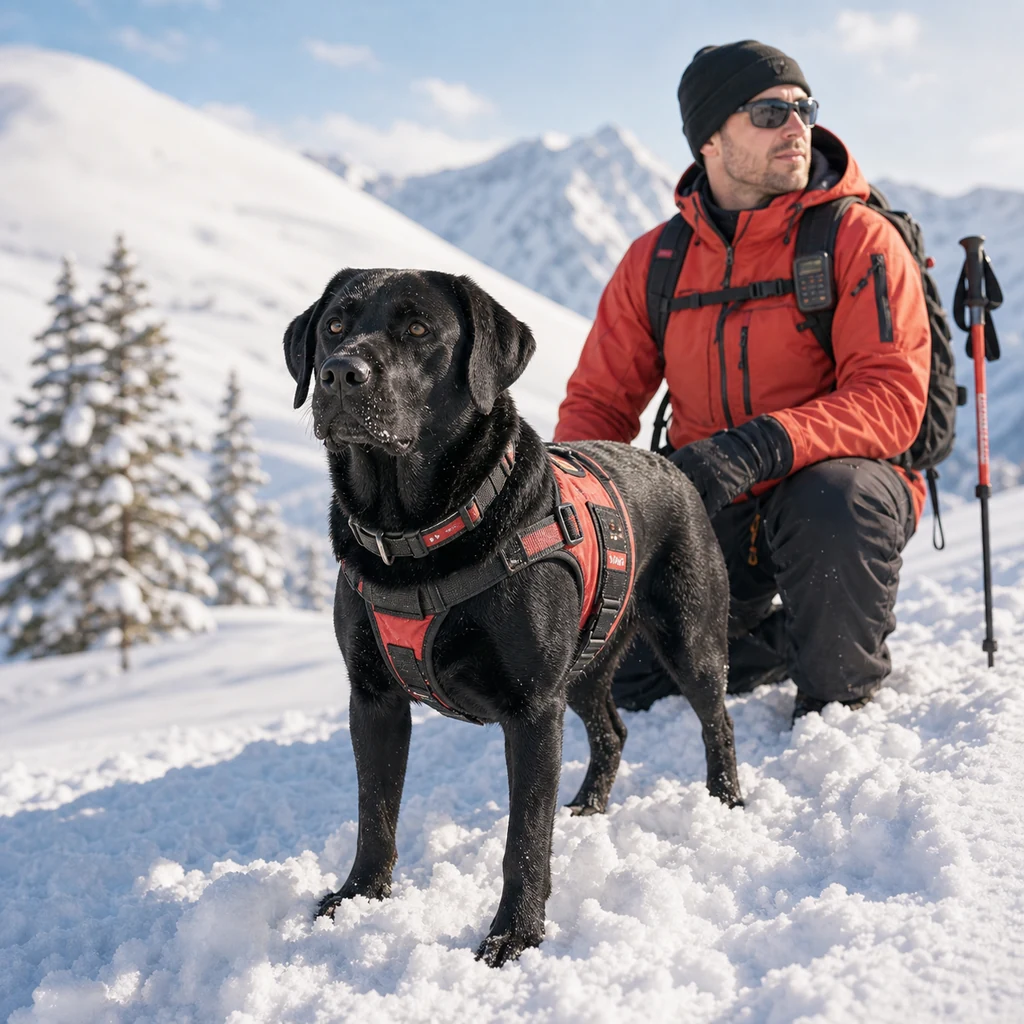 Avalanche Rescue Dog
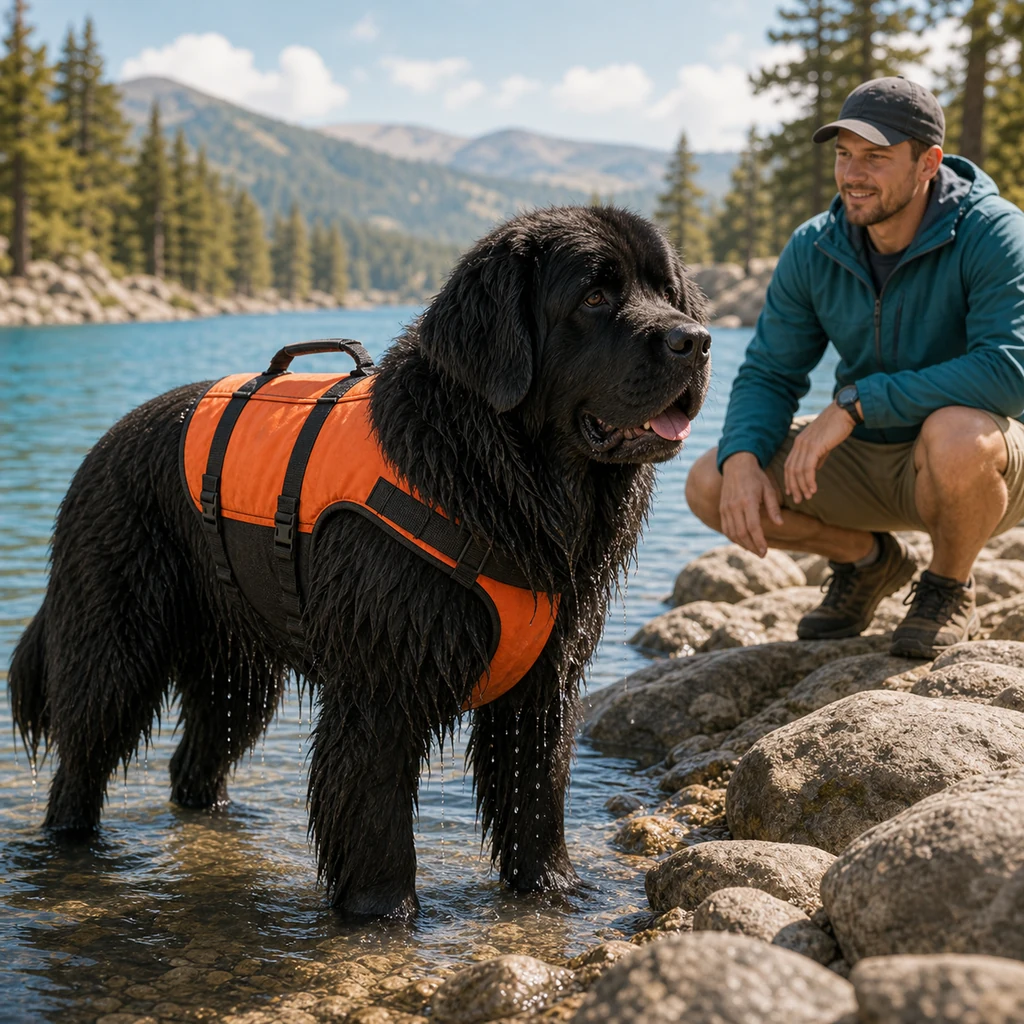 Water Rescue Dog
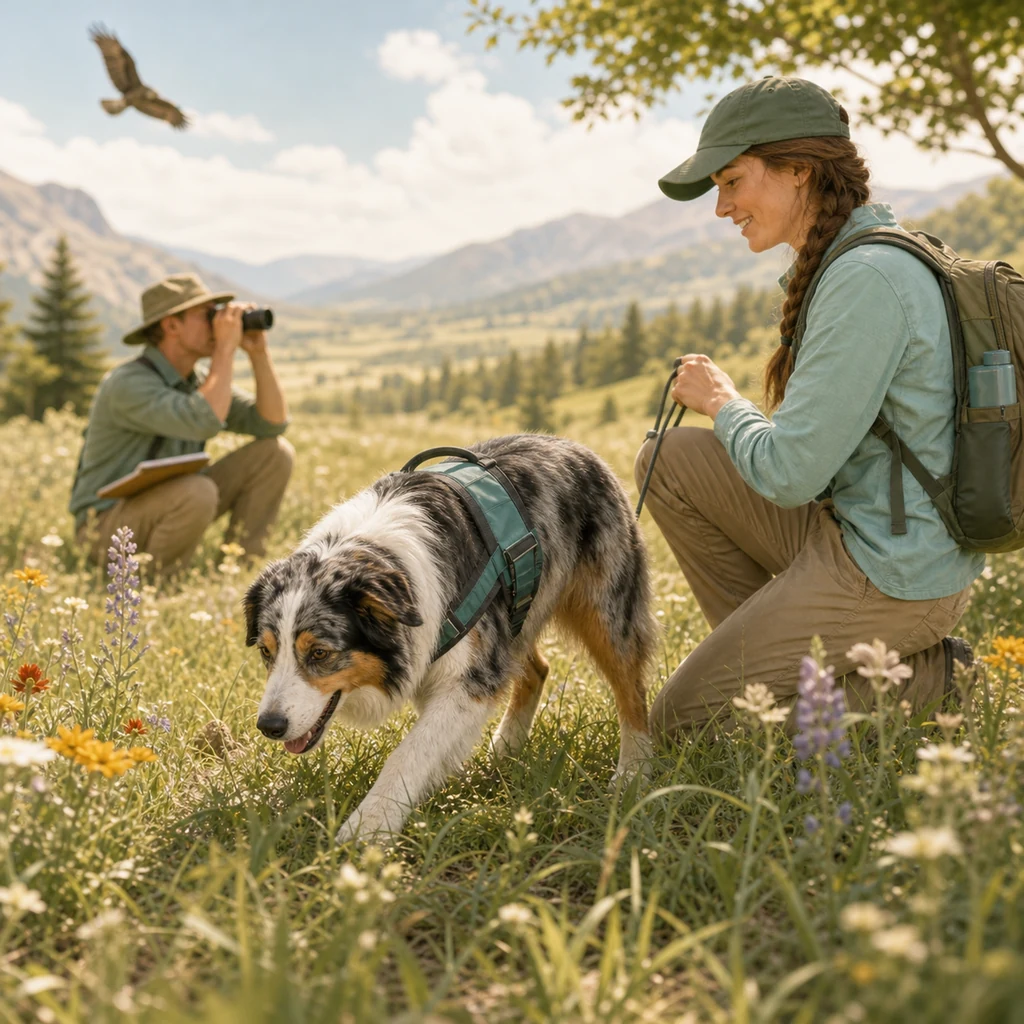 Conservation Dog
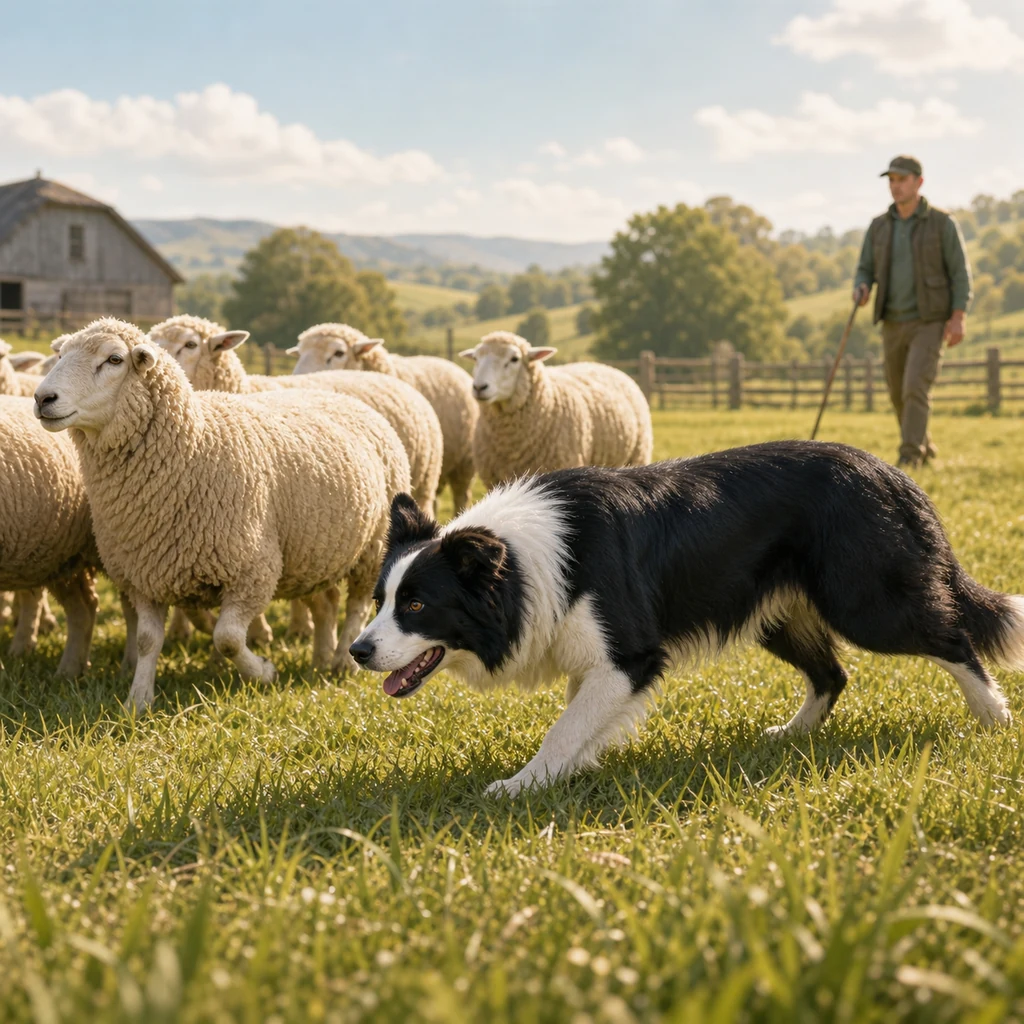 Herding Dog
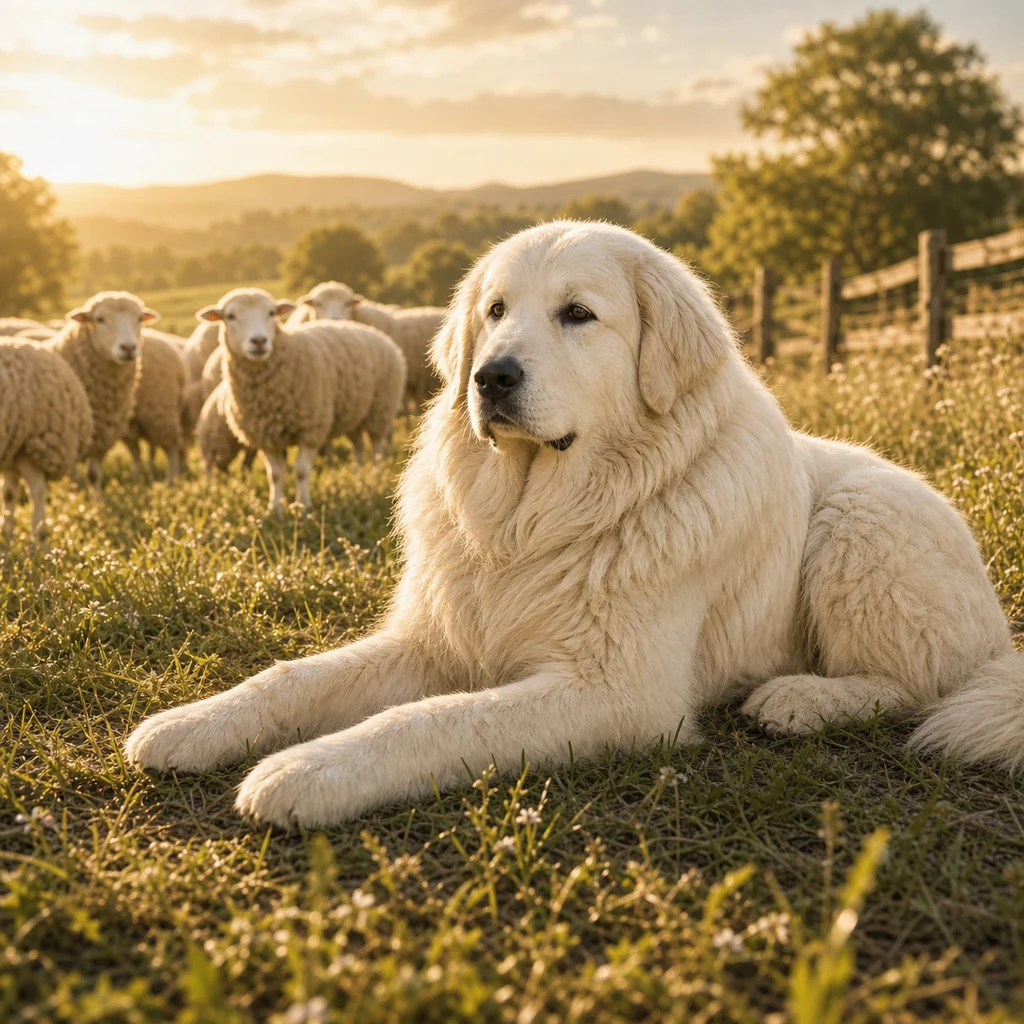 Livestock Guardian Dog
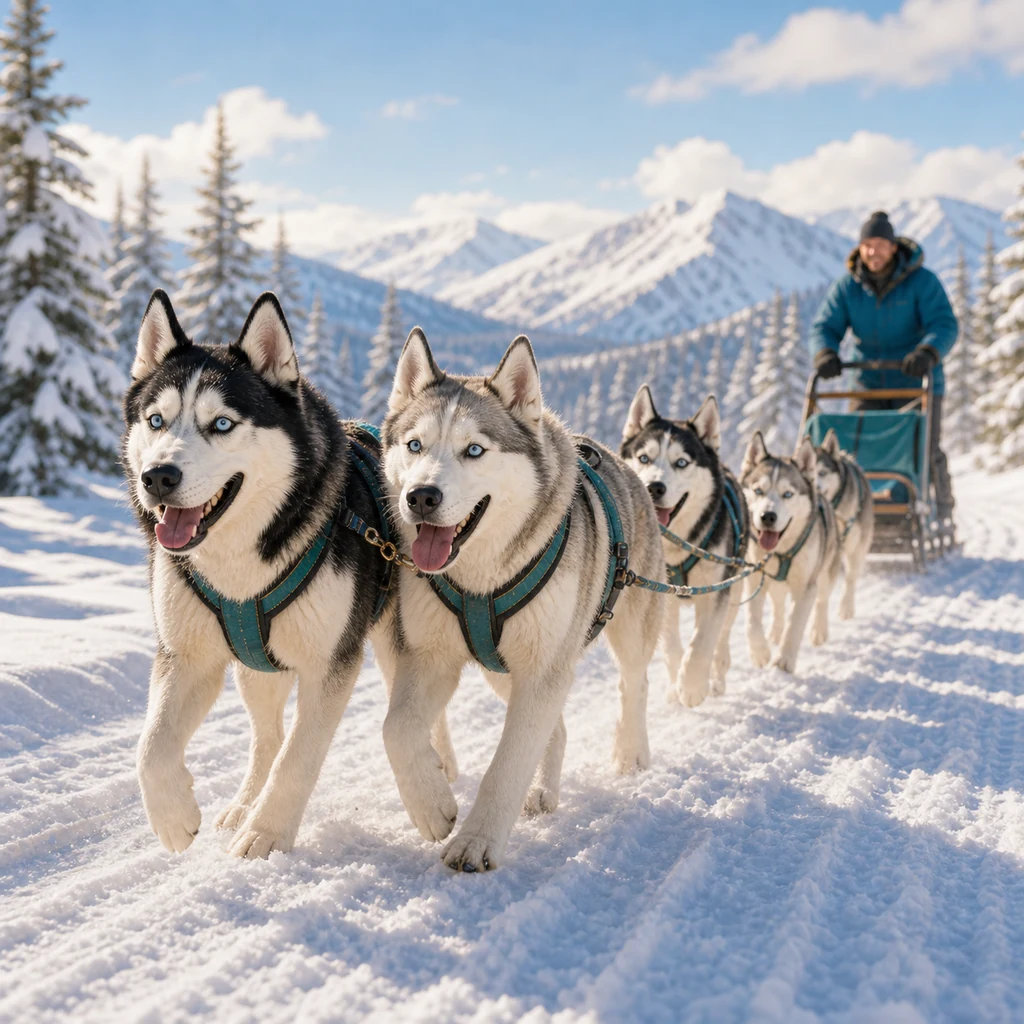 Sled Dog
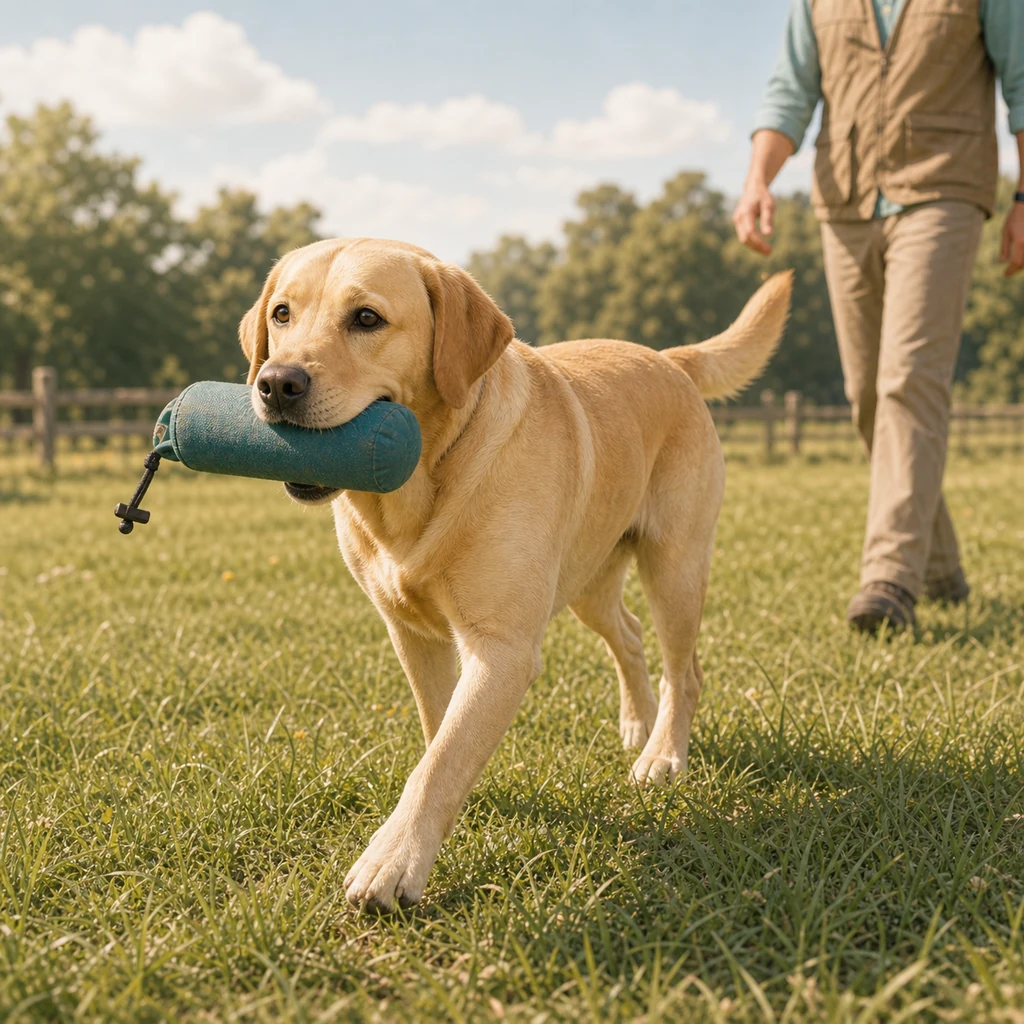 Field Retriever
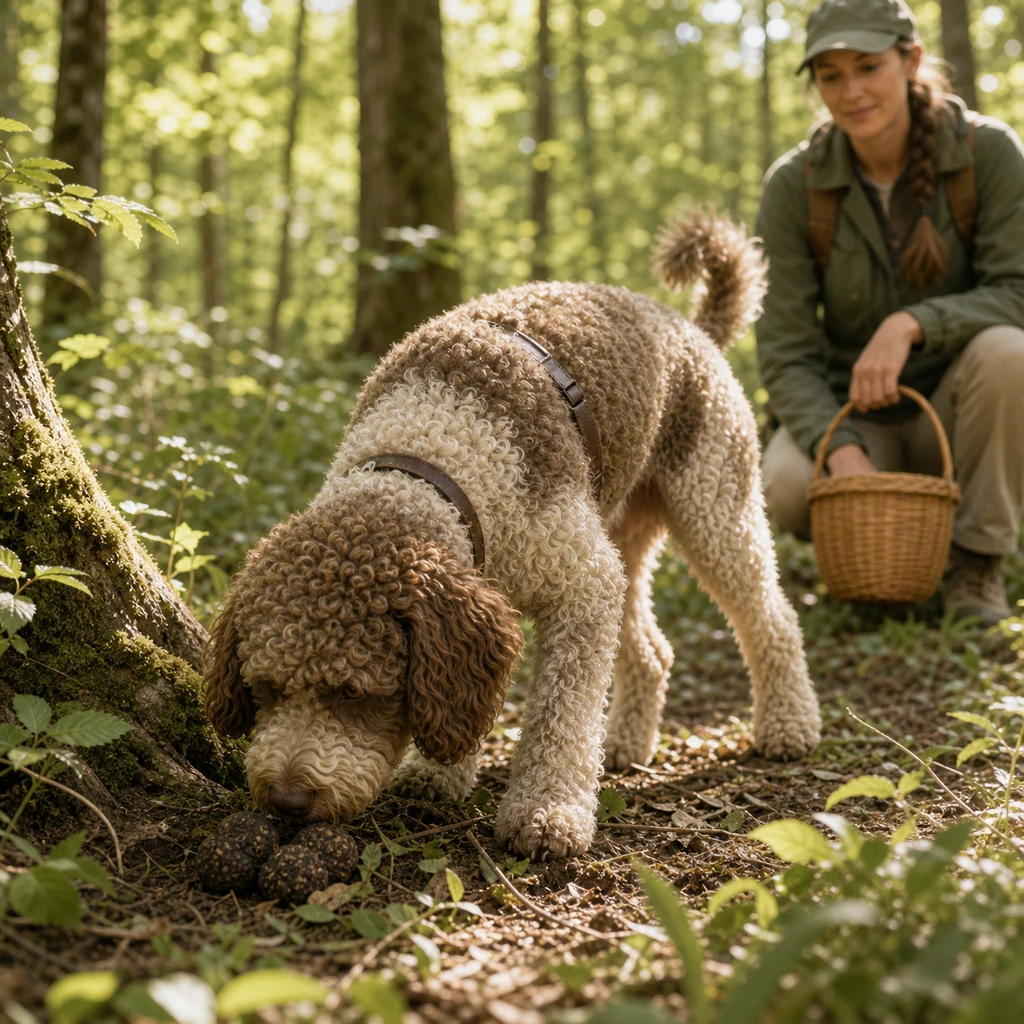 Truffle Hunting Dog
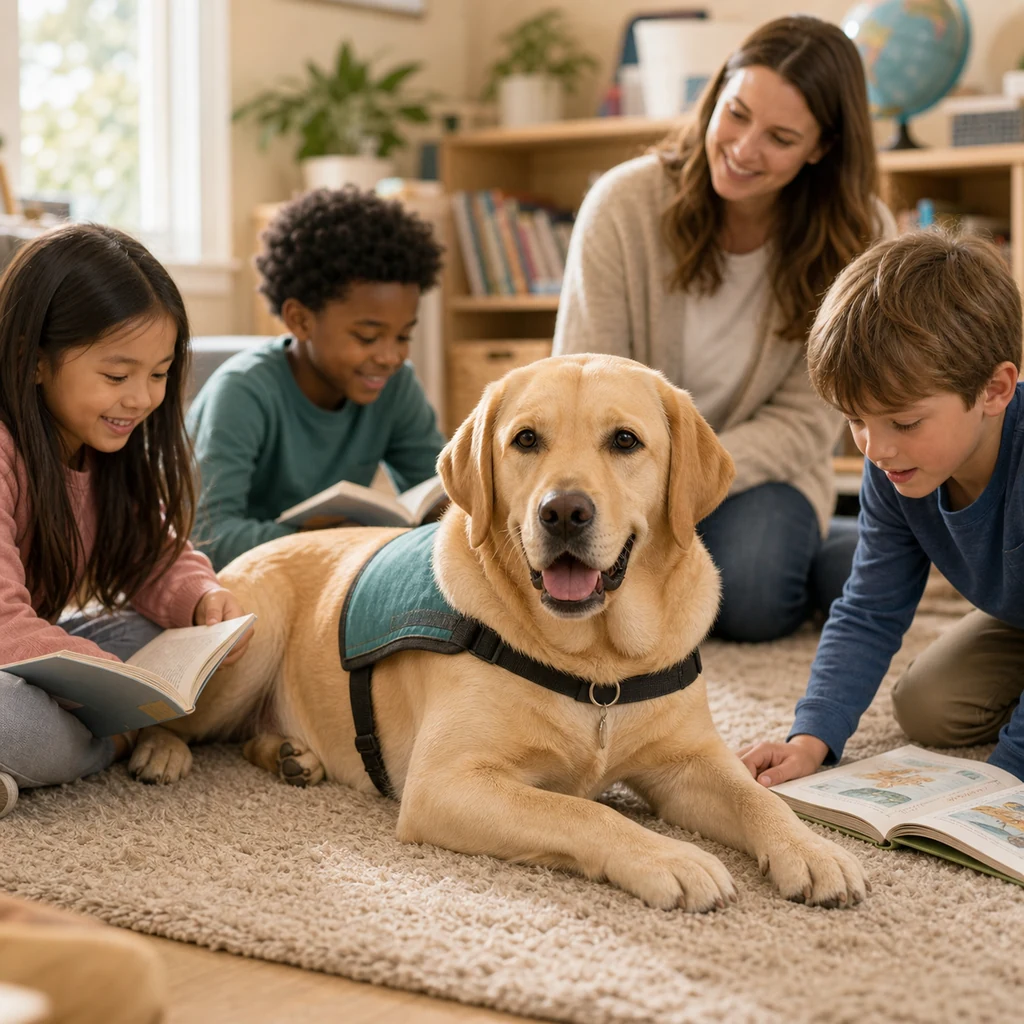 School Dog
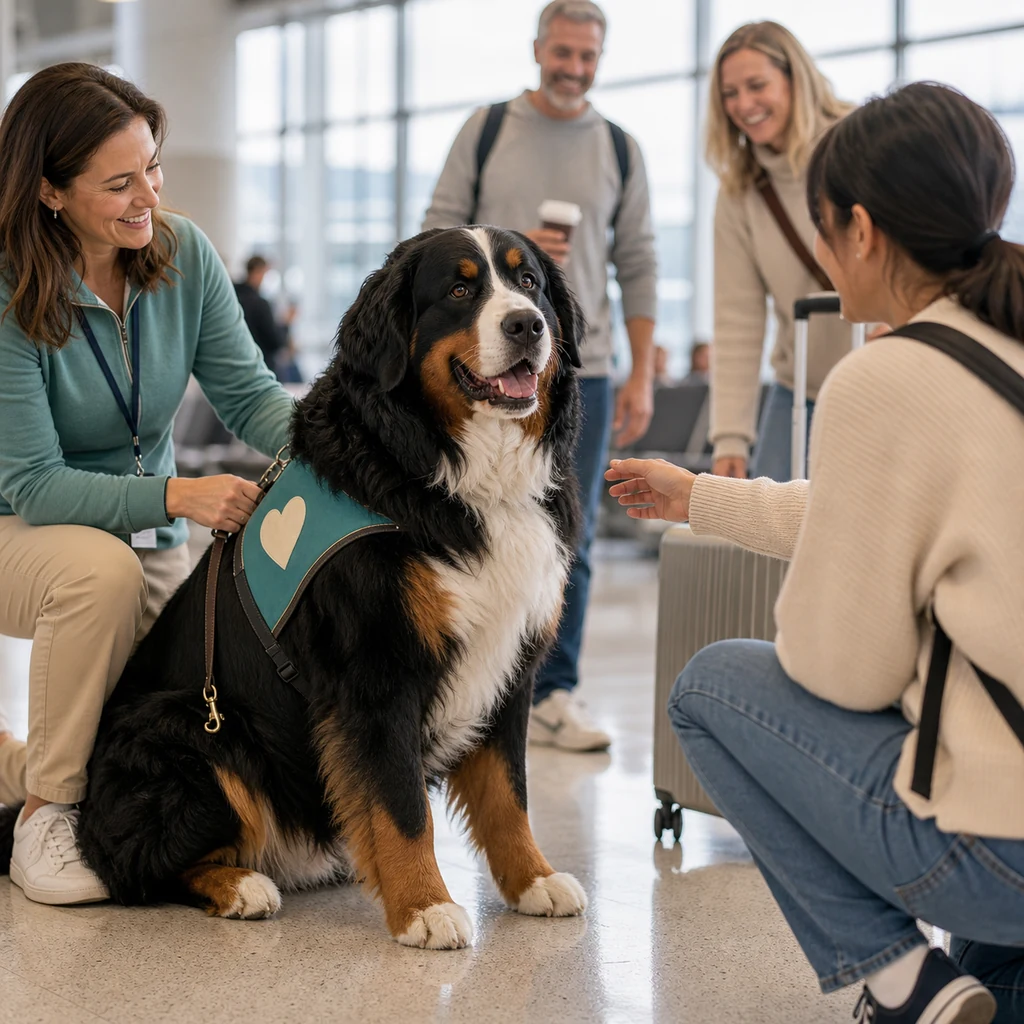 Airport Comfort Dog
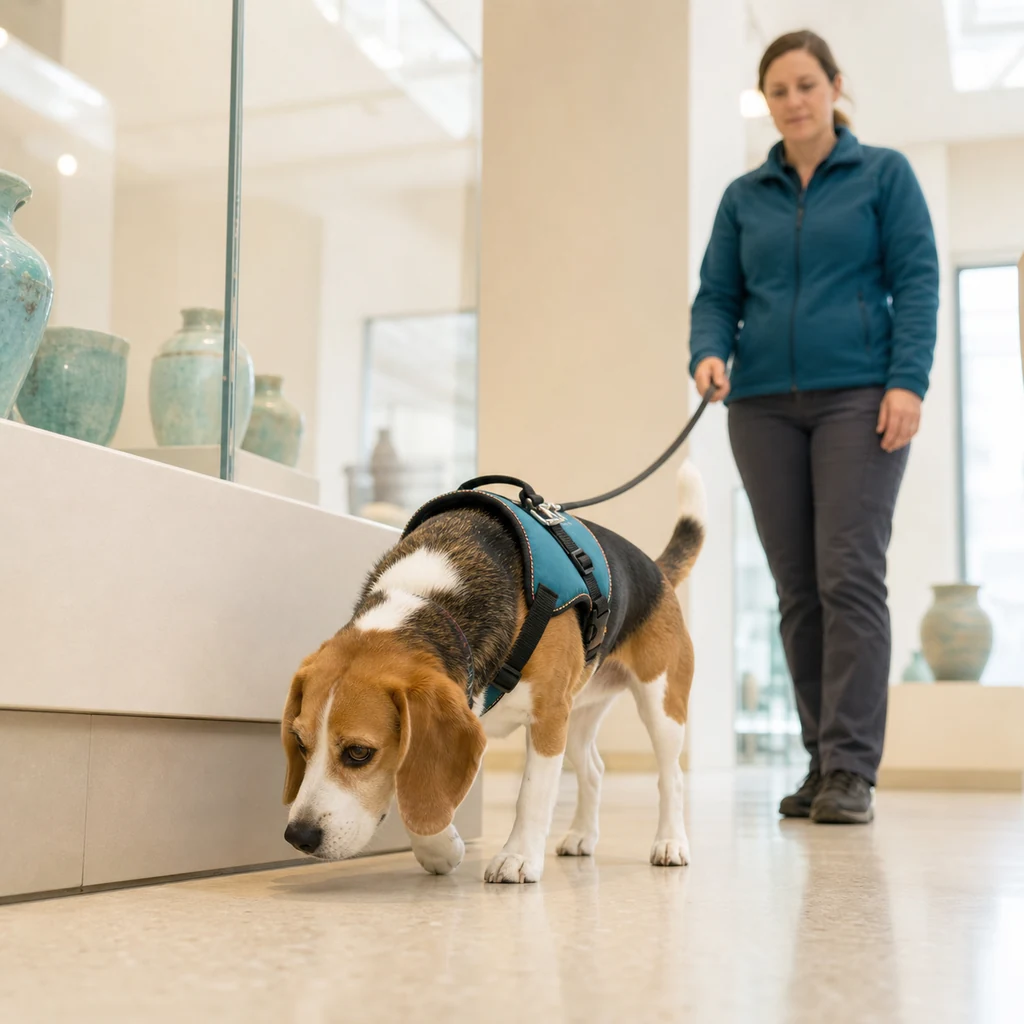 Museum Dog
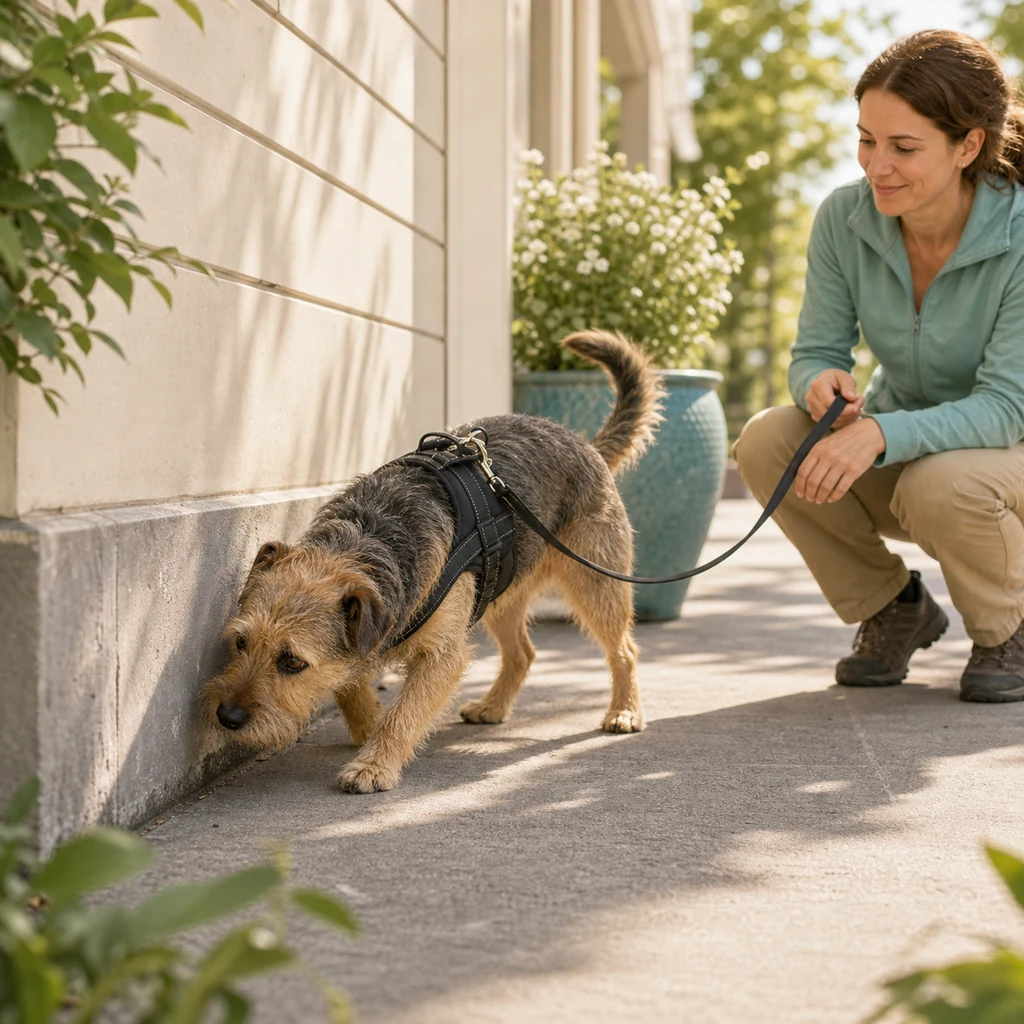 Rat Detection Dog
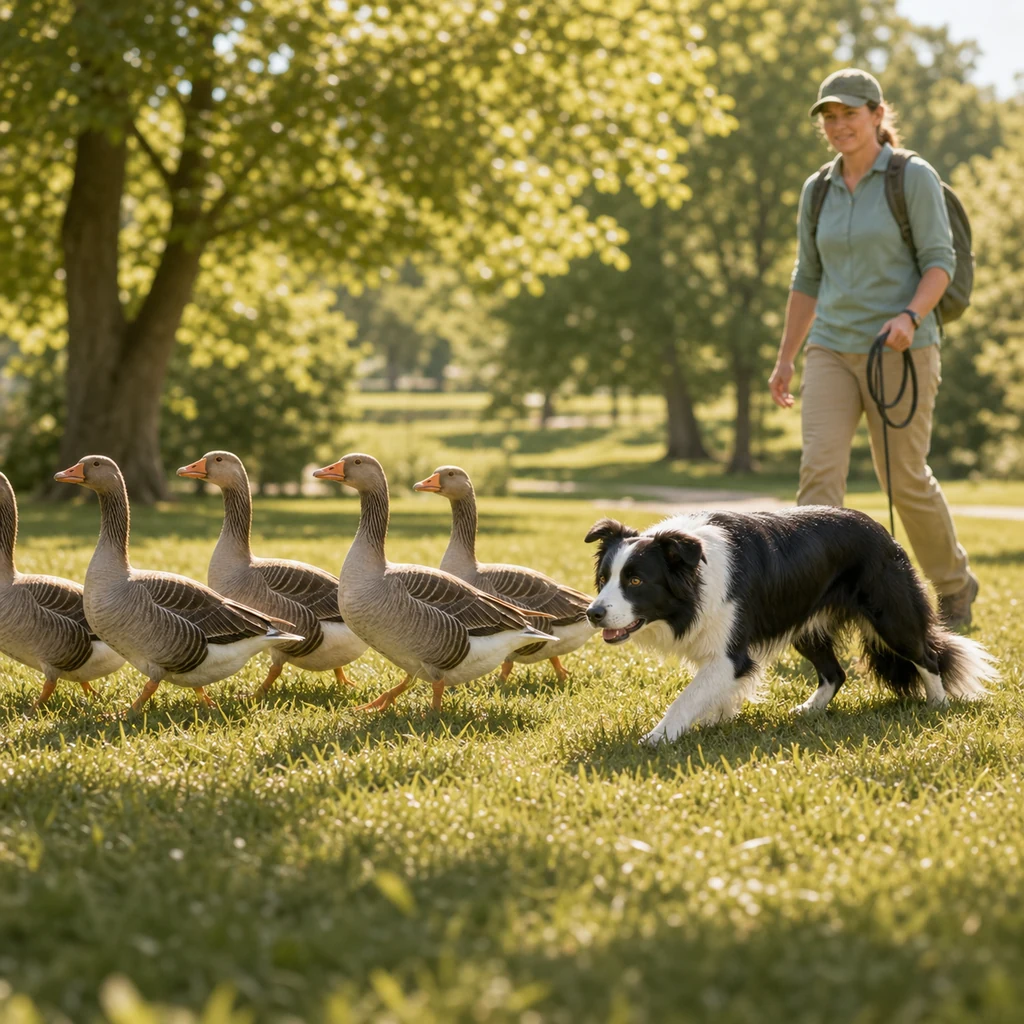 Goose Control Dog