

Updated
Breed guide
German Shorthaired Pointer
Life with a German Shorthaired Pointer usually feels easiest when walks, training, and time with people are part of the normal day.

Energy
Plan for real daily work with a German Shorthaired Pointer: walks, play, training, or a job that uses that busy body.
⚡⚡⚡⚡⚡
Grooming
German Shorthaired Pointer is usually simple to groom, though nails, ears, teeth, and skin still matter.
🧼🧼○○○
Family fit
German Shorthaired Pointer usually does best with families who keep exercise, manners, and supervision part of everyday life.
🏡🏡🏡🏡🏡
Cuddly
German Shorthaired Pointer usually wants to be near the family and included in normal home life.
💛💛💛💛💛
Training ease
German Shorthaired Pointer usually learns quickly when the reward is clear and the lesson feels fair.
🎓🎓🎓🎓🎓
First-time fit
German Shorthaired Pointer can work for a first dog owner who is ready for the breed's daily routine.
🌟🌟🌟🌟○
Apartment fit
Apartment life can work for some German Shorthaired Pointer dogs when exercise, barking, and hallway manners are managed.
🏢🏢🏢○○
Kid-friendly
German Shorthaired Pointer is often lovely with kids when adults teach gentle handling on both sides.
🧸🧸🧸🧸🧸
Shedding
German Shorthaired Pointer sheds some, so plan on regular brushing even if the coat is not difficult.
🍂🍂🍂○○
Watchdog
German Shorthaired Pointer usually notices visitors fast, so early manners around doors and guests help a lot.
🔔🔔🔔🔔○
Food needs
Measured meals help a German Shorthaired Pointer stay lean, which makes exercise and joints easier on the dog.
🥣🥣🥣○○
Intelligence
German Shorthaired Pointer is usually quick to spot patterns, including the ones you did not mean to teach.
🧠🧠🧠🧠🧠
Affection
German Shorthaired Pointer usually bonds closely and likes being part of the household rhythm.
💞💞💞💞💞
Personality
German Shorthaired Pointer is usually active, social, and happiest when the day includes training, movement, and time with its people.
Exercise
Plan on daily exercise and a little brain work. German Shorthaired Pointer is much easier to live with after the body and mind have both had something useful to do.
Training
Training usually goes well when you reward the right choice quickly. German Shorthaired Pointer can learn fast, so be just as careful about the habits you accidentally reward.
Grooming
Routine brushing, nail trims, dental care, and ear checks are enough for most German Shorthaired Pointer homes.
Food
Measured meals matter. Keeping a German Shorthaired Pointer lean protects joints, stamina, and everyday comfort.
Health
Keep growth, joints, weight, and conditioning in mind. A lean, well-muscled German Shorthaired Pointer is usually a happier dog, and your vet can help you plan the right pace.
Useful gear
Affiliate links: Furball Cove may earn from qualifying purchases at no extra cost to you.
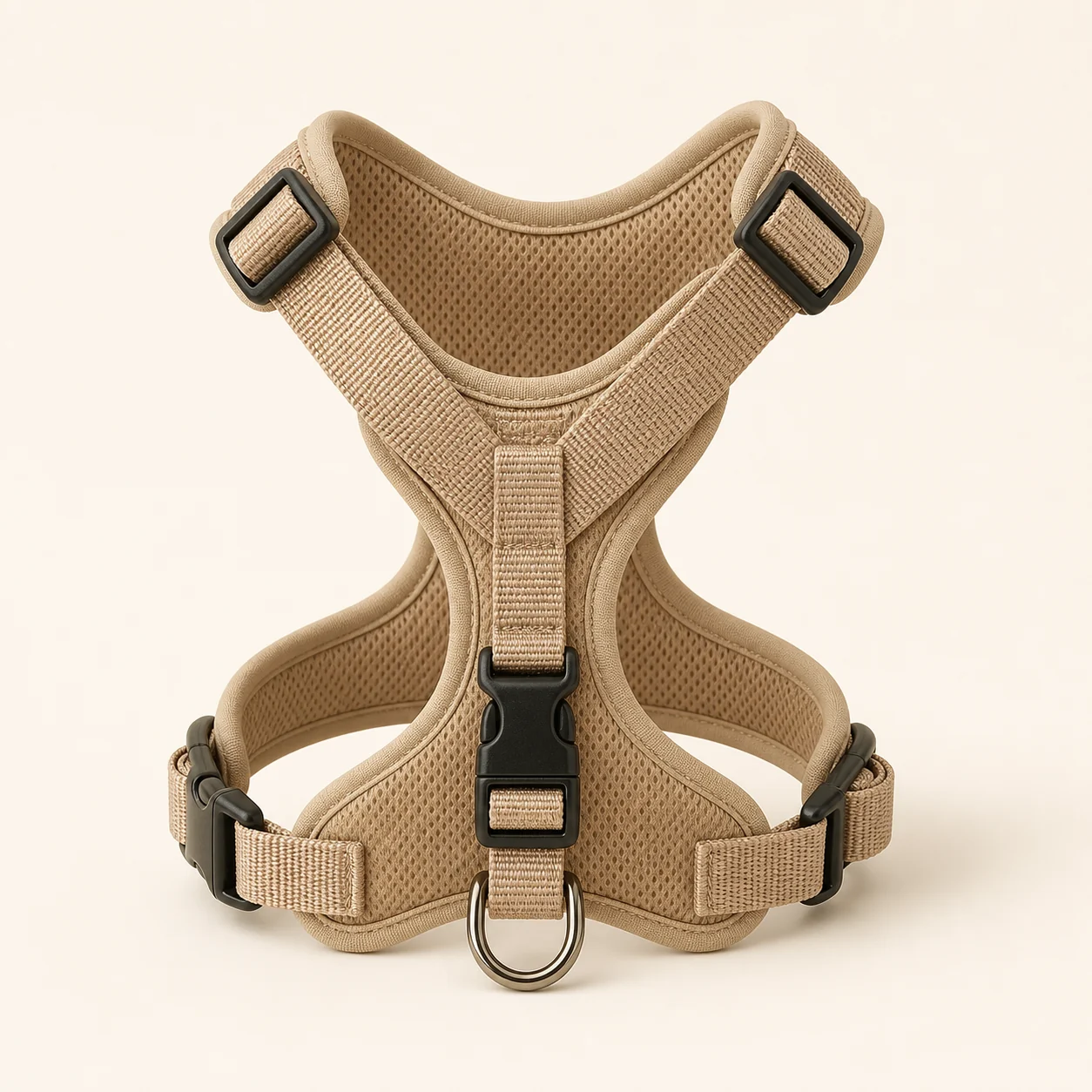
Front-clip harness
A smart walking setup for a German Shorthaired Pointer with forward drive. It gives you more control without making walks feel harsh.
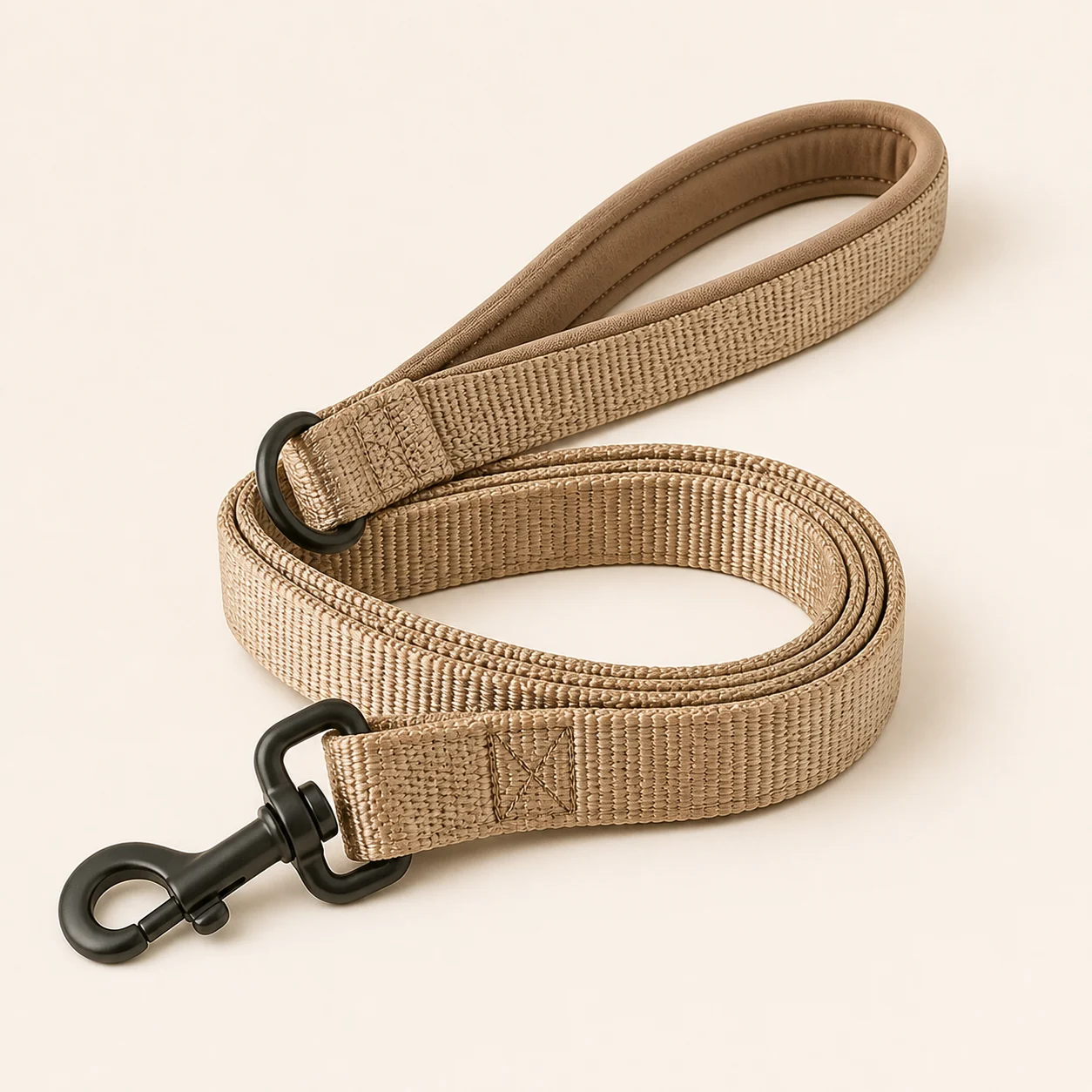
Heavy-duty leash
Worth having for a German Shorthaired Pointer, especially when excitement, strength, or sniffing makes a flimsy leash feel silly.
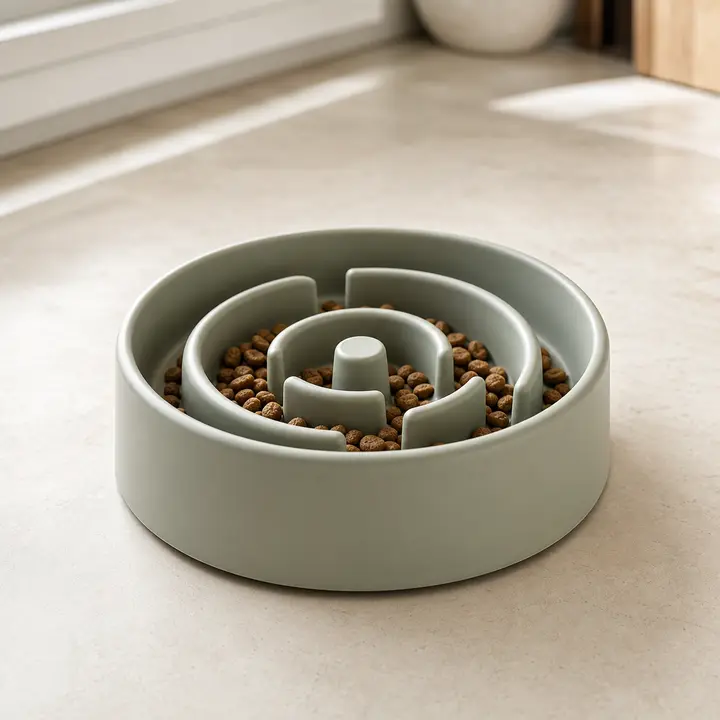
Slow feeder bowl
A smart pick for a food-motivated German Shorthaired Pointer. Slower meals help with manners, weight, and calmer dinners.
German Shorthaired Pointer FAQ
Is a German Shorthaired Pointer a good family dog?
Often, yes, when the daily routine fits the dog. For this breed, the short version is: very good. Training, supervision, and enough exercise still matter.
Does a German Shorthaired Pointer shed?
Moderate. Brush on a routine that matches the coat instead of waiting until the house tells you it is time.
How much exercise does a German Shorthaired Pointer need?
Daily walk plus play. Most dogs do best when walks, play, and a little training are part of the same daily rhythm.
Related dogs
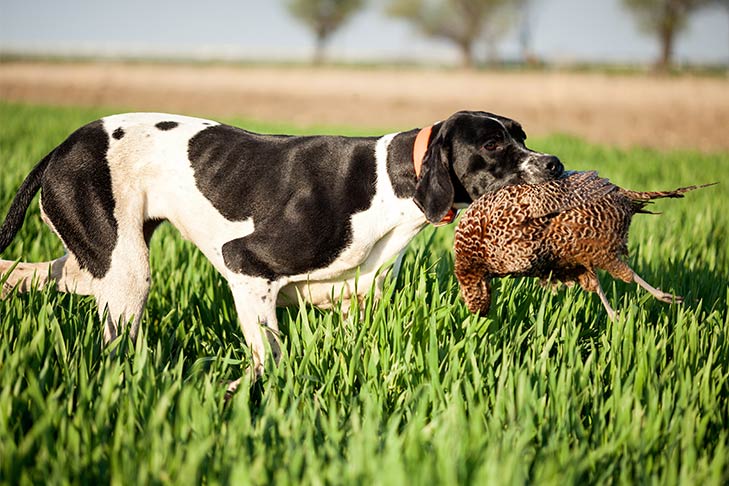
English Pointer
Compare this medium to large dog if you like a related breed type but want to weigh daily care and temperament.
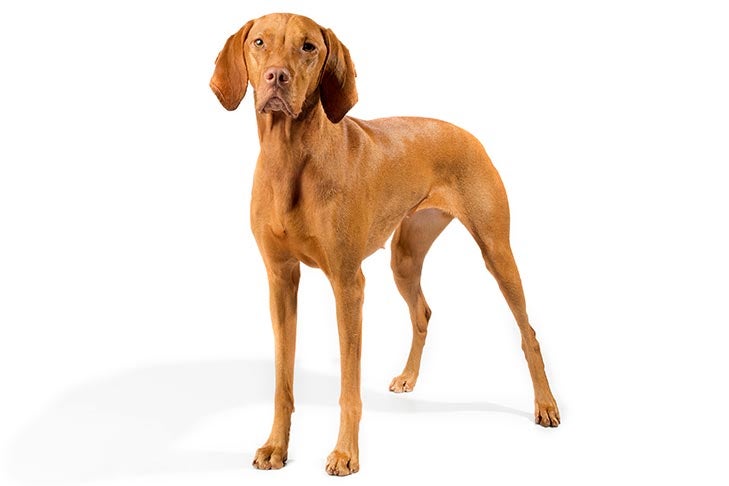
Vizsla
Compare this large dog if you like a related breed type but want to weigh daily care and temperament.
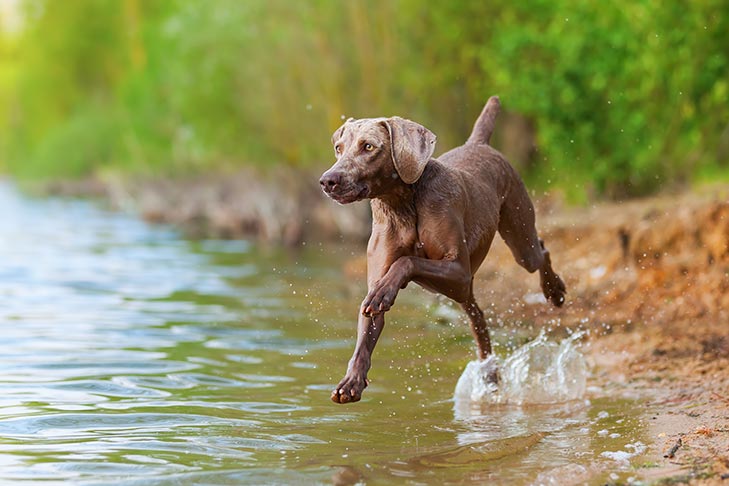
Weimaraner
Compare this large dog if you like a related breed type but want to weigh daily care and temperament.
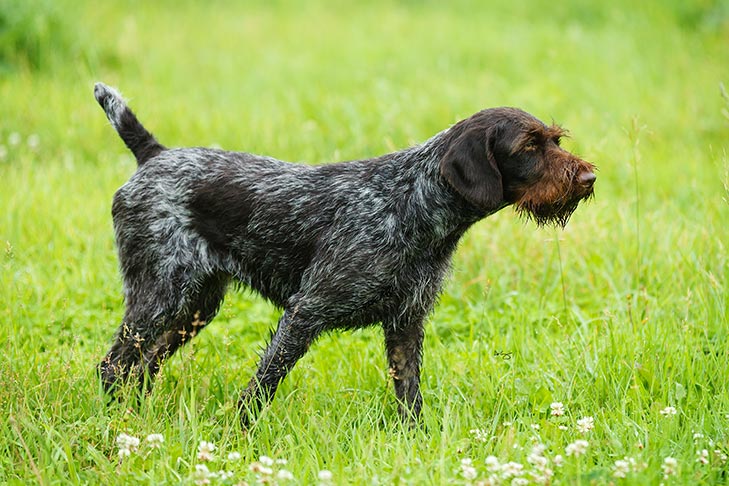
German Wirehaired Pointer
Compare this large dog if you like a related breed type but want to weigh daily care and temperament.