Most rabbits do not need a stroller. A secure carrier and calm indoor routine matter more; consider a stroller only if it solves a specific transport problem without heat, noise, escape, or predator stress.
Rabbit supplies should earn their space in the daily routine. The best choice is the one that makes hay, litter, traction, chewing, transport, hiding, water, or cleanup easier tomorrow.
Ask what the stroller solves
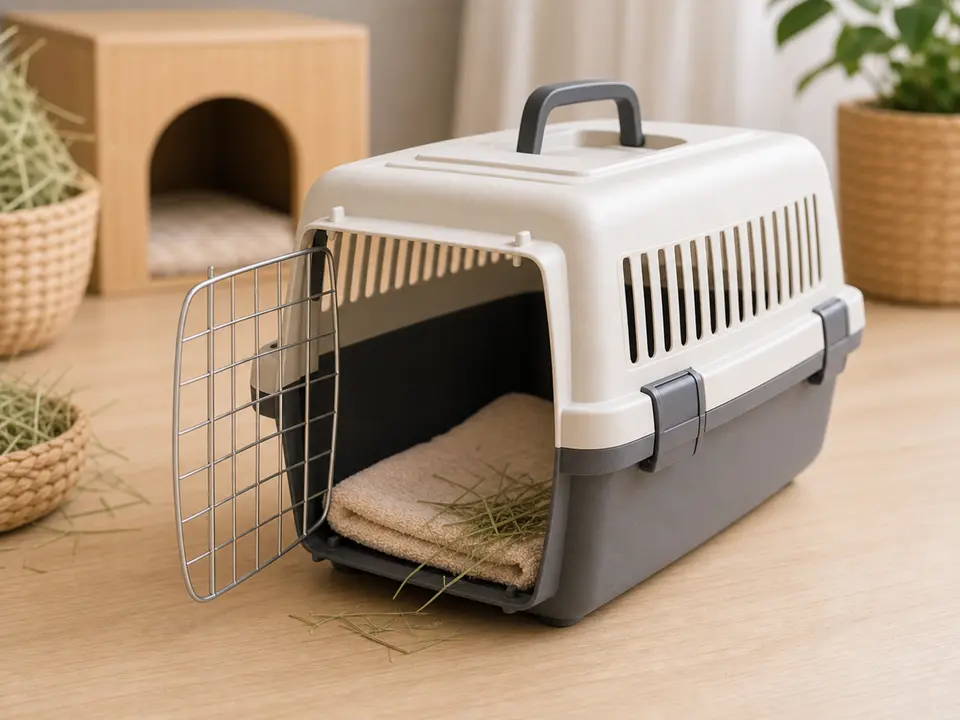
Most rabbits do not need a stroller. A secure carrier and calm indoor routine matter more; consider a stroller only if it solves a specific transport problem without heat, noise, escape, or predator stress. If the real need is a vet trip, a secure hard-sided carrier is usually the better first purchase.
A stroller should not turn a rabbit into a walking accessory or add outdoor stress for no clear benefit.
Before buying, picture this item after real hay dust, fur, water drips, litter scatter, and a rabbit testing the edges. The best supply still makes sense after a week of normal use, not just on the day it arrives.
Think like a prey animal
Street noise, dogs, heat, vibration, and unfamiliar smells can be a lot for a rabbit.
A rabbit who looks still is not always relaxed, so do not judge comfort by quietness alone.
Fit and placement matter as much as the product. A simple piece in the right spot often works better than a clever piece that crowds movement, blocks a path, or makes cleanup harder.
Choose security over cuteness
If you truly need wheeled transport, look for secure closures, shade, ventilation, a stable base, and room for a towel without sliding.
Avoid anything a rabbit can push open, chew through, or overheat inside.
Watch your rabbit's answer once the item is in the room. Drinking, hopping, resting, chewing safer things, and easier cleanup are better signals than the product photo or the packaging promise.
Practice indoors first
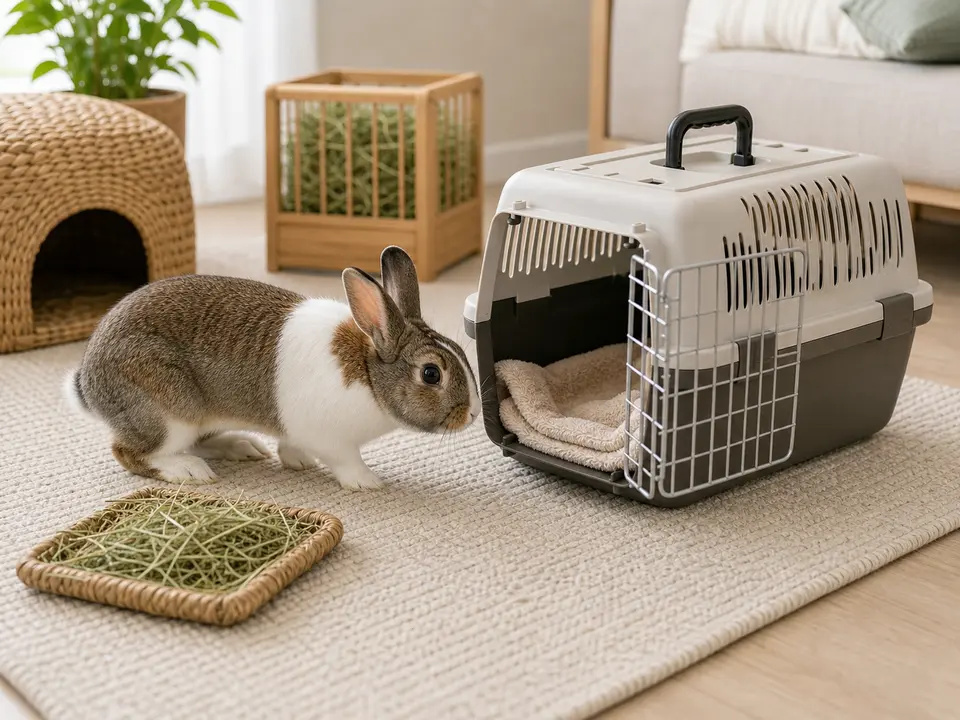
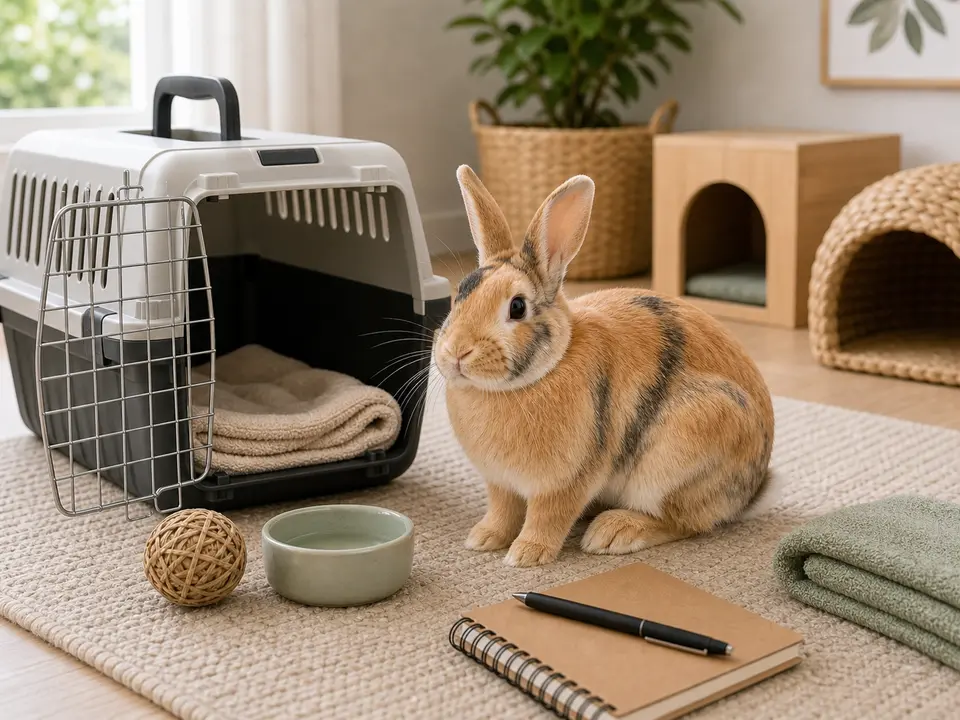
Let your rabbit explore the carrier or stroller setup indoors before movement, travel, or appointment pressure.
Tiny calm steps tell you more than one big outdoor test.
Keep the setup calm enough to repeat on a tired weekday. Premium rabbit care usually looks simple: fewer pieces, better placement, and no surprise hazards at floor level or cleanup time.
Skip it if the routine gets worse
If your rabbit hides, refuses food afterward, overheats, freezes hard, or panics around the setup, the stroller is not helping.
A premium rabbit setup should make care calmer, not create a new problem to manage.
If the item creates stress, mess, or avoidance, change the setup quickly. Supplies should make the easy behavior obvious rather than giving your rabbit another problem to solve each day.
Before you decide
What changed recently?
Can your rabbit choose a quiet retreat?
Are hay, water, litter, and footing easy?
Is this normal for your individual rabbit?
Next best moves
Make one small change.
Watch what your rabbit chooses next.
Keep the setup calm enough to repeat tomorrow.
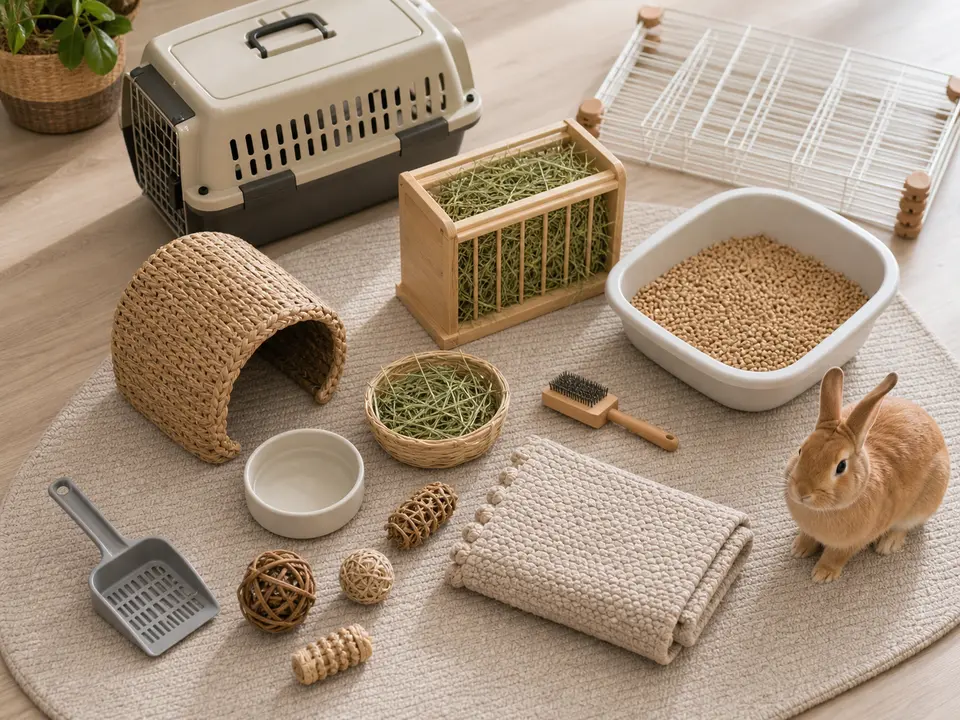
Helpful rabbit supplies
These are practical pieces for the routine, not clutter to buy all at once.
Affiliate links: Furball Cove may earn from qualifying purchases at no extra cost to you.
Most rabbits do not need a stroller. A secure carrier and calm indoor routine matter more; consider a stroller only if it solves a specific transport problem without heat, noise, escape, or predator stress.
What should I change first?
Choose one small setup change that makes the daily routine easier: closer hay, better traction, a calmer hideout, a larger box, or a shorter handling session.
When should I get extra help?
If your rabbit stops eating or pooping, seems painful, breathes strangely, or changes suddenly, call a rabbit-savvy vet. For bonding or handling problems, an experienced rabbit rescue can also help.