What the name really means
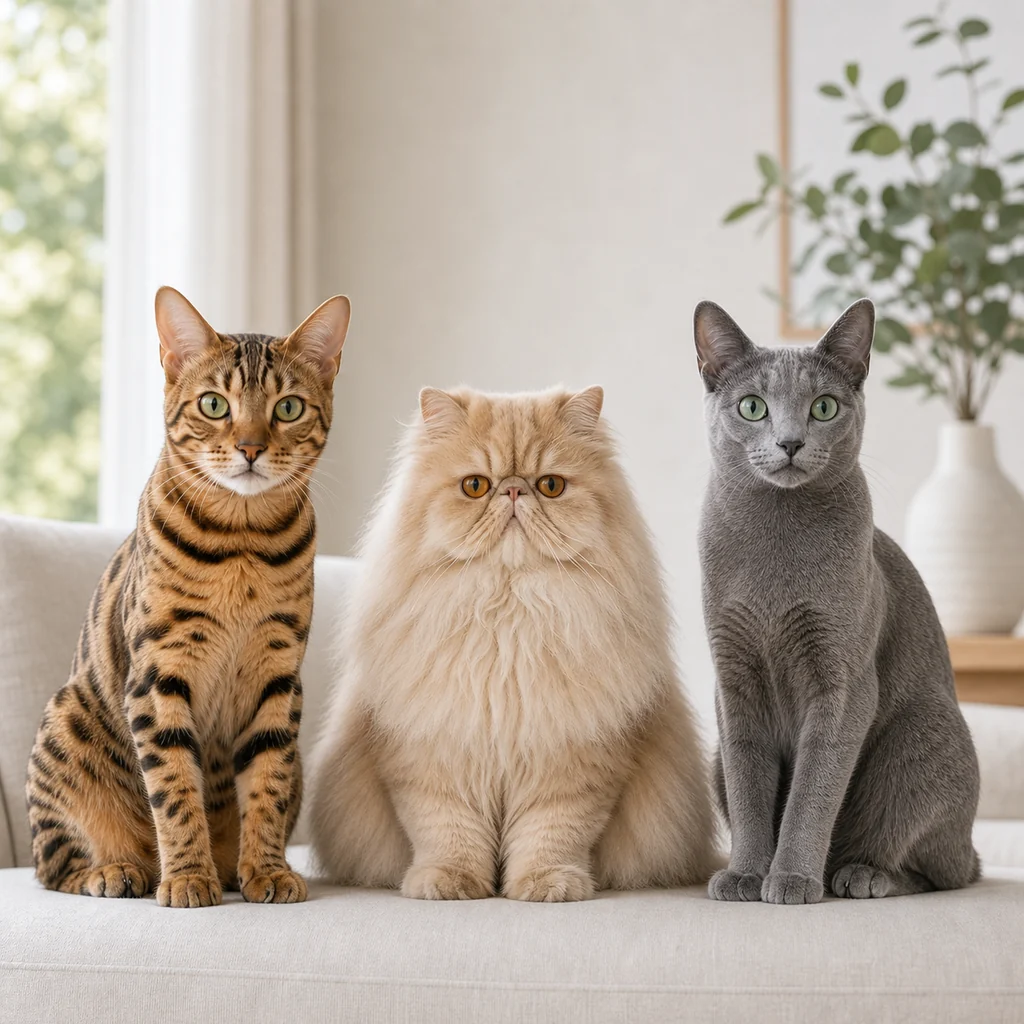
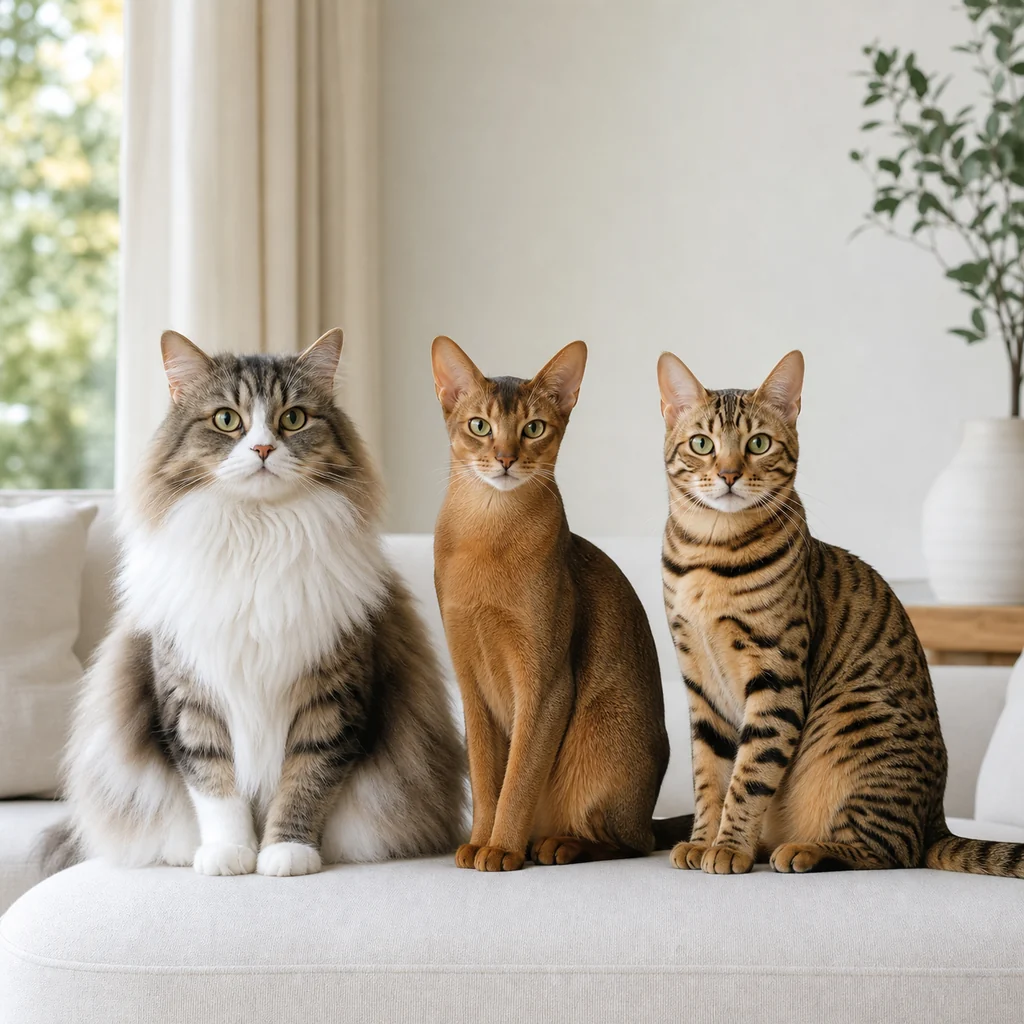
Compare Russian Blue, British Shorthair, Chartreux, Norwegian Forest Cat, Egyptian Mau, and some adult shelter cats.
Updated
Choosing a cat
Independent cats are not uncaring; they often need respectful routines and less pressure.
This can be a good fit if you like cats who choose closeness on their own schedule.
Compare Russian Blue, British Shorthair, Chartreux, Norwegian Forest Cat, Egyptian Mau, and some adult shelter cats.
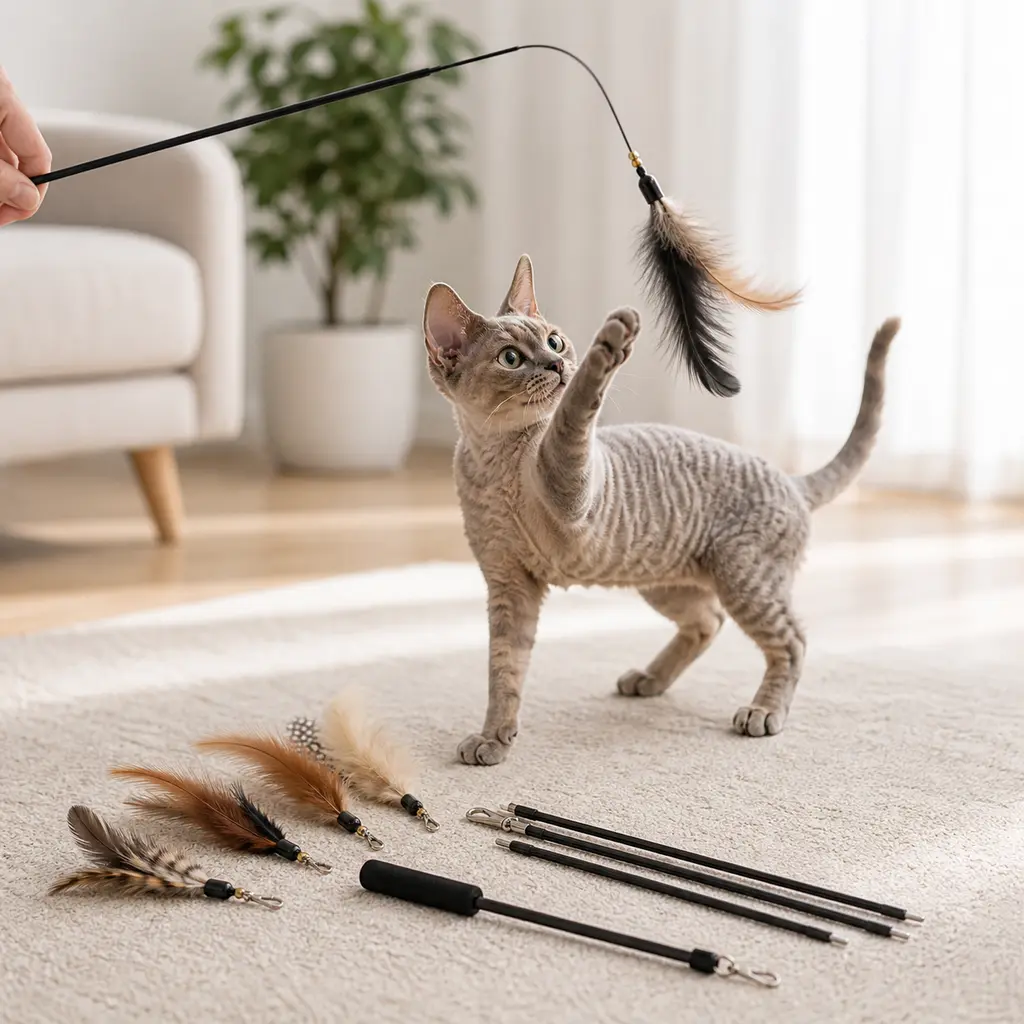
Independent cats may enjoy being nearby without constant handling. They still need play, observation, and predictable care.
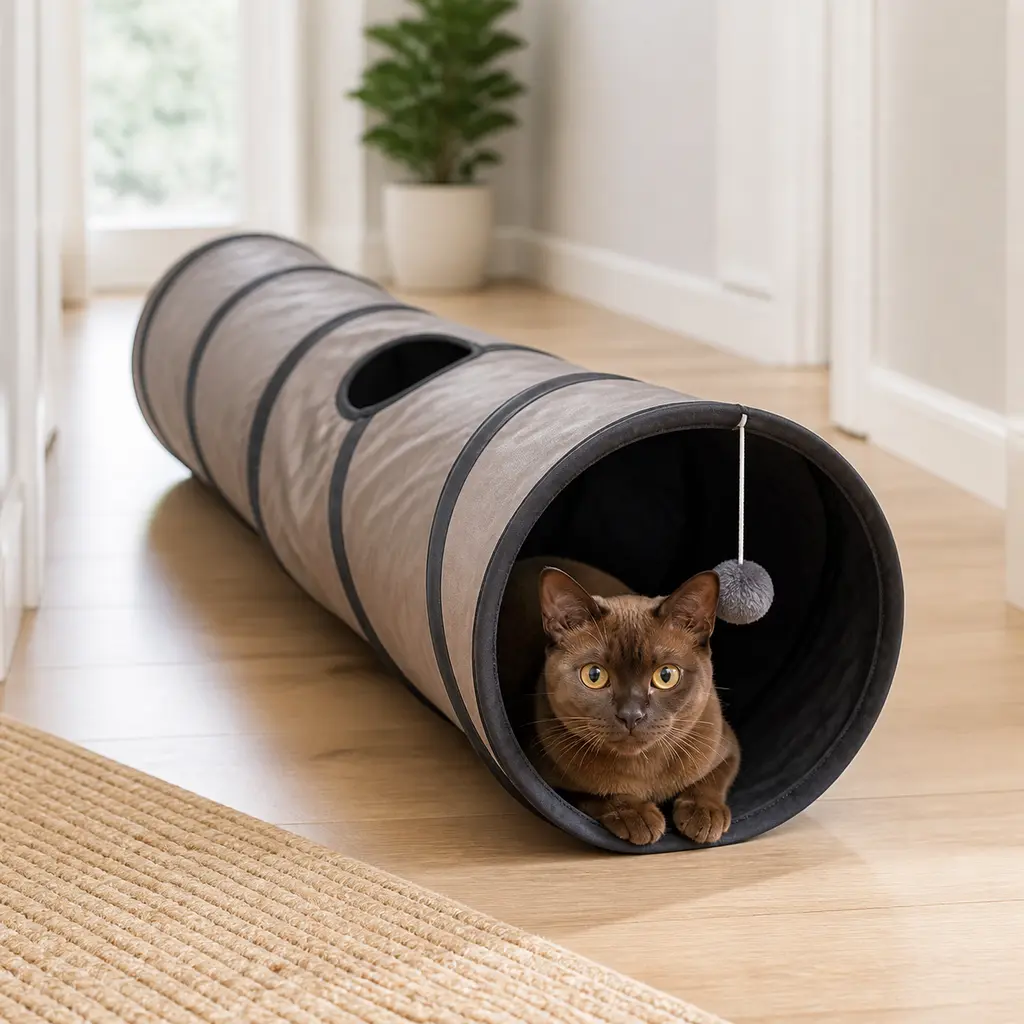
Ask about hiding, visitors, petting limits, play drive, separation, and whether the cat recovers quickly after household noise.
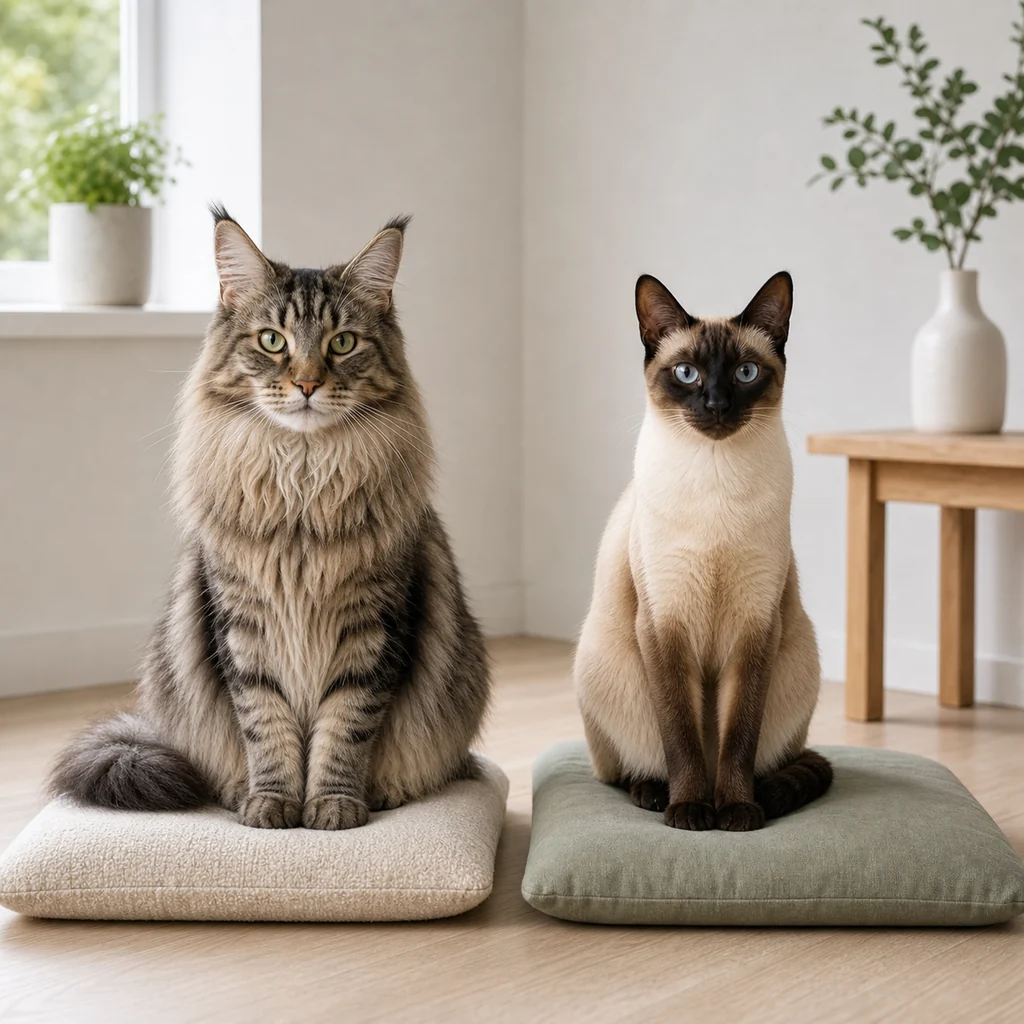
British Shorthairs can feel calm and dignified, while Russian Blues may bond deeply but prefer a quieter, more predictable home.
For independent cat breeds, build from the everyday basics: carrier, food station, scratching, and coat care that fit the cat in front of you.
Affiliate links: Furball Cove may earn from qualifying purchases at no extra cost to you.
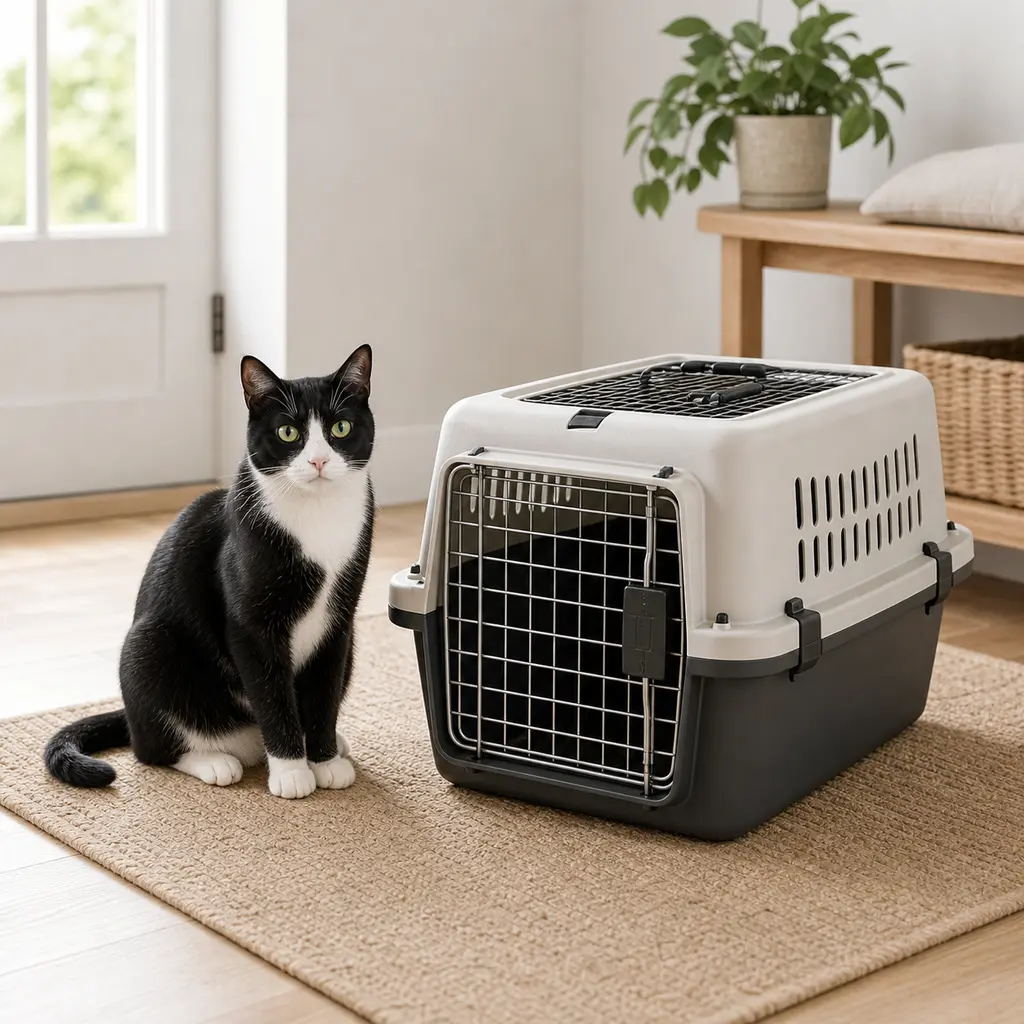
This earns its spot in independent cat breeds because it can make loading and cleaning easier when vet trips need to stay low-drama.
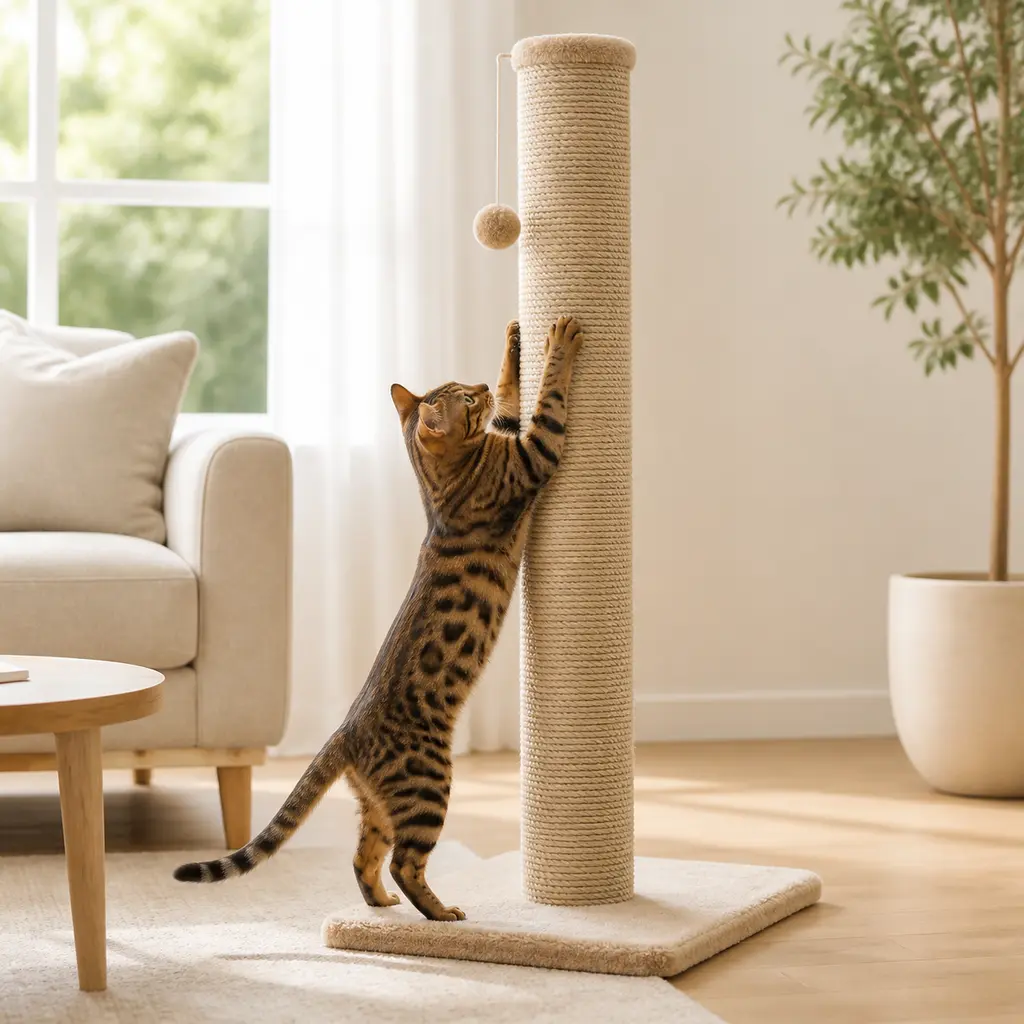
A good pick for independent cat breeds: it can make claw care part of the room instead of a scolding moment.
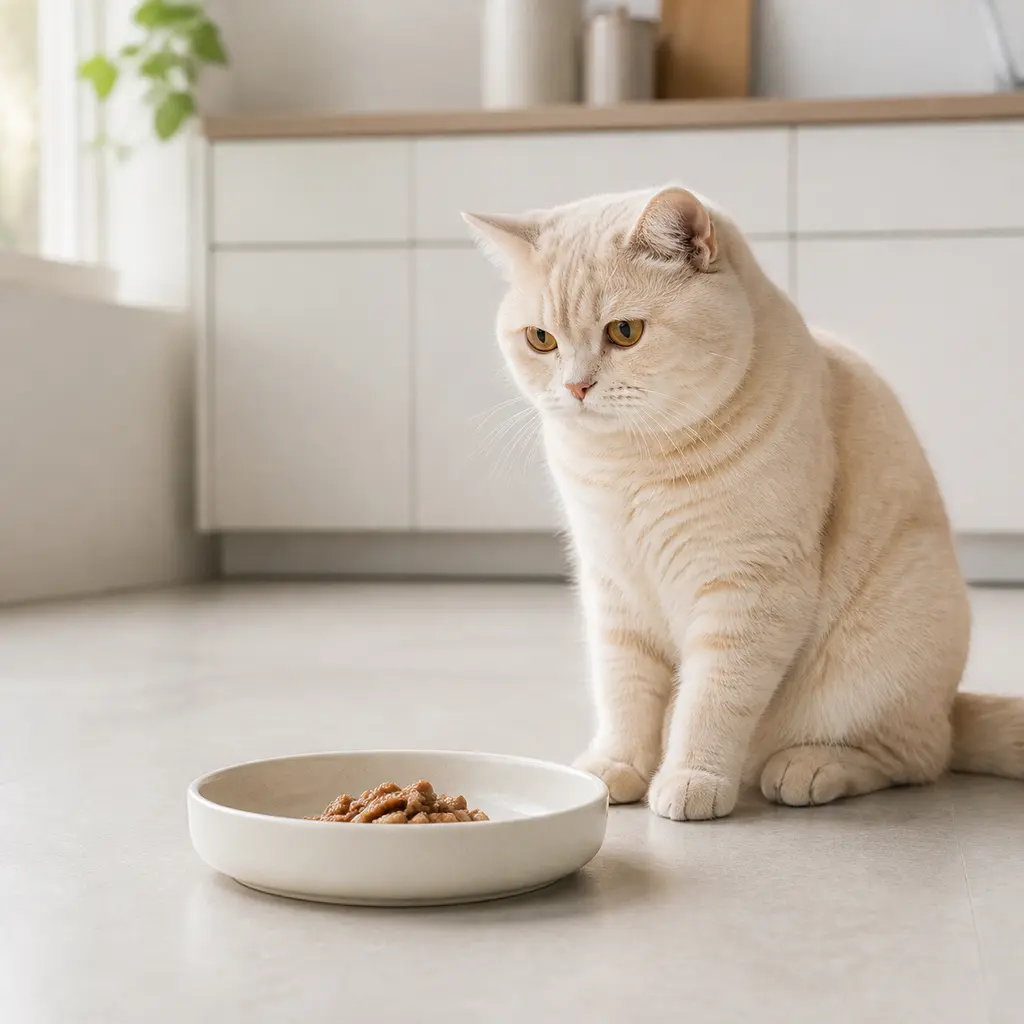
This earns its spot in independent cat breeds because it can make picky textures easier to inspect after breakfast or dinner.
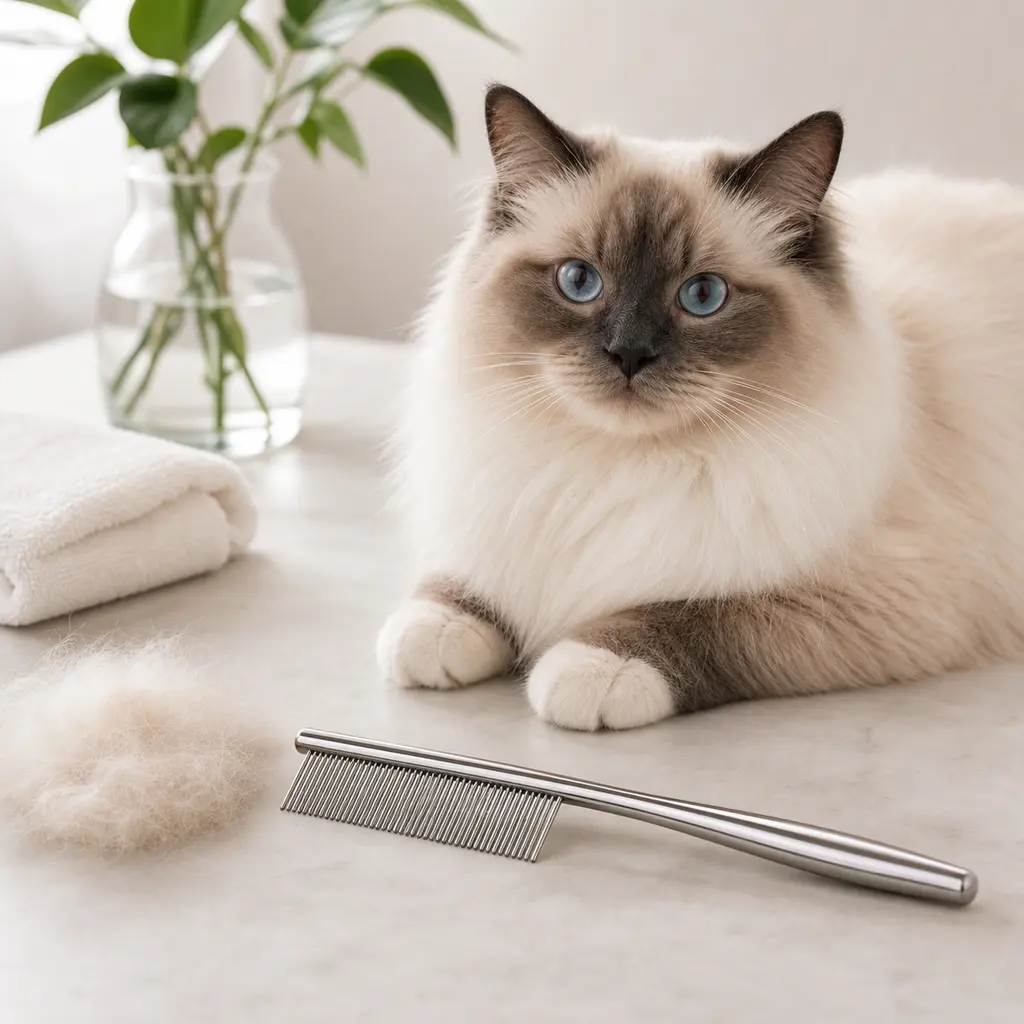
Independent Cat Breeds works better when the setup can separate fluff gently so you can see whether mats are starting.
Use independent cat breeds as a starting point, then meet the individual cat and ask about grooming, energy, handling, litter habits, and how they recover from stress.
Slow down when the choice is based mostly on looks, stereotypes, or one cute moment. Ask the rescue, shelter, or breeder about the individual cat's routine before deciding.