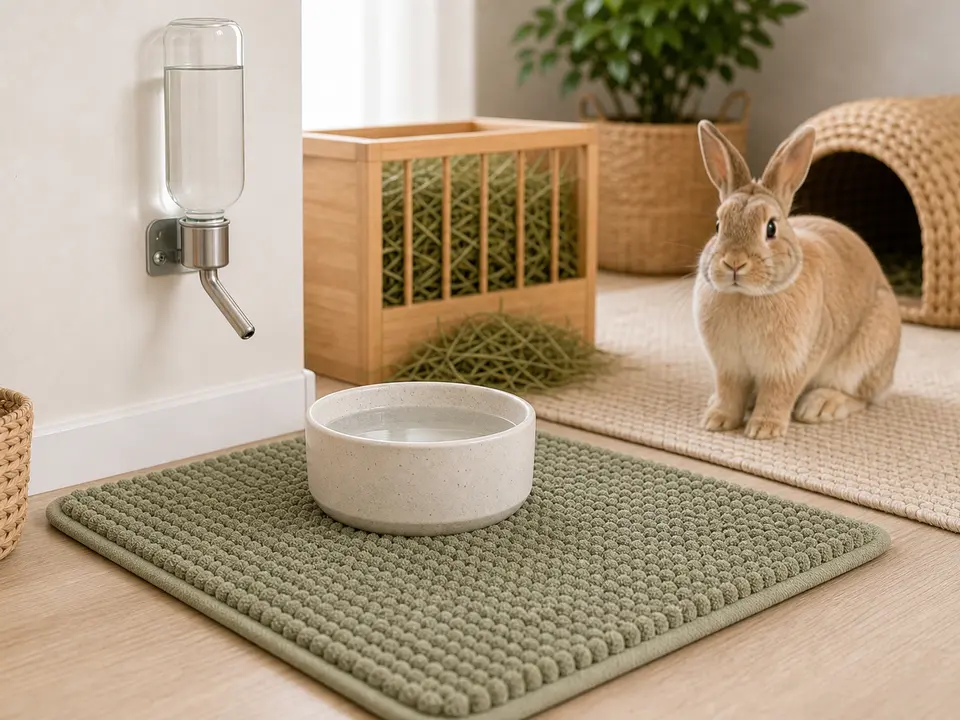
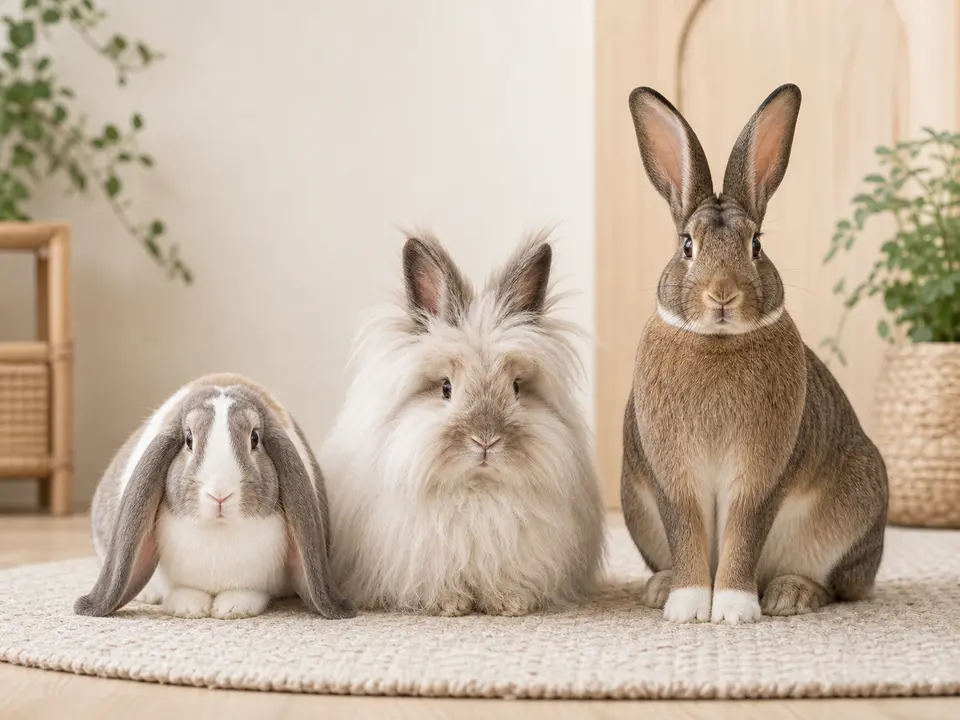
Treat limping as a pattern to document clearly: when it started, whether appetite or poop changed, and what your rabbit looks like at rest. If it is sudden, painful-looking, tied to breathing, or paired with less eating or fewer poops, call a rabbit-savvy vet.
Rabbit health questions deserve clear observation without panic. This page organizes limping around appetite, poop, movement, breathing, comfort, and when a rabbit-savvy vet should be part of the next step.
Check appetite and poop with limping
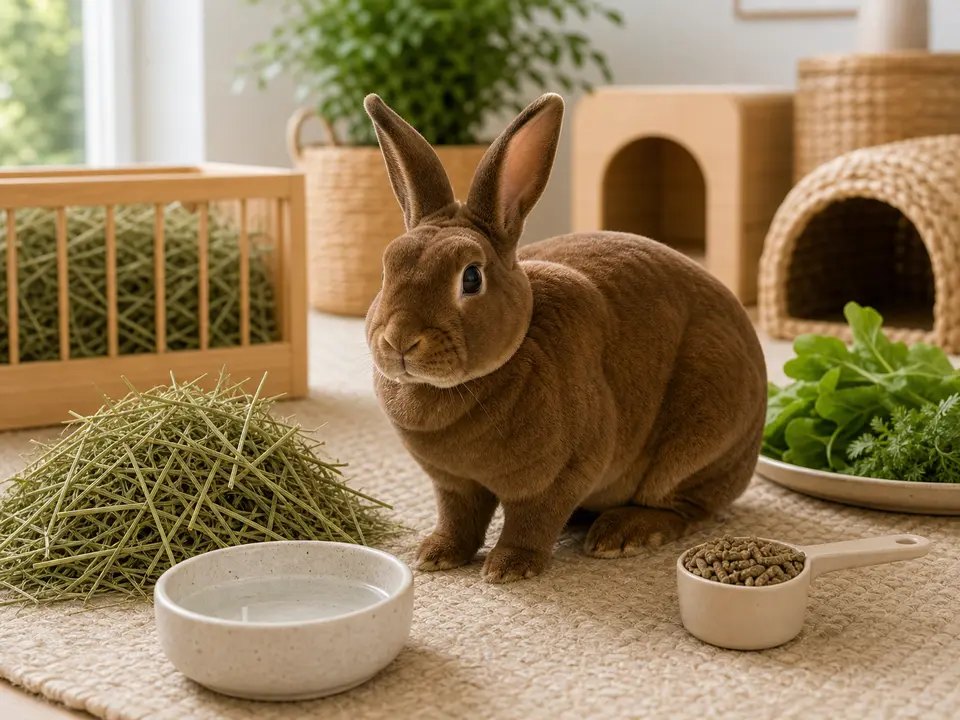
Treat limping as a pattern to document clearly: when it started, whether appetite or poop changed, and what your rabbit looks like at rest. If it is sudden, painful-looking, tied to breathing, or paired with less eating or fewer poops, call a rabbit-savvy vet. The first check is ordinary but important: hay eaten, water touched, poops present, posture normal, and movement steady. Those daily clues tell you whether this looks like a small observation or something that needs help sooner.
Because rabbits can hide discomfort, normal daily details matter. The person who knows the usual hay pile, water bowl, and litter box is often the first to notice the useful clue.
Write down what changed around limping
Useful notes are simple: when you noticed it, what your rabbit ate, what the litter box looked like, whether breathing or movement changed, and whether your rabbit accepted a favorite food. A short video can also help a rabbit-savvy vet see posture, gait, breathing, or chewing that is hard to describe.
Keep the notes plain and factual. A vet does not need a dramatic story; they need timing, appetite, poop, movement, breathing, and what changed from your rabbit's normal.
Keep the room calm during limping
While you decide the next step, keep hay, water, and a quiet resting spot close. Do not force long handling sessions or stressful room changes when a rabbit already seems off. Calm observation is often more useful than hovering, especially if you need to explain the pattern clearly.
Comfort support should stay simple while you observe. Keep the room calm, make essentials close, and avoid adding stress while you decide whether the pattern needs professional help.
When limping needs urgency
One odd moment may be worth watching closely. Several signs together deserve faster action: not eating, fewer or no poops, weakness, painful posture, fast or labored breathing, heat stress, head tilt, drooling, collapse, or a rabbit who will not move normally. That is when a rabbit-savvy vet matters.
This is the place for calm urgency. You do not have to panic, but you also do not have to wait through a clear appetite, poop, breathing, heat, balance, or pain change.
Do not fix limping with supplies
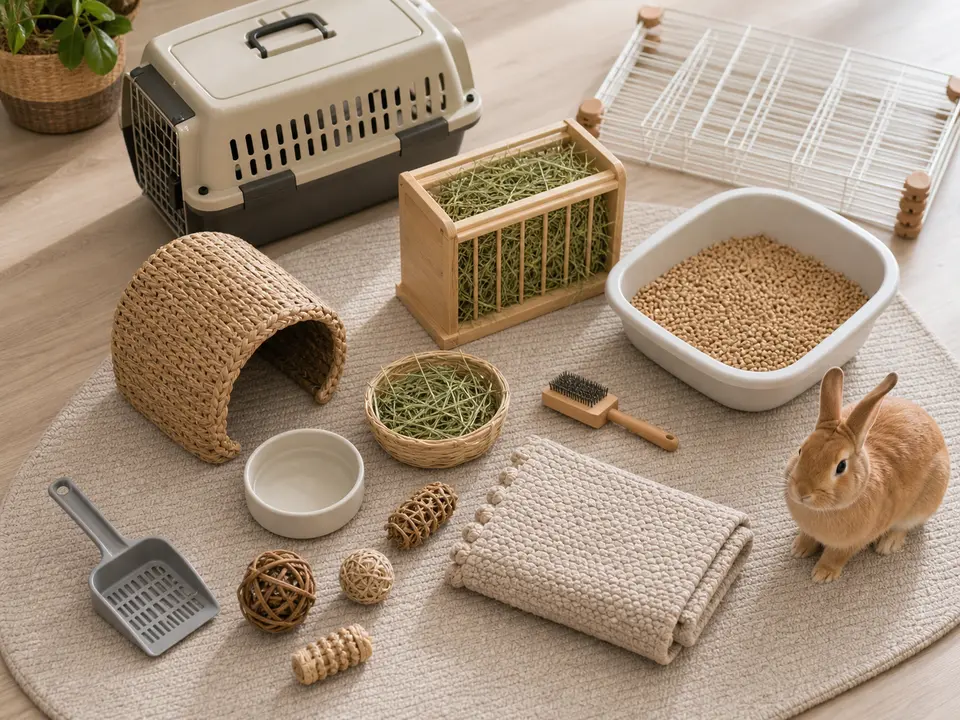
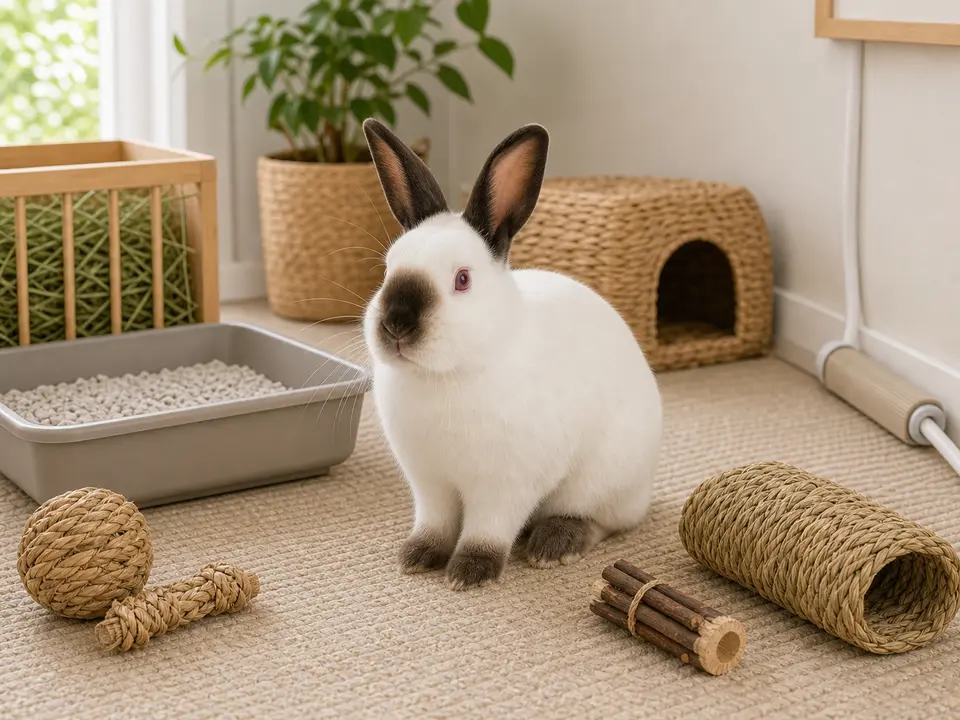
A new bowl, softer bed, different hay rack, or grooming tool can support comfort, but it cannot diagnose a rabbit who is suddenly unwell. If your gut says your rabbit is not acting like themselves, trust that observation and call a rabbit-savvy vet with the details you collected.
Supplies can support care after you know what is going on. They should not become a way to postpone a vet call when your rabbit is clearly not right.
Before you decide
Is your rabbit eating normally?
Are poops normal in size and number?
Is breathing, posture, or movement different?
Would a rabbit-savvy vet need this information today?
Next best moves
Keep notes on appetite, poop, movement, and timing.
Call a rabbit-savvy vet for sudden appetite, poop, breathing, heat, pain, or weakness changes.
Useful supplies to keep the care routine clear
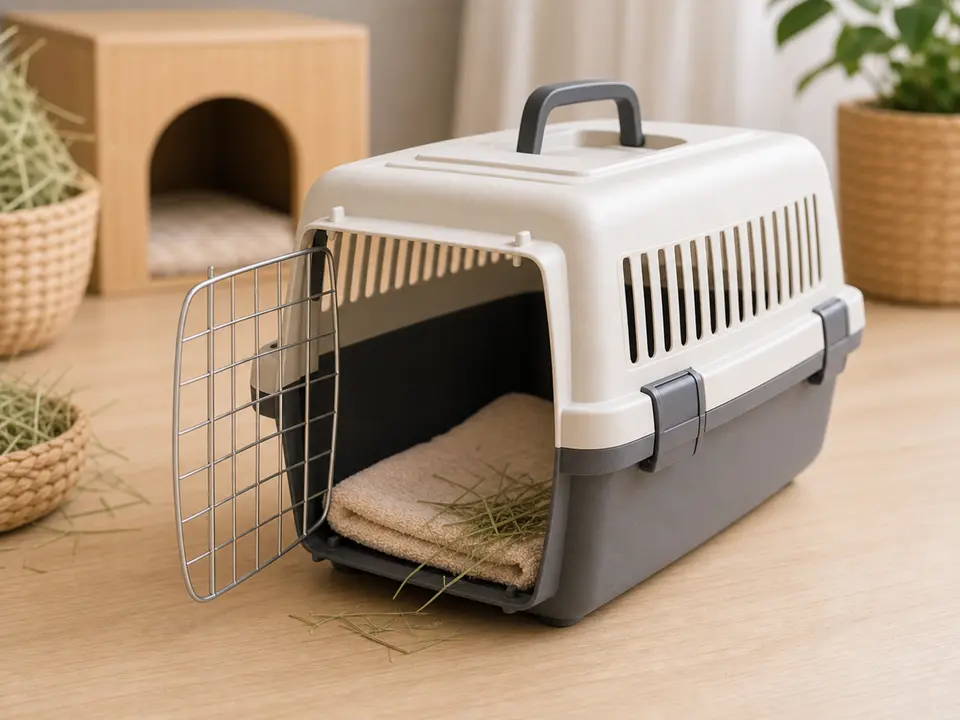
These do not replace a rabbit-savvy vet. They make transport, water, hay access, and observation easier while you follow the care plan.
Affiliate links: Furball Cove may earn from qualifying purchases at no extra cost to you.
Treat limping as a pattern to document clearly: when it started, whether appetite or poop changed, and what your rabbit looks like at rest. If it is sudden, painful-looking, tied to breathing, or paired with less eating or fewer poops, call a rabbit-savvy vet.
What should I write down before calling the vet?
Note when the change started, what your rabbit ate, what the litter box looked like, breathing or movement changes, and whether a favorite food was refused. A short video can also help.
When is this urgent?
Not eating, not pooping, labored breathing, collapse, heat stress, obvious pain, head tilt, or sudden weakness should be treated as urgent rabbit-savvy vet territory.