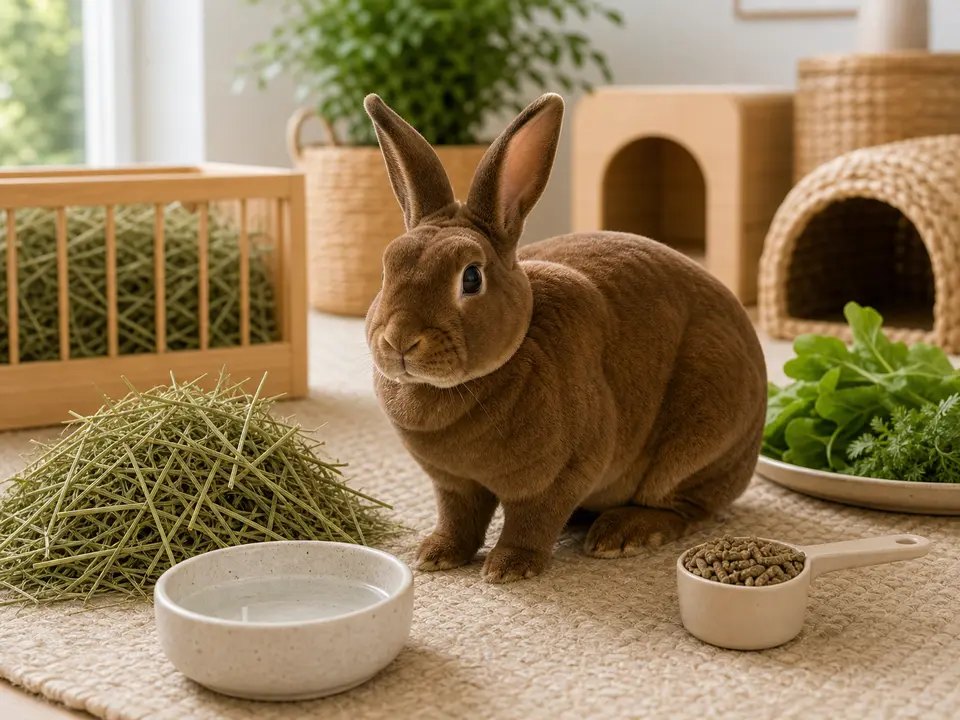
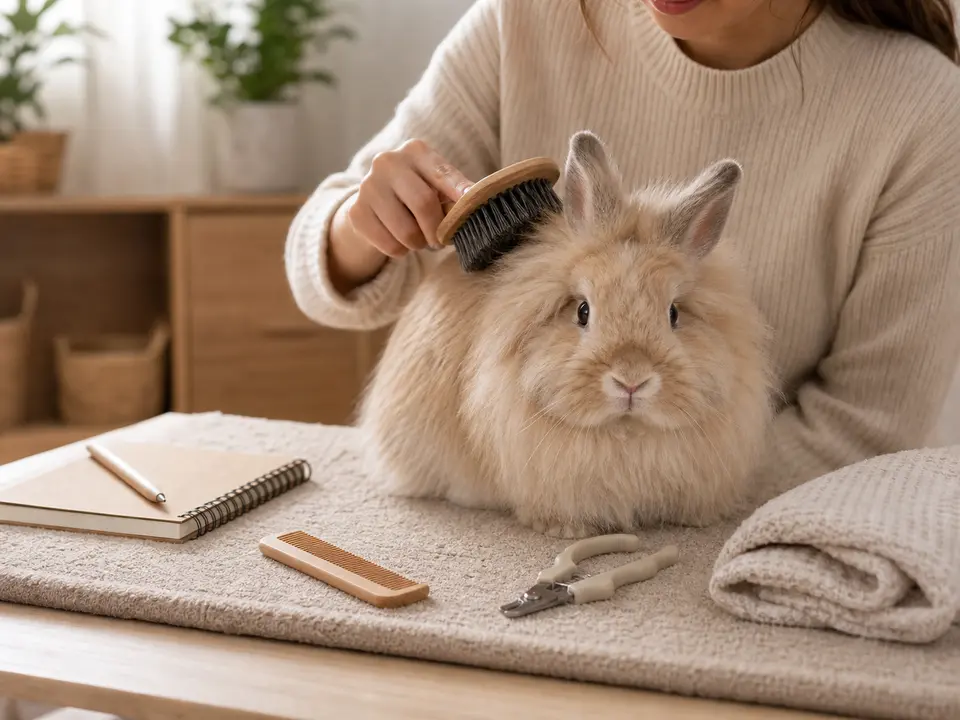
A suddenly quieter rabbit deserves a closer check because rabbits often hide discomfort. Look at appetite, poop, posture, breathing, movement, and whether favorite foods or routines still get a normal response.
Rabbit behavior is quiet until you learn the pattern. For suddenly quieter, look at timing, sound, posture, ears, recent changes, and whether your rabbit still has an easy way to move away.
Read the scene around suddenly quieter
A suddenly quieter rabbit deserves a closer check because rabbits often hide discomfort. Look at appetite, poop, posture, breathing, movement, and whether favorite foods or routines still get a normal response. Treat it as body language plus context, not one isolated move. The question is not only what your rabbit did, but what happened right before and right after. Notice sounds, cleaning, food timing, visitors, lighting, your hands, other pets, and whether your rabbit had a clear retreat.
The same movement can mean different things in different rooms, which is why one label rarely helps. The useful question is what changed in the environment or interaction, then what your rabbit chose next. That keeps the answer honest, because rabbit body language is rarely separated from the room around it.
Pair suddenly quieter with body language
A thump, flop, binky, nudge, chin rub, tucked loaf, or sudden dash can mean different things depending on posture and timing. Ears, eyes, breathing, tail position, and how quickly your rabbit returns to normal tell you more than one cute or strange moment by itself.
Give yourself a few days of watching before deciding what the behavior means, unless health signs appear. Patterns are kinder and more accurate than snap judgments. If the same pattern repeats, write down the trigger before deciding what the behavior means.
Give more choice around suddenly quieter
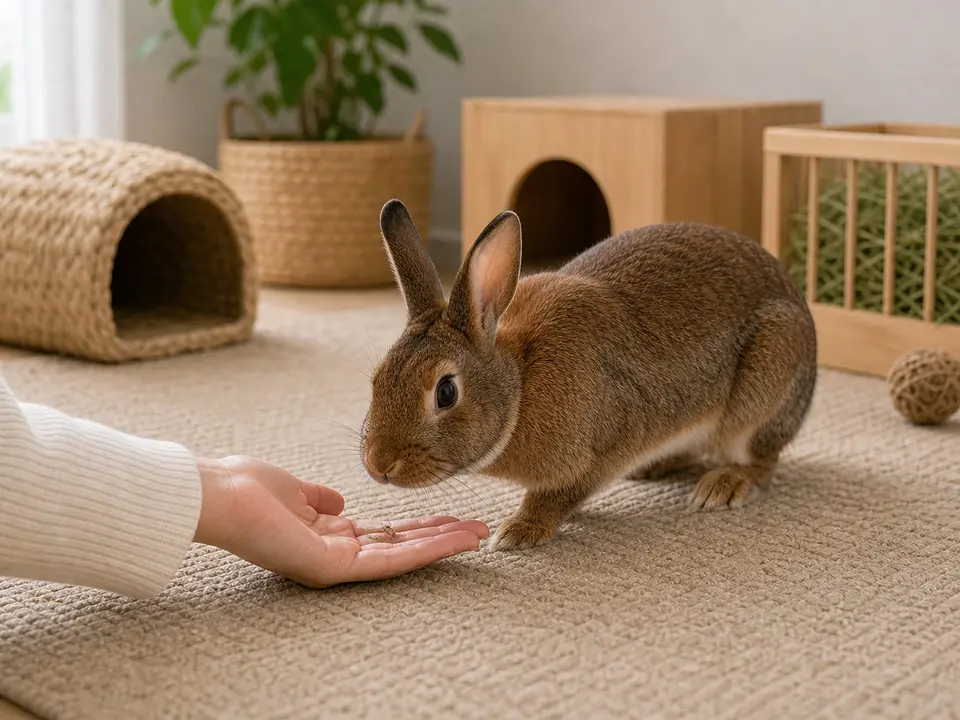
Most behavior improves when the rabbit can choose instead of feeling cornered. Sit lower, move slower, leave the hideout alone, and let treats or hay make the next interaction easier. If the behavior happens during handling, cleaning, or feeding, redesign that moment so your rabbit has a calmer option.
Choice is especially important for shy, newly adopted, or easily startled rabbits. A rabbit who can leave often becomes more curious about coming closer. Choice lowers pressure, and lower pressure usually gives you a clearer read on the behavior.
Find the repeat pattern behind suddenly quieter
Keep a tiny mental note of when the behavior shows up. Same hallway sound, same broom, same food bowl, same visitor, same time after litter cleaning: those repeats are gold. Once you know the trigger, you can soften the setup instead of reacting every time it happens.
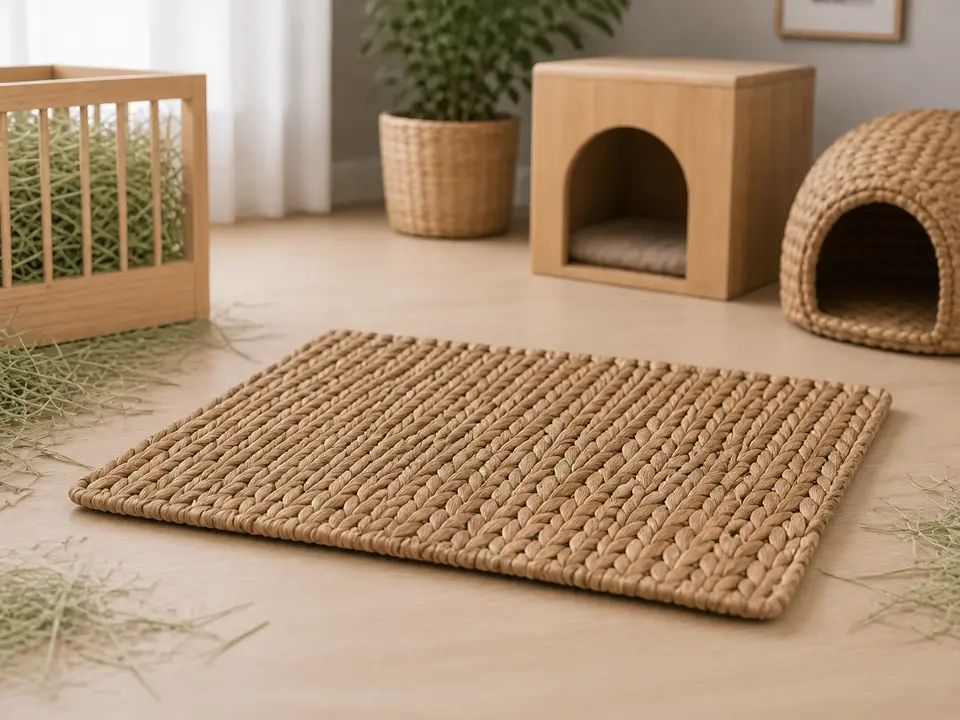
Once you know the repeat trigger, the fix can be gentle: soften the sound, move the bowl, clean more slowly, add a rug, or change where your hands enter the pen. A small setup change often works better than correcting the rabbit after the behavior appears.
Do not label suddenly quieter too quickly
Rabbits are often described as stubborn, dramatic, or aloof when the setup is simply too loud, too slippery, too exposed, or too hands-on. If behavior changes suddenly with appetite, poop, pain, balance, breathing, or energy changes, treat it as a health clue and call a rabbit-savvy vet.
That nuance keeps the page useful. We can love the funny rabbit moment and still notice when a behavior is really discomfort, fear, or a health change. The aim is to understand the message without turning every odd moment into either comedy or crisis.
Before you decide
What changed recently?
Can your rabbit choose a quiet retreat?
Are hay, water, litter, and footing easy?
Is this normal for your individual rabbit?
Next best moves
Make one small change.
Watch what your rabbit chooses next.
Keep the setup calm enough to repeat tomorrow.
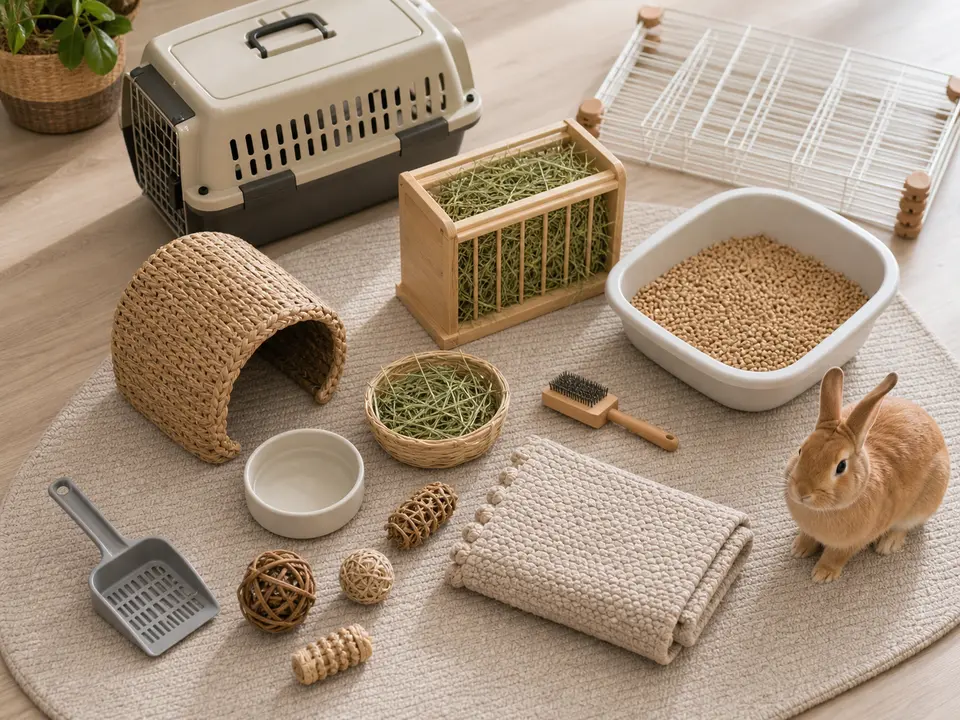
Setup pieces that make behavior easier
Use supplies to protect the room and give normal rabbit behavior a better job.
Affiliate links: Furball Cove may earn from qualifying purchases at no extra cost to you.
A suddenly quieter rabbit deserves a closer check because rabbits often hide discomfort. Look at appetite, poop, posture, breathing, movement, and whether favorite foods or routines still get a normal response.
How do I know if I moved too fast?
If your rabbit hides longer, avoids your hands, boxes, grunts, thumps repeatedly, or will not come back for food, make the next interaction shorter, lower, and easier to leave.
Should I pick my rabbit up to fix this?
Usually no. Most trust and behavior work starts better on the floor. Save picking up for necessary care, and practice it in tiny reward-based steps.