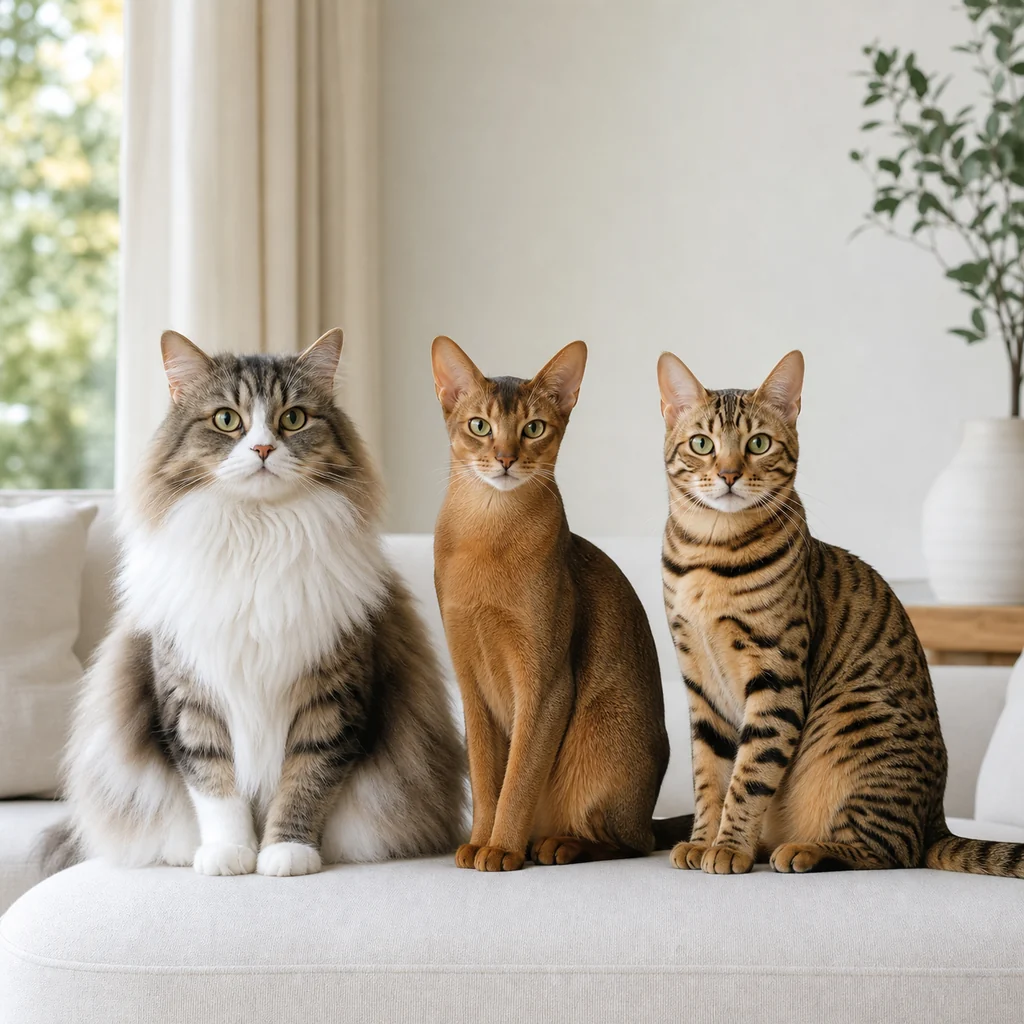
What the name really means
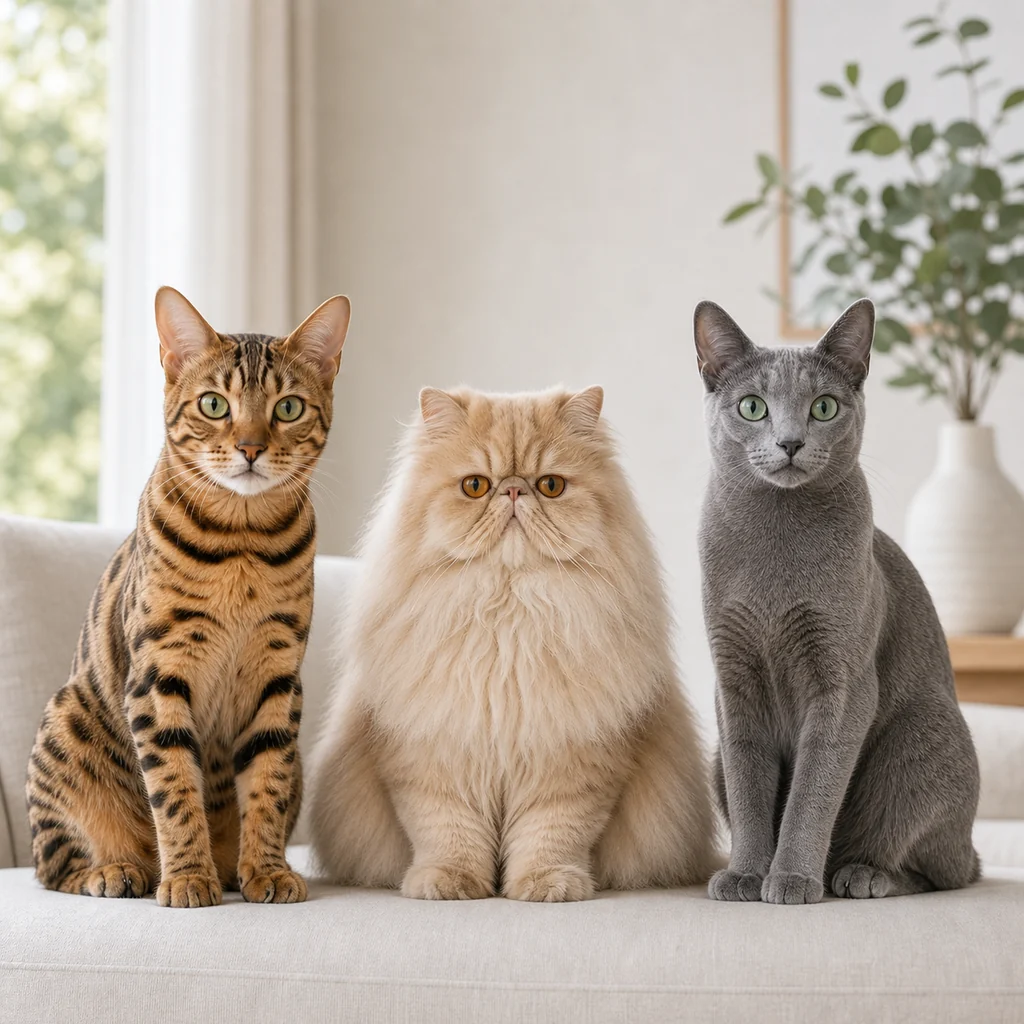
Start comparisons with Maine Coon, Ragdoll, Norwegian Forest Cat, Siberian, RagaMuffin, Savannah, Chausie, and Bengal.
Updated
Choosing a cat
Large cat breeds need room for big bodies, sturdy furniture, and honest food and grooming plans.
Big cats can be gentle and wonderful, but size changes the daily setup: carriers, litter boxes, trees, beds, food, and handling.
Start comparisons with Maine Coon, Ragdoll, Norwegian Forest Cat, Siberian, RagaMuffin, Savannah, Chausie, and Bengal.
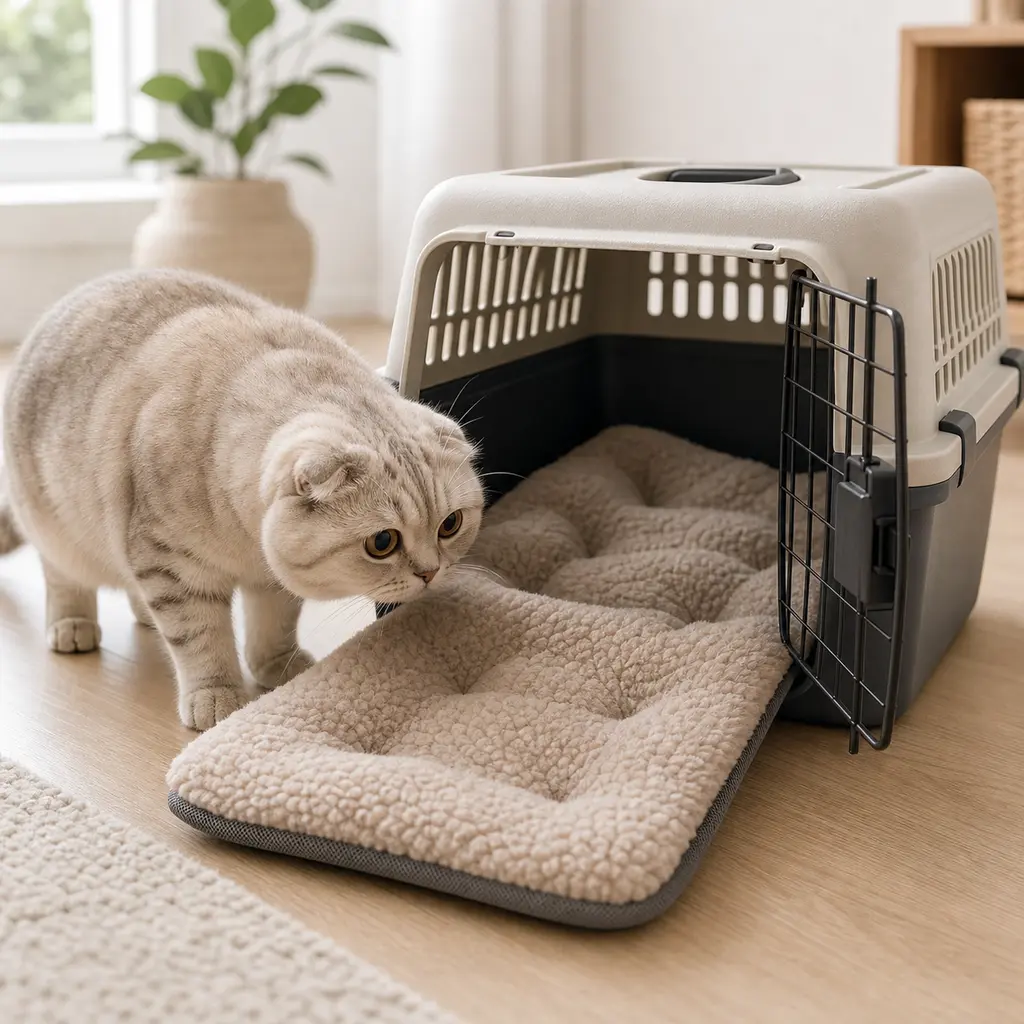
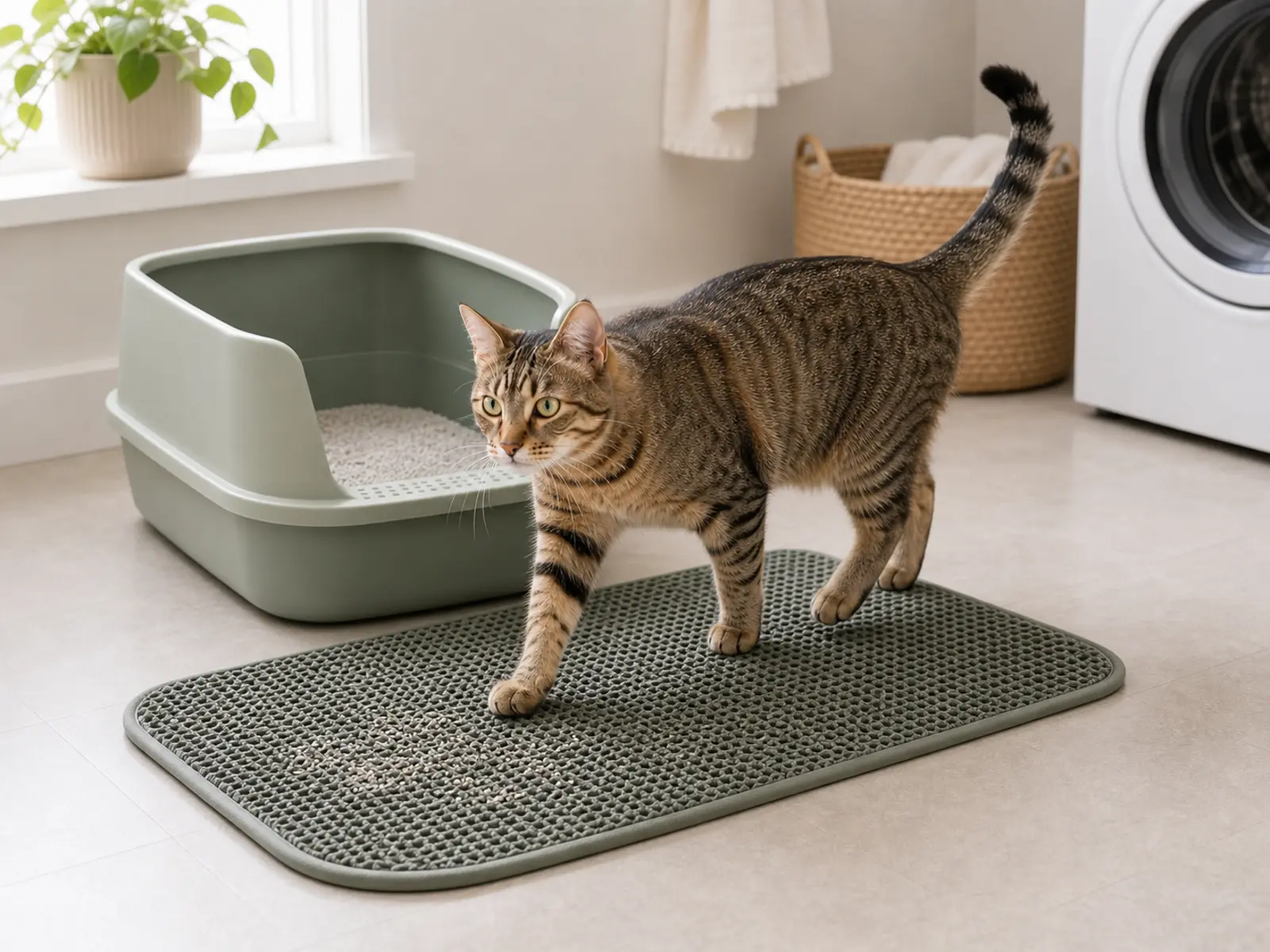
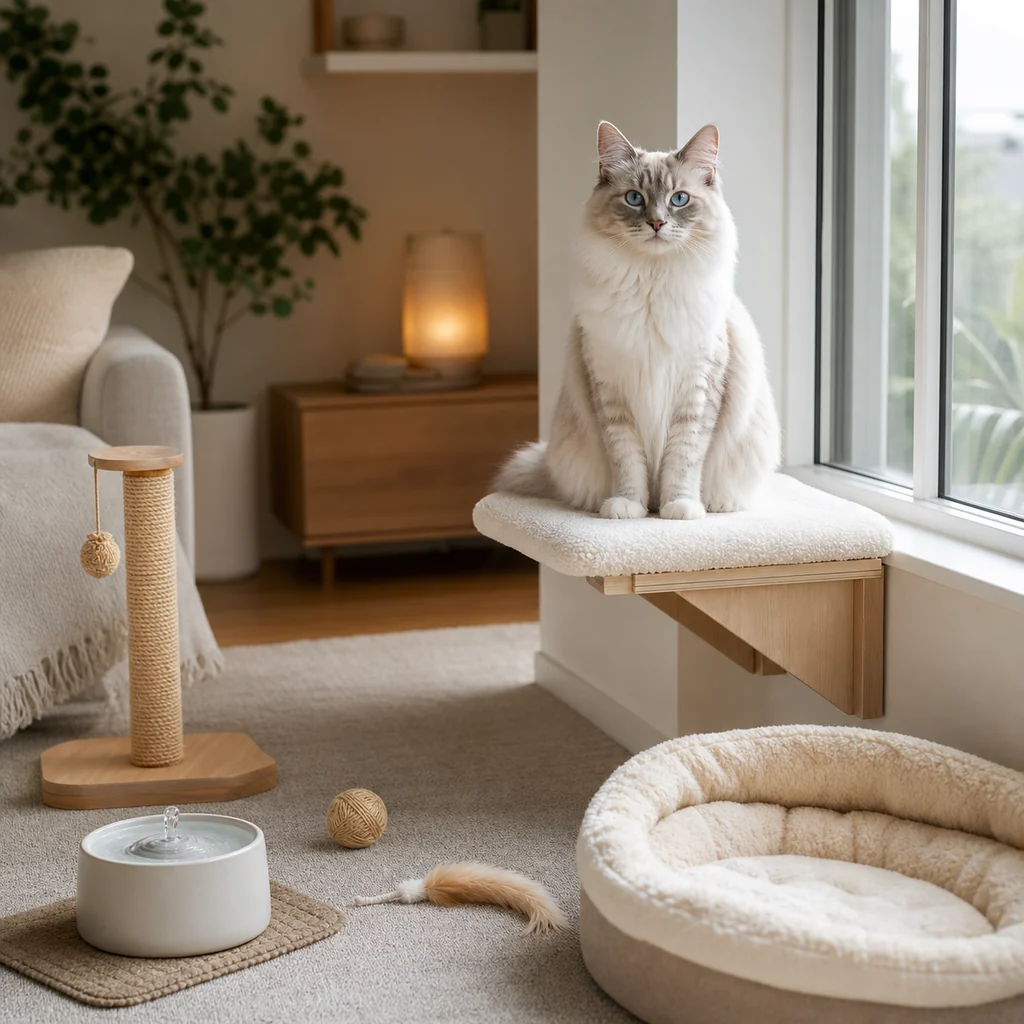
Think about a roomy litter box, a carrier you can actually lift, a sturdy tree, and whether your home has safe vertical space.
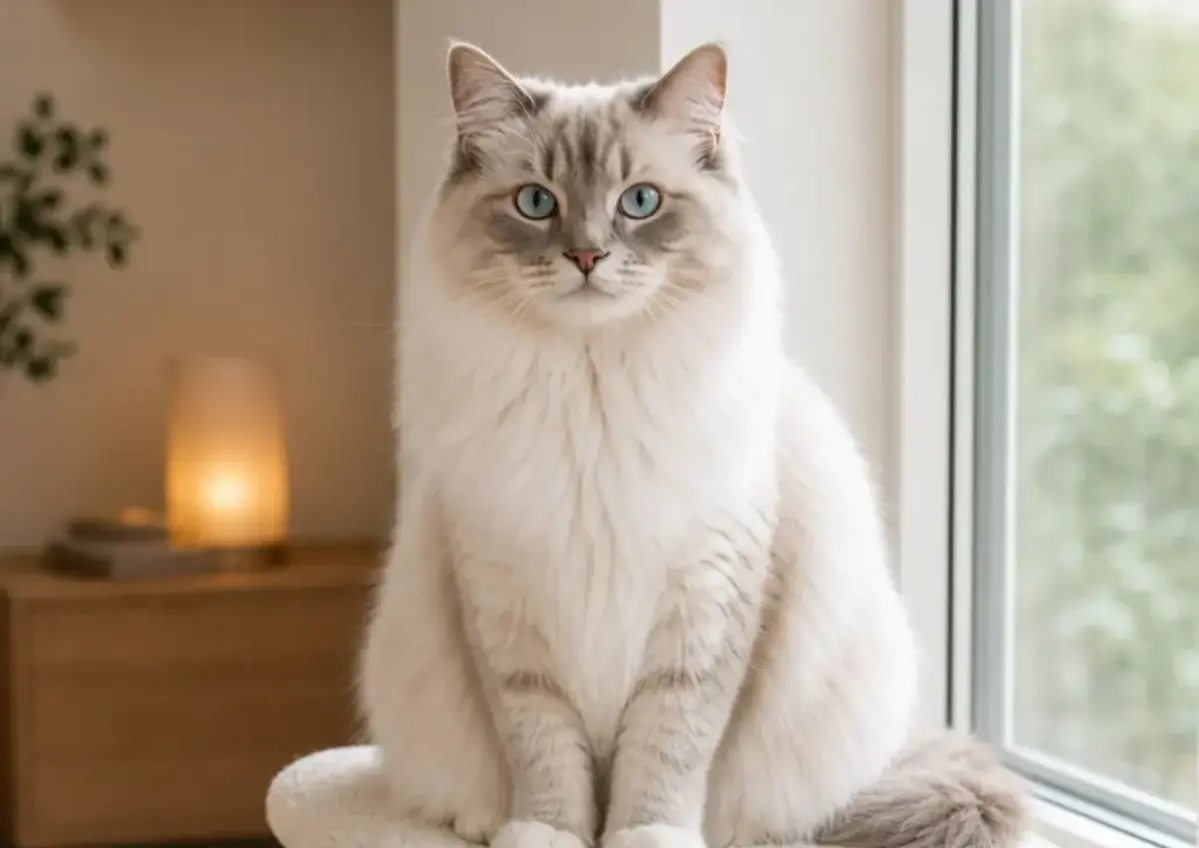
Ask breeders, rescues, or fosters about adult size, weight, grooming, activity, joint comfort, and whether the cat is easy to handle.
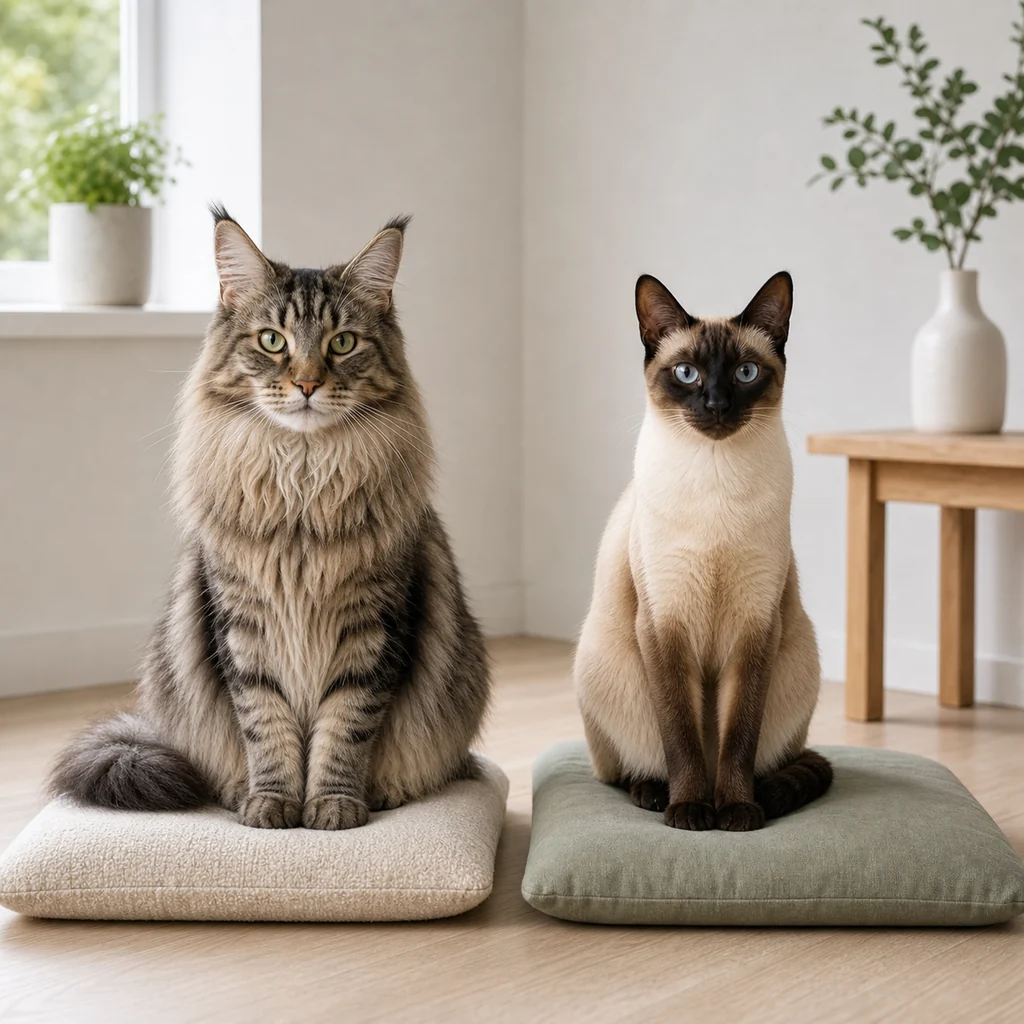
Maine Coons and Ragdolls often feel more family-soft; Savannahs and Chausies can feel more intense and are usually better for experienced homes.
For large cat breeds, build from the everyday basics: carrier, food station, scratching, and coat care that fit the cat in front of you.
Affiliate links: Furball Cove may earn from qualifying purchases at no extra cost to you.
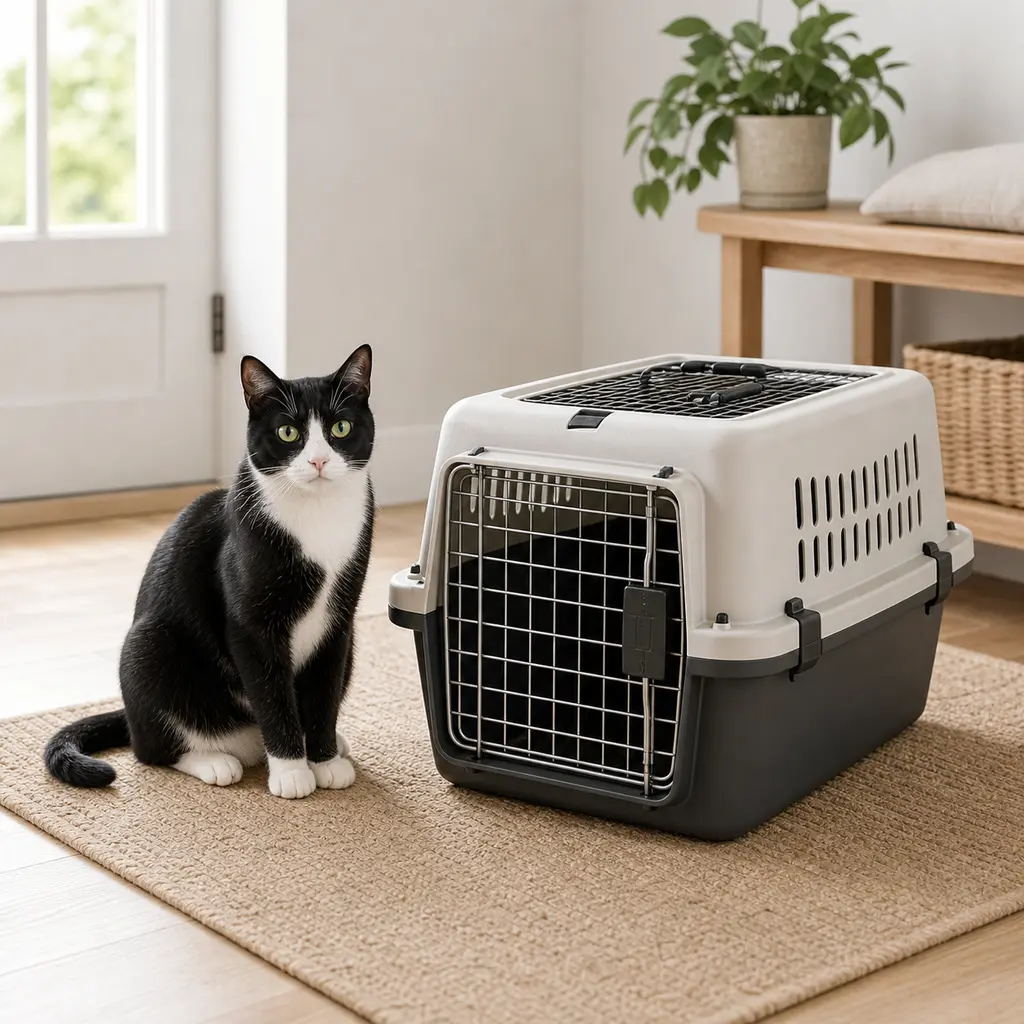
Large Cat Breeds works better when the setup can make loading and cleaning easier when vet trips need to stay low-drama.
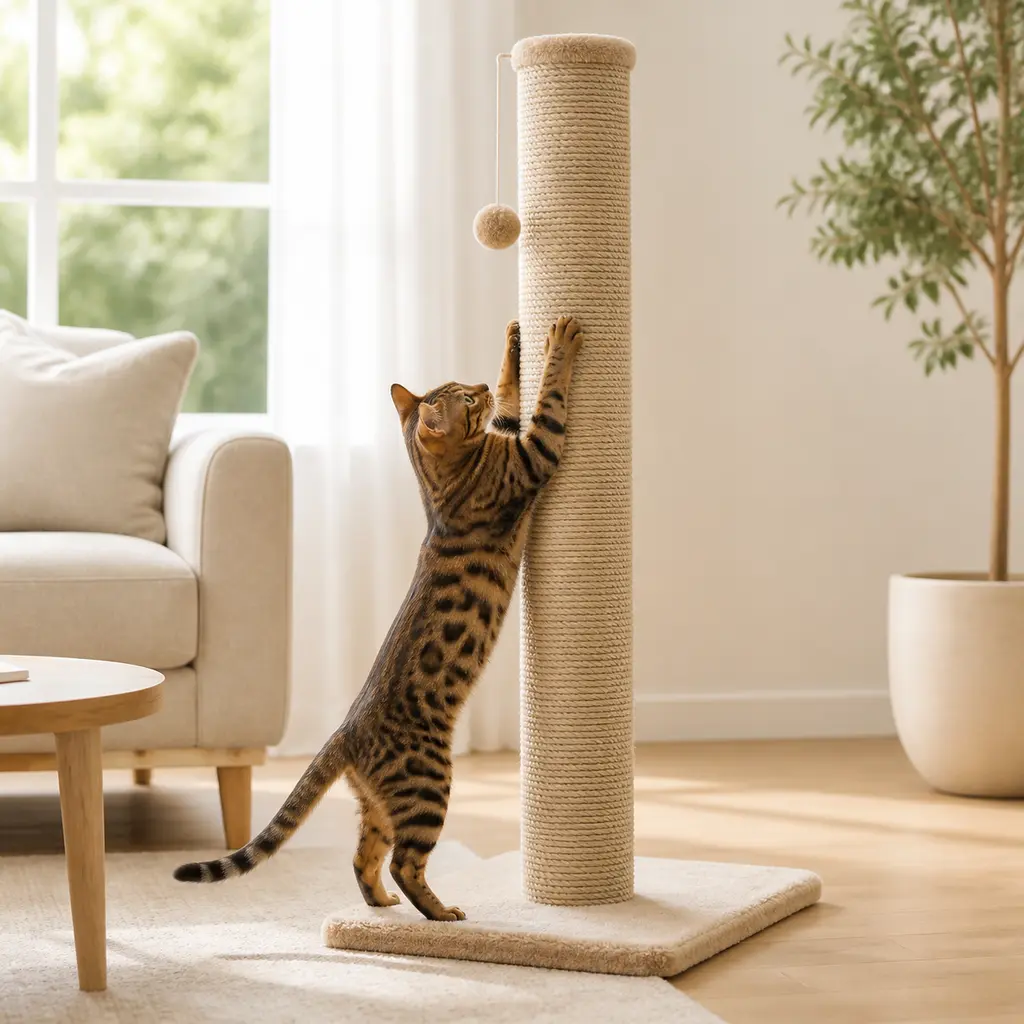
For large cat breeds, choose this when you want to make claw care part of the room instead of a scolding moment.
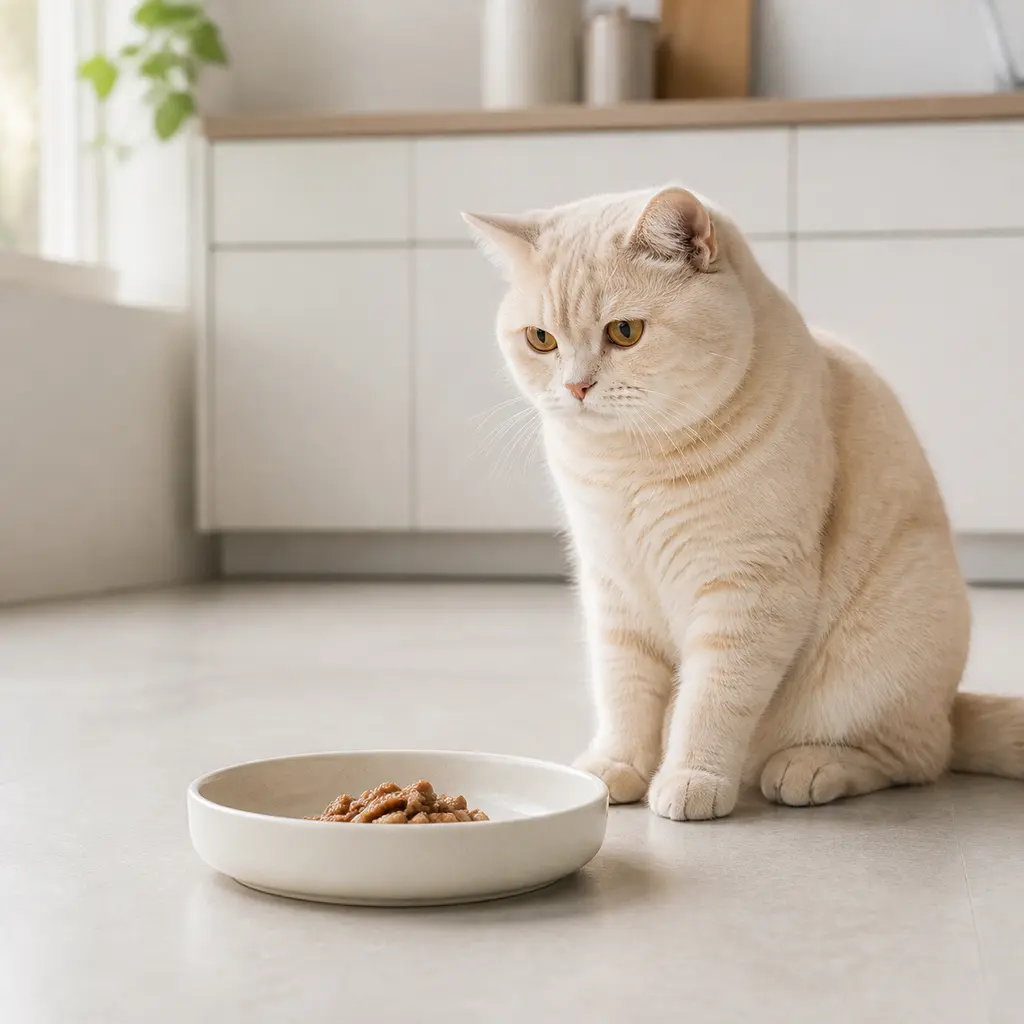
Use it in a large cat breeds routine to serve small portions without forcing your cat's face into a deep dish.
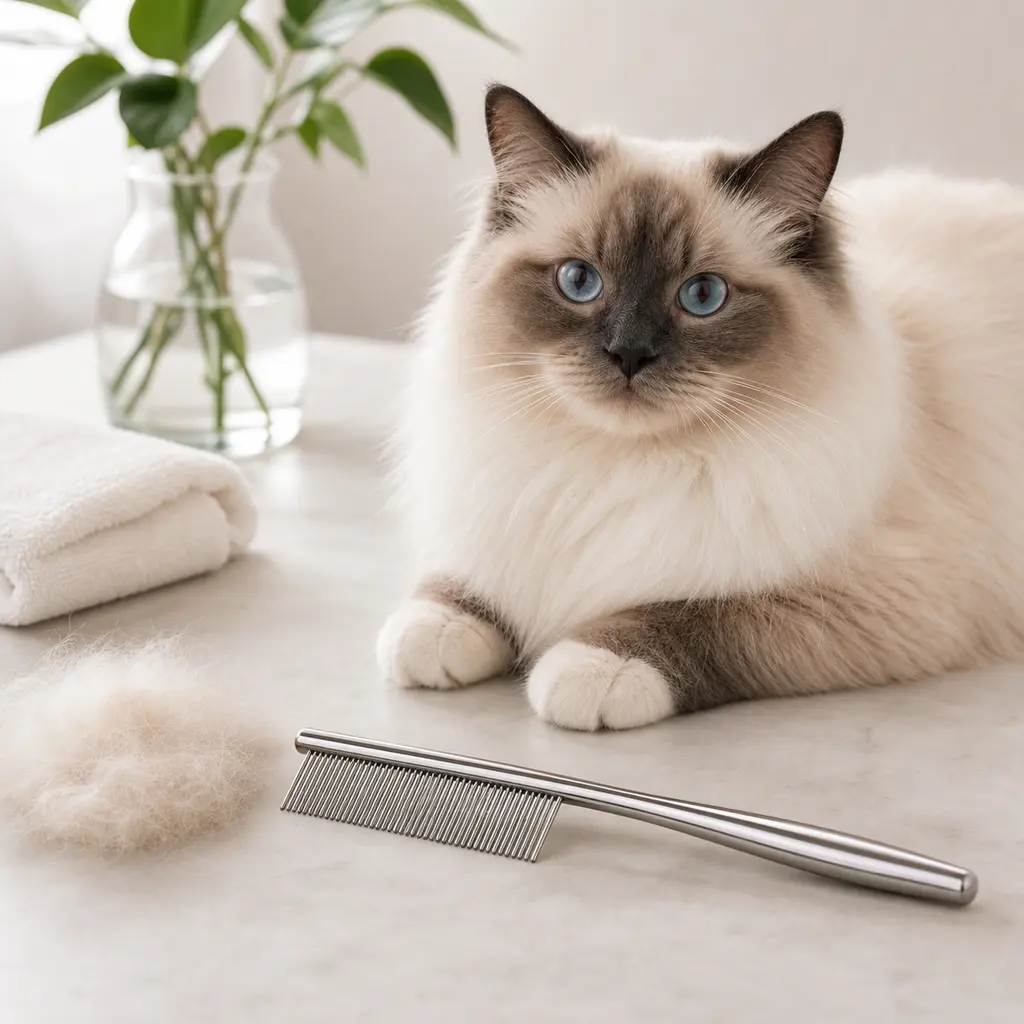
Large Cat Breeds works better when the setup can make coat checks precise without turning grooming into a long session.
Use large cat breeds as a starting point, then meet the individual cat and ask about grooming, energy, handling, litter habits, and how they recover from stress.
Slow down when the choice is based mostly on looks, stereotypes, or one cute moment. Ask the rescue, shelter, or breeder about the individual cat's routine before deciding.