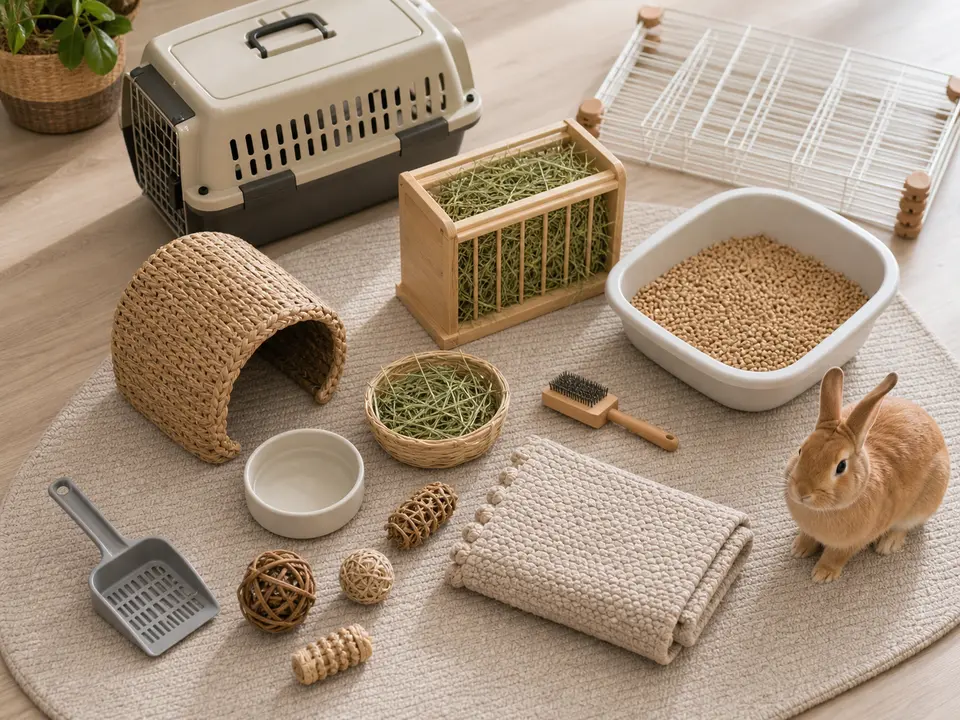
To litter train a rabbit, start with a manageable space, put a roomy litter box where the rabbit already wants to go, keep hay at the box, move stray poops into the box, clean accidents calmly, and expand freedom only after the habit is clear.
Rabbit litter training is about making the right spot obvious, then calmly repeating the routine. Rabbits naturally leave clues. Your job is to set up the room so those clues lead back to the box.
Start with a smaller home base
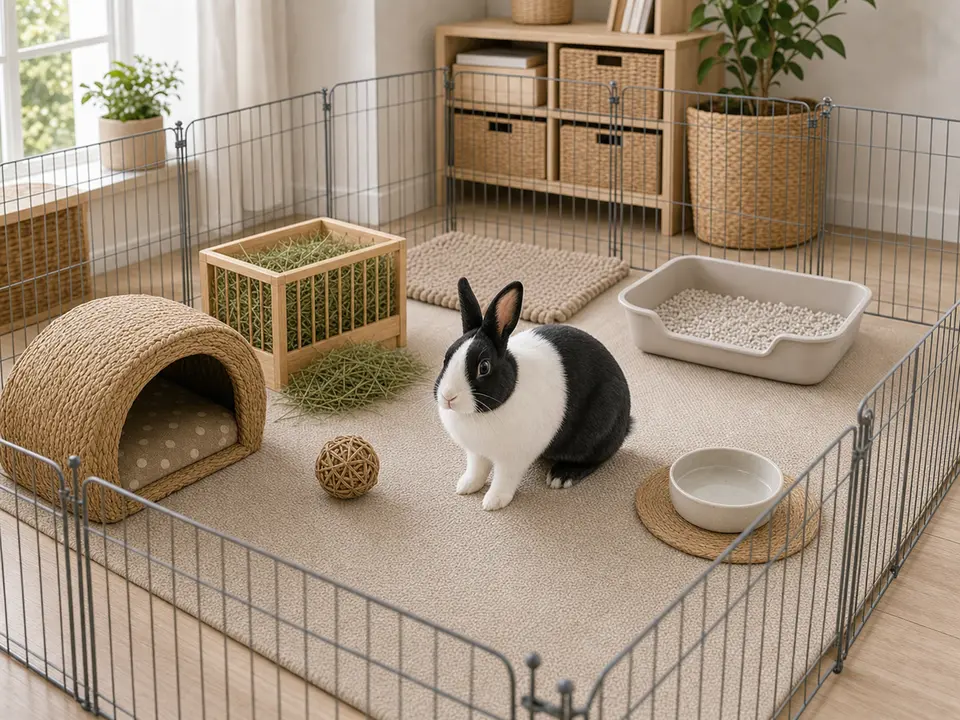
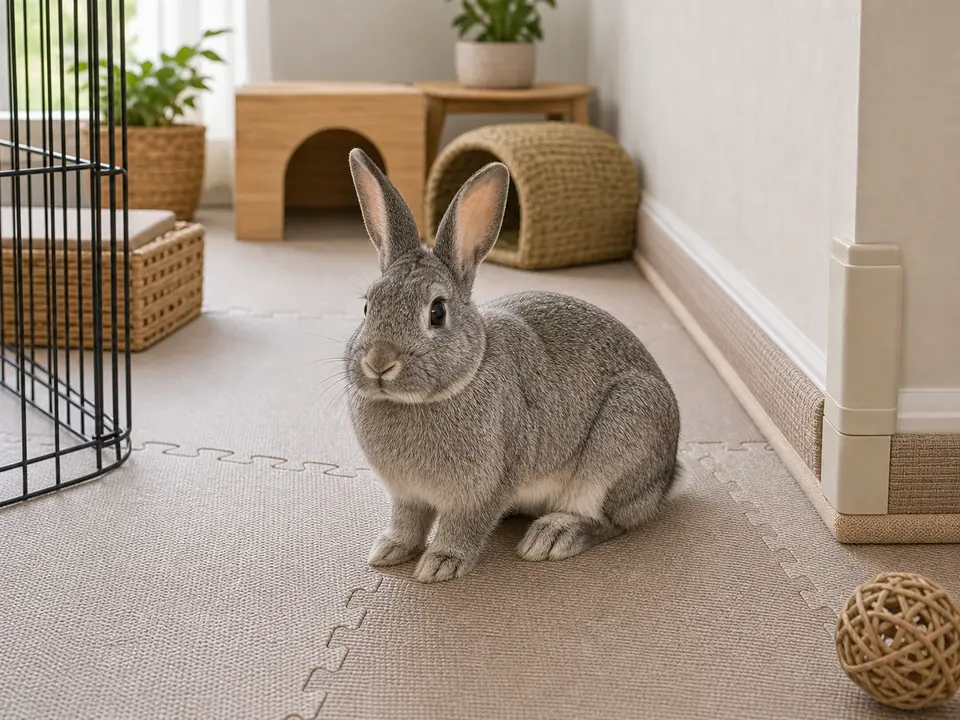
A new rabbit learns faster in a clear pen or small rabbit-proofed area than in a whole room with too many corners. Keep hay, water, litter, hideout, and rest close together at first. Once the box habit is steady, you can expand space in small steps. Too much freedom too early can make every corner look like an option.
Make the box the hay station
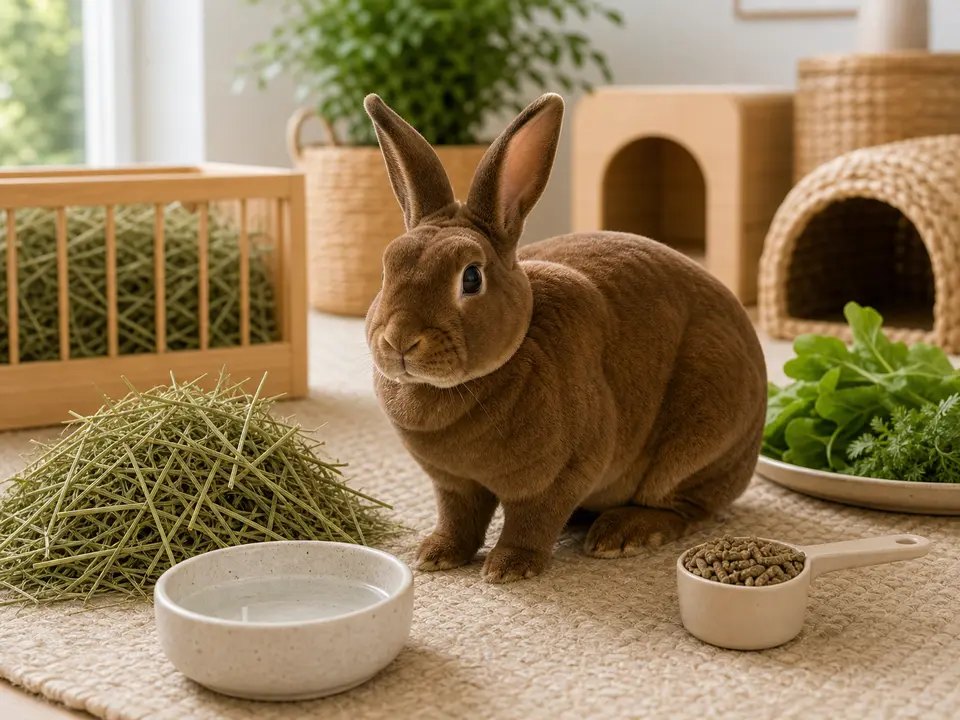
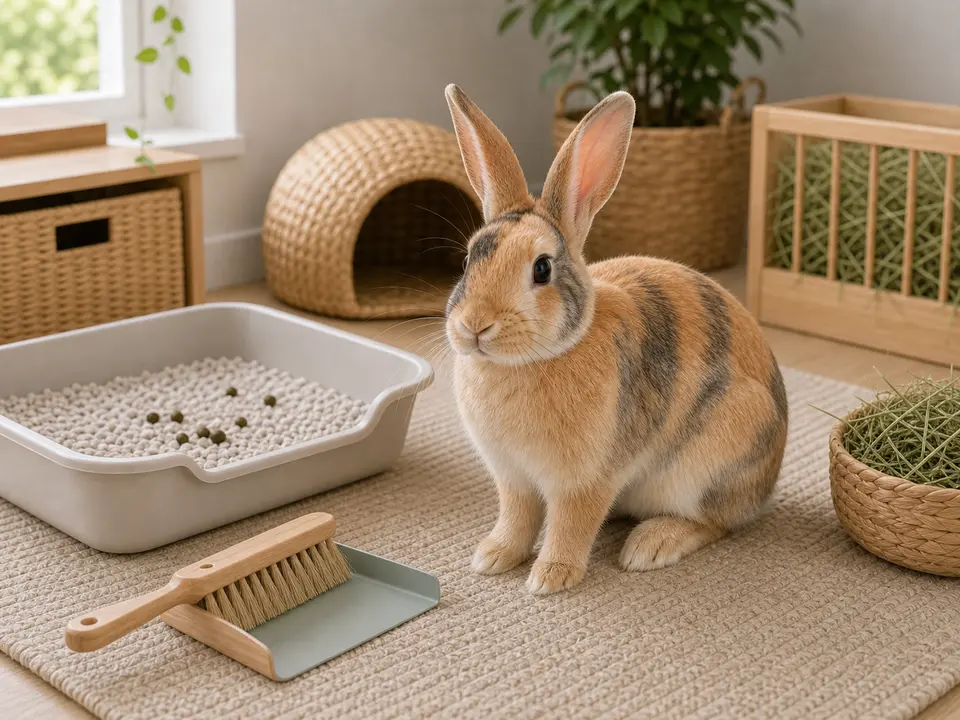
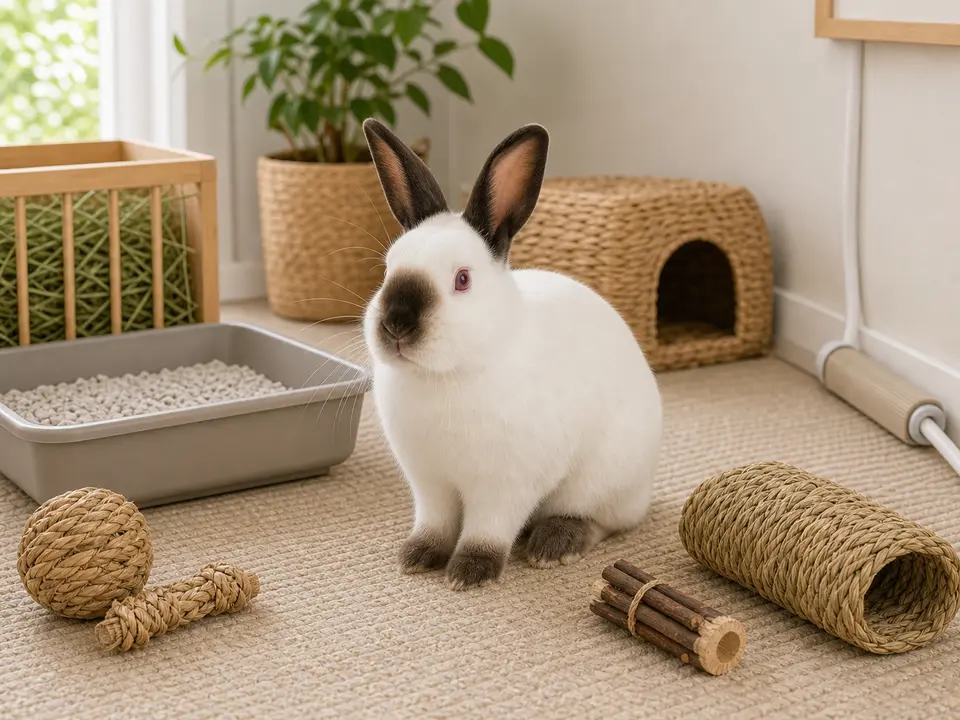
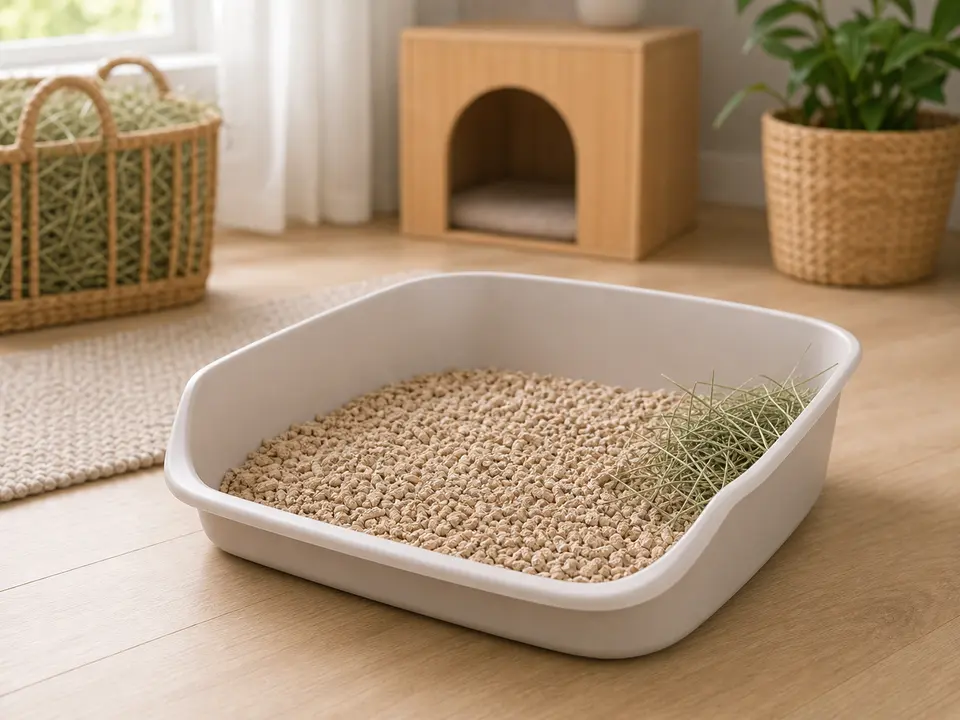
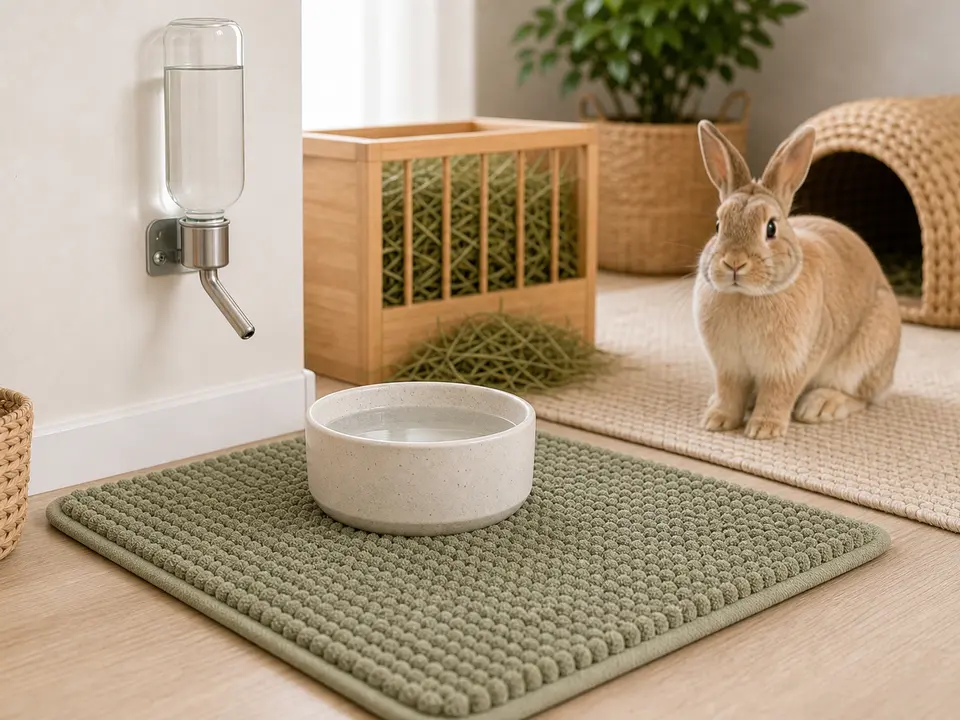
Put fresh hay in or beside the box so your rabbit naturally spends time there. Many rabbits poop while eating hay, which makes the connection easier. If hay is across the room, you are making the litter habit harder than it needs to be.
Move clues back to the box
When you find stray poops, place some in the box. If there is a pee spot, clean the floor and consider moving the box closer to that chosen corner. The point is to use the rabbit's pattern, not argue with it. Track progress by week, not by one messy afternoon.
Clean accidents without drama
Do not scold, chase, or make a rabbit interact with the mess. Clean the spot, remove the scent from the floor, and adjust the setup. A rabbit who misses the box is usually giving you information about location, box size, stress, territory, or health.
Expand freedom slowly
When the box habit looks steady for several days, open a little more space and watch what happens. Add another box if the room is large or your rabbit keeps choosing a second corner. Freedom should grow with the habit, not outrun it.
Separate training problems from health clues
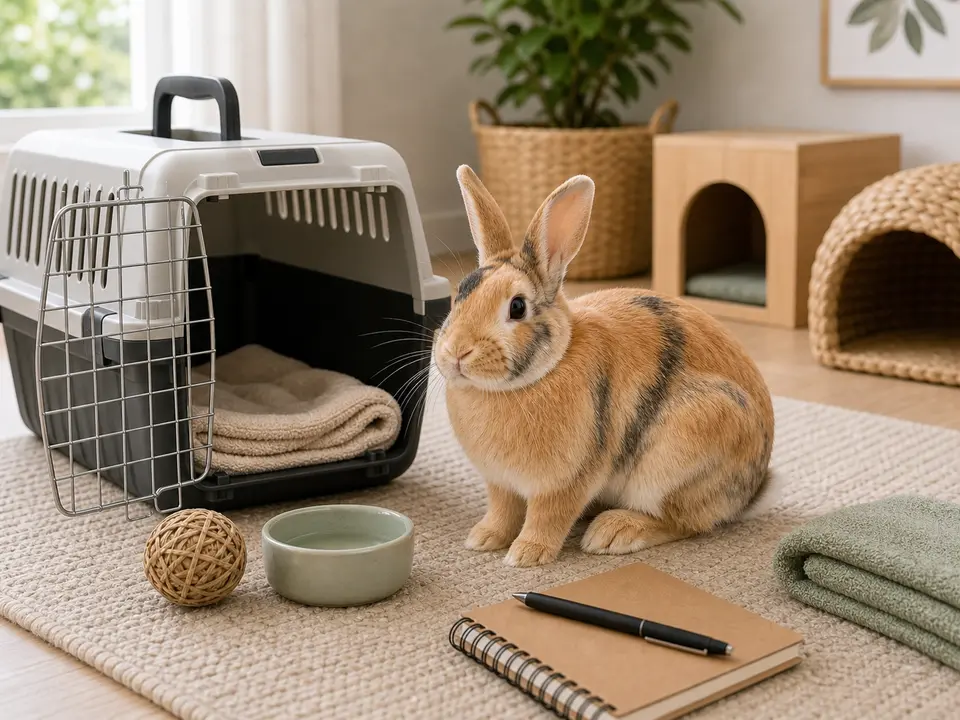
Sudden pee accidents, straining, wet fur, small poops, fewer poops, or not eating normally should not be treated as ordinary litter training. Keep notes and call a rabbit-savvy vet when bathroom changes arrive with appetite, pain, or behavior changes.
Before you decide
Is the starter space small enough for the box habit to be obvious?
Is hay connected to the litter box?
Are stray poops and pee spots guiding box placement?
Are you expanding space only after the habit looks steady?
Could sudden misses be health-related rather than training?
Next best moves
Use setup and repetition, not punishment.
Put hay where the box habit should happen.
Move the box toward the chosen corner before blaming the rabbit.
Call a rabbit-savvy vet for sudden bathroom changes with appetite, poop, urine, pain, or behavior concerns.
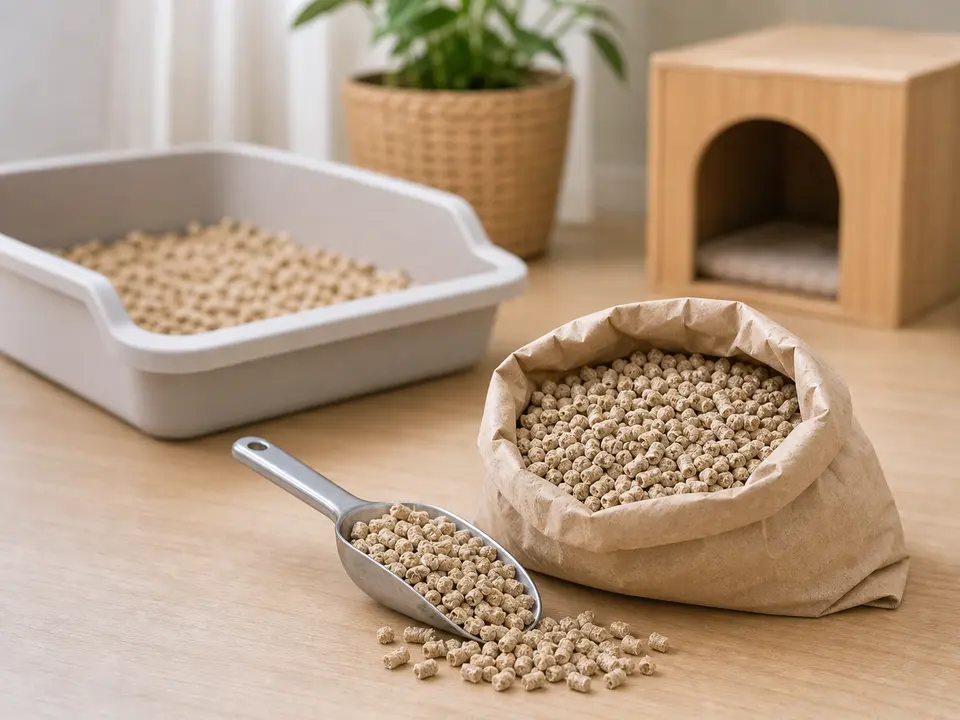
Litter tools that make the habit easier
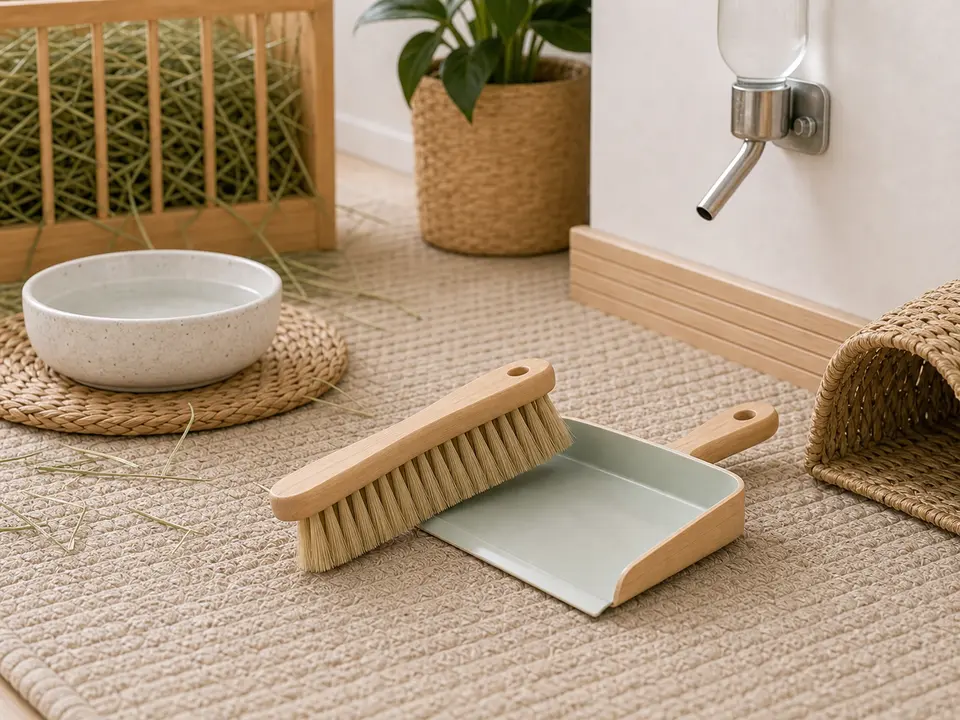
These are practical pieces for the routine, not clutter to buy all at once.
Affiliate links: Furball Cove may earn from qualifying purchases at no extra cost to you.
Some rabbits improve in days; others need weeks, especially in a new home. A clear setup matters more than rushing.
Why does my rabbit poop outside the litter box?
A few stray poops can be normal, especially with territory or new space. Lots of misses may mean the box location, size, hay placement, or stress needs adjusting.
Should I punish litter accidents?
No. Scolding scares rabbits and does not explain the box. Clean calmly and fix the setup.