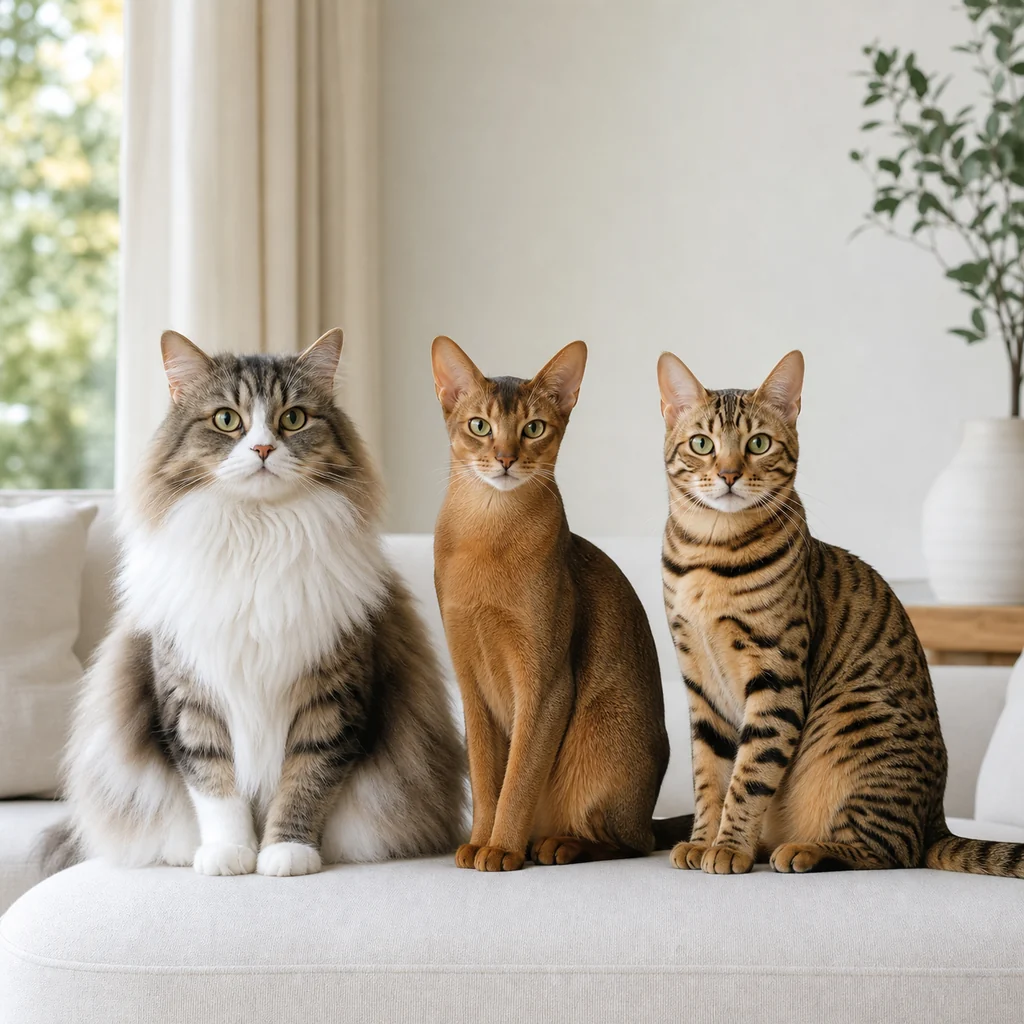
What the name really means
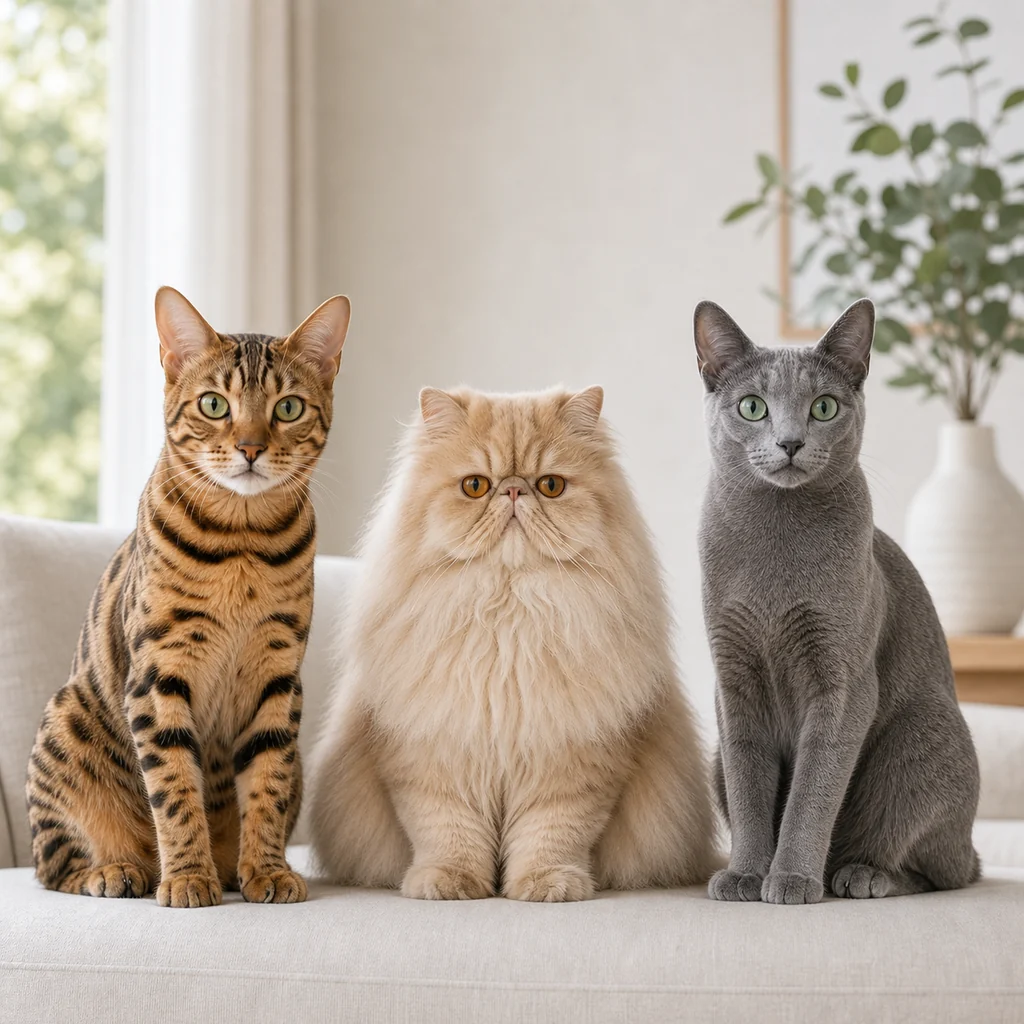
Compare Persian, Exotic Shorthair, British Shorthair, Chartreux, Ragdoll, RagaMuffin, and Selkirk Rex.
Updated
Choosing a cat
Lower-energy cats may suit calm homes, but every cat still needs play and monitoring.
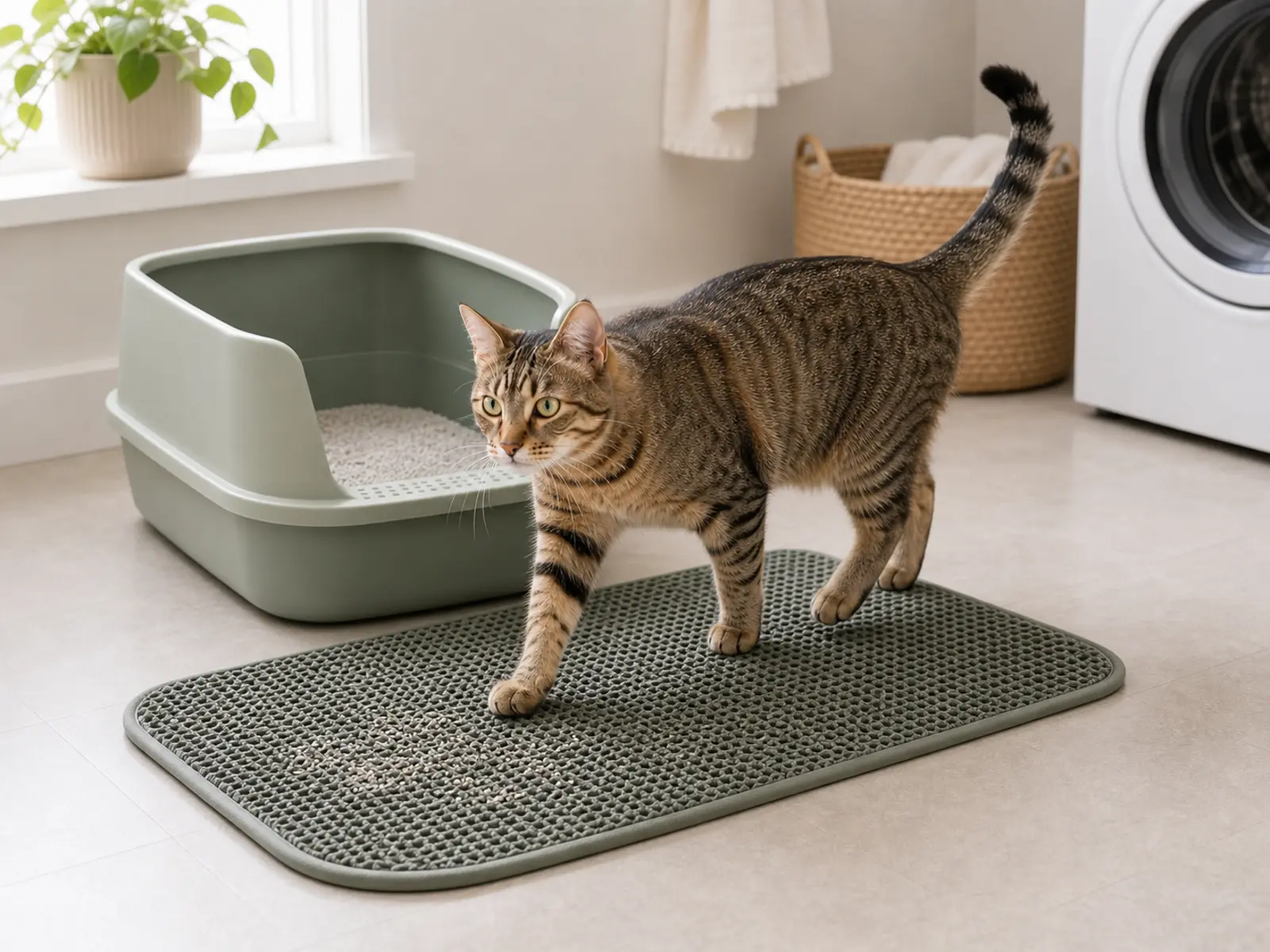
A quieter cat is not a decorative pillow. They still need movement, scratching, litter access, grooming, and vet care.
Compare Persian, Exotic Shorthair, British Shorthair, Chartreux, Ragdoll, RagaMuffin, and Selkirk Rex.
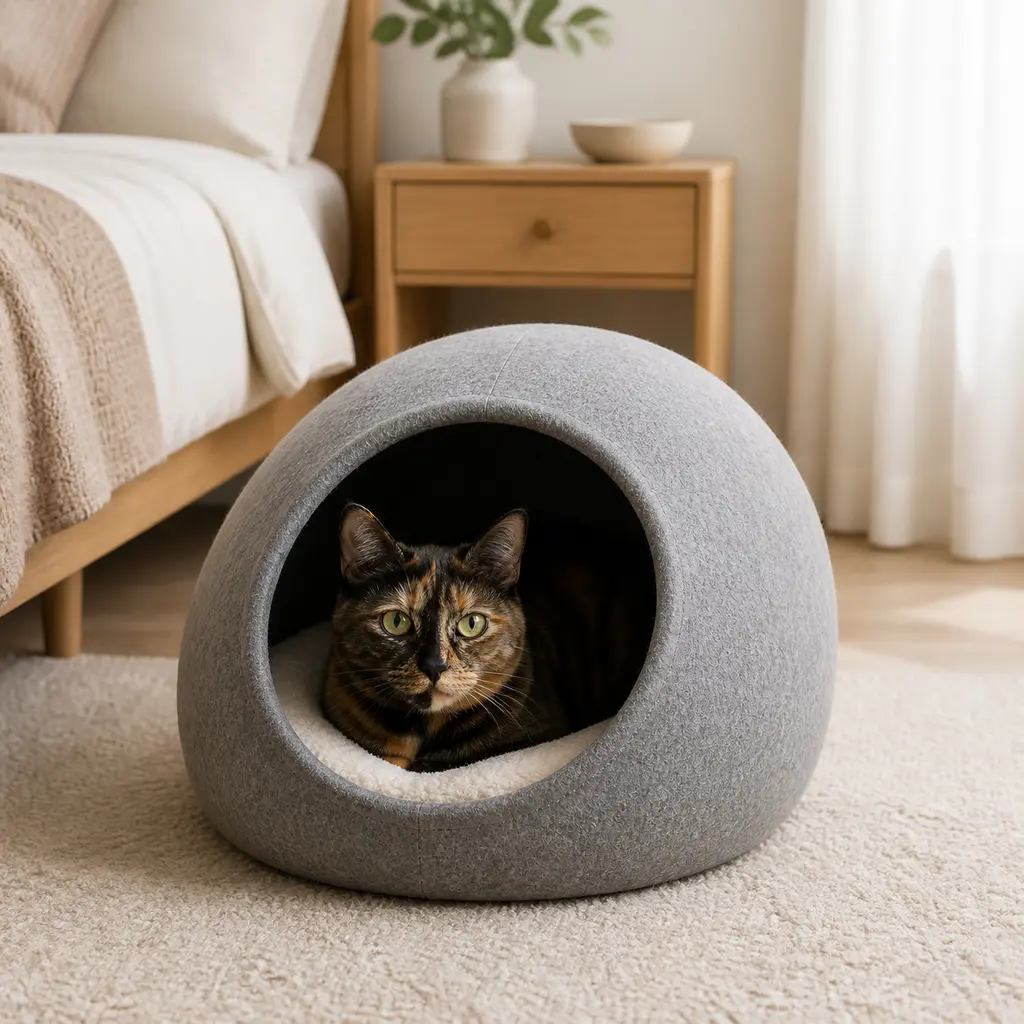
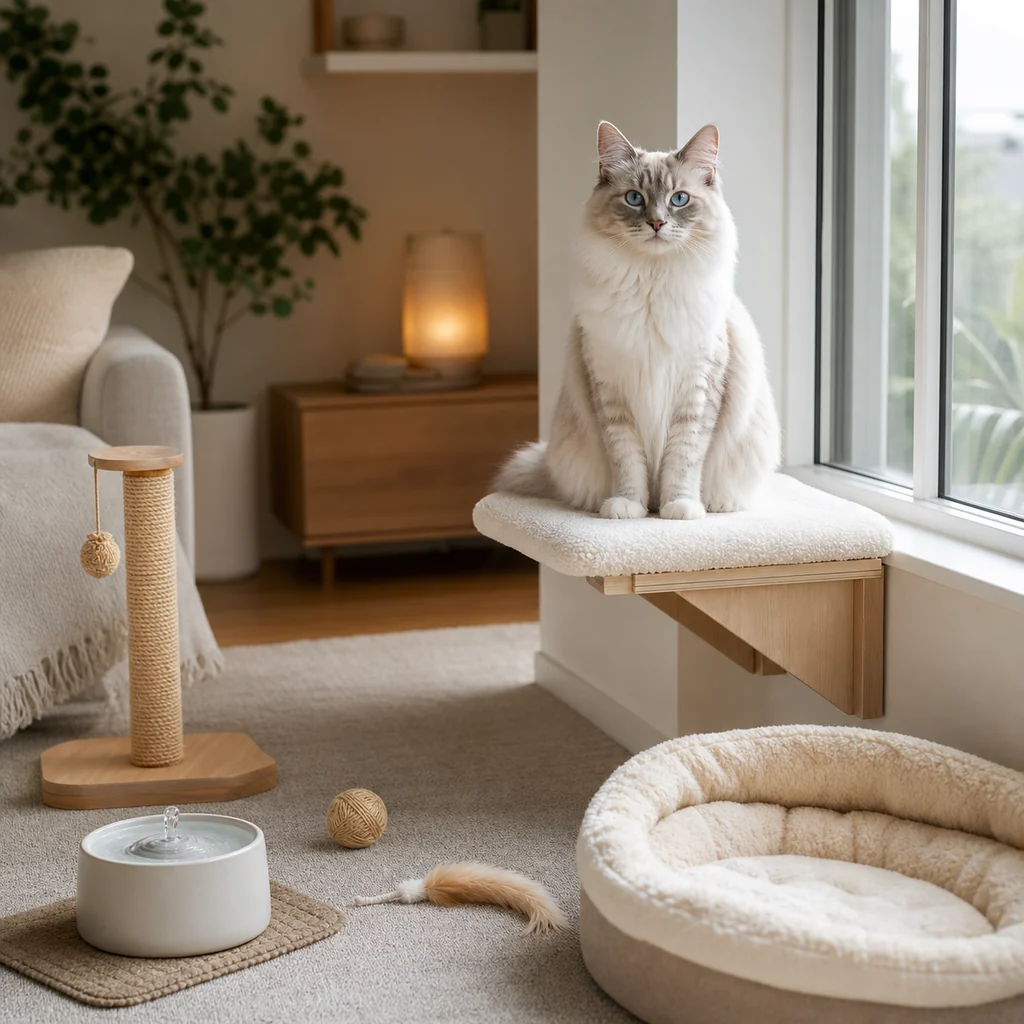
Short play sessions, comfortable rest spots, measured meals, and hands-on weight checks matter because quiet cats can gain weight slowly.
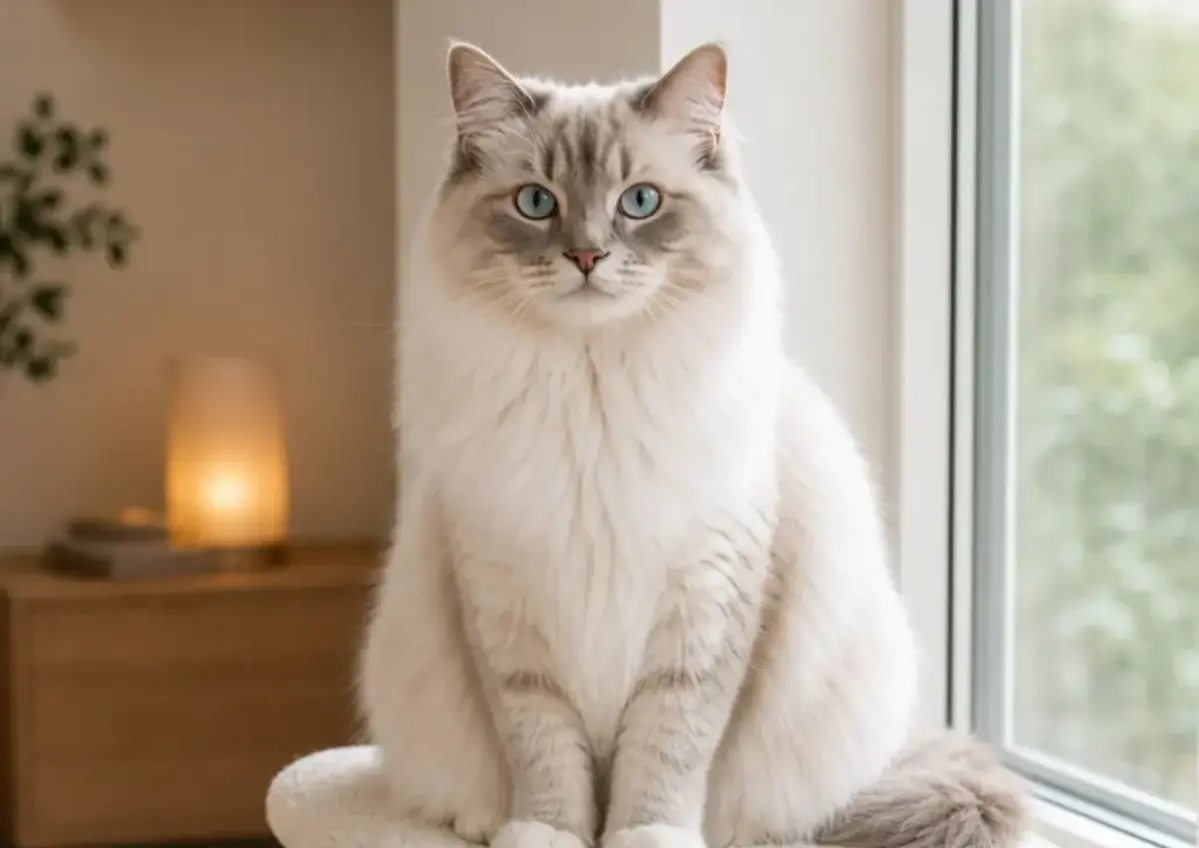
Ask whether the cat plays at all, how they handle brushing, whether weight has drifted, and how they react to kids or dogs.
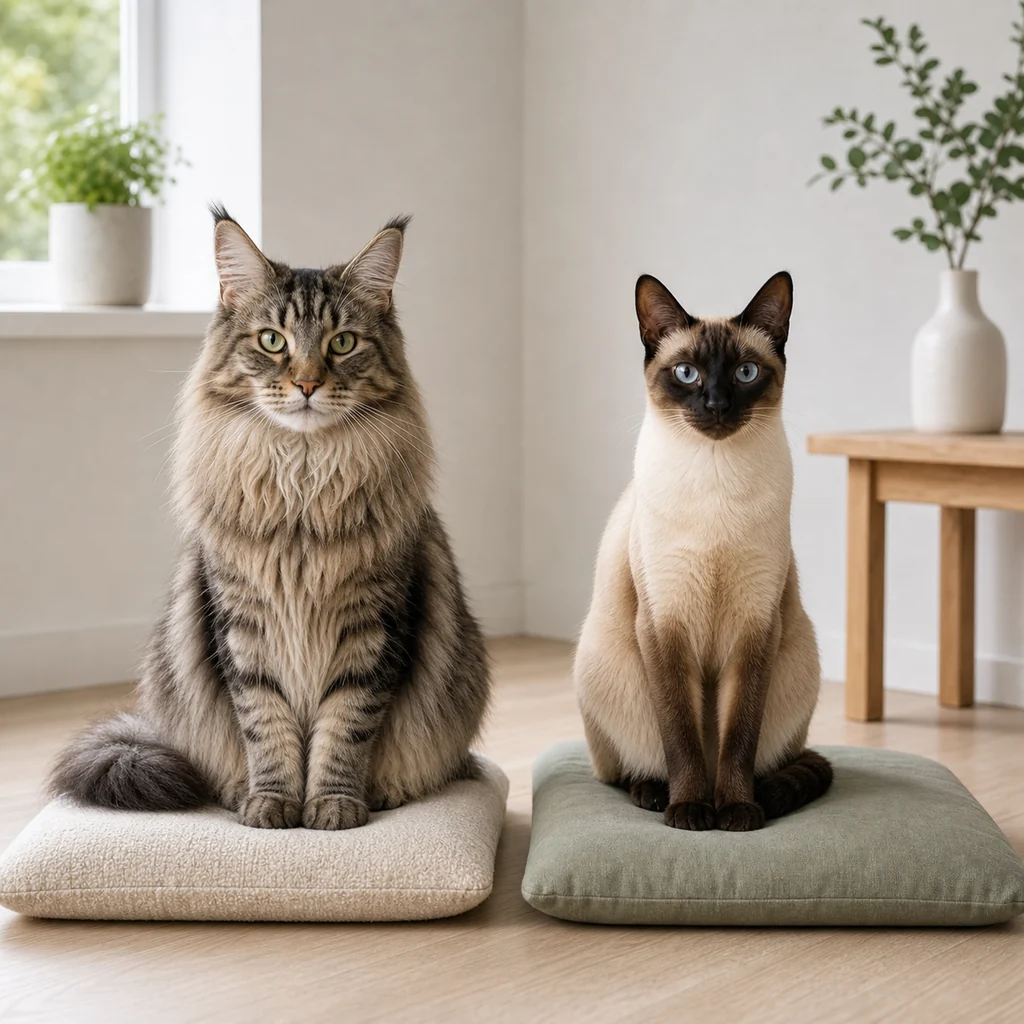
Persians and Exotic Shorthairs often have a slower rhythm; British Shorthairs may be calm but not always cuddly.
For low-energy cat breeds, build from the everyday basics: carrier, food station, scratching, and coat care that fit the cat in front of you.
Affiliate links: Furball Cove may earn from qualifying purchases at no extra cost to you.
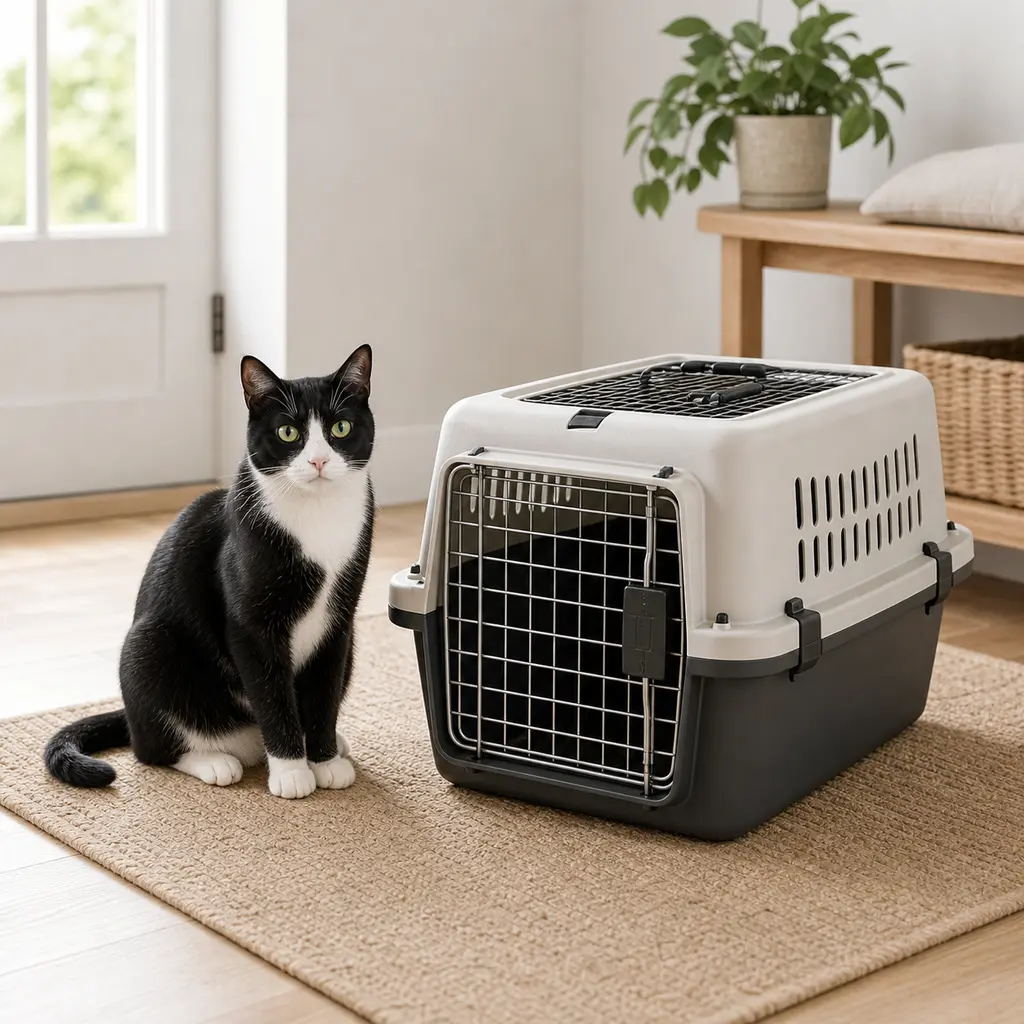
For low-energy cat breeds, choose this when you want to give nervous cats a stable shell with top access for appointments.
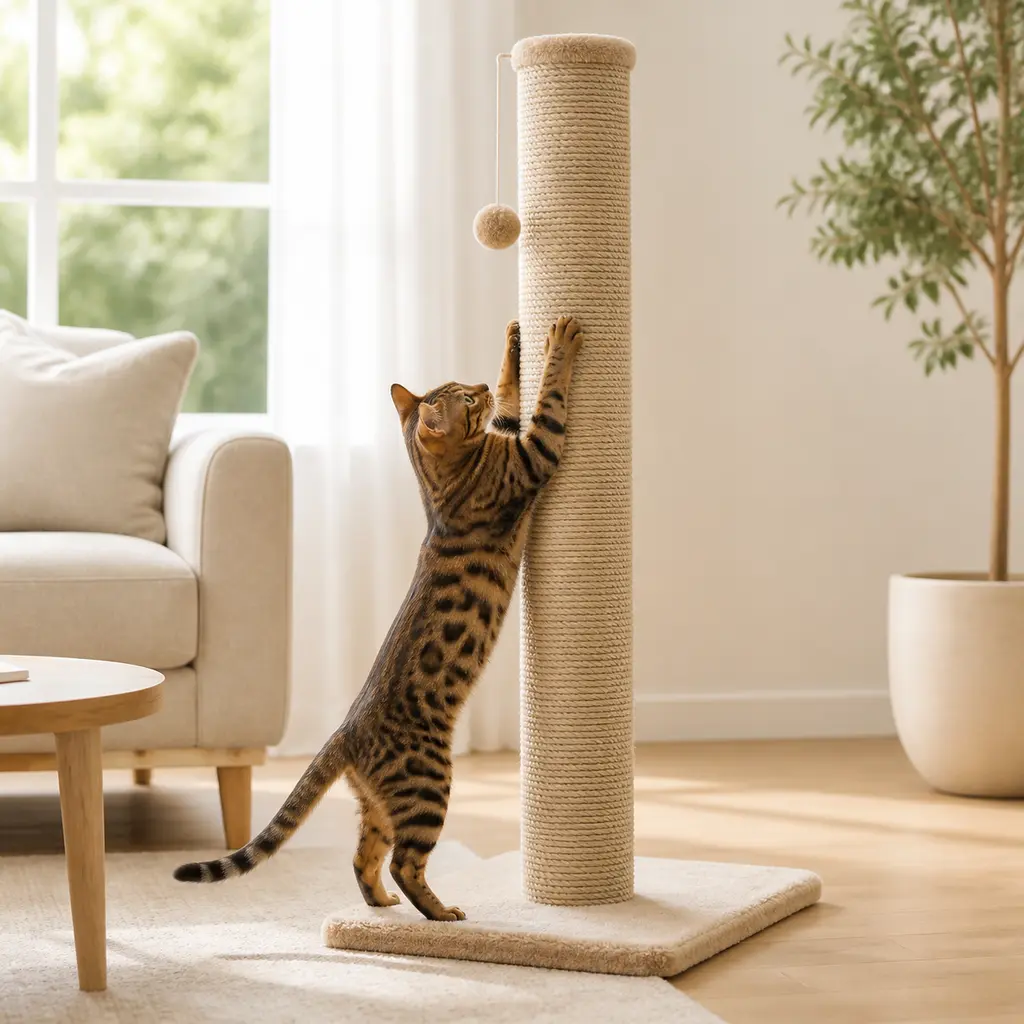
For low-energy cat breeds, choose this when you want to offer a clear yes when scratching energy shows up after naps or play.
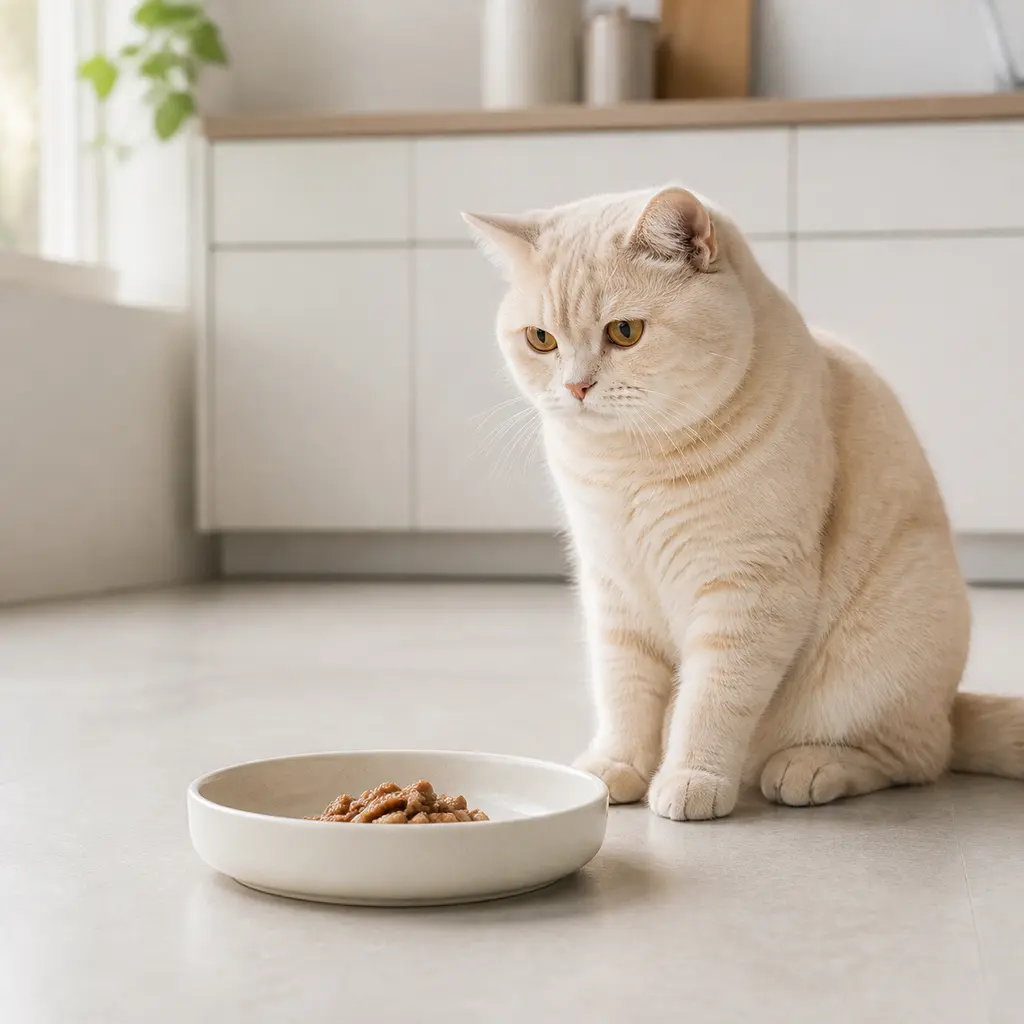
Use it in a low-energy cat breeds routine to serve small portions without forcing your cat's face into a deep dish.
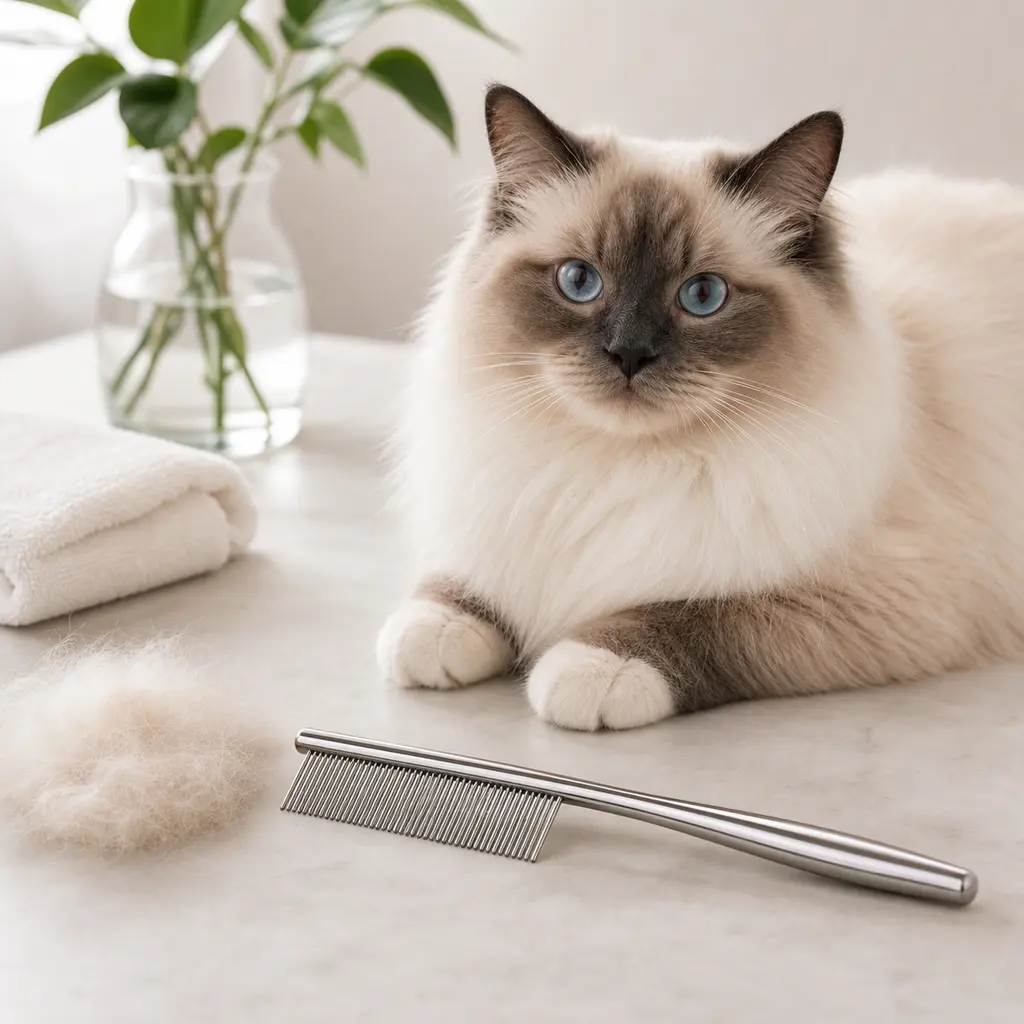
For low-energy cat breeds, choose this when you want to make coat checks precise without turning grooming into a long session.
Use low-energy cat breeds as a starting point, then meet the individual cat and ask about grooming, energy, handling, litter habits, and how they recover from stress.
Slow down when the choice is based mostly on looks, stereotypes, or one cute moment. Ask the rescue, shelter, or breeder about the individual cat's routine before deciding.