Updated

Cat home safety

Are mothballs dangerous to cats?

Mothballs are dangerous to cats and should stay out of cat homes; if your cat chewed, licked, inhaled, or had close contact with one, call your veterinarian or pet poison control.

This is not a normal household smell to ignore. Cats can investigate with their paws, mouth, nose, and coat, then groom residue later.

Remove the source first

Move mothballs out of the room and keep your cat away from the area. Do not leave them in closets, drawers, basements, garages, or storage spaces your cat can enter.

Exposure questions are about contact, not just ownership. Think about licking, chewing, inhaling, walking through residue, grooming it off paws, or drinking from a container.
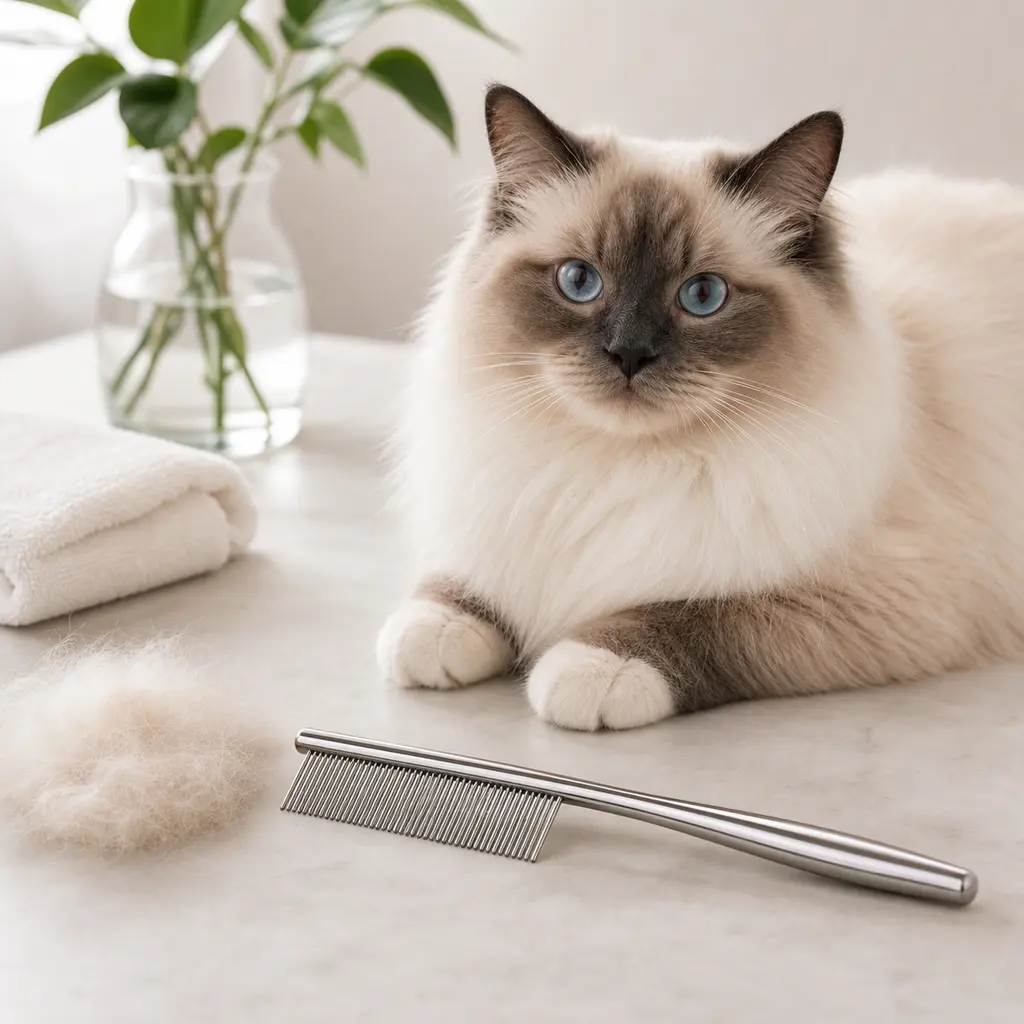
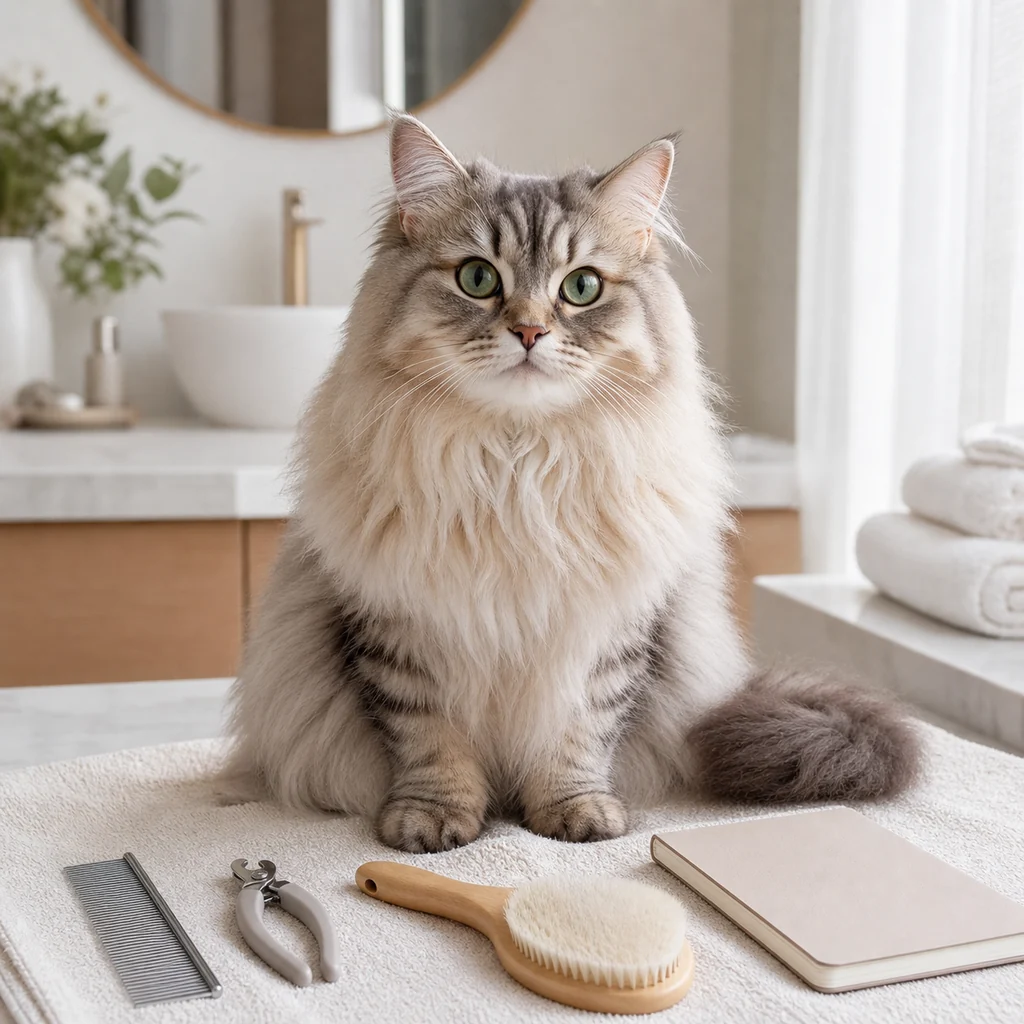
Cat grooming comb beside a long-haired cat

Think about contact, not just swallowing

A cat may chew a mothball, walk through residue, sniff a strong enclosed space, or rub against stored fabric. Because cats groom their coat and paws, residue can matter after the first contact.

Start by stopping access, then identify the exact product or object. The label, amount, timing, and route of exposure matter more than a general safety guess.

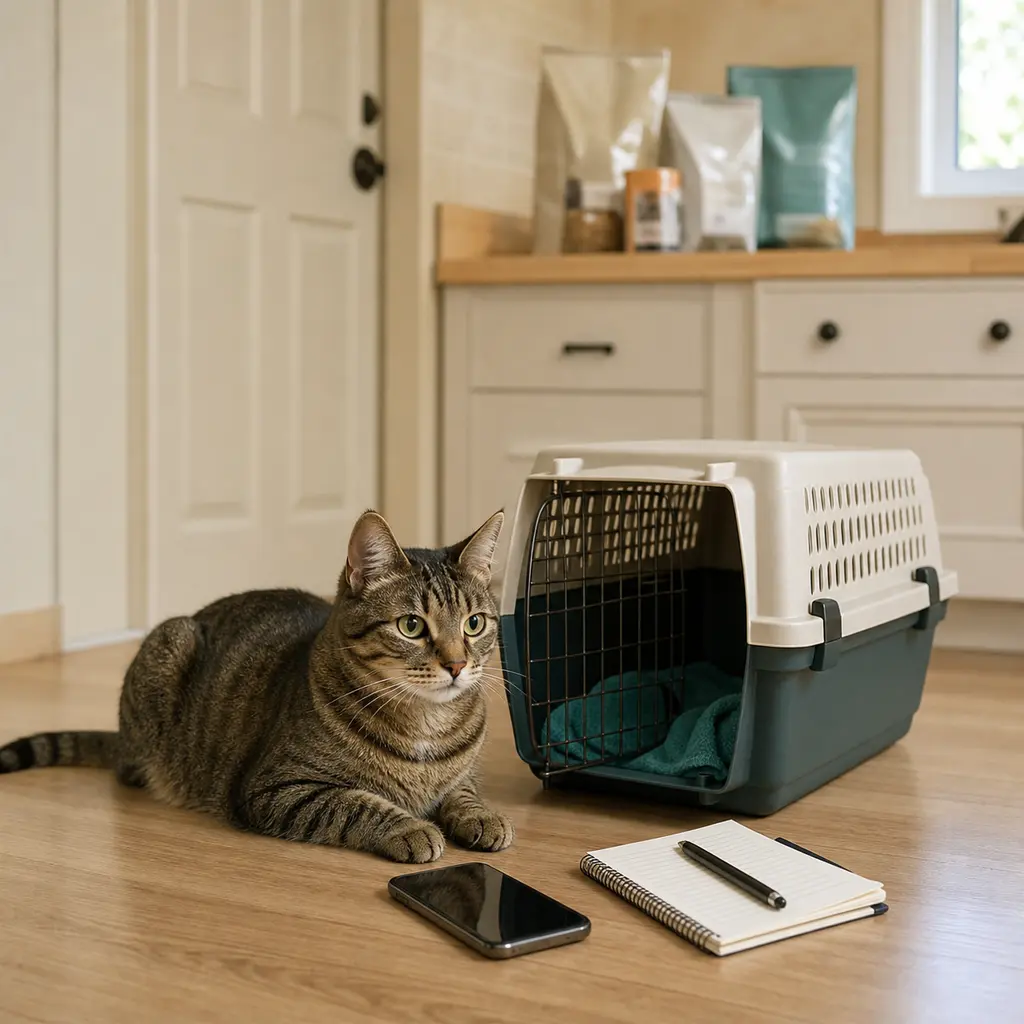
Cat vet records and appointment questions

Save the label

If exposure happened, save the package or take a photo of the label. The product name, ingredient, amount, timing, and your cat's weight help your veterinarian or poison-control specialist guide the next step.

Remove access first, then sort out the exact product, plant, cleaner, scent, or object. Keep labels, photos, and timing notes because small details change the advice.

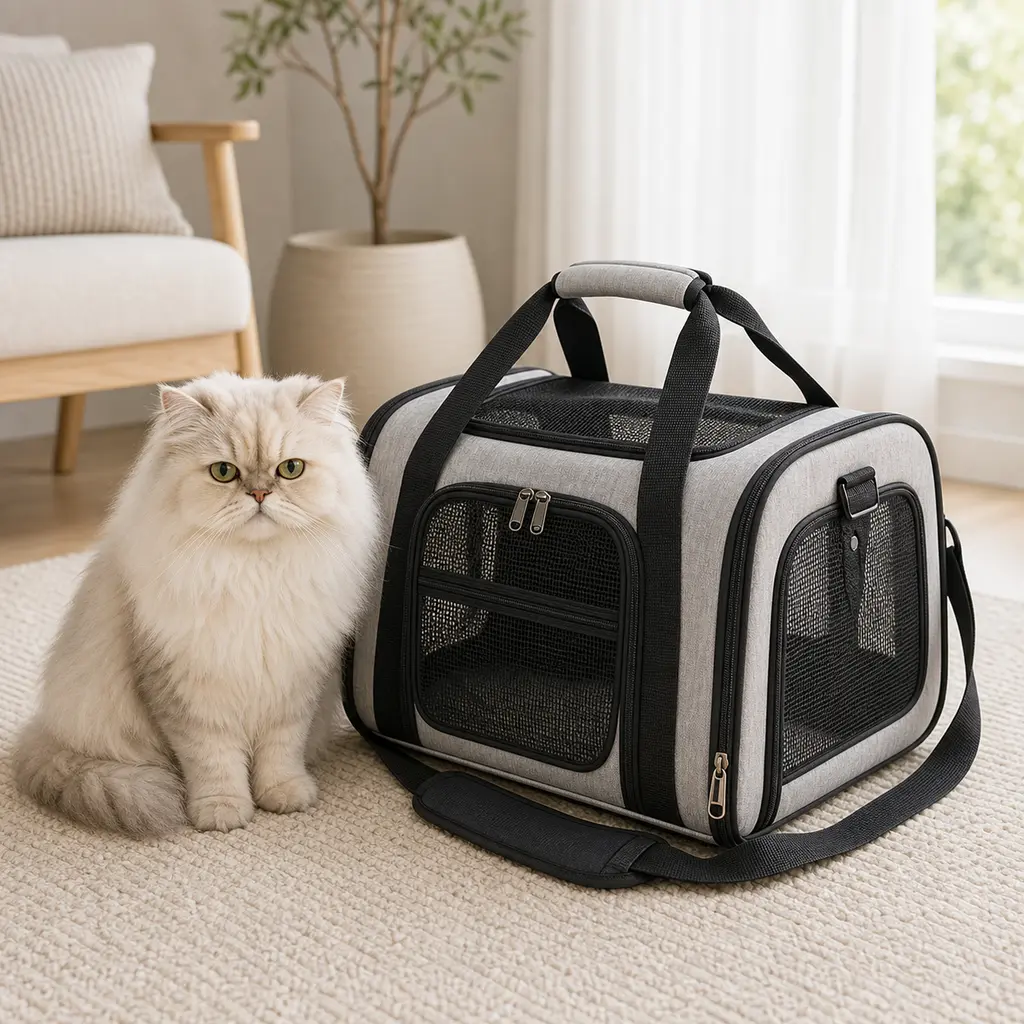
Soft-sided cat carrier for travel practice

Call instead of waiting

Call your veterinarian or pet poison control if your cat chewed, licked, swallowed, inhaled, or had close contact with mothballs, especially if there is drooling, vomiting, weakness, tremors, breathing trouble, or behavior that feels wrong.

Call promptly for chemical, scent, medication, plant, cord, or small-object exposure, especially if your cat is coughing, drooling, vomiting, weak, burned, or acting unlike normal.

Before you decide

  • Could your cat chew, lick, inhale, or walk through mothball residue?
  • Do you have the product label or ingredient name?
  • Any drooling, vomiting, weakness, tremors, breathing trouble, or odd behavior?
  • Can you keep your cat away from the area while you call?

Next best moves

  • Remove access to the mothballs and ventilate the area.
  • Save the package or product name.
  • Call your veterinarian or pet poison control for any possible exposure.

Quick cat question

Are mothballs dangerous to cats?

Mothballs are dangerous to cats and should stay out of cat homes; if your cat chewed, licked, inhaled, or had close contact with one, call your veterinarian or pet poison control.

When should I get help?

If your cat chewed, licked, swallowed, inhaled, or walked through a risky product, call your veterinarian or pet poison control with the product name, amount, timing, and your cat's weight.

References