My bonded rabbits groom one rabbit more: is that okay
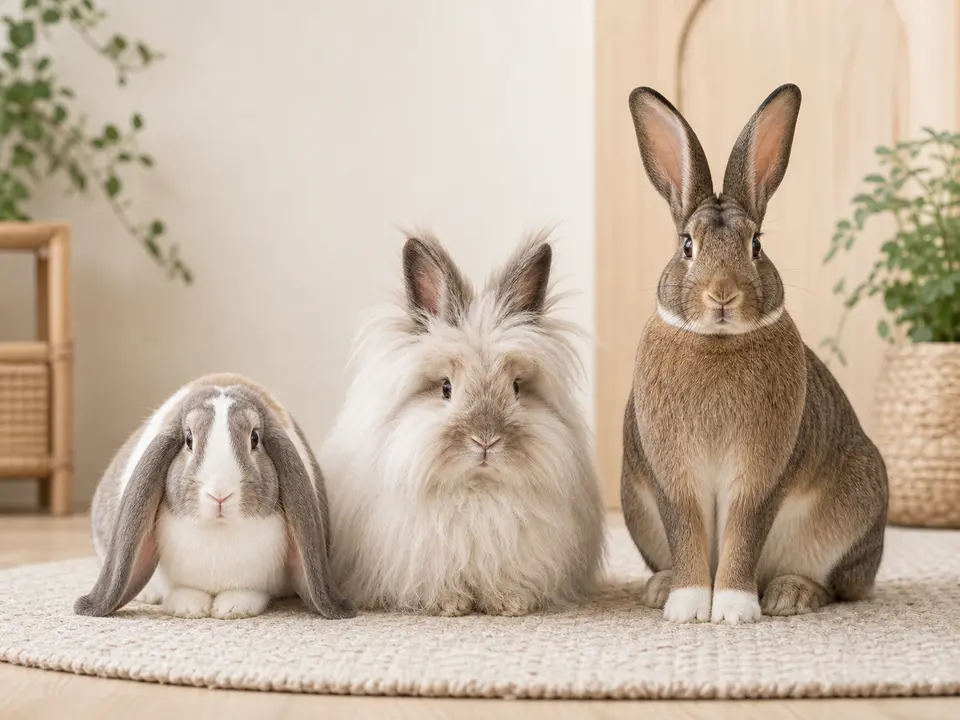
In a bonded pair, one rabbit grooming the other more can be normal if both rabbits stay relaxed, eat normally, and neither is being chased or bullied. Watch the whole relationship, not only the grooming count.
Rabbit-to-rabbit bonding is a compatibility process, not a trust exercise with a person. Plan separate home bases, use neutral territory, supervise every meeting, and judge progress by whether both rabbits can eat, rest, and move without pressure.
Uneven grooming can still be normal
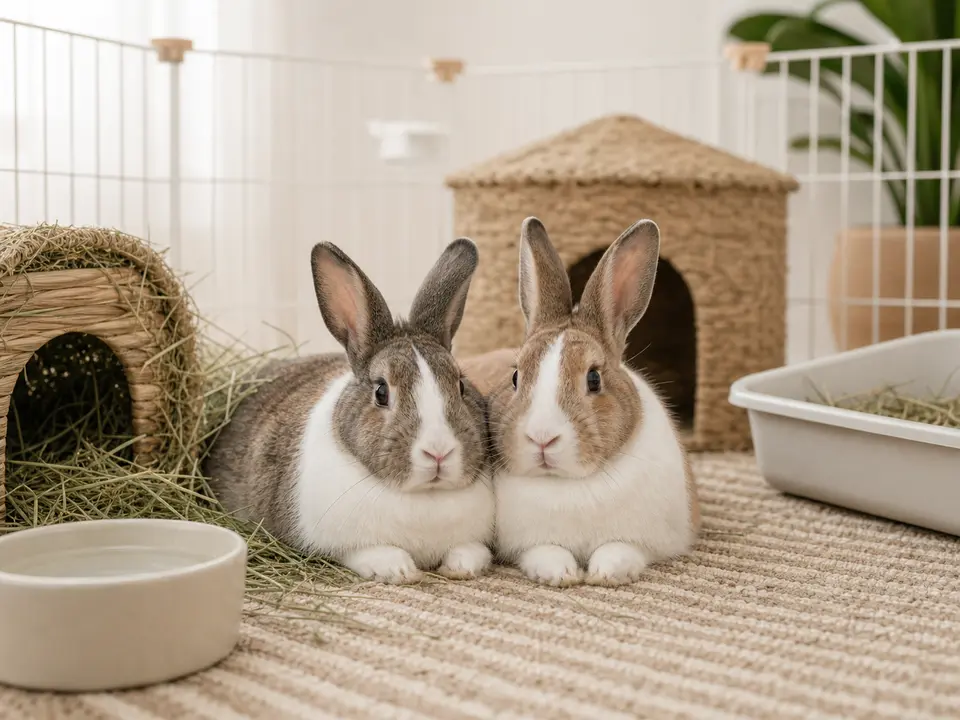
In a bonded pair, one rabbit grooming the other more can be normal if both rabbits stay relaxed, eat normally, and neither is being chased or bullied. Watch the whole relationship, not only the grooming count. Grooming does not have to be perfectly equal for a bonded pair to be comfortable. The useful question is whether both rabbits can rest, eat, move away, and share the room without one rabbit constantly yielding.
Watch the pair during ordinary quiet time. A rabbit who asks for grooming more often may simply be more persistent, while the other shows attachment by resting close, following, or sharing hay.
Watch whether both rabbits can relax
Look for loose bodies, normal appetite, relaxed resting, and easy movement around each other. Those signs matter more than counting every lick.
If one rabbit repeatedly lowers their head and becomes frustrated, add space and resources rather than trying to make the other rabbit groom on command.
Check for guarding and blocked resources
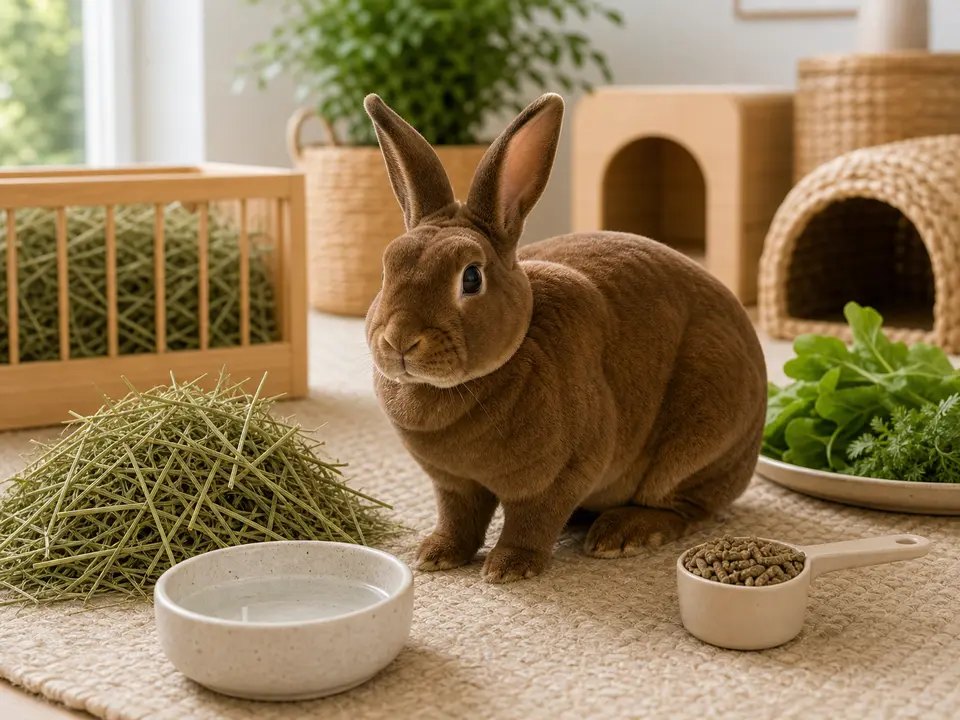
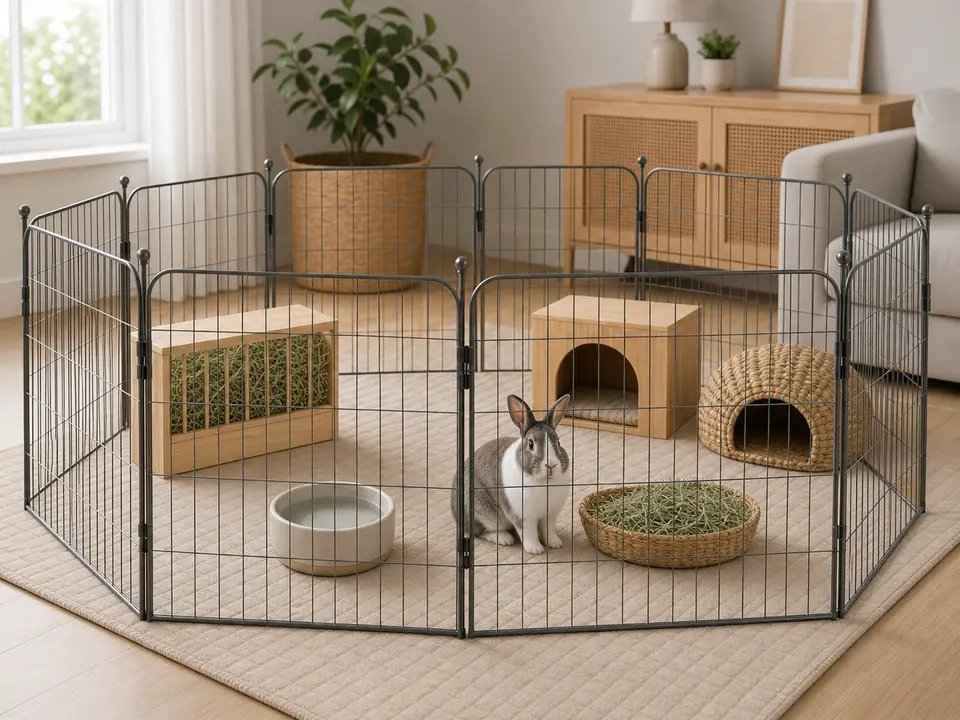
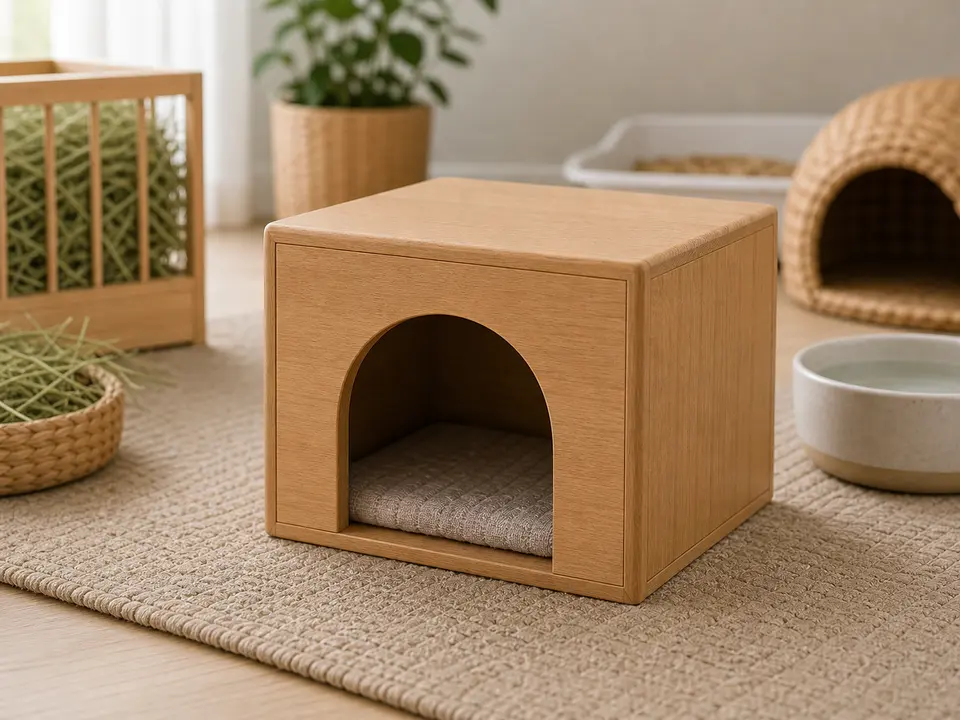
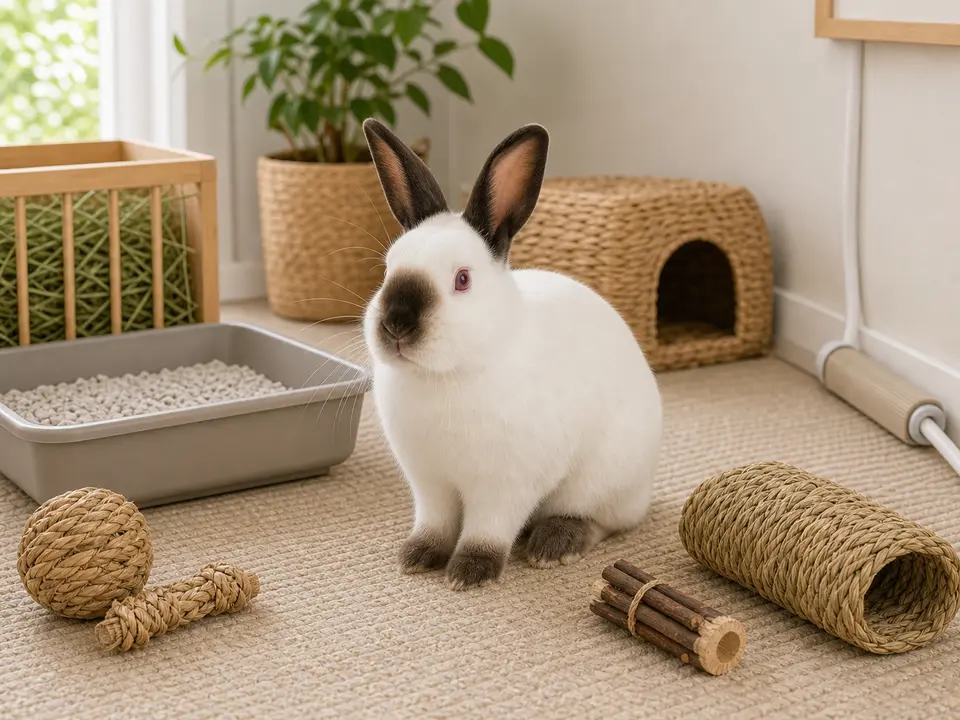
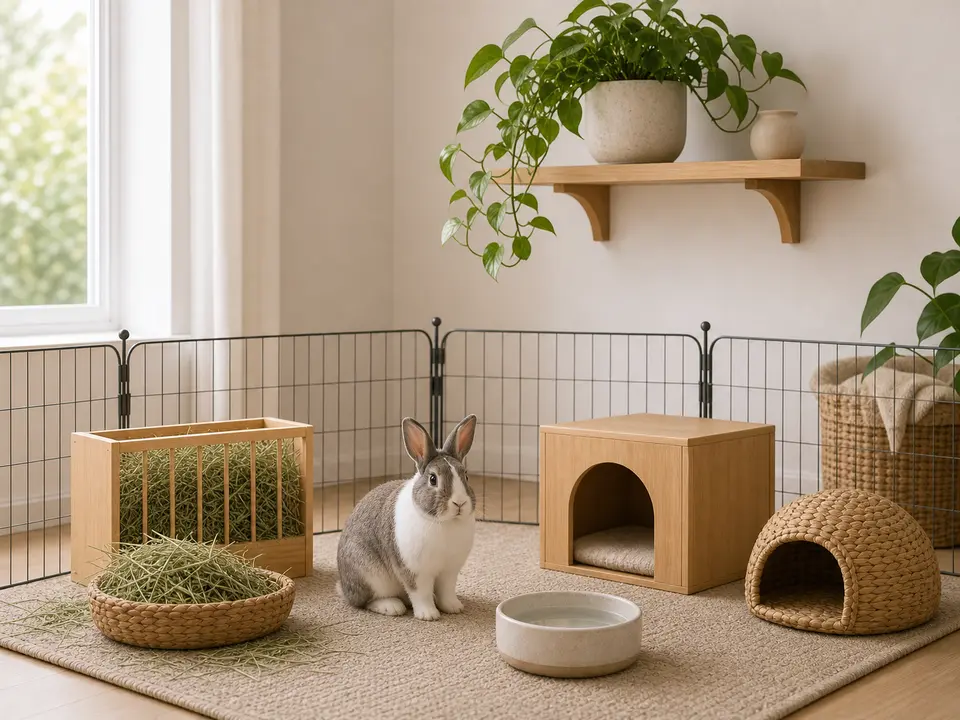
Give the pair more than one comfortable resting place, generous hay access, and room to leave each other. A relationship is easier to read when no rabbit has to compete for every good spot.
Guarding hay, litter, water, or a favorite hideout changes the picture. Add duplicate resources and watch whether the quieter rabbit can use them without being displaced.
Notice skin, coat, and health changes
A sudden change in grooming can follow discomfort, limited mobility, dental trouble, skin irritation, or a shift in the bond. Check both rabbits rather than assuming the social pattern is the whole explanation.
Notice bald patches, sore skin, damp fur, weight change, reduced appetite, or a rabbit who no longer settles normally with the partner.
Get help if the relationship turns tense
Separate and get experienced help if grooming turns into fur pulling, chasing, bites, blocked resources, or one rabbit hiding from the other. A rabbit-savvy rescue can help with bond dynamics, and a vet should assess physical changes.
The goal is not equal grooming on a scoreboard. It is a pair in which both rabbits look safe, healthy, and free to relax.
Before you decide
What changed recently?
Can your rabbit choose a quiet retreat?
Are hay, water, litter, and footing easy?
Is this normal for your individual rabbit?
Next best moves
Make one small change.
Watch what your rabbit chooses next.
Keep the setup calm enough to repeat tomorrow.
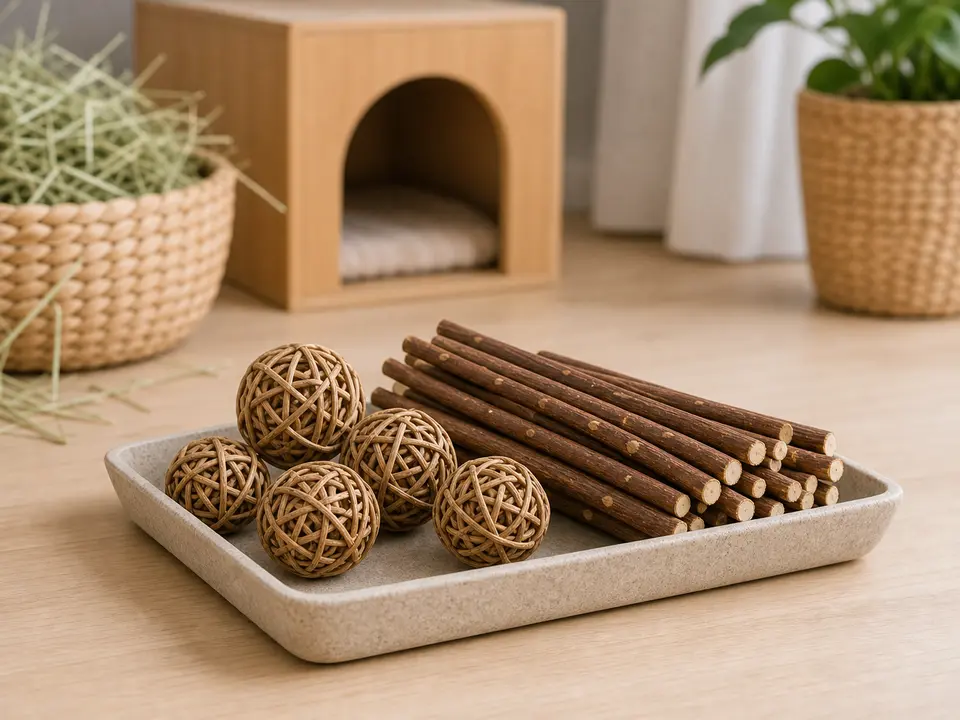
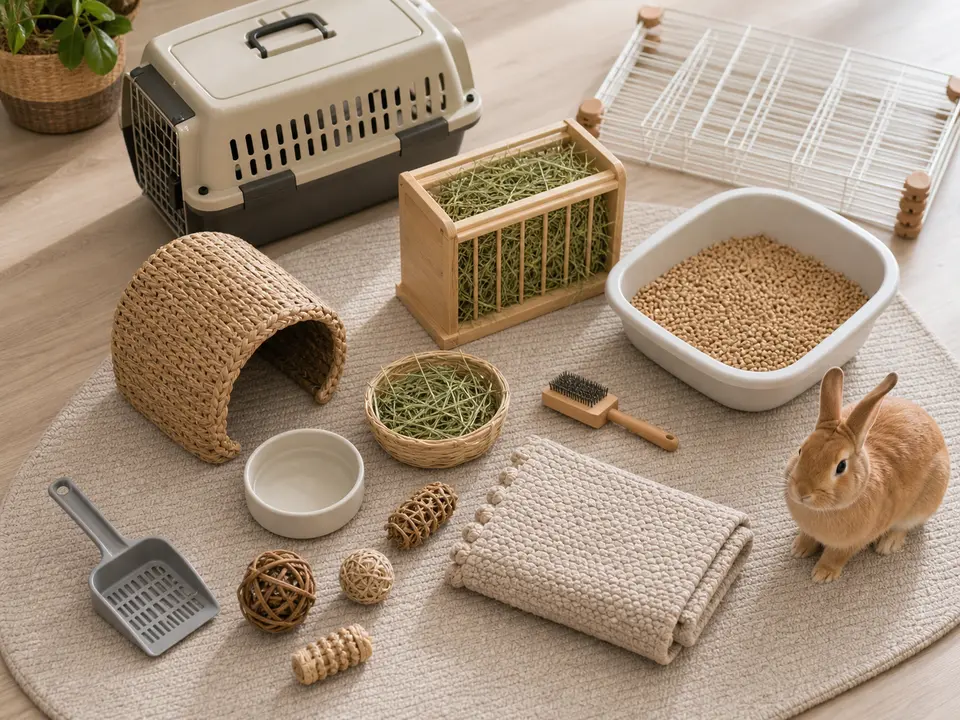
Quiet tools for trust-building
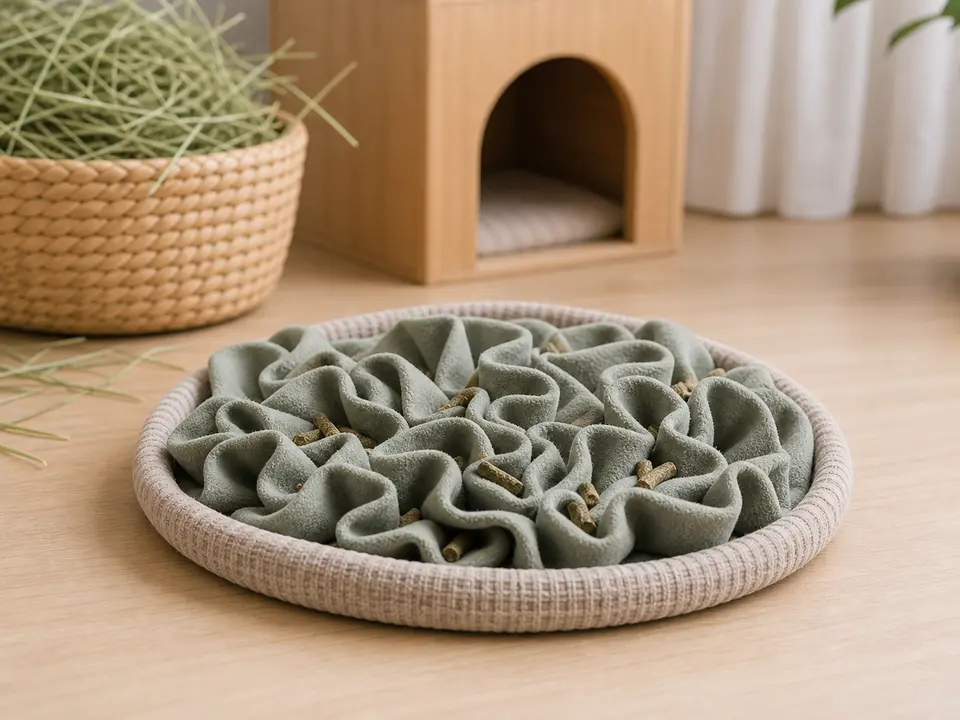
The best tools add choice, retreat space, and calm repetition instead of forcing contact.
Affiliate links: Furball Cove may earn from qualifying purchases at no extra cost to you.
My bonded rabbits groom one rabbit more: is that okay?
In a bonded pair, one rabbit grooming the other more can be normal if both rabbits stay relaxed, eat normally, and neither is being chased or bullied. Watch the whole relationship, not only the grooming count.
How do I know if I moved too fast?
If your rabbit hides longer, avoids your hands, boxes, grunts, thumps repeatedly, or will not come back for food, make the next interaction shorter, lower, and easier to leave.
Should I pick my rabbit up to fix this?
Usually no. Most trust and behavior work starts better on the floor. Save picking up for necessary care, and practice it in tiny reward-based steps.