My new rabbit only explores at night: is that normal
A new rabbit exploring mostly at night is often being cautious, not failing to bond. Keep the room predictable, avoid chasing daytime interaction, and watch whether hay, water, poop, and quiet confidence stay normal.
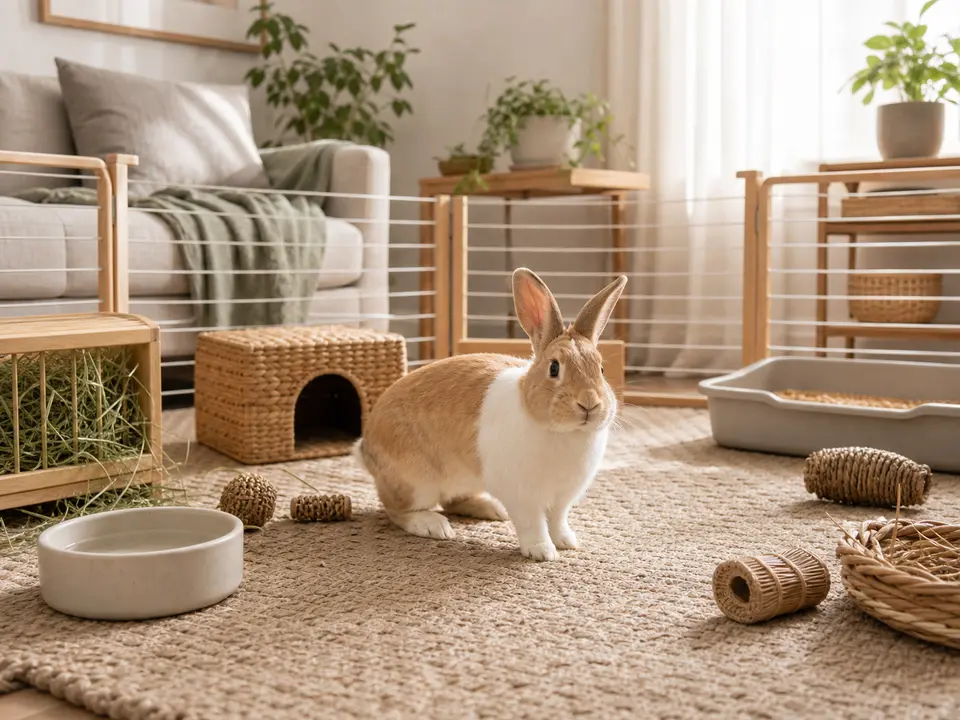
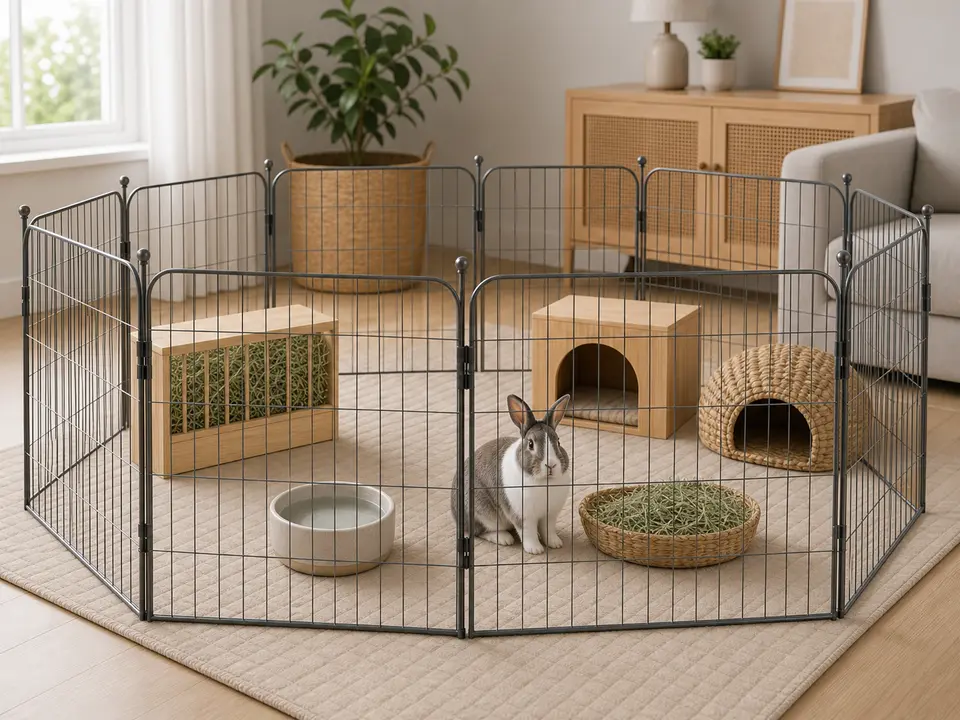
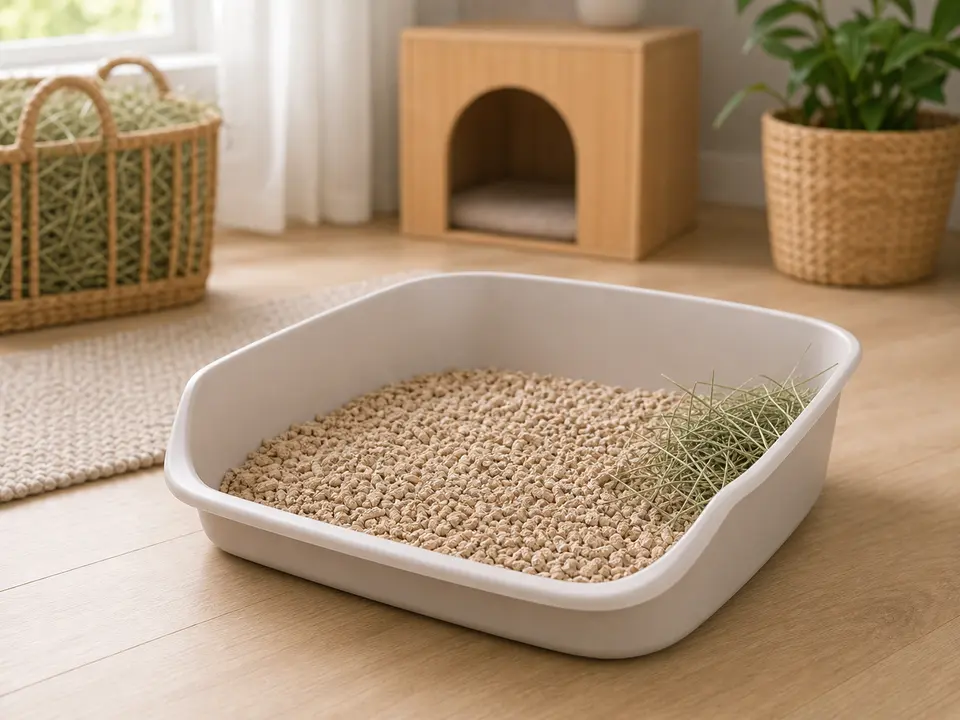
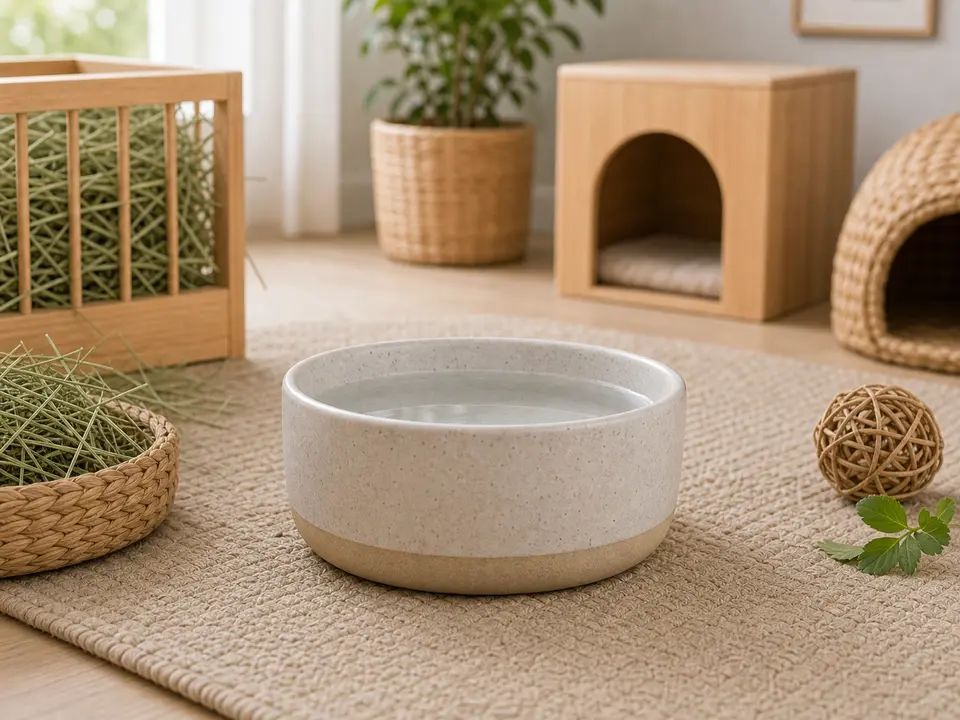
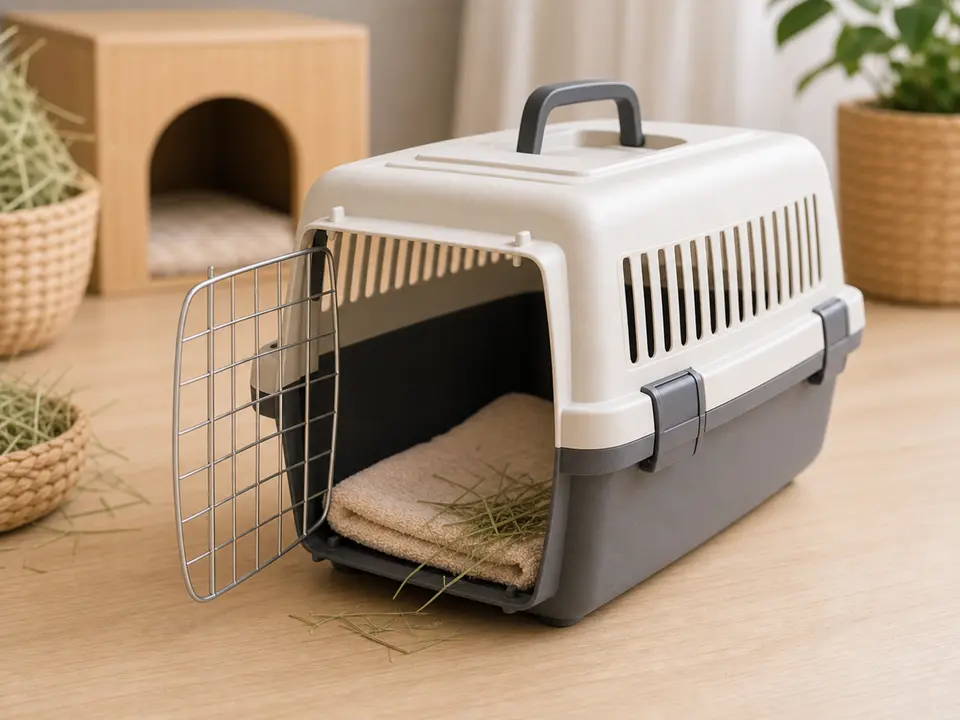
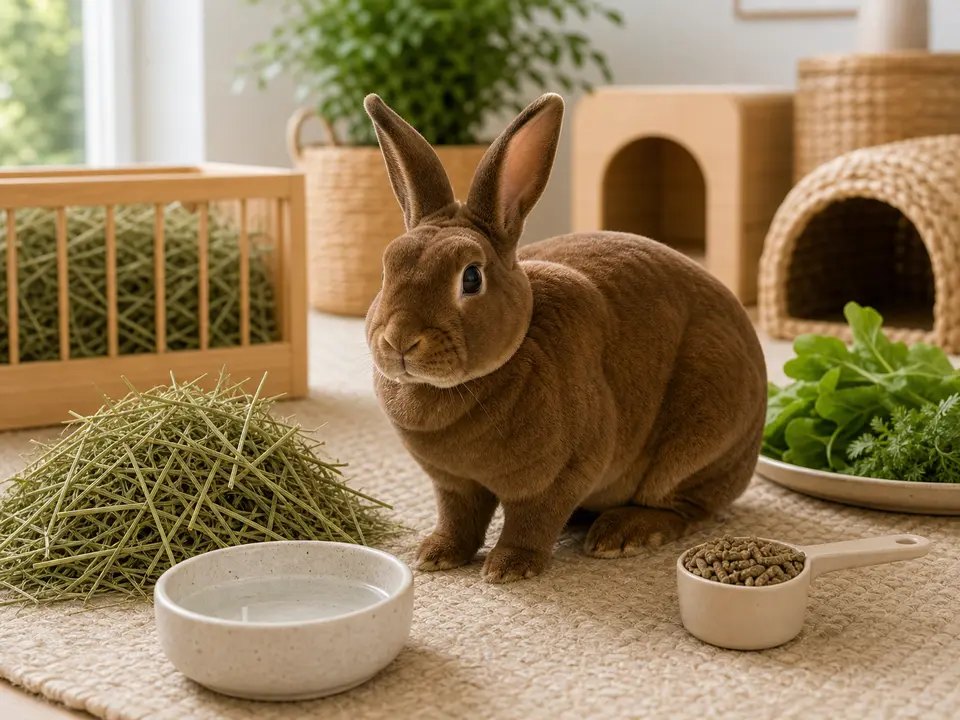
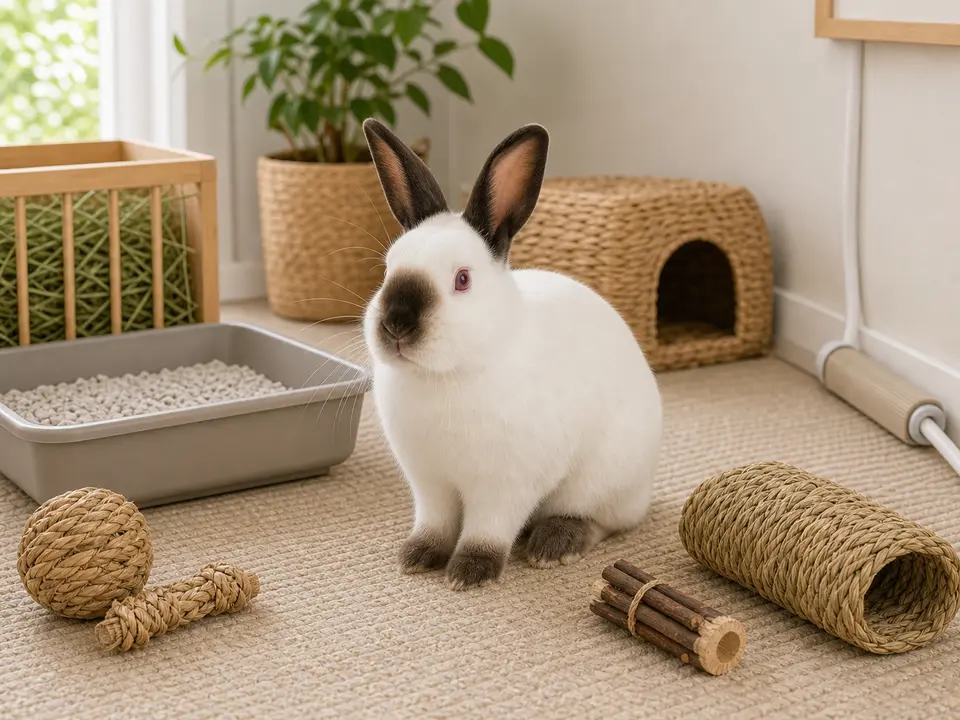
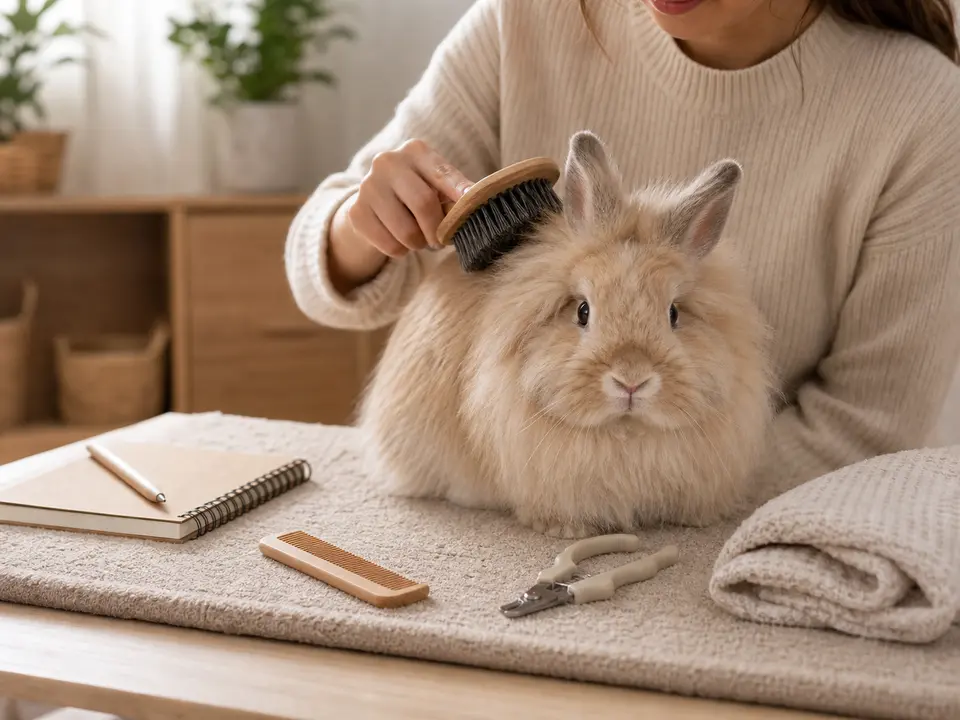
New rabbits do best when the first room feels predictable and quiet. This guide keeps the answer grounded in the room your rabbit actually uses: hay, water, litter, hideouts, safe chewing, quiet handling, and enough patience for trust to build.
Yes, cautious night exploring can be normal
A new rabbit may wait until the room is quiet before exploring. Night movement can mean the rabbit is curious but still careful about footsteps, hands, voices, and unfamiliar sounds during the day.
The useful question is whether the basics stay normal: hay eaten, water touched, poops present, and a rabbit who gradually looks less tense in the room.
If those basics look good, give the pattern time. Many rabbits test a new room after the household quiets down, then slowly bring that confidence into brighter, busier hours.
Do not chase daytime confidence
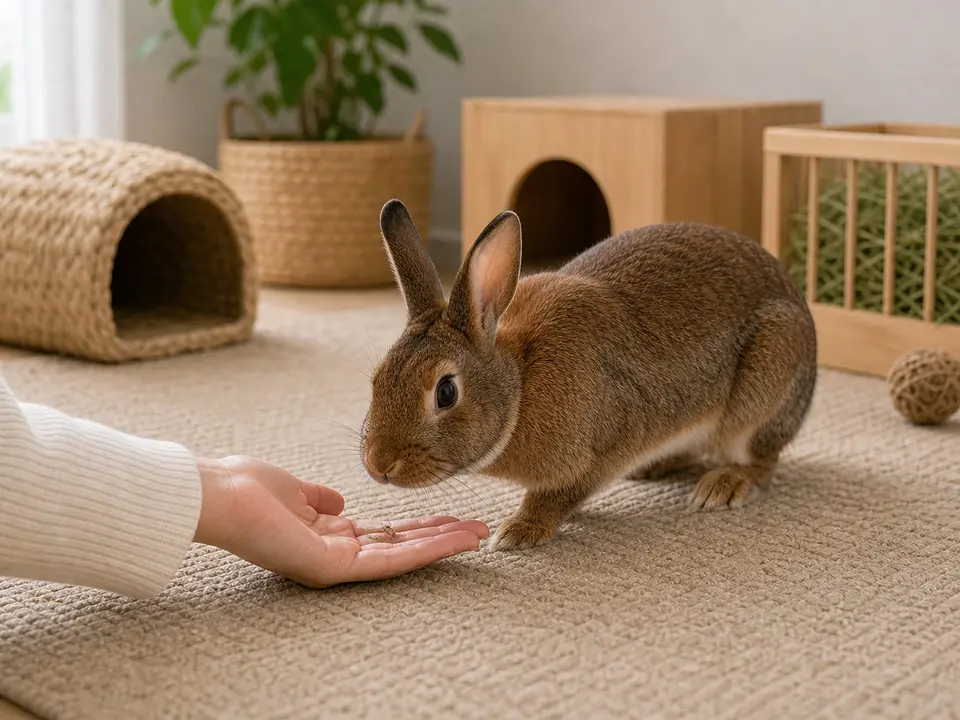
Trying to force daytime interaction can slow trust. Sit on the floor, keep your body low, and let food, cleaning, and calm presence happen on a predictable schedule.
If your rabbit comes out at night but hides from hands during the day, treat that as a pacing clue, not a rejection.
A tiny daytime win might be eating while you sit nearby or pausing at the hideout entrance. Let those wins stay small instead of turning them into a handling session.
Make the room easy to read
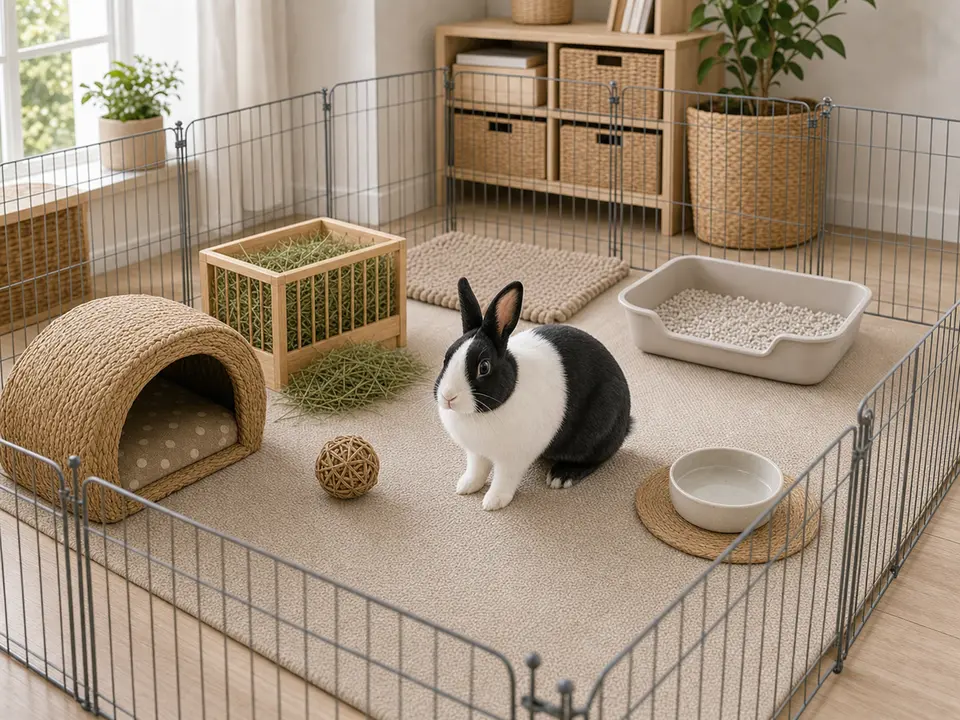
Keep hay, water, litter, hideout, and chew options in steady places for the first stretch. A rabbit who explores after dark should not have to relearn the room every morning.
Avoid rearranging the setup just because progress feels slow. Predictability is often what turns night-only exploring into daytime curiosity.
Use soft lighting, quiet movement, and the same food and cleaning rhythm. The room should tell the same story every day: everything important is where the rabbit expects it.
Watch for small daytime signs
You may see progress before you see bold behavior: a stretched-out rest near the hideout, eating while you are nearby, a few steps toward the door, or a pause instead of a bolt when you enter.
Those little moments are real trust signals. Reward them by staying calm instead of reaching too fast.
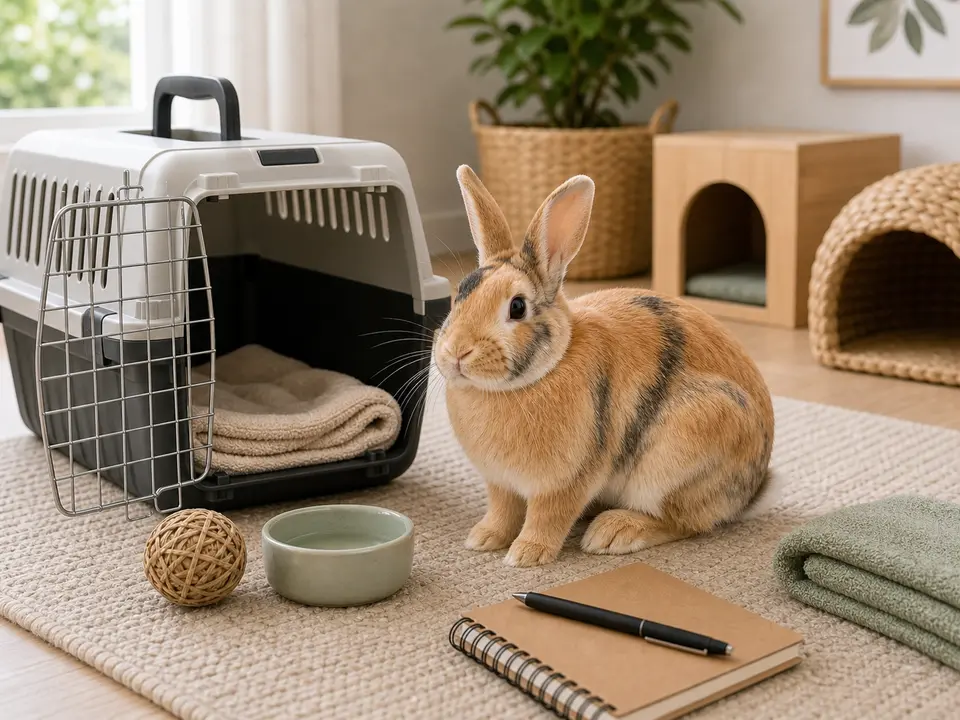
Write down what changes if you are unsure. A rabbit who comes out five minutes earlier, eats closer to you, or returns after a small noise is already learning the home.
Know when it is not just shyness
Night exploring is different from a rabbit who is not eating, not pooping, sitting hunched, breathing strangely, or seeming weak. Those signs need a rabbit-savvy vet, not more waiting.
If food and litter stay normal, you can usually slow down and let confidence build in small, ordinary steps.
Before you decide
What changed recently?
Can your rabbit choose a quiet retreat?
Are hay, water, litter, and footing easy?
Is this normal for your individual rabbit?
Next best moves
Make one small change.
Watch what your rabbit chooses next.
Keep the setup calm enough to repeat tomorrow.
First setup pieces that earn their space
Start with the pieces that make the first room calm before buying cute extras.
Affiliate links: Furball Cove may earn from qualifying purchases at no extra cost to you.
My new rabbit only explores at night: is that normal?
A new rabbit exploring mostly at night is often being cautious, not failing to bond. Keep the room predictable, avoid chasing daytime interaction, and watch whether hay, water, poop, and quiet confidence stay normal.
What should I change first?
Choose one small setup change that makes the daily routine easier: closer hay, better traction, a calmer hideout, a larger box, or a shorter handling session.
When should I get extra help?
If your rabbit stops eating or pooping, seems painful, breathes strangely, or changes suddenly, call a rabbit-savvy vet. For bonding or handling problems, an experienced rabbit rescue can also help.