The best rabbit nail clippers are small, sharp, easy to control, and paired with good light and a steady non-slip surface. Comfort and visibility matter more than a large tool.
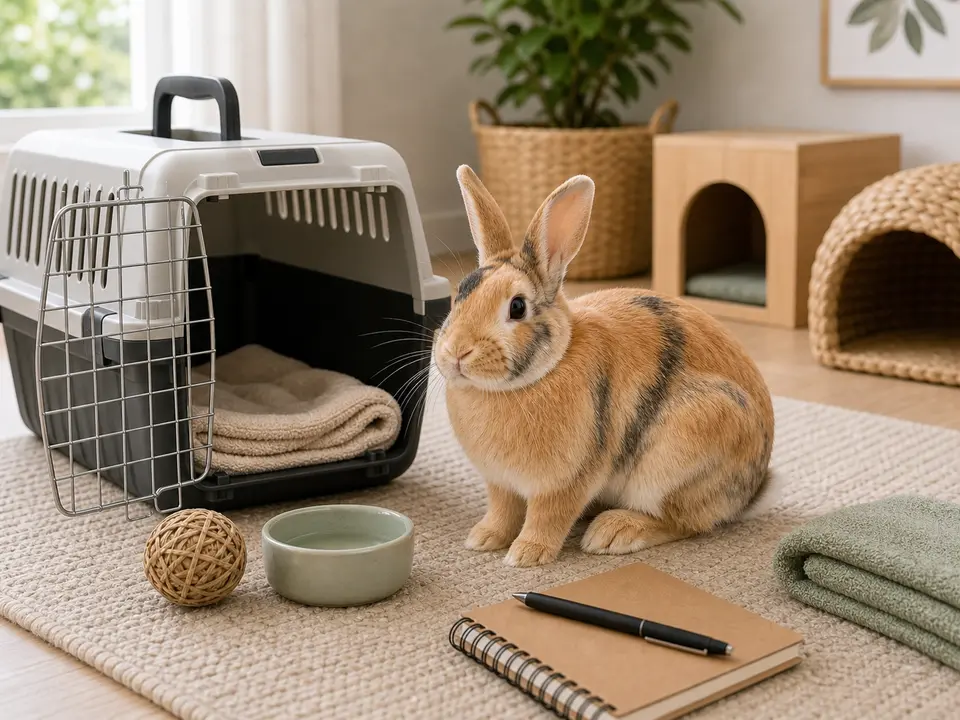
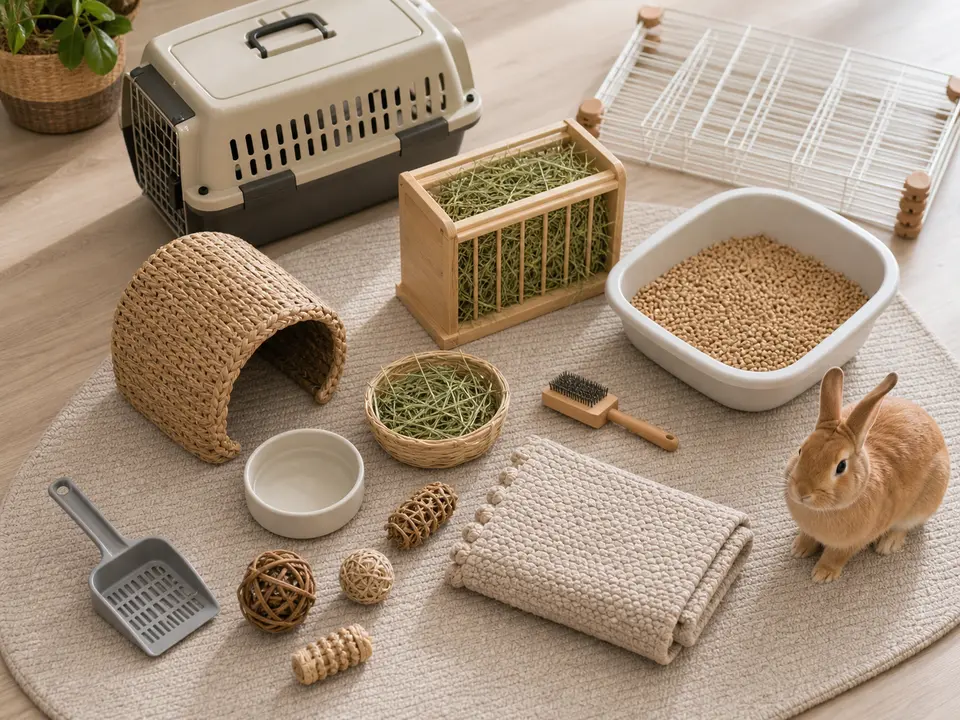
Rabbit supplies should earn their space in the daily routine. The best choice is the one that makes hay, litter, traction, chewing, transport, hiding, water, or cleanup easier tomorrow.
Choose small, sharp clippers
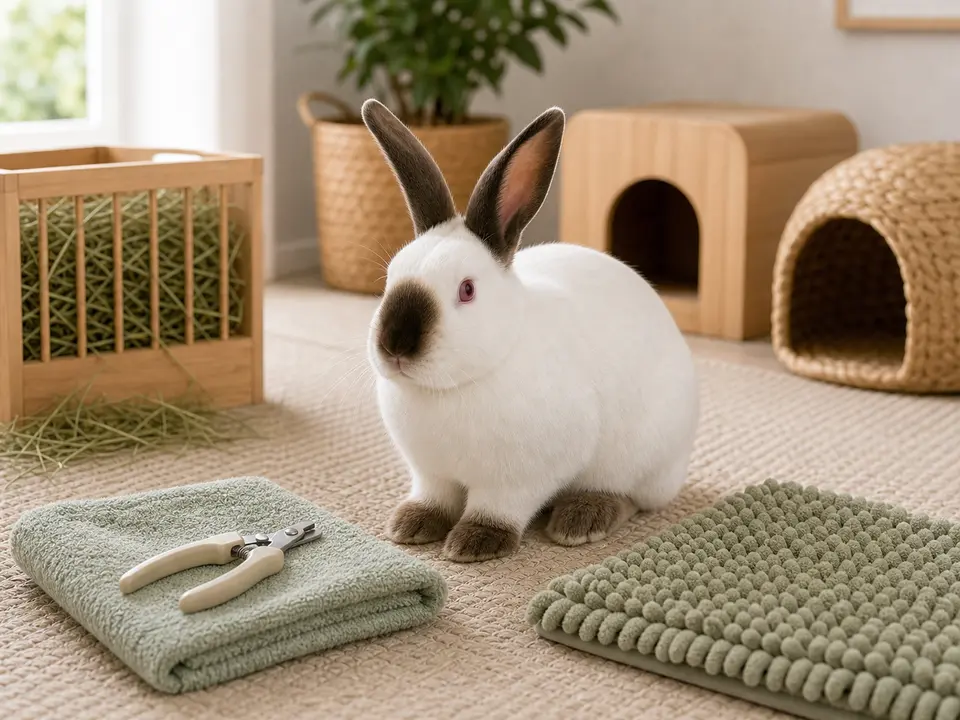
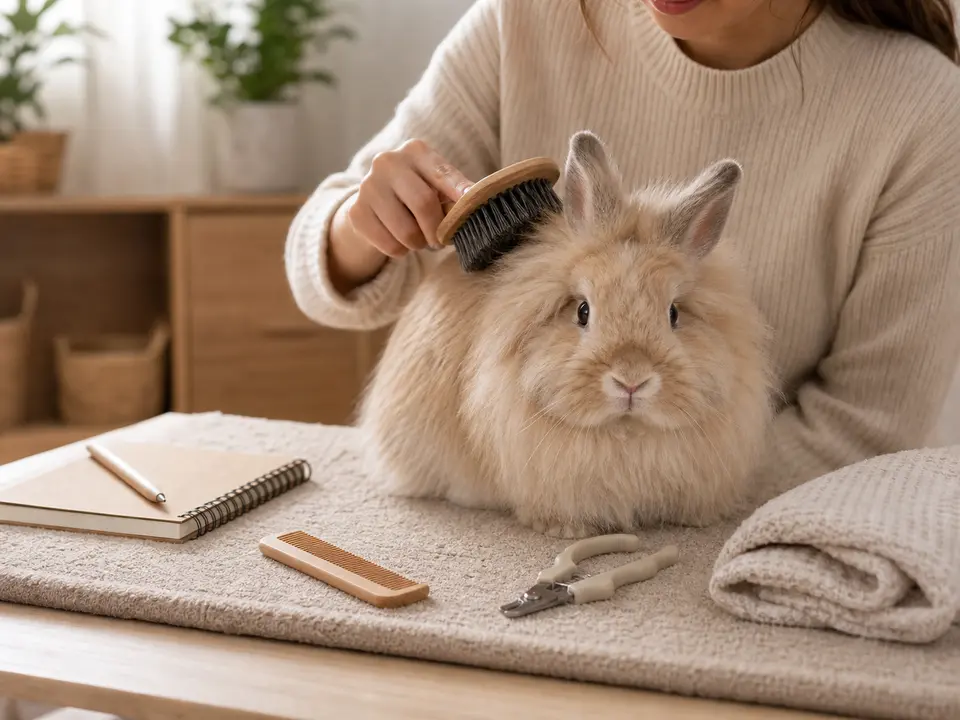
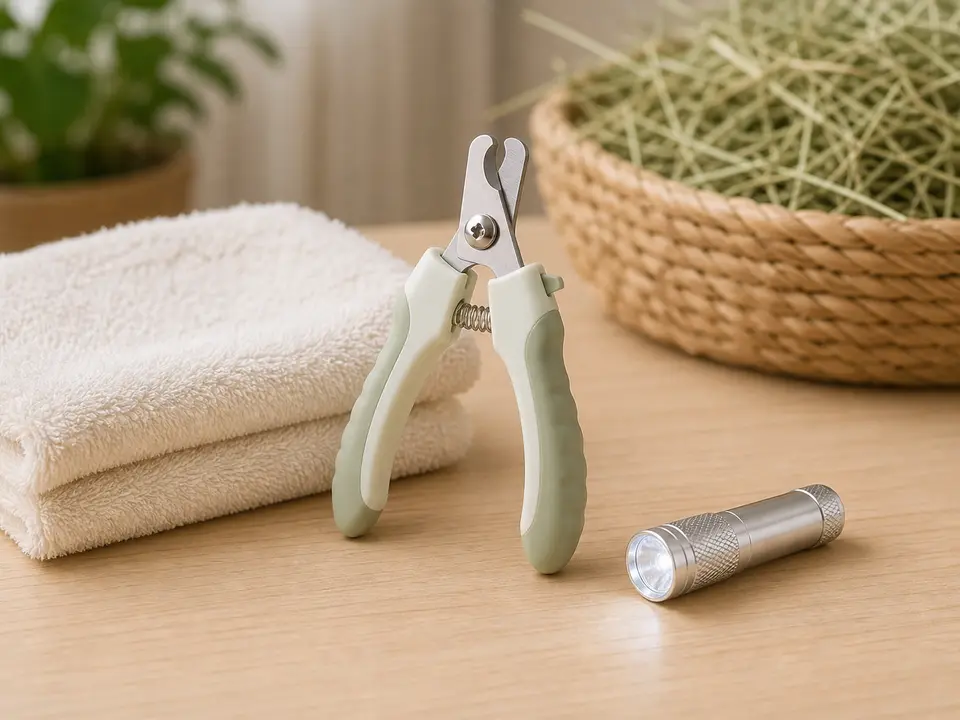
Rabbit nail clippers should feel controlled in your hand. Small pet clippers or cat-style clippers often work better than bulky dog clippers because you can see the nail and make a clean, careful cut.
Sharp matters more than size. Dull clippers crush or tug, and that makes the next trim harder before you even start.
If the tool feels awkward when you practice on a dry spaghetti noodle or similar test, it will feel worse when your rabbit is waiting.
Set up light before you lift a foot
Good light helps you see the nail shape and avoid cutting too far. For dark nails, trim tiny amounts from the tip and stop sooner than you think you need to.
Keep styptic powder or a vet-approved backup plan nearby before you start. You are not planning for a mistake; you are making the setup calmer if one happens.
A rabbit who senses you searching for supplies mid-trim is more likely to wiggle, so stage everything first.
Use a steady nail-trim surface
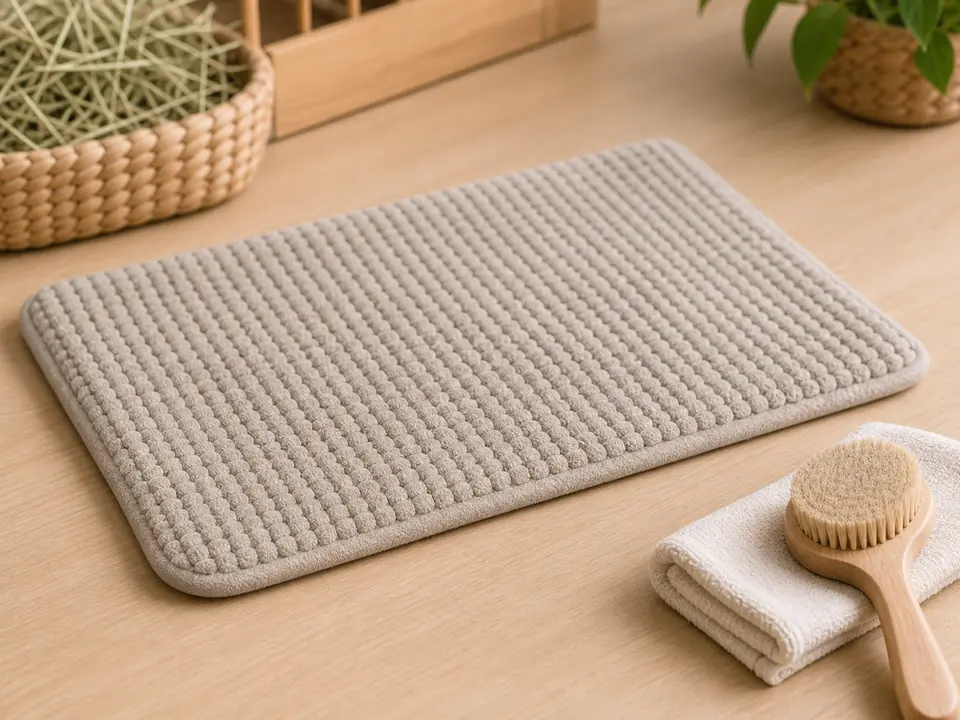
A towel or non-slip mat keeps the body steadier while you handle one paw. Work low, support the rabbit fully, and avoid turning nail trims into a wrestling match.
For many rabbits, one or two nails in a calm session is better than forcing all four feet at once. The habit matters more than the number you finish today.
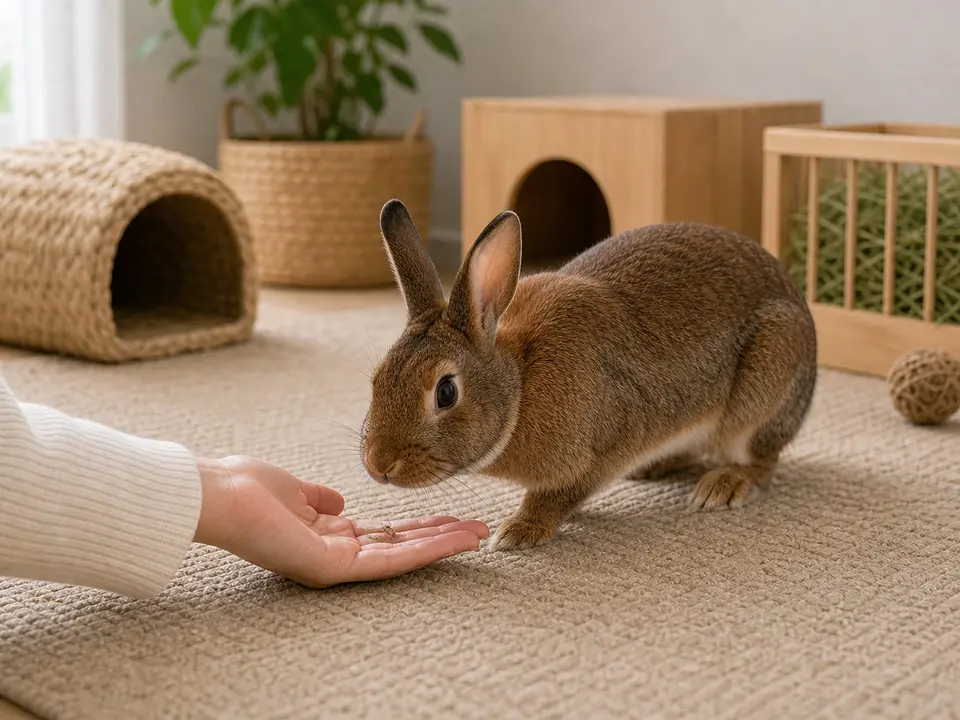
If your rabbit panics, pause and rebuild the step: touch the foot, reward, release, and try again later.
Watch the nail, not the calendar
Some rabbits need trims more often because they move less, live on softer flooring, or do not wear nails down naturally. Others can go longer between checks.
Look for nails catching on fabric, changing the way the foot sits, or curving toward the floor. Those are better clues than guessing by date alone.
Senior rabbits and rabbits with stiff movement may need shorter, more frequent checks because overgrown nails can make traction even harder.
Get help before fear takes over
If nail trims always turn into panic, ask a rabbit-savvy vet, rescue, or experienced groomer to show you a calmer hold and clip point. A good lesson can save months of stressful guessing.
The goal is not to prove you can do everything alone. The goal is clean nails, steady handling, and a rabbit who does not learn that grooming always becomes a fight.
Once you see the right setup in person, home trims often become smaller and kinder.
Before you decide
What changed recently?
Can your rabbit choose a quiet retreat?
Are hay, water, litter, and footing easy?
Is this normal for your individual rabbit?
Next best moves
Make one small change.
Watch what your rabbit chooses next.
Keep the setup calm enough to repeat tomorrow.
Helpful rabbit supplies
These are practical pieces for the routine, not clutter to buy all at once.
Affiliate links: Furball Cove may earn from qualifying purchases at no extra cost to you.
The best rabbit nail clippers are small, sharp, easy to control, and paired with good light and a steady non-slip surface. Comfort and visibility matter more than a large tool.
What should I change first?
Choose one small setup change that makes the daily routine easier: closer hay, better traction, a calmer hideout, a larger box, or a shorter handling session.
When should I get extra help?
If your rabbit stops eating or pooping, seems painful, breathes strangely, or changes suddenly, call a rabbit-savvy vet. For bonding or handling problems, an experienced rabbit rescue can also help.