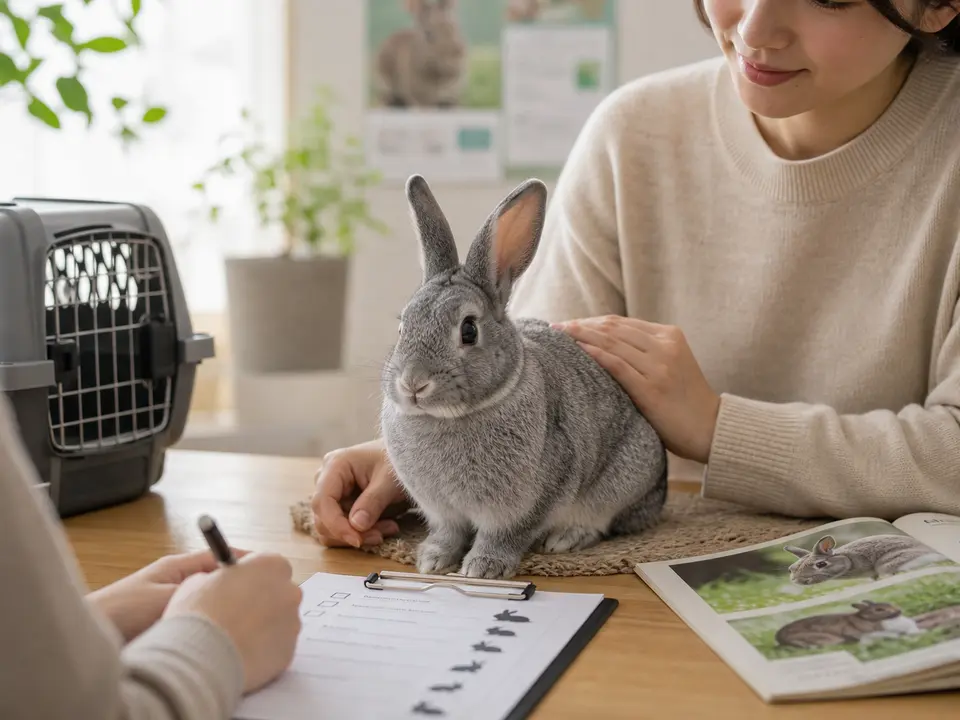
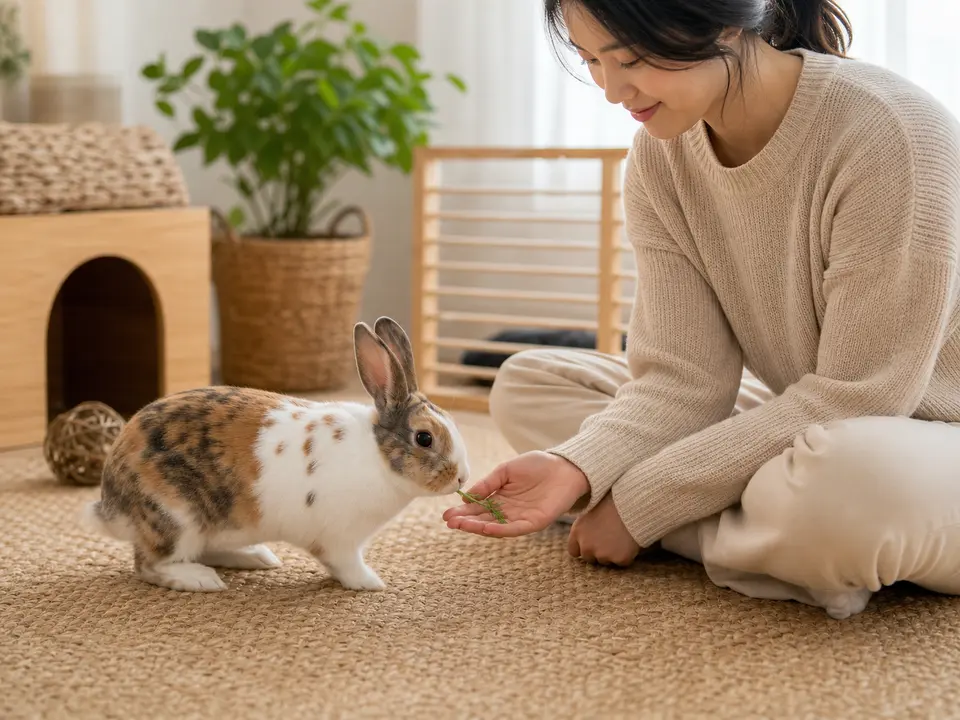
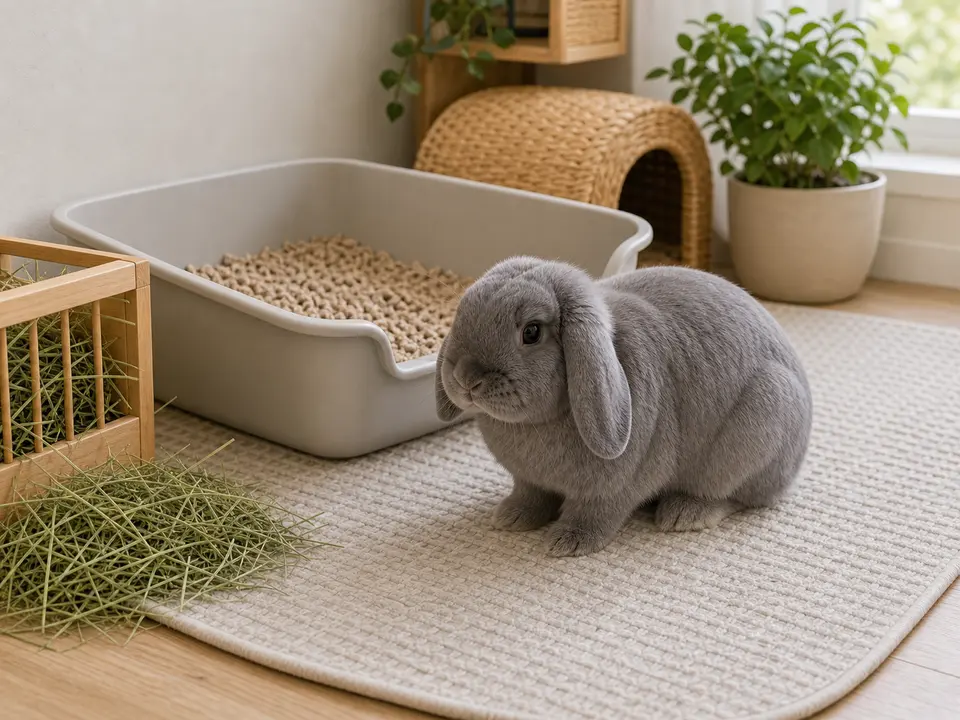
One rabbit can work in some homes, but many rabbits are happiest with a compatible bonded partner. The best answer depends on the individual rabbit, your space, your budget, and whether you can manage bonding safely instead of just putting two rabbits together and hoping.
This choice is less about a cute photo of two rabbits snuggled together and more about the real week: hay, litter boxes, vet care, floor time, cleaning, and how much calm attention one rabbit will get if they live without another rabbit.
Choose for the rabbit in front of you
Some rabbits seem relaxed as solo house rabbits when they get daily floor time, enrichment, and calm human company. Others look lonely, restless, or much more settled once they have a compatible partner. Age, temperament, past housing, health, and confidence all matter, so do not treat one rule as true for every rabbit.
Understand what a bonded pair changes
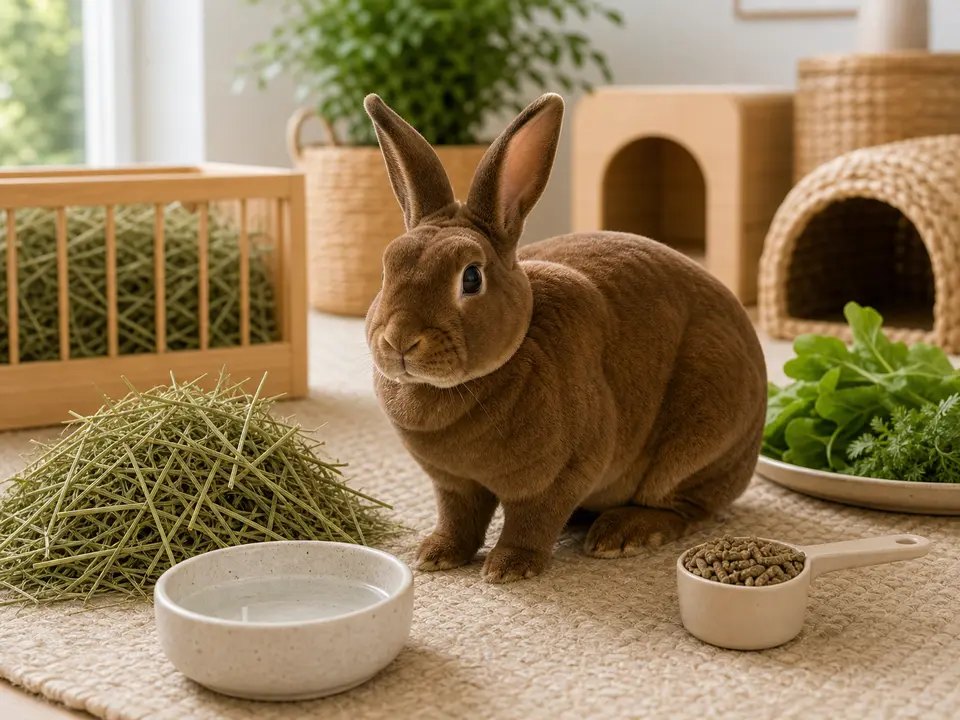
A bonded pair can groom each other, rest together, and share the quiet parts of the day when people are busy. That companionship is real. It also means two appetites to monitor, two sets of poops to notice, a larger living area, more hay, more litter, and a vet budget that has to cover both rabbits.
Do not skip the bonding process
Two rabbits are not bonded because they are both gentle with people. Rabbit introductions usually need neutral space, short supervised sessions, careful reading of body language, and patience. Chasing, circling, mounting, lunging, or fur pulling can turn serious quickly, so work with a rabbit rescue or experienced rabbit person if you have not bonded rabbits before.
Plan the room before you decide
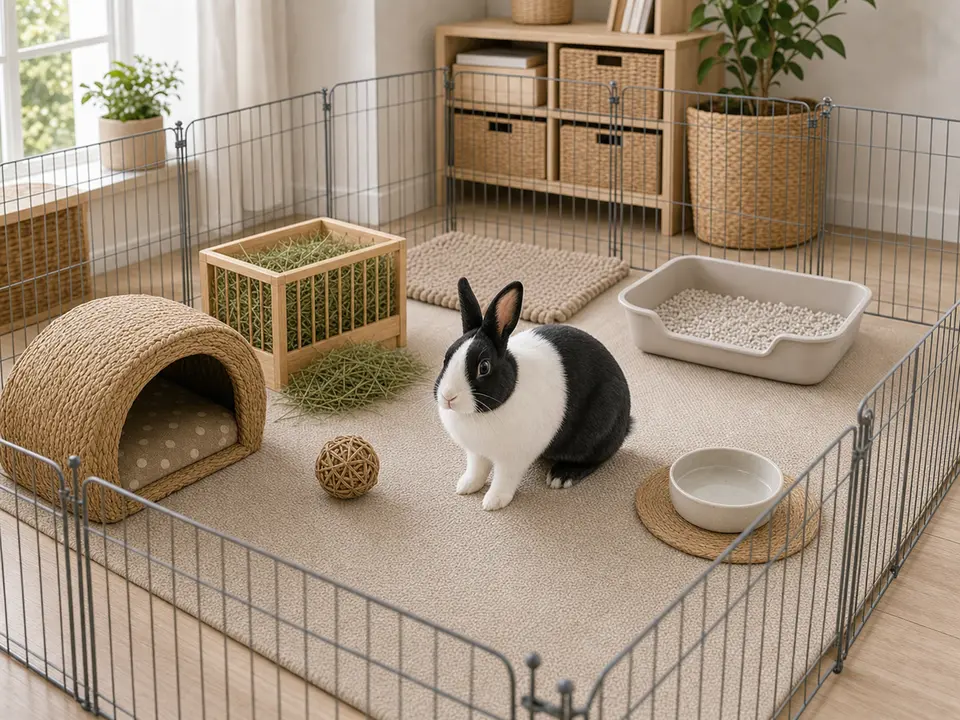
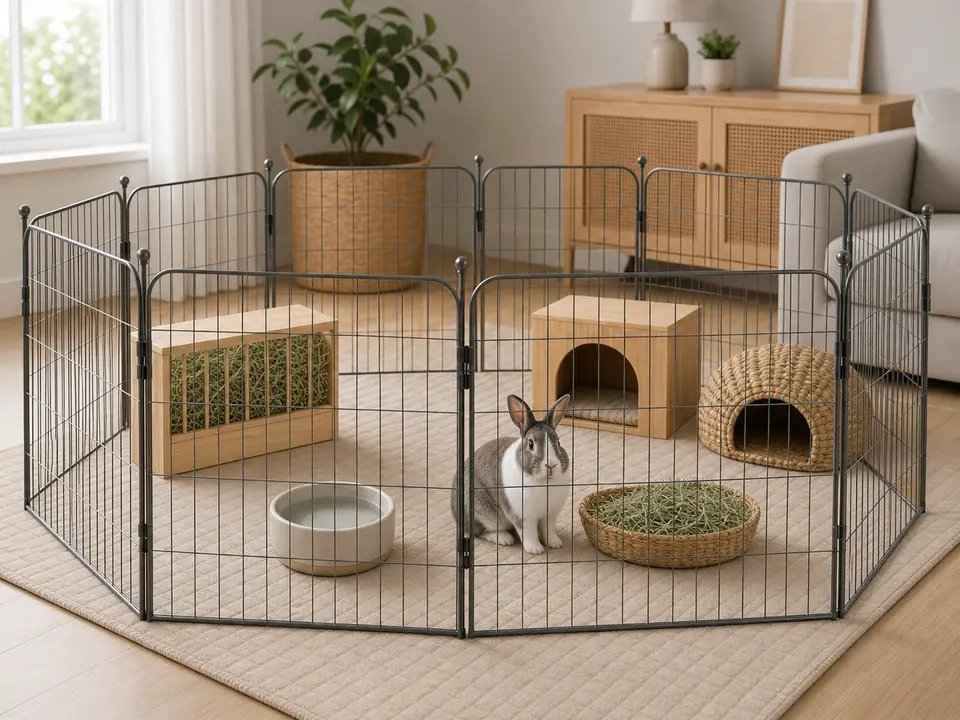
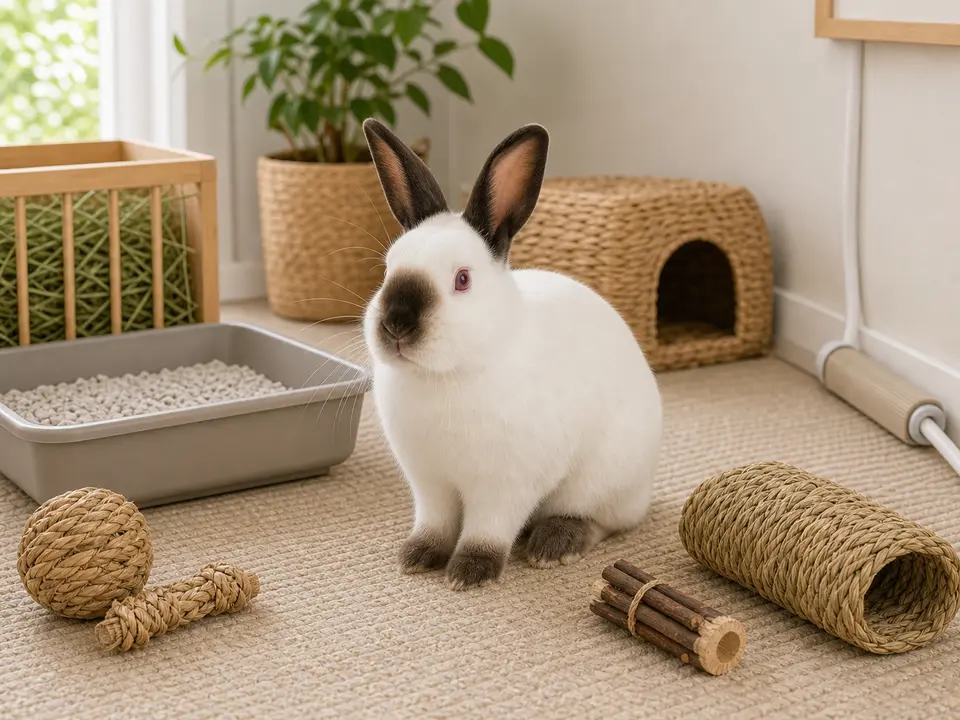
A pair needs enough room for both rabbits to stretch, move, eat hay, use the litter box, and retreat without crowding. During bonding, you may also need separate safe spaces. If your setup barely works for one rabbit, fix the enclosure, flooring, cord protection, hideouts, and cleaning routine before adding another rabbit.
Watch the daily care math
Two rabbits do not double every chore, but they do make the routine less forgiving. Hay disappears faster, litter needs more frequent resets, and appetite changes can be harder to spot unless you know each rabbit's habits. The decision should feel manageable on an ordinary Tuesday, not only on the exciting day you bring a second rabbit home.
Choose one rabbit kindly if that is your reality
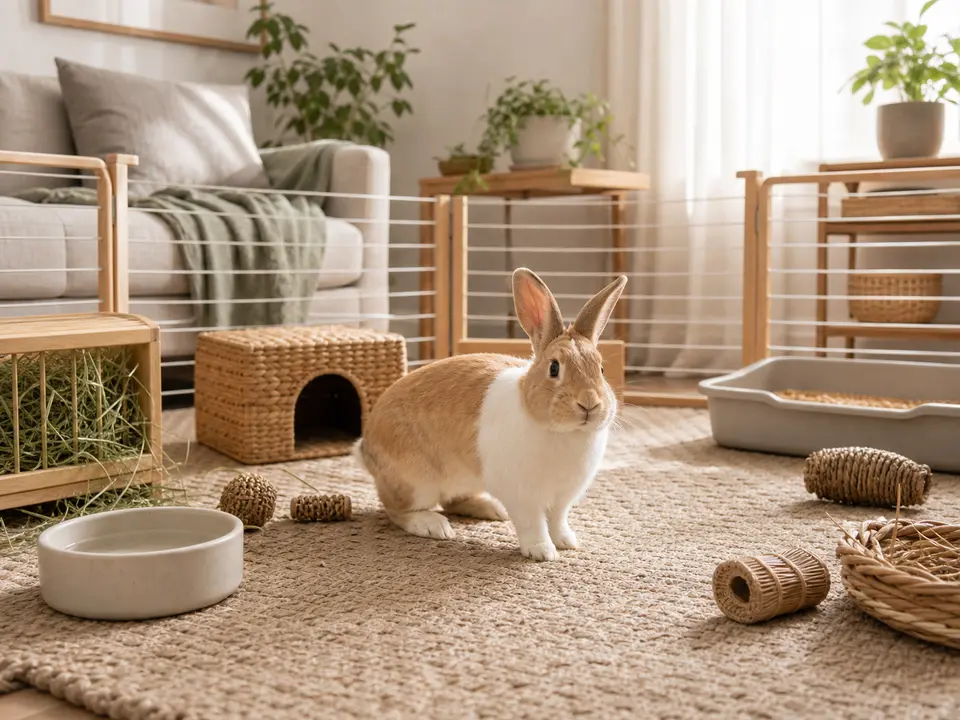
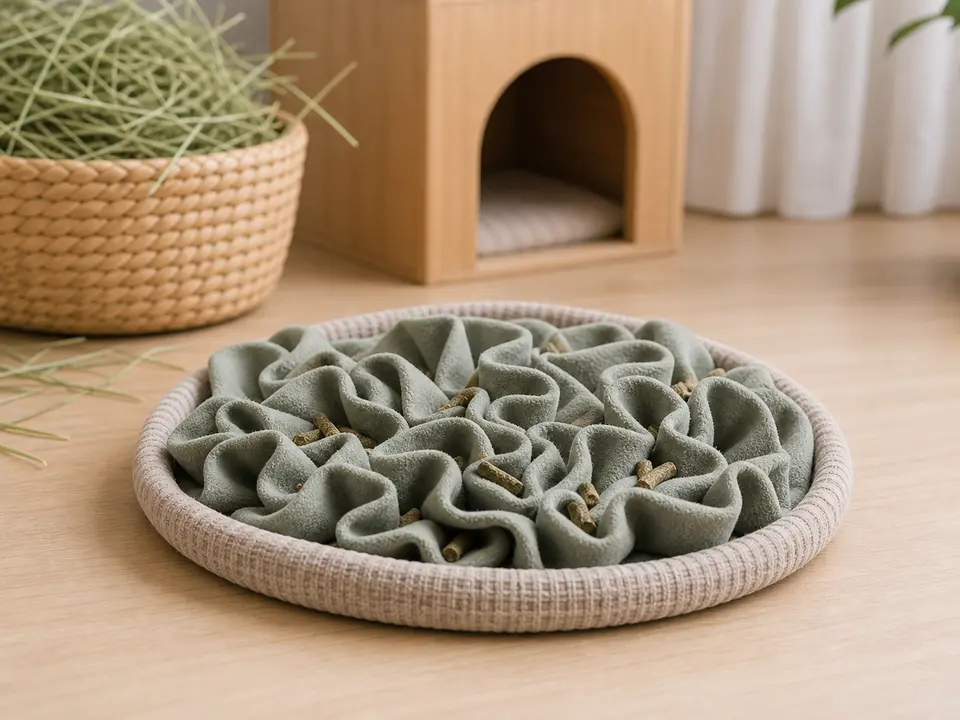
If you keep one rabbit, make the solo routine rich and predictable. Offer safe floor time, forage work, chewing projects, calm company, and a room where your rabbit can choose rest or interaction. A solo rabbit should not spend most of life in a small cage waiting for attention.
Before you decide
Can you afford food, litter, supplies, and rabbit-savvy vet care for two rabbits?
Do you have room for a bonded pair and separate space during introductions?
Are you prepared to bond rabbits slowly instead of forcing them together?
Would one solo rabbit still get daily floor time, enrichment, and calm attention?
Next best moves
Consider an already bonded pair from a rescue if you want two rabbits but do not have bonding experience.
Keep one rabbit only if the daily routine gives them enough space, choice, enrichment, and attention.
Never assume two unfamiliar rabbits can share space safely right away.
Ask a rabbit rescue or rabbit-savvy vet for help if introductions become tense or confusing.
Quiet tools for trust-building
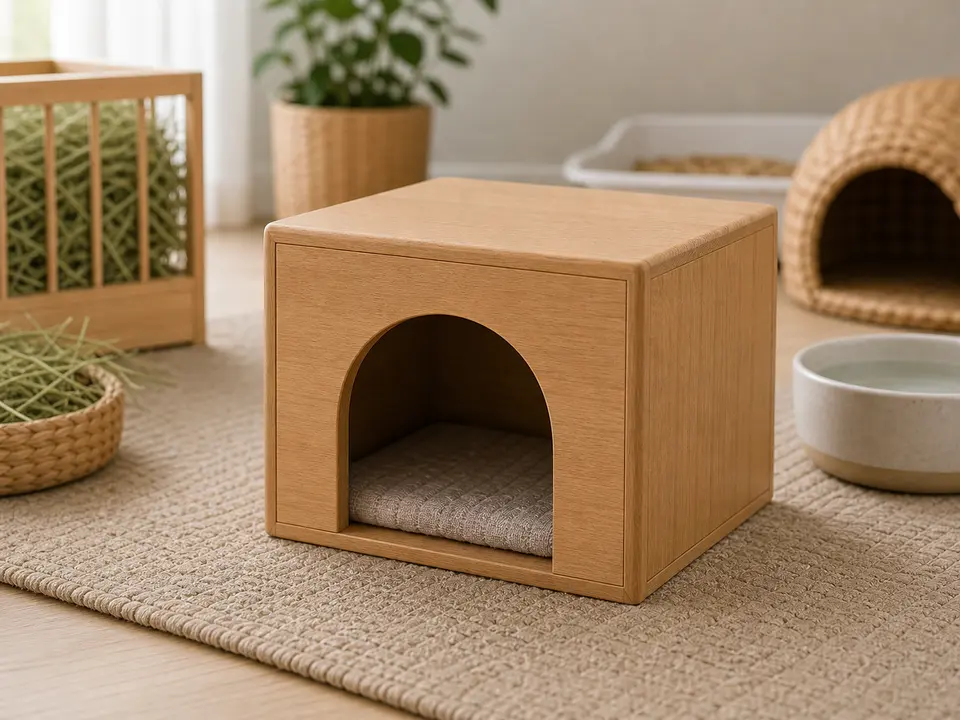
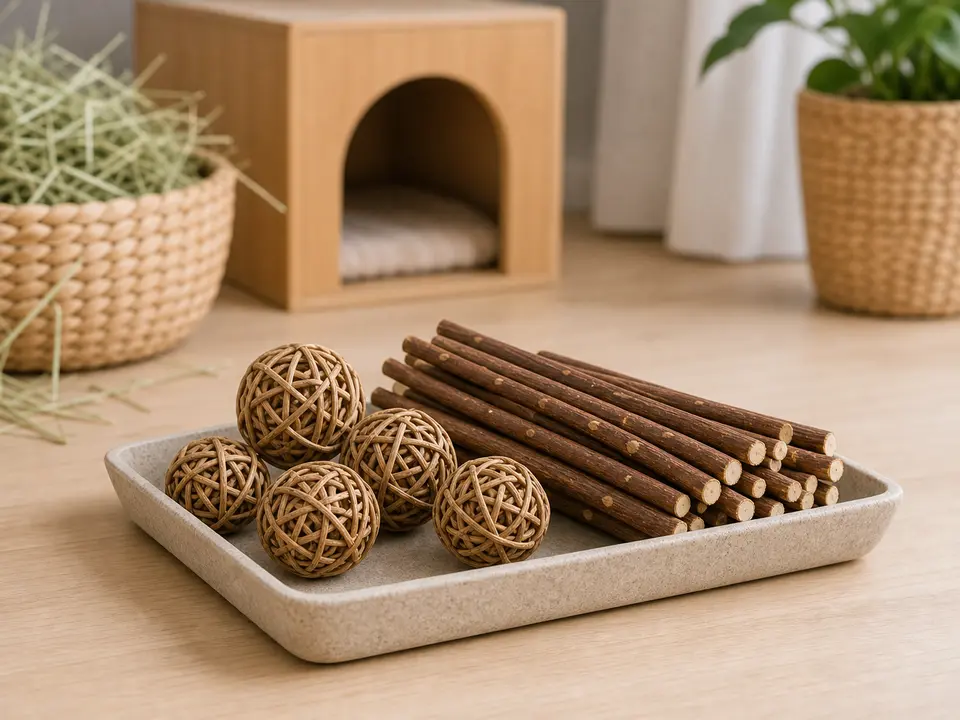
The best tools add choice, retreat space, and calm repetition instead of forcing contact.
Affiliate links: Furball Cove may earn from qualifying purchases at no extra cost to you.
Many rabbits are happier with a compatible bonded partner, but compatibility matters. A poor match or rushed introduction can be stressful and unsafe.
Can I keep just one rabbit?
Yes, some rabbits do well solo when they have daily interaction, space, enrichment, and a predictable routine. A solo rabbit still needs far more than a cage and occasional attention.
Is it easier to adopt two rabbits at once?
It can be easier if they are already bonded by a reputable rescue. Bonding two unfamiliar rabbits yourself takes time, space, supervision, and patience.