

Updated
Breed guide
Otterhound
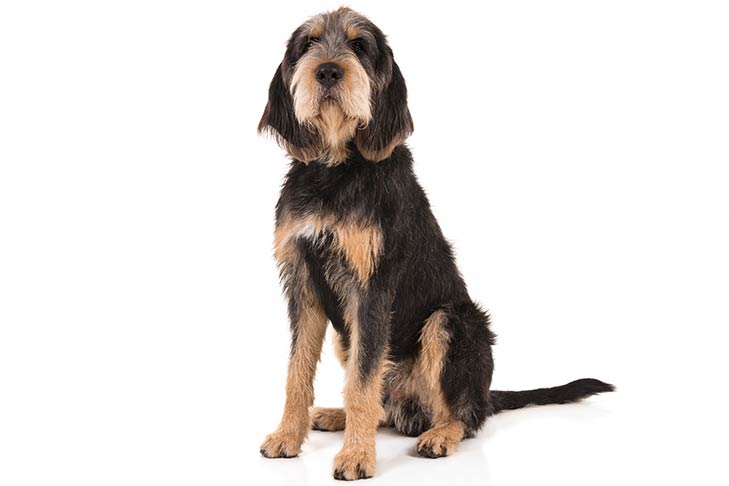
Life with an Otterhound often means leash walks with plenty of sniffing, patient recall practice, and a secure plan for that busy nose.
Energy
Plan for real daily work with an Otterhound: walks, play, training, or a job that uses that busy body.
⚡⚡⚡⚡○
Grooming
Normal coat care works for most Otterhound homes, with extra brushing after muddy walks or during shedding season.
🧼🧼🧼○○
Family fit
Otterhound can be a joyful family dog when adults make time for training, exercise, and calm supervision.
🏡🏡🏡🏡○
Cuddly
Otterhound can be affectionate while still needing personal space and a predictable home rhythm.
💛💛💛○○
Training ease
Otterhound can learn plenty, but short sessions and patience matter more than pressure.
🎓🎓🎓○○
First-time fit
Otterhound may feel smoother for someone comfortable with dog training, structure, and patient follow-through.
🌟🌟○○○
Apartment fit
Otterhound is usually happier with more room, more routine, and fewer close-neighbor surprises.
🏢🏢🏢○○
Kid-friendly
Otterhound can do well with kids when play is supervised and the dog gets a quiet escape.
🧸🧸🧸○○
Shedding
Otterhound sheds some, so plan on regular brushing even if the coat is not difficult.
🍂🍂🍂○○
Watchdog
Otterhound will usually notice changes at home without being a full-time guard dog.
🔔🔔🔔○○
Food needs
Measured meals help an Otterhound stay lean, which makes exercise and joints easier on the dog.
🥣🥣🥣○○
Intelligence
Otterhound often learns best when the lesson connects to the dog's real instincts and daily routine.
🧠🧠🧠○○
Affection
Otterhound often shows affection through trust, routine, and choosing to stay nearby.
💞💞💞○○
Great fit for
- Homes that enjoy long walks, scent games, and outdoor time.
- People who understand leash safety, barking, and recall work.
- Owners who want a real working hound, not just an unusual-looking pet.
Think twice if
- The nose can outrank your voice, so off-leash freedom needs real caution.
- Many hounds are vocal; close neighbors may not love the soundtrack.
- A bored hound can become restless, noisy, or creative indoors.
Personality
With an Otterhound, the nose, eyes, or old working instincts may speak first outdoors. A secure leash, patient training, and a sense of humor help.
Exercise
Plan on daily exercise and a little brain work. Otterhound is much easier to live with after the body and mind have both had something useful to do.
Training
Keep lessons short and practical. Otterhound may not love drilling the same thing over and over, but clear rewards and patience go a long way.
Grooming
Routine brushing, nail trims, dental care, and ear checks are enough for most Otterhound homes.
Food
Measured meals matter. Keeping an Otterhound lean protects joints, stamina, and everyday comfort.
Health
Keep growth, joints, weight, and conditioning in mind. A lean, well-muscled Otterhound is usually a happier dog, and your vet can help you plan the right pace.
Useful gear
Affiliate links: Furball Cove may earn from qualifying purchases at no extra cost to you.
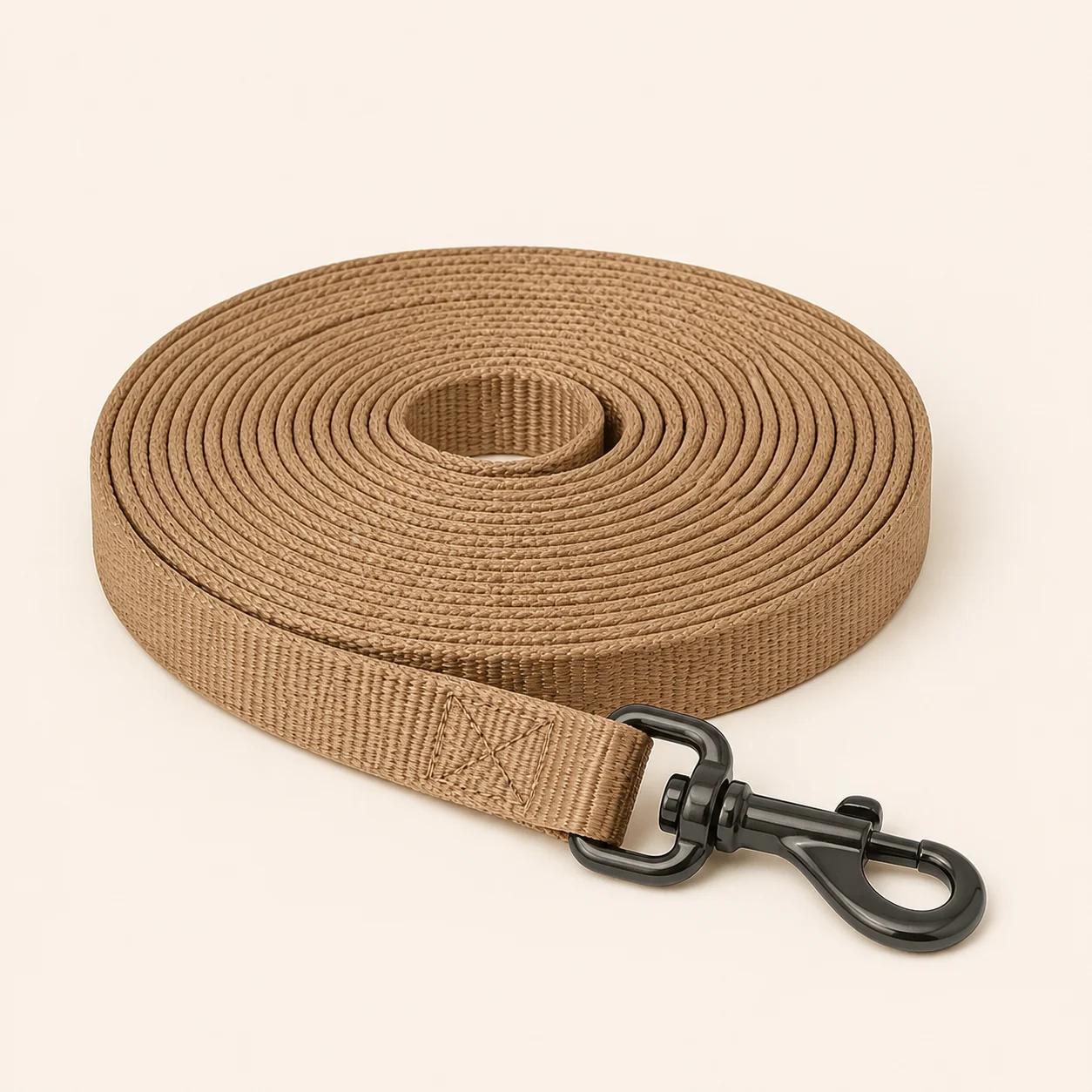
Long tracking line
Great for a Otterhound that wants to follow its nose while you keep the adventure safely attached.
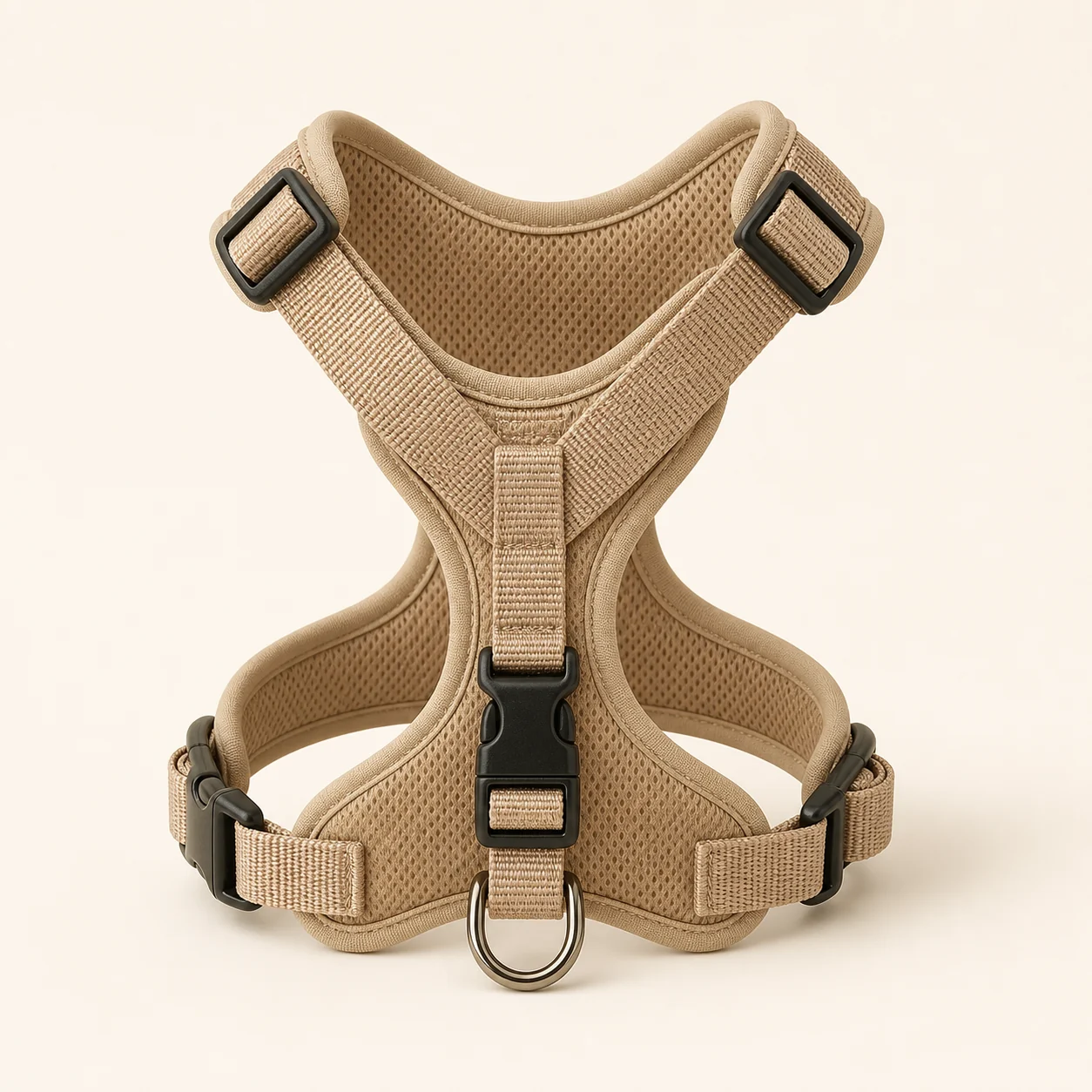
Escape-resistant harness
A smart walking setup for an Otterhound with forward drive. It gives you more control without making walks feel harsh.

Dog ear cleaner
Handy for a Otterhound, especially if those ears trap moisture or dirt after walks and play.
Otterhound FAQ
Is an Otterhound a good family dog?
Often, yes, when the daily routine fits the dog. For this breed, the short version is: good when the day includes enough exercise and structure. Training, supervision, and enough exercise still matter.
Does an Otterhound shed?
Seasonal. Brush on a routine that matches the coat instead of waiting until the house tells you it is time.
How much exercise does an Otterhound need?
Daily mileage plus scent work. Most dogs do best when walks, play, and a little training are part of the same daily rhythm.
Related dogs
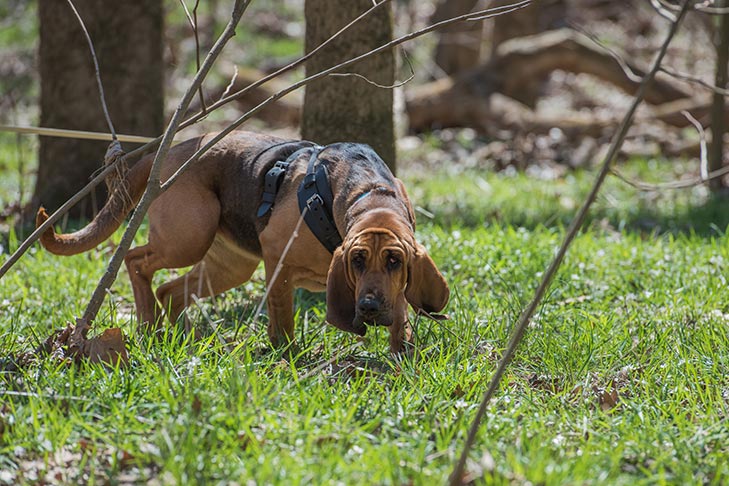
Bloodhound
Compare this large dog if you like a related breed type but want to weigh daily care and temperament.
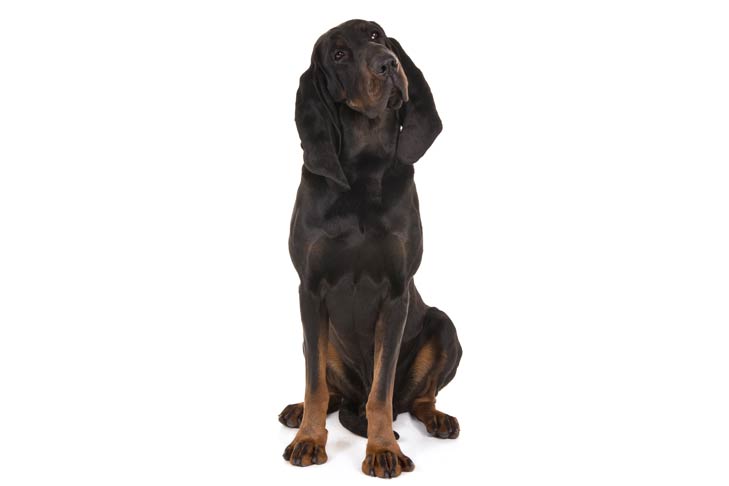
Black and Tan Coonhound
Compare this large dog if you like a related breed type but want to weigh daily care and temperament.
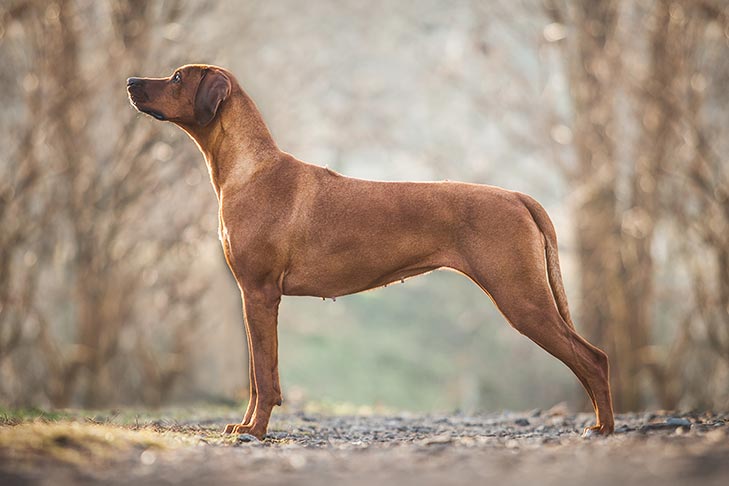
Rhodesian Ridgeback
Compare this large dog if you like a related breed type but want to weigh daily care and temperament.
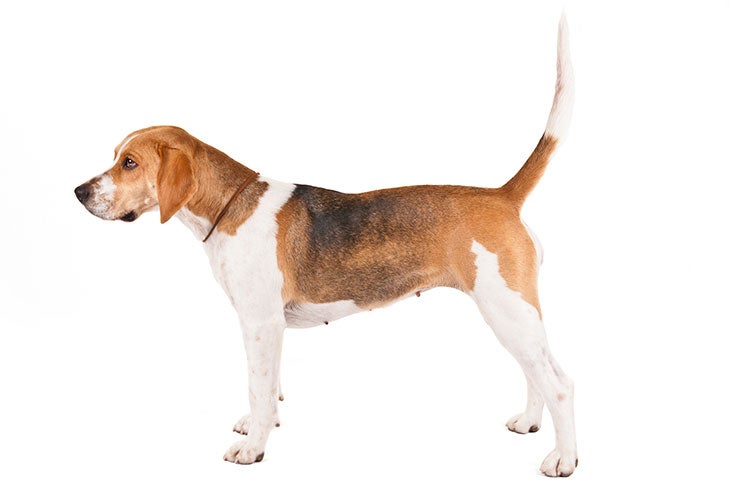
Harrier
Compare this medium dog if you like a related breed type but want to weigh daily care and temperament.