

Updated
Breed guide
Pug
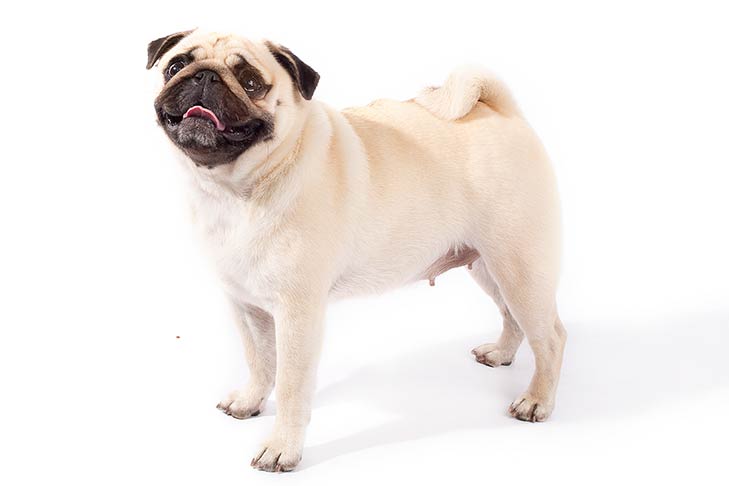
Life with a Pug is usually close and people-focused, with gentle handling, regular grooming, and a predictable home rhythm.
Energy
Pug usually prefers a calmer pace, with short daily walks and easy play.
⚡⚡○○○
Grooming
Pug is usually simple to groom, though nails, ears, teeth, and skin still matter.
🧼🧼○○○
Family fit
Pug usually fits family life best when play stays gentle and everyone respects the dog's size.
🏡🏡🏡🏡🏡
Cuddly
Pug usually wants to be near the family and included in normal home life.
💛💛💛💛💛
Training ease
Pug can learn plenty, but short sessions and patience matter more than pressure.
🎓🎓🎓○○
First-time fit
Pug can work for a first dog owner who is ready for the breed's daily routine.
🌟🌟🌟🌟○
Apartment fit
Pug can fit smaller homes when walks, manners, and quiet time are handled well.
🏢🏢🏢🏢🏢
Kid-friendly
Pug is often lovely with kids when adults teach gentle handling on both sides.
🧸🧸🧸🧸🧸
Shedding
Pug sheds some, so plan on regular brushing even if the coat is not difficult.
🍂🍂🍂○○
Watchdog
Pug is usually more companion than guard dog, though individuals still vary.
🔔🔔○○○
Food needs
Feed a Pug by body condition, age, and activity instead of relying on a one-size scoop.
🥣🥣🥣○○
Intelligence
Pug often learns best when the lesson connects to the dog's real instincts and daily routine.
🧠🧠🧠○○
Affection
Pug usually bonds closely and likes being part of the household rhythm.
💞💞💞💞💞
Great fit for
- People who want a small, affectionate companion dog.
- Apartments and quieter homes that can manage heat, weight, and wrinkles.
- Owners who prefer short walks, indoor play, and close company.
Think twice if
- Heat and breathing comfort must shape exercise.
- Weight gain is common; measured meals matter.
- Facial wrinkles, eyes, teeth, nails, ears, and skin need routine care.
Personality
Pug is usually at its best as a close house companion. Keep the handling gentle, the routine clear, and the dog involved without overwhelming it.
Exercise
Short daily walks and gentle play are usually enough. Keep the dog moving, but do not push a pace the breed does not enjoy.
Training
Keep lessons short and practical. Pug may not love drilling the same thing over and over, but clear rewards and patience go a long way.
Grooming
Routine brushing, nail trims, dental care, and ear checks are enough for most Pug homes.
Food
Feed for body condition, not just the label on the bag. Adjust portions when activity, age, or treats change.
Health
Watch breathing, skin folds, heat, weight, and comfort. With a Pug, small daily care habits make a big difference, and your vet can help you spot problems early.
Useful gear
Affiliate links: Furball Cove may earn from qualifying purchases at no extra cost to you.
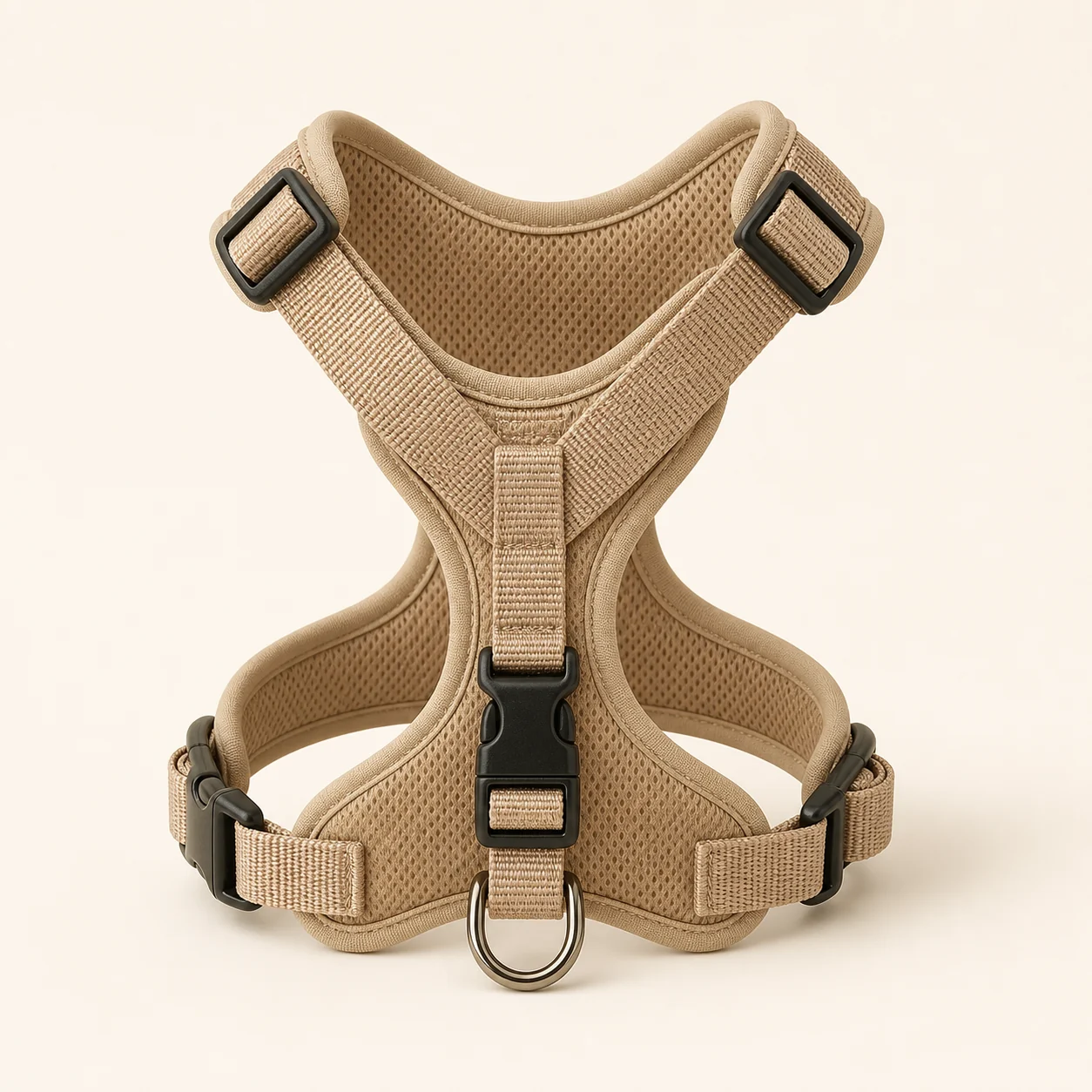
Comfort harness
A better walking setup for a Pug because it gives control without putting pressure on the neck.
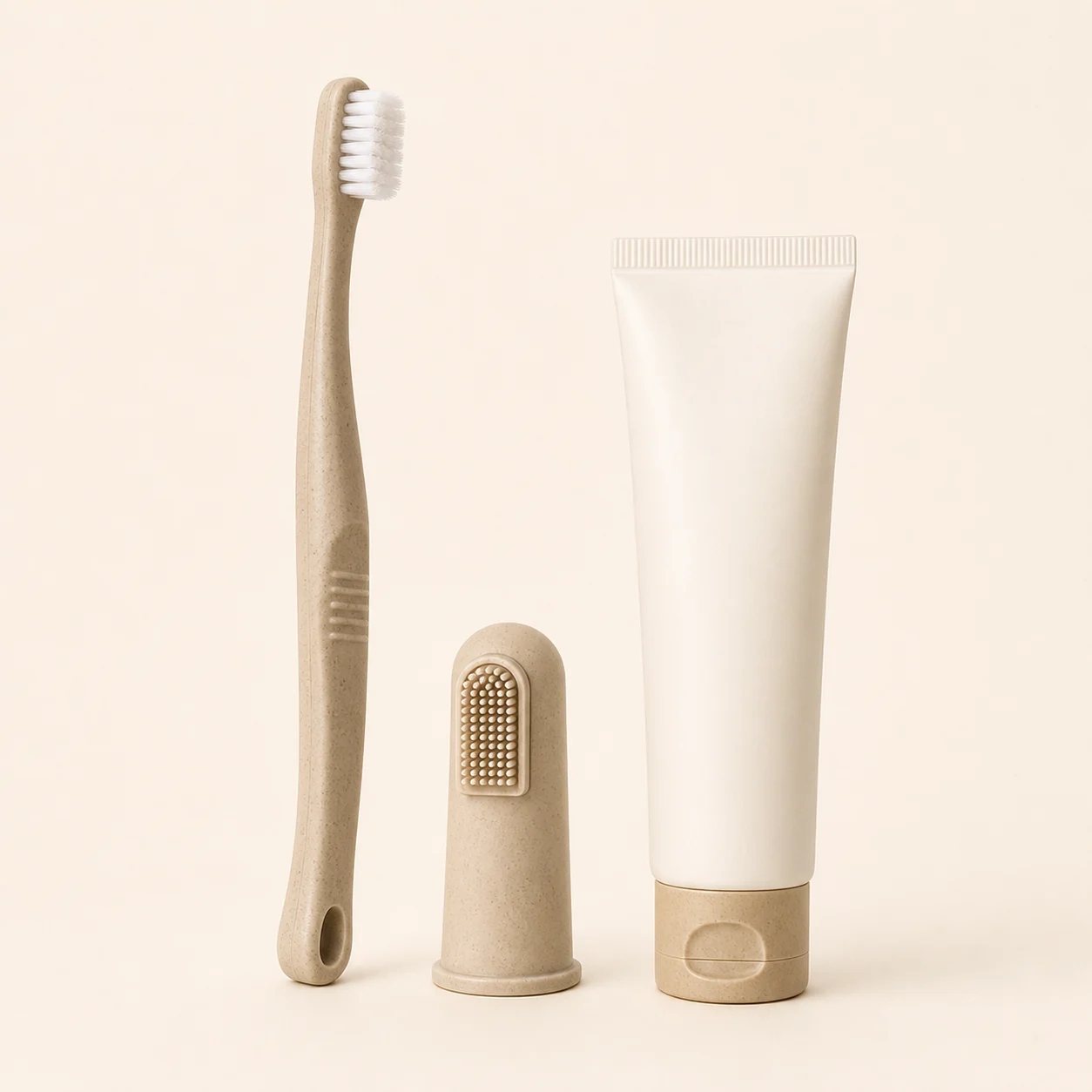
Dog toothbrush kit
An easy win for a Pug. Dental care is easier when the brush and paste are already in the routine.
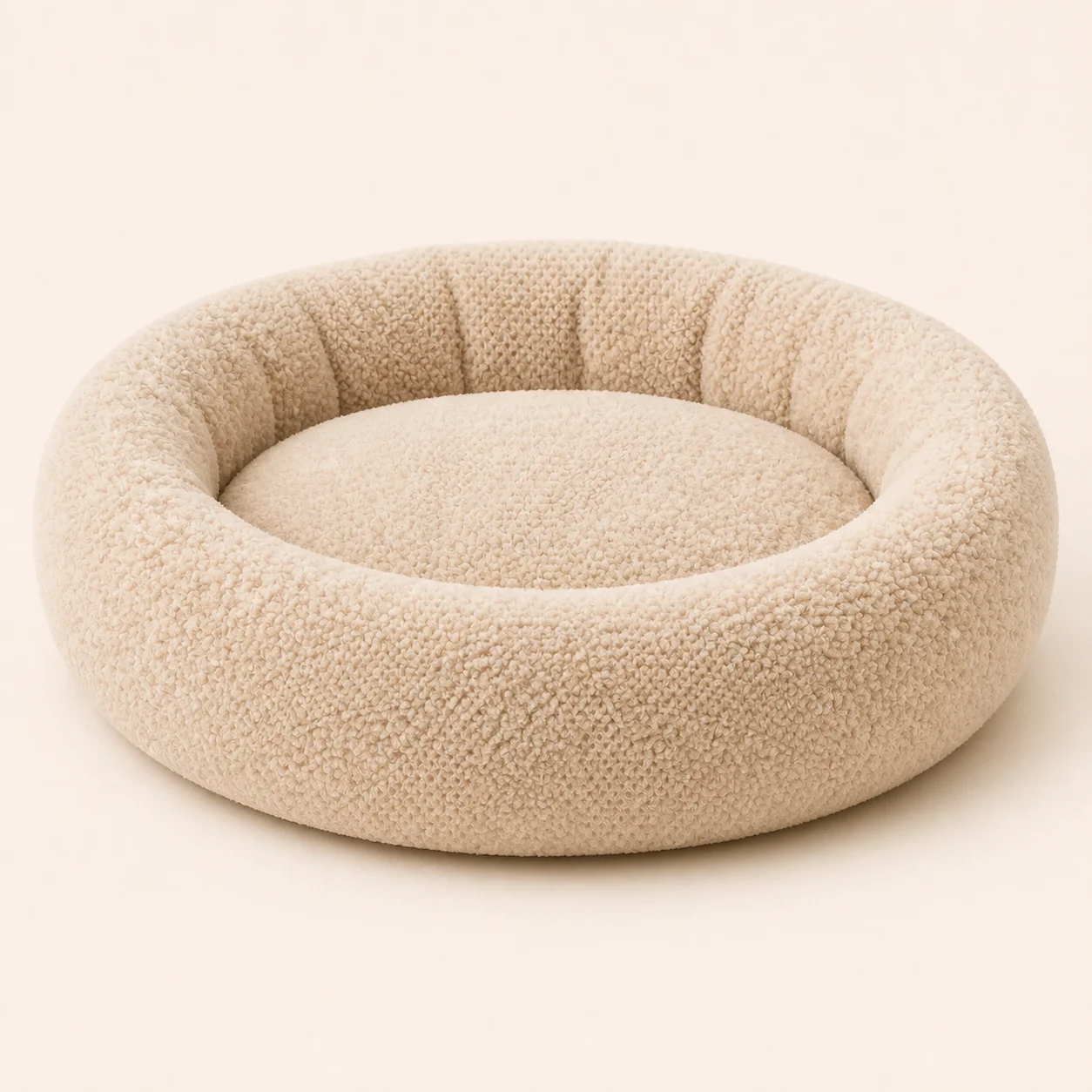
Cozy dog bed
A cozy landing spot for a Pug that likes to stay close but still needs a clear place to settle.
Pug FAQ
Is a Pug a good family dog?
Often, yes, when the daily routine fits the dog. For this breed, the short version is: very good. Training, supervision, and enough exercise still matter.
Does a Pug shed?
Moderate. Brush on a routine that matches the coat instead of waiting until the house tells you it is time.
How much exercise does a Pug need?
Short daily walks and play. Most dogs do best when walks, play, and a little training are part of the same daily rhythm.
Related dogs
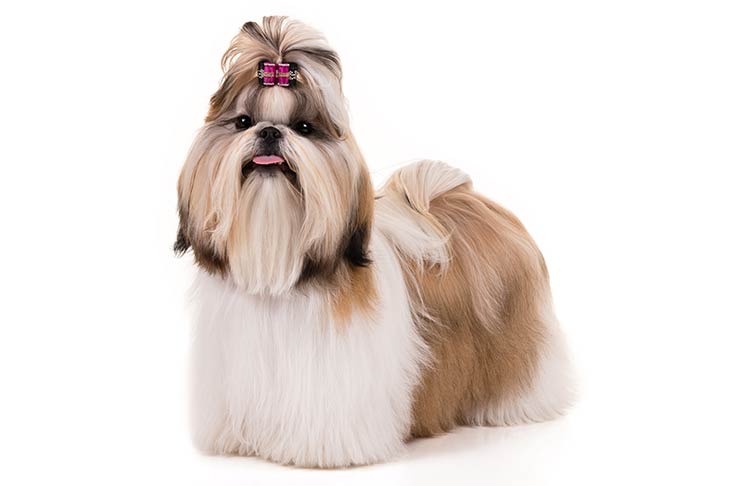
Shih Tzu
Compare this small dog if you like a related breed type but want to weigh daily care and temperament.

Pekingese
Compare this small dog if you like a related breed type but want to weigh daily care and temperament.
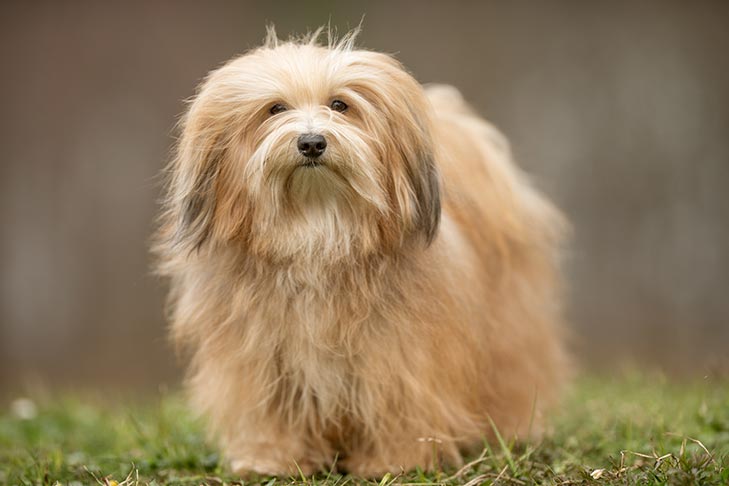
Havanese
Compare this small dog if you like a related breed type but want to weigh daily care and temperament.
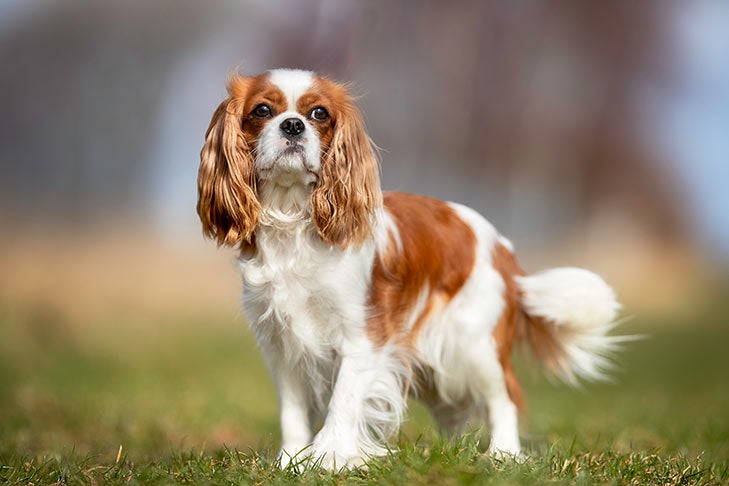
Cavalier King Charles Spaniel
Compare this small dog if you like a related breed type but want to weigh daily care and temperament.