You may know to suspect rabbit dental problems when eating changes: less hay, dropped food, slower chewing, wet chin fur, weight loss, smaller poops, or a rabbit who wants food but struggles with it. A rabbit-savvy vet needs to check dental concerns, because the problem is not always visible from the front teeth.
Rabbit teeth are part of daily life. You may first notice a dental issue at the hay rack, the pellet bowl, the litter box, or during grooming, long before you can see anything obvious in the mouth.
Know the hay pattern first
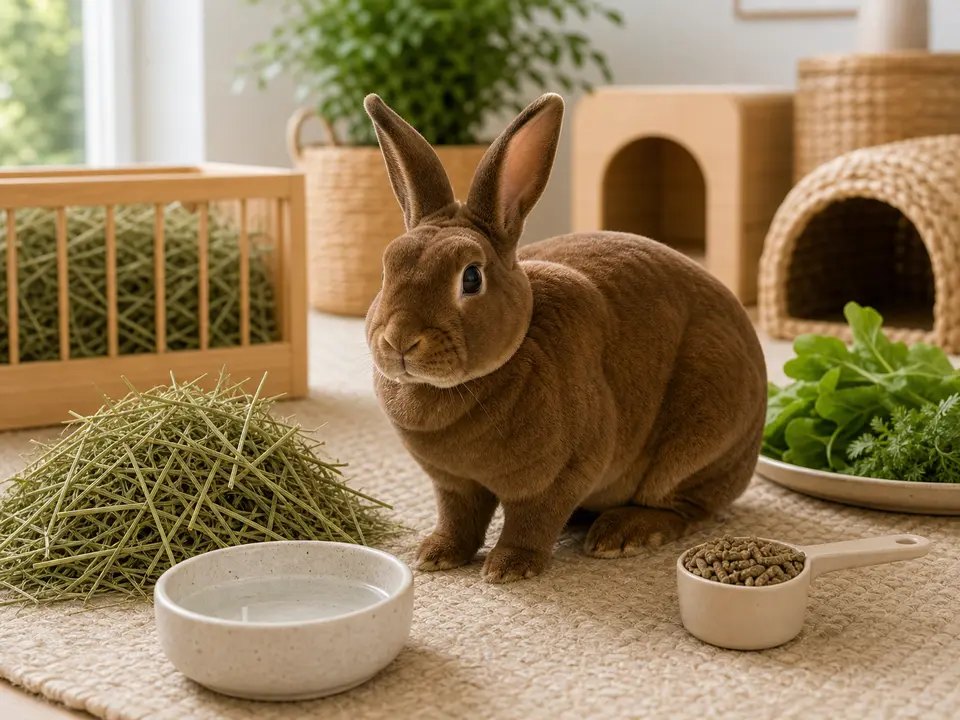
Hay is the best daily clue. A rabbit with dental discomfort may eat softer foods while leaving hay, pick out only easy pieces, or take longer to finish meals. If hay intake drops, pay attention even if your rabbit still accepts a favorite treat. Knowing your rabbit's normal hay enthusiasm makes a dental problem easier to spot early.
Notice dropped food and slow chewing
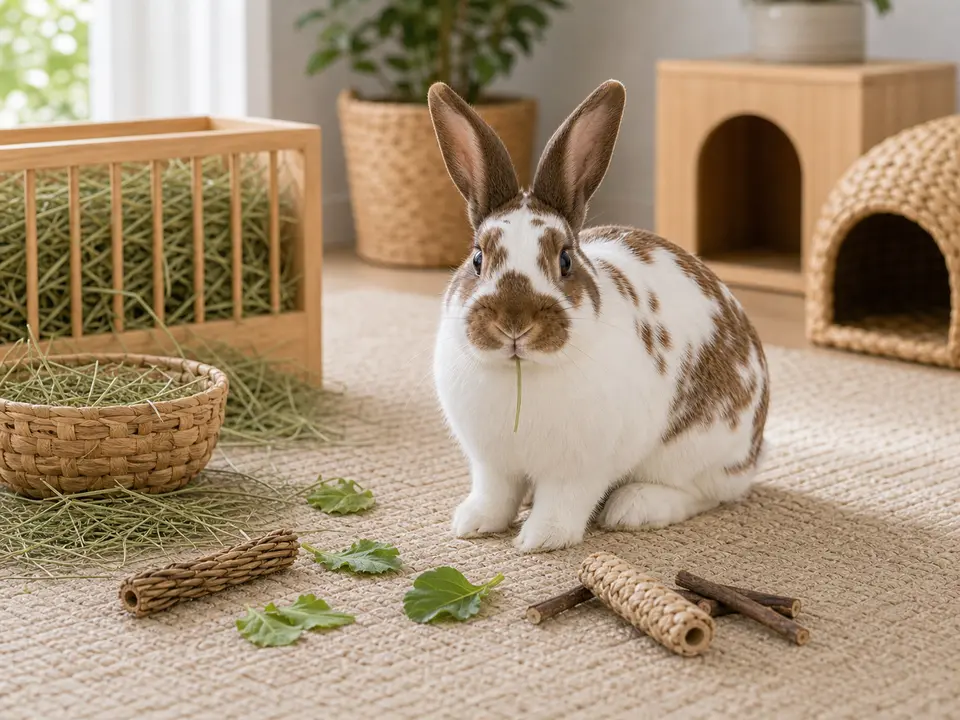
Food falling from the mouth, chewing on one side, pausing often, refusing hard pieces, or acting hungry but not eating normally can point toward mouth pain. Take a short video if you can. Chewing patterns are easier to show than describe, and the video can help your vet see what you are seeing at home.
Check the chin, coat, and weight
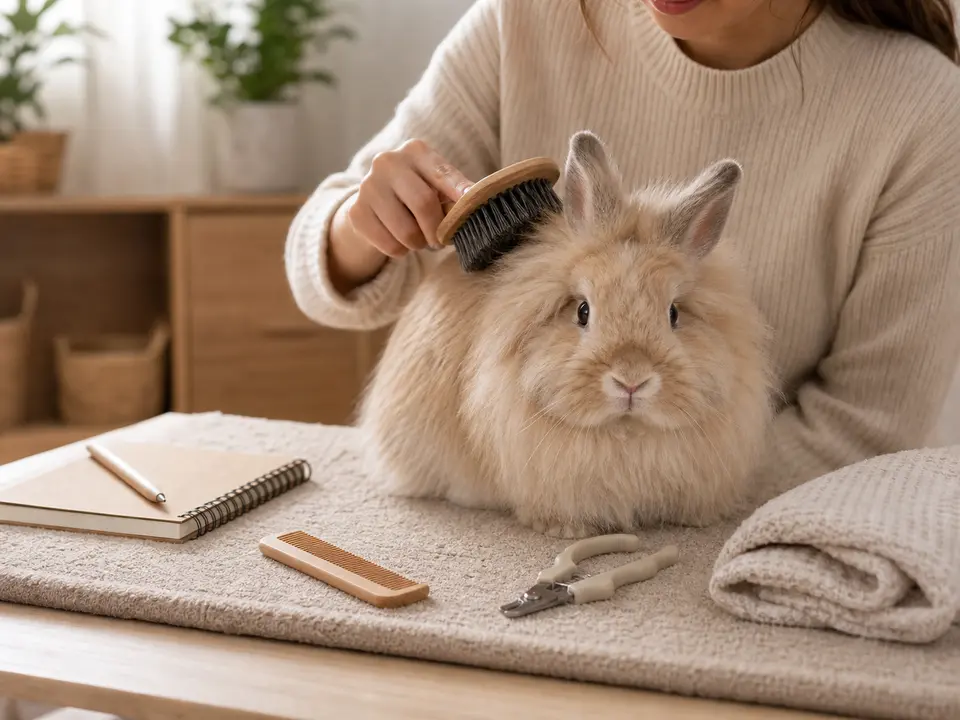
Drool, wet chin fur, mats under the jaw, a dirty chest, weight loss, or a bony feel over the hips can all belong in the dental picture. Grooming changes matter too, because a rabbit with mouth pain may not clean themselves normally.
Read the litter box with dental clues
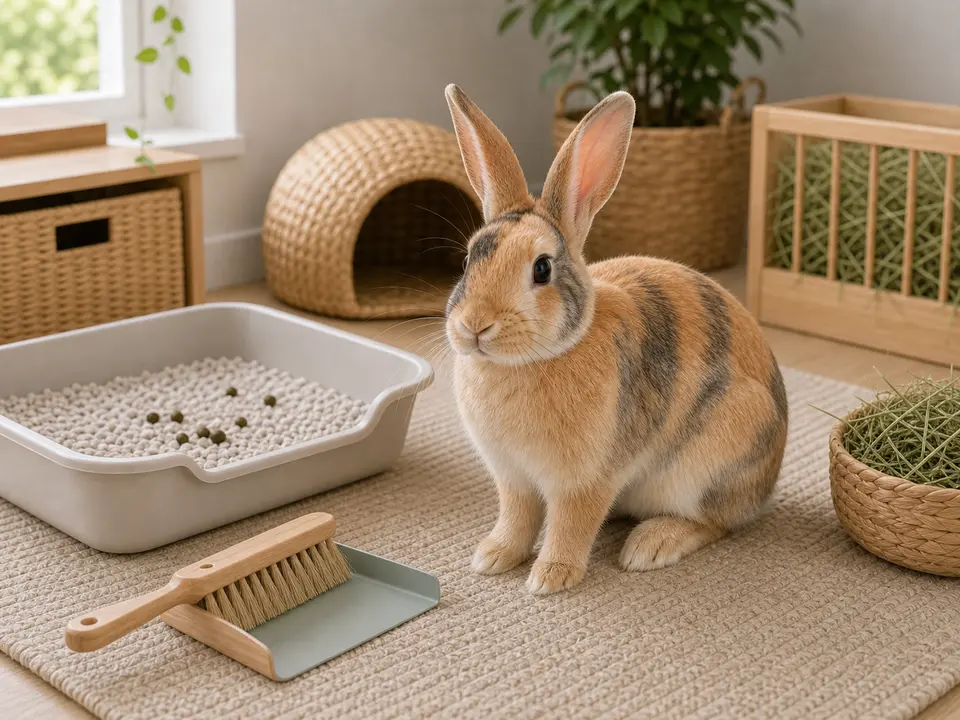
Dental pain can reduce hay eating, and less hay can mean smaller, fewer, or drier poops. The litter box helps you see whether the chewing change is affecting the whole rabbit. Take photos if the poop pattern is changing day to day.
Let the vet examine the mouth
Front teeth are only part of the story. Back teeth, points, ulcers, jaw discomfort, and other mouth problems may need a proper rabbit-savvy exam. Leave tooth trimming to a rabbit-savvy vet and avoid trying to solve repeated chewing changes with harder treats.
Keep daily notes while you wait
Write down hay interest, favorite foods, water, poop size, weight if you track it, and any drool or dropped food. Keep the setup calm and familiar. These notes help your vet see the pattern and help you notice whether your rabbit is improving or slipping. If the pattern changes over a weekend, those details are much easier to share than a vague memory.
Before you decide
Is your rabbit eating less hay than usual?
Do they drop food, chew slowly, or favor one side?
Is there drool, wet chin fur, weight change, or messy grooming?
Are poops smaller, fewer, or drier?
Have you contacted a rabbit-savvy vet for a mouth check?
Next best moves
Treat hay avoidance and chewing changes as meaningful dental clues.
Use photos or videos to show dropped food, slow chewing, drool, or poop changes.
Leave tooth trimming to a rabbit-savvy vet and avoid using hard foods as a home fix.
Ask a rabbit-savvy vet to check dental concerns, including the back teeth.
Useful supplies to keep the care routine clear
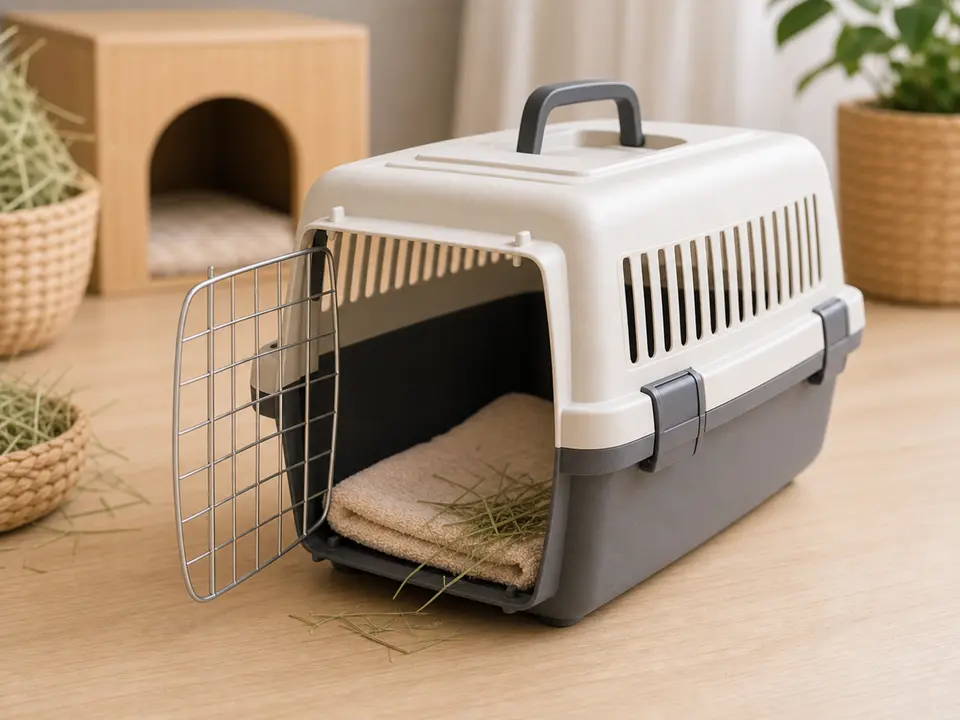
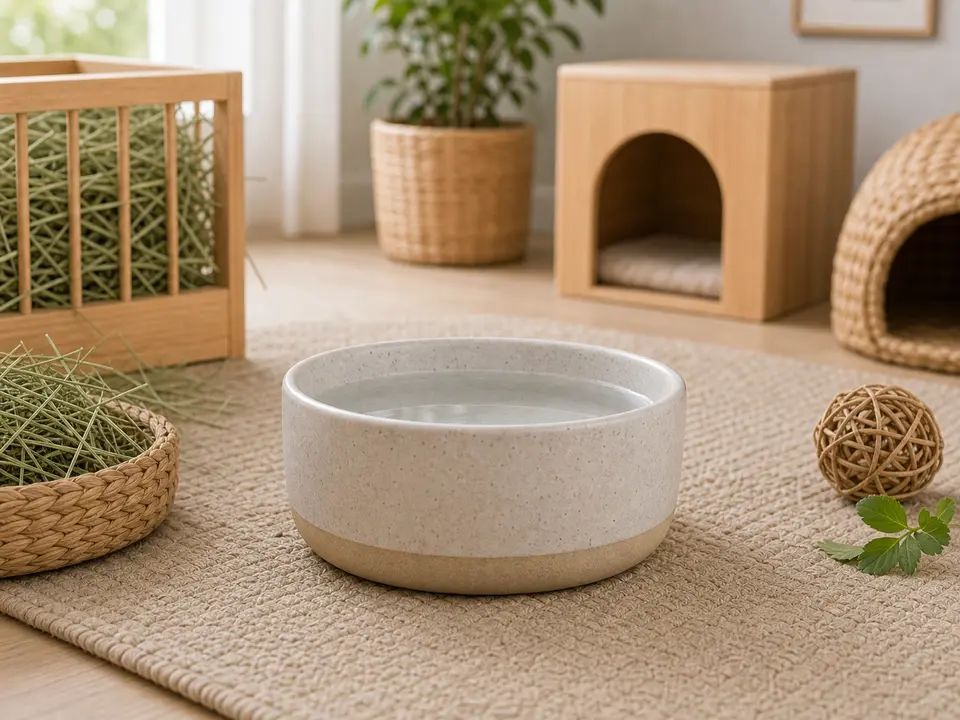
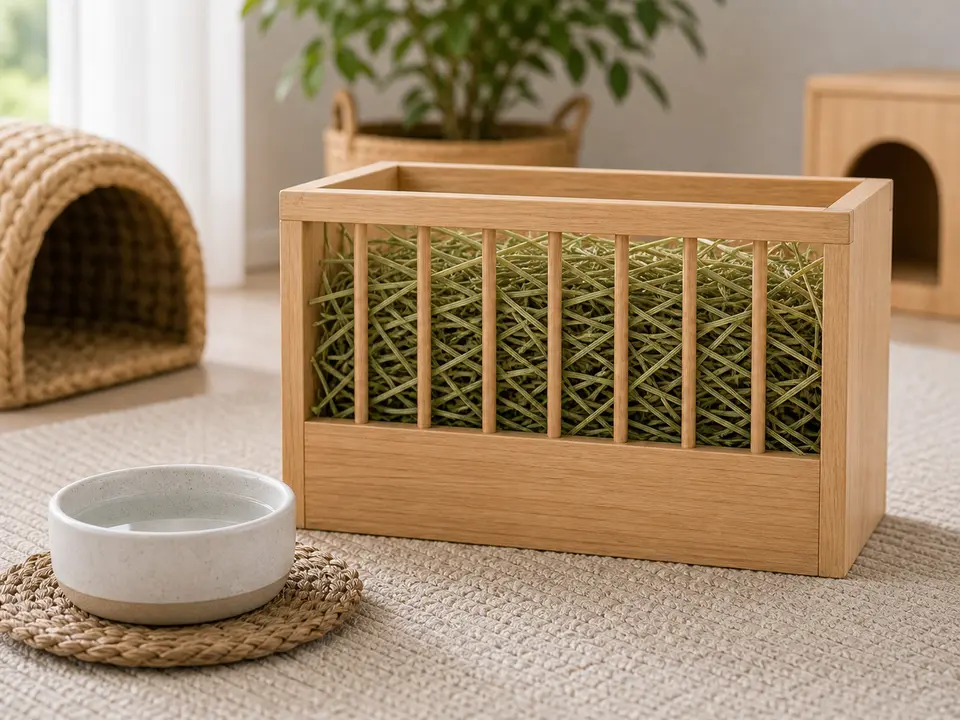
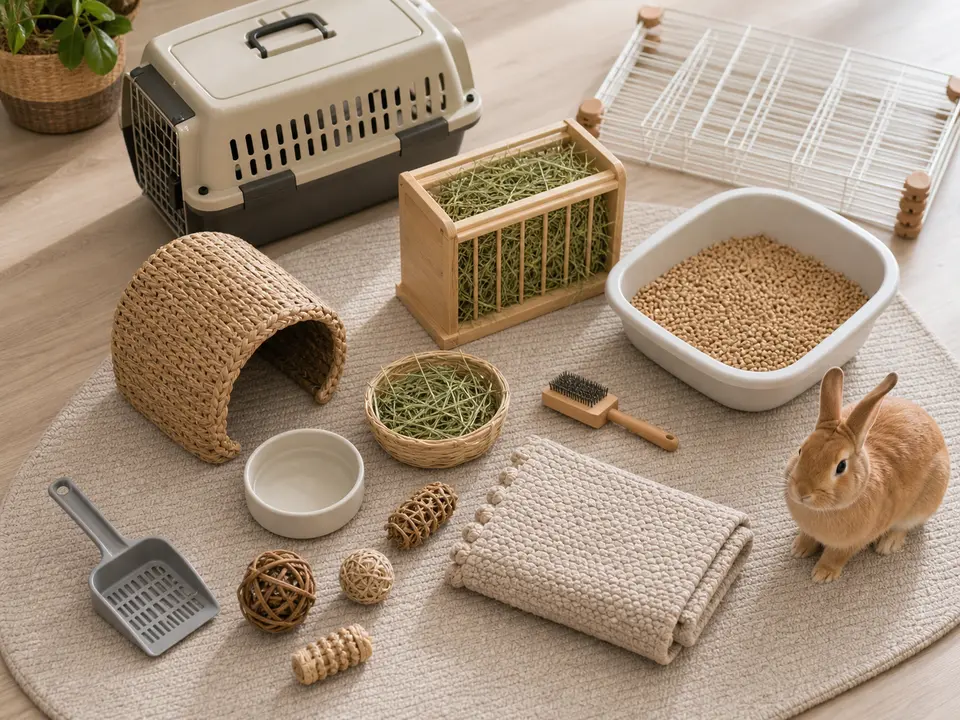
These do not replace a rabbit-savvy vet. They make transport, water, hay access, and observation easier while you follow the care plan.
Affiliate links: Furball Cove may earn from qualifying purchases at no extra cost to you.