Updated

Rabbit question

How do I set up backup supplies for storms or power outages

Backup rabbit supplies for storms or power outages should cover the basics: hay, water, pellets if used, litter, carrier, towels, cooling or warmth plan, vet contact, and a way to keep the room calm and ventilated.

Rabbit supplies should earn their space in the daily routine. The best choice is the one that makes hay, litter, traction, chewing, transport, hiding, water, or cleanup easier tomorrow.

Stock the ordinary basics rabbit guide

Stock the ordinary basics

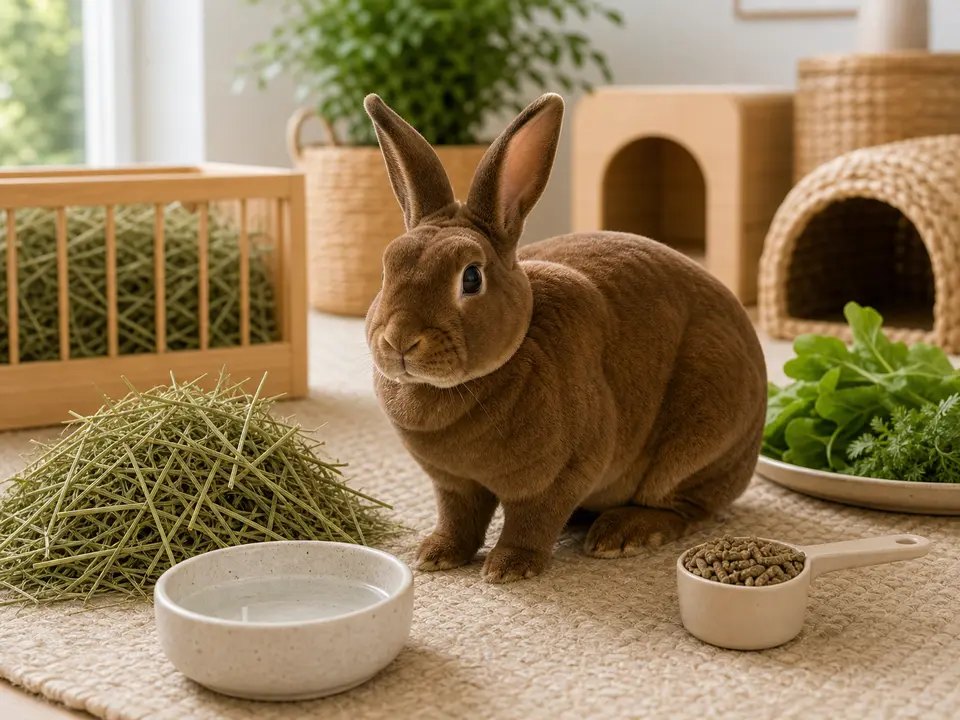
Backup rabbit supplies for storms or power outages should cover the basics: hay, water, pellets if used, litter, carrier, towels, cooling or warmth plan, vet contact, and a way to keep the room calm and ventilated. Start with hay, water, litter, pellets if used, and cleaning supplies because those are the pieces the room needs every day.

Do not make the backup plan complicated before the normal routine is covered.

Before buying, picture this item after real hay dust, fur, water drips, litter scatter, and a rabbit testing the edges. The best supply still makes sense after a week of normal use, not just on the day it arrives.

Plan for temperature rabbit guide

Plan for temperature

Rabbits can struggle when a room gets too hot, too cold, or poorly ventilated.

Have a calm plan for shade, airflow, cooling support, warmth, and where your rabbit can rest while conditions change.

Fit and placement matter as much as the product. A simple piece in the right spot often works better than a clever piece that crowds movement, blocks a path, or makes cleanup harder.

Keep the carrier ready rabbit guide

Keep the carrier ready

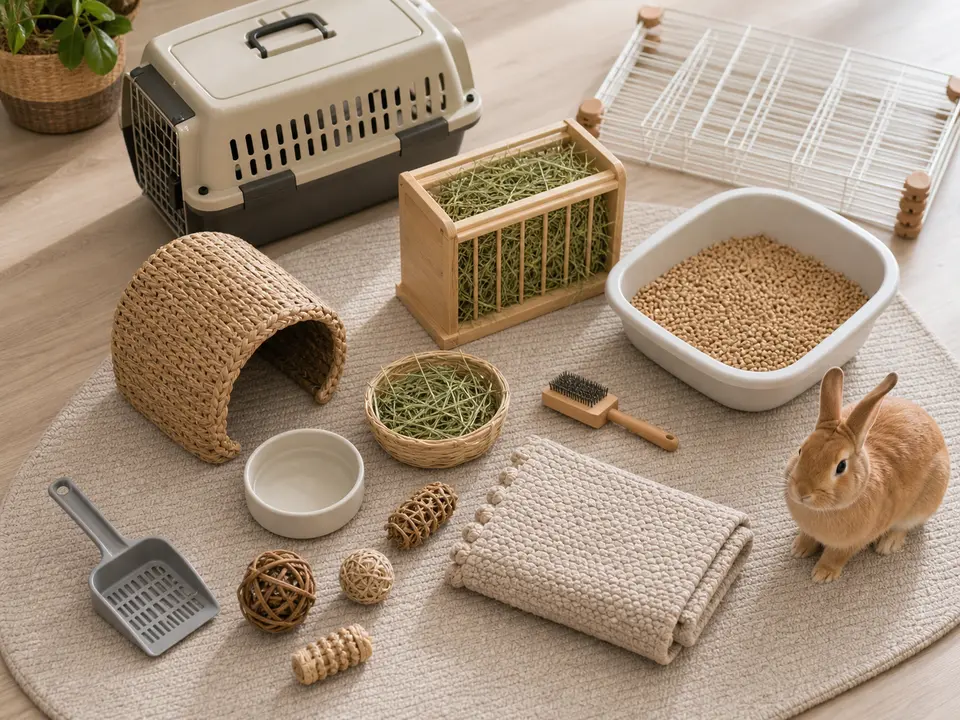
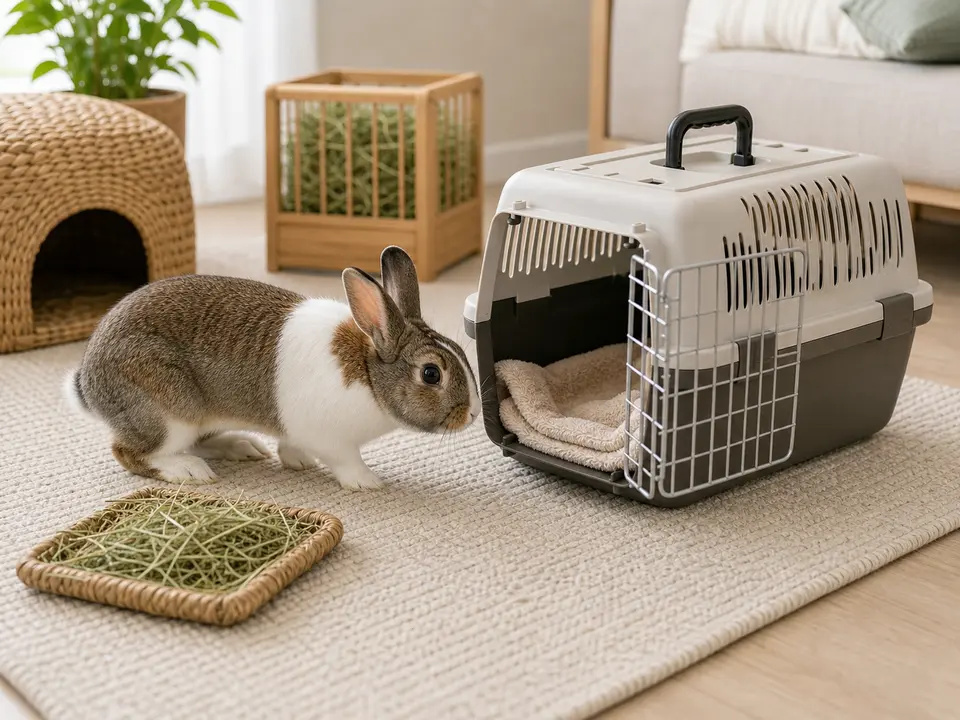
A carrier, towel, and basic travel notes should be reachable if you need to leave or move rooms.

Practice carrier comfort before a storm so the carrier is not only associated with stress.

Watch your rabbit's answer once the item is in the room. Drinking, hopping, resting, chewing safer things, and easier cleanup are better signals than the product photo or the packaging promise.

Protect the room from chaos rabbit guide

Protect the room from chaos

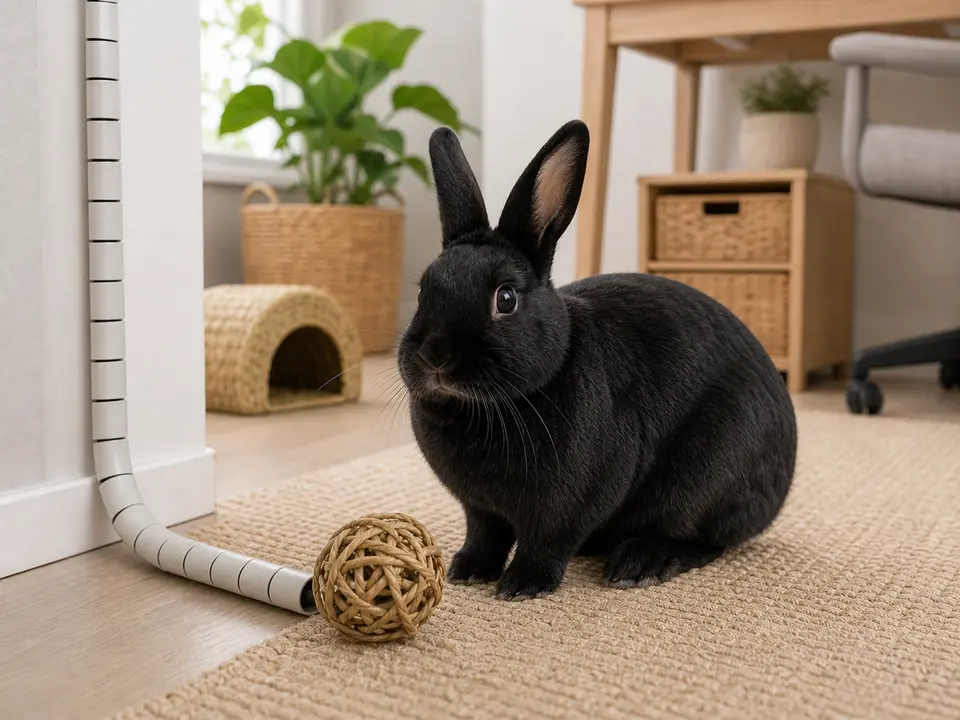
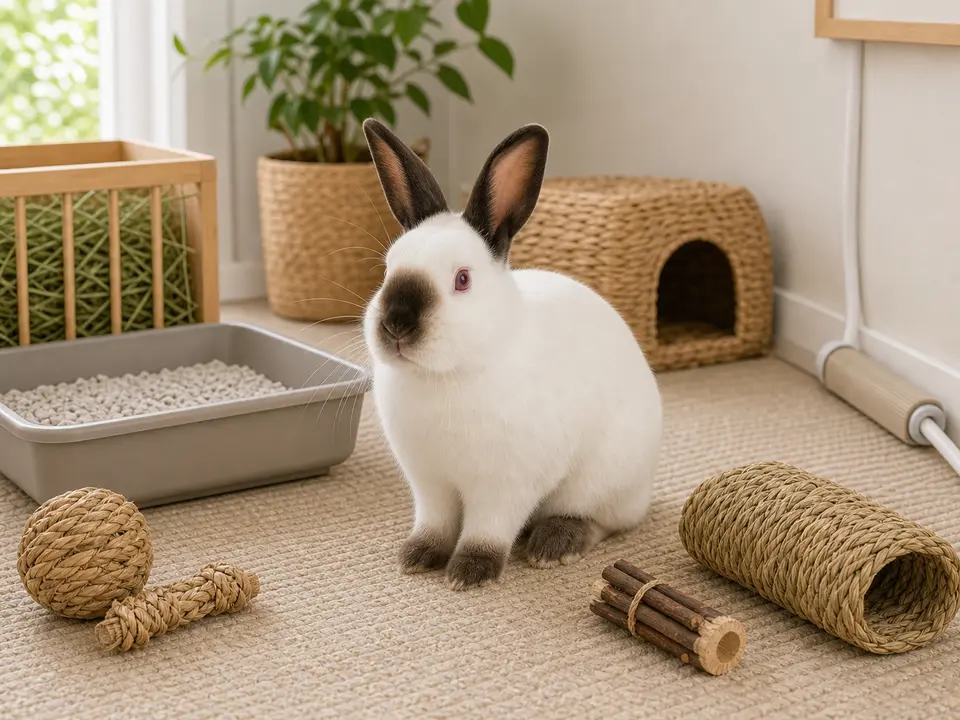
Flashlights, cords, fans, heaters, buckets, and extra boxes can create new chewing hazards.

Set human emergency supplies where the rabbit cannot reach them during floor time.

Keep the setup calm enough to repeat on a tired weekday. Premium rabbit care usually looks simple: fewer pieces, better placement, and no surprise hazards at floor level or cleanup time.

Write the plan down rabbit guide

Write the plan down

Keep vet contacts, medication notes if relevant, and feeding basics in one visible place.

A written plan helps anyone in the home keep hay, water, litter, and comfort steady when the weather is already stressful.

If the item creates stress, mess, or avoidance, change the setup quickly. Supplies should make the easy behavior obvious rather than giving your rabbit another problem to solve each day.

Before you decide

  • What changed recently?
  • Can your rabbit choose a quiet retreat?
  • Are hay, water, litter, and footing easy?
  • Is this normal for your individual rabbit?

Next best moves

  • Make one small change.
  • Watch what your rabbit chooses next.
  • Keep the setup calm enough to repeat tomorrow.

Helpful rabbit supplies

These are practical pieces for the routine, not clutter to buy all at once.

Affiliate links: Furball Cove may earn from qualifying purchases at no extra cost to you.

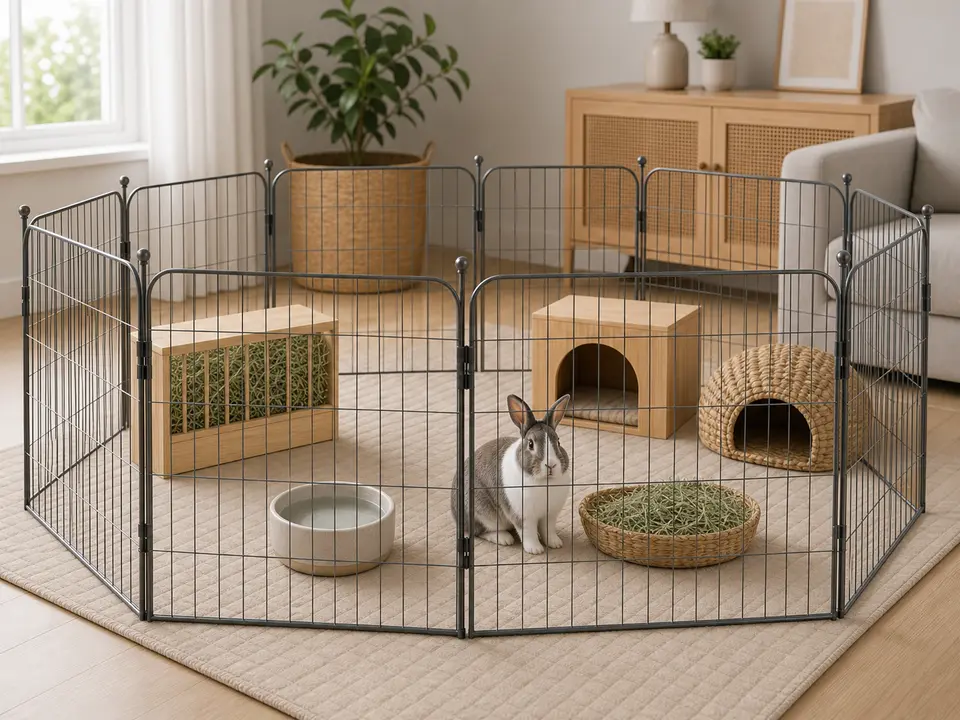
Exercise pen for a rabbit home

Exercise pen

A flexible way to build a roomy home base without a tiny cage.

Hideout for a rabbit home

Hideout

Gives your rabbit a retreat that belongs in the room every day.

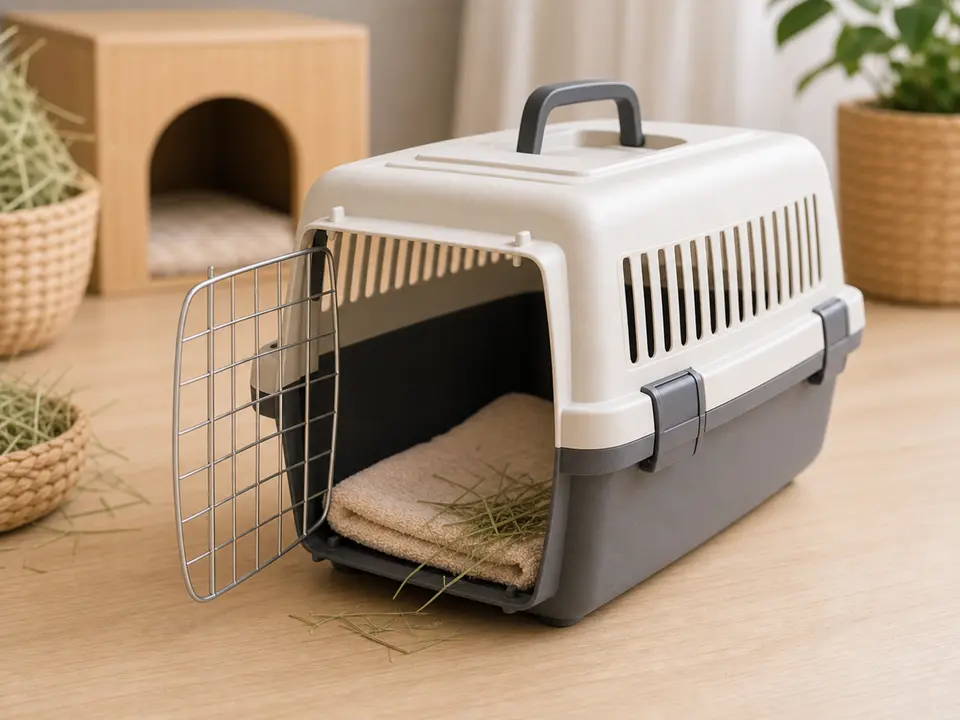
Hard-sided carrier for a rabbit home

Hard-sided carrier

Easier to keep steady and clean for vet visits.

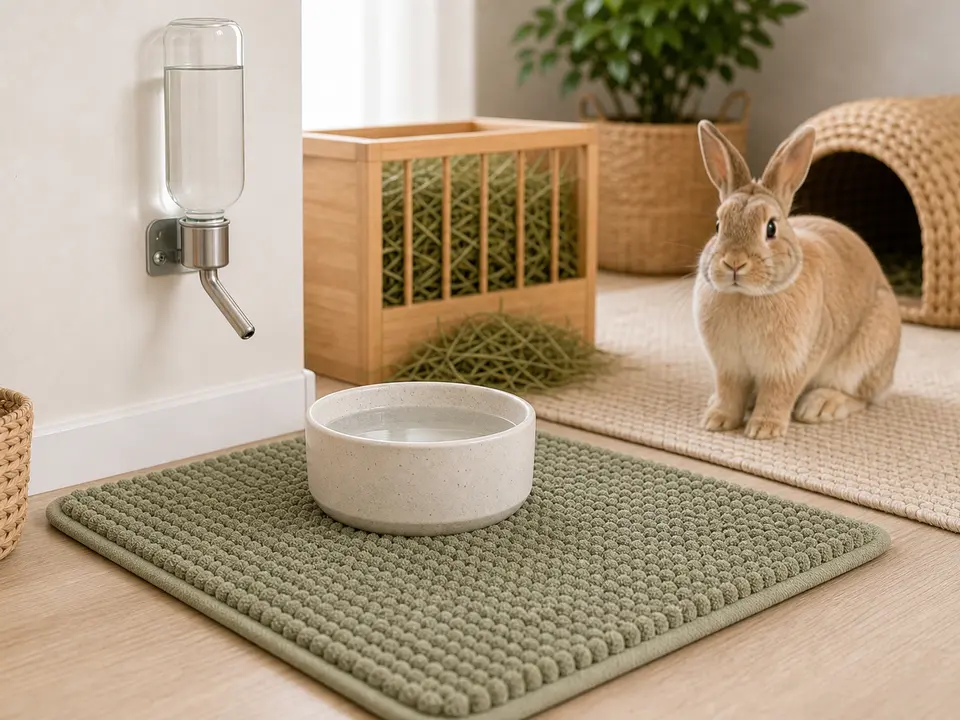
Washable floor mat for a rabbit home

Washable floor mat

Adds traction and protects the floor under the rabbit area.

Helpful follow-up questions

How do I set up backup supplies for storms or power outages?

Backup rabbit supplies for storms or power outages should cover the basics: hay, water, pellets if used, litter, carrier, towels, cooling or warmth plan, vet contact, and a way to keep the room calm and ventilated.

What should I change first?

Choose one small setup change that makes the daily routine easier: closer hay, better traction, a calmer hideout, a larger box, or a shorter handling session.

When should I get extra help?

If your rabbit stops eating or pooping, seems painful, breathes strangely, or changes suddenly, call a rabbit-savvy vet. For bonding or handling problems, an experienced rabbit rescue can also help.

References