Updated
Rabbit plant check
Is Monstera Safe for Rabbits? No—Keep It Away
Keep away
No. Monstera is not safe for rabbits to chew. Its leaves and stems contain insoluble calcium oxalate crystals that can cause mouth pain, drooling, swelling, and refusal to eat. Call a rabbit-savvy veterinarian after a known nibble.
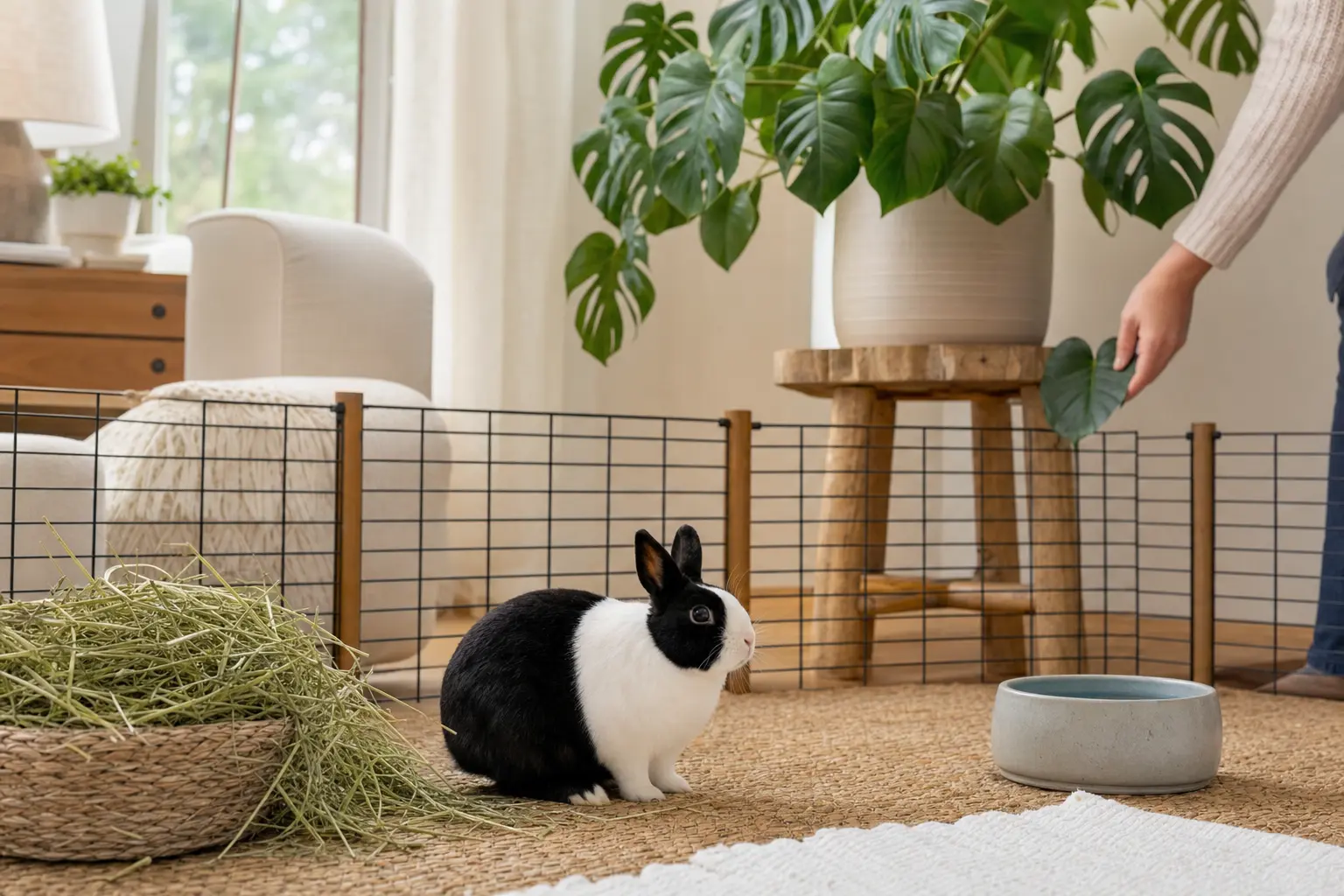 Monstera
Ask your vet if they ate it
If your rabbit ate monstera and seems off, has stopped eating, or you do not know the amount, call a rabbit-savvy veterinarian or pet poison hotline.
The leaf contains tiny irritating crystals
Monstera deliciosa stores insoluble calcium oxalate in needle-like crystals called raphides. A bite releases them against the mouth and throat. Keep every leaf beyond the pen, and call a rabbit-savvy veterinarian if chewing happens.
A high pot can still have a low leaf
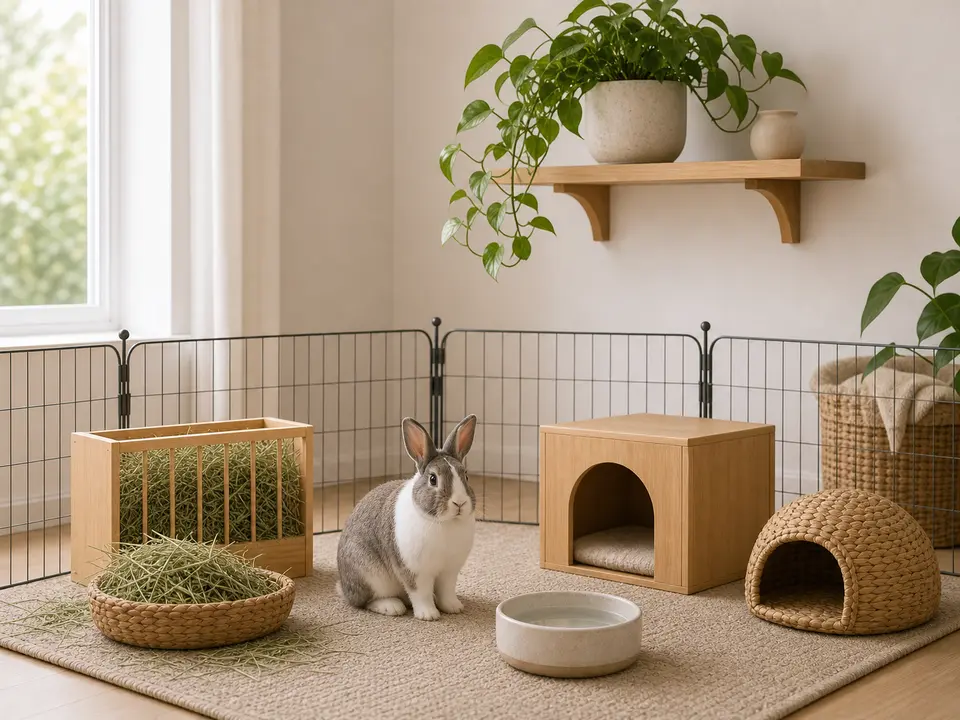
Follow the plant from pot to leaf tip at rabbit height. Broad leaves can arch over a pen, and cut stems or yellow leaves can drop behind furniture. A closed room or secure barrier is more reliable than judging the height of the pot.
Mouth pain can interrupt hay eating
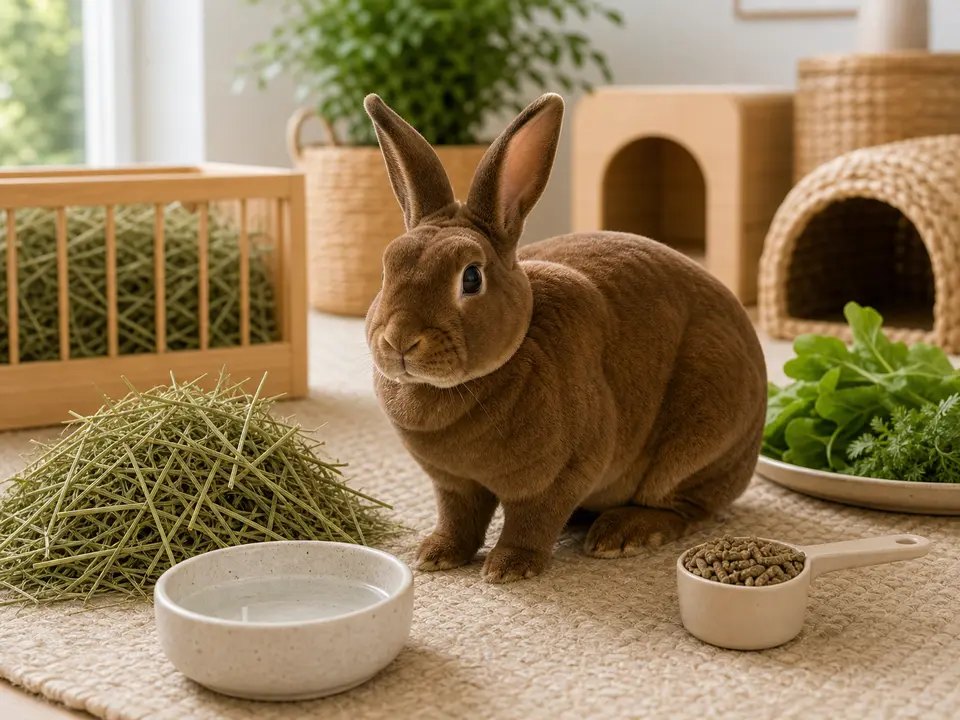
Drooling, pawing at the mouth, swelling, or suddenly refusing hay after a known nibble needs a veterinary call. Rabbits depend on steady eating, so do not wait for the plant irritation to become an appetite-and-droppings problem.
Bring the plant identity to the call
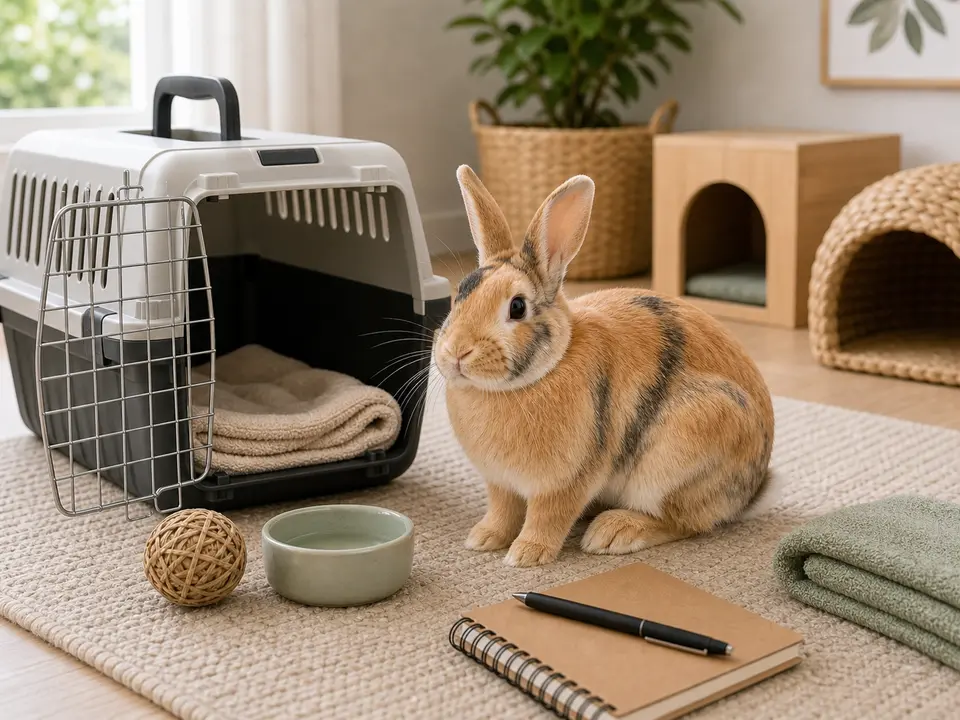
Save the tag or photograph the whole plant, leaf, stem, and pot. Tell the veterinarian when chewing happened, what looks missing, and whether your rabbit is eating, drinking, breathing comfortably, and producing normal droppings.
Keep monstera out of rabbit space
Monstera is better handled as a plant for another room. Put it behind a closed door, high enough that leaves cannot trail down, or away from floor-time areas where a curious rabbit can reach it.
Check around monstera
The real-world problem is often not the pot itself. Leaves, trimmings, petals, vines, or damp soil can land behind furniture and wait there until your rabbit explores later.
If your rabbit got into monstera
Remove the plant, save the name if you know it, and watch appetite, poop, posture, and energy. If your rabbit seems off, ate an unknown amount, or stops eating, call a rabbit-savvy vet or pet poison hotline.
Make the path around monstera plant-free
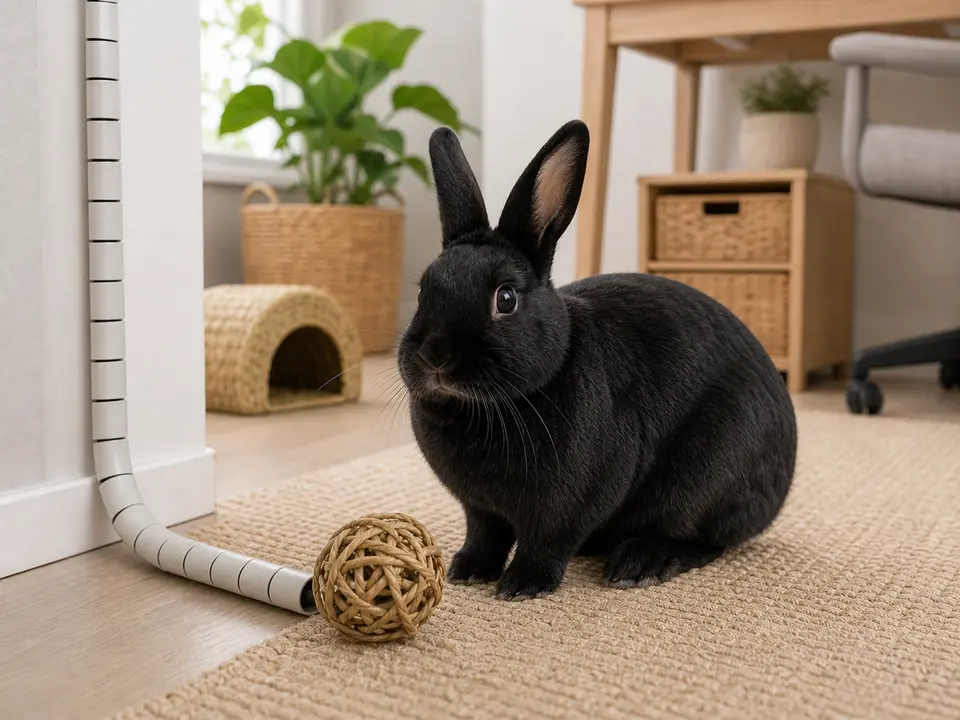
The easiest room is one where your rabbit can move without meeting trailing vines, dropped leaves, or pots on low stands. A plant-free route lets you relax and notice normal behavior instead of hovering. Move low plant stands before they become part of the rabbit map.
What to do
- Move the whole Monstera outside the rabbit room or behind a barrier that also catches dropped leaves.
- Trace every stem from the pot and trim only on the plant side of the barrier; clean up cuttings before floor time.
- If chewing happened, remove loose plant material, save the plant name, and call a rabbit-savvy veterinarian for advice.
Avoid
- Low plant stands, trailing stems, leaves overhanging the exercise pen, or a pot a rabbit can climb toward.
- Fertilizer sticks, treated soil, leaf-shine products, trimmings, and dropped leaves anywhere along the rabbit's route.
Watch for
- Drooling or pawing at the mouth needs a rabbit-savvy veterinary call
- Redness or swelling around the lips and mouth
- Refusing hay, greens, or water
- Breathing effort, unusual quietness, or a hunched painful posture
Amount
Best avoided. If your rabbit already ate it or chewed it, ask your veterinarian what to watch based on the amount and symptoms.