Updated

Rabbit question

What rabbit supplies should I avoid buying

Avoid rabbit supplies that solve no daily problem, are hard to wash, are too small, use unsafe materials, encourage risky chewing, or take floor space away from hopping and resting.

Rabbit supplies should earn their space in the daily routine. The best choice is the one that makes hay, litter, traction, chewing, transport, hiding, water, or cleanup easier tomorrow.

Avoid tiny homes sold as complete setups rabbit guide

Avoid tiny homes sold as complete setups

Avoid rabbit supplies that solve no daily problem, are hard to wash, are too small, use unsafe materials, encourage risky chewing, or take floor space away from hopping and resting. A small cage or cramped kit can look convenient online and still fail the rabbit's actual day.

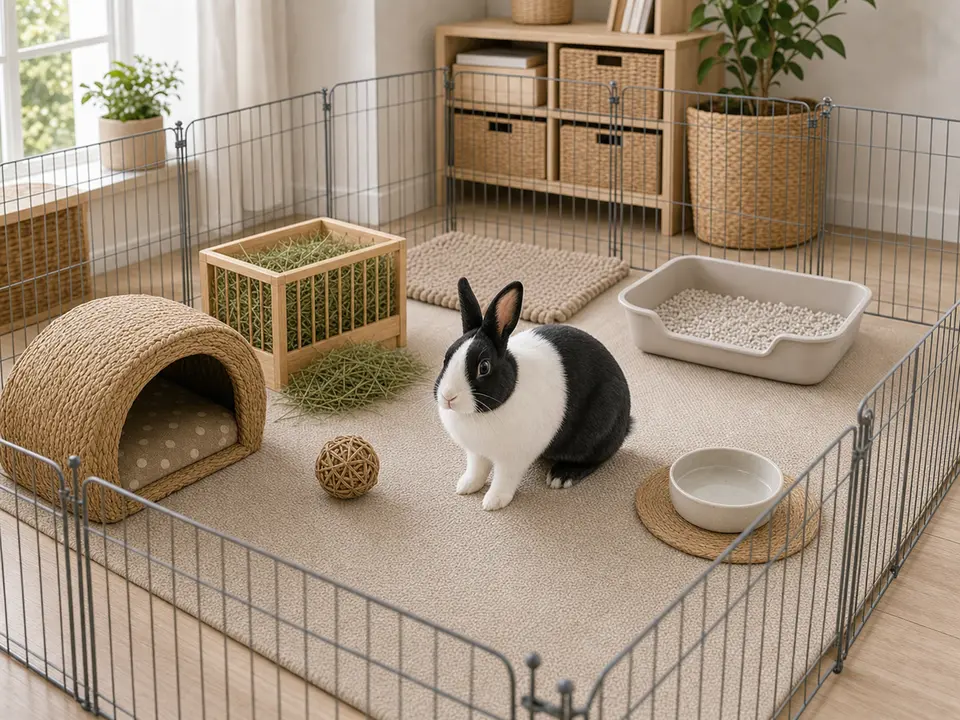
Your rabbit needs room to hop, stretch, eat hay, use the box, hide, and move without sliding.

If the starter kit cannot hold those daily jobs comfortably, it is not really a starter kit; it is a problem you will have to replace after your rabbit is already home.

Use the same test for every tempting product: where will it sit, what daily job will it solve, how will you clean it, and what happens if your rabbit chews the edge. If those answers are fuzzy, leave it out for now. A calm rabbit room usually improves when you remove the pieces that create clutter, cleaning trouble, or blocked movement.
Skip pieces that are hard to wash rabbit guide

Skip pieces that are hard to wash

Anything that traps hay, urine, fur, or smell will become frustrating fast.

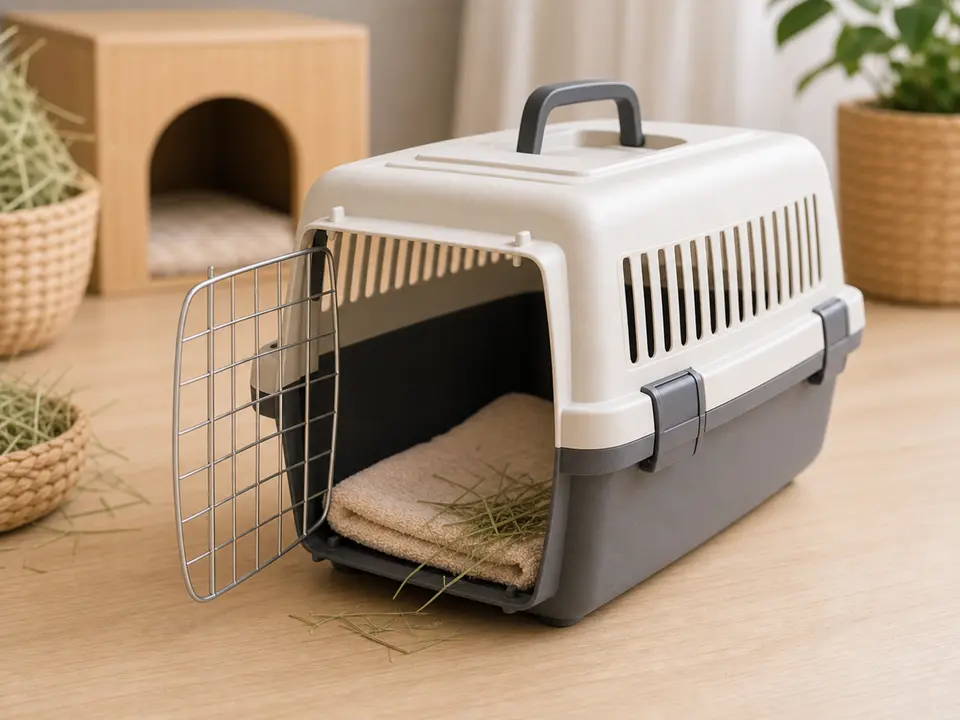
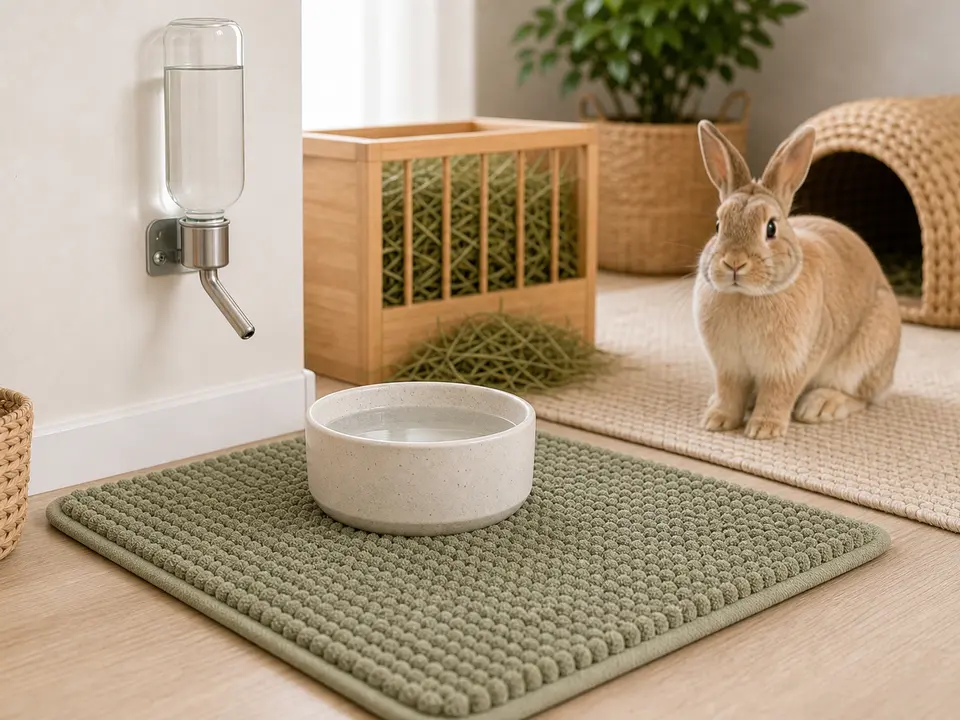
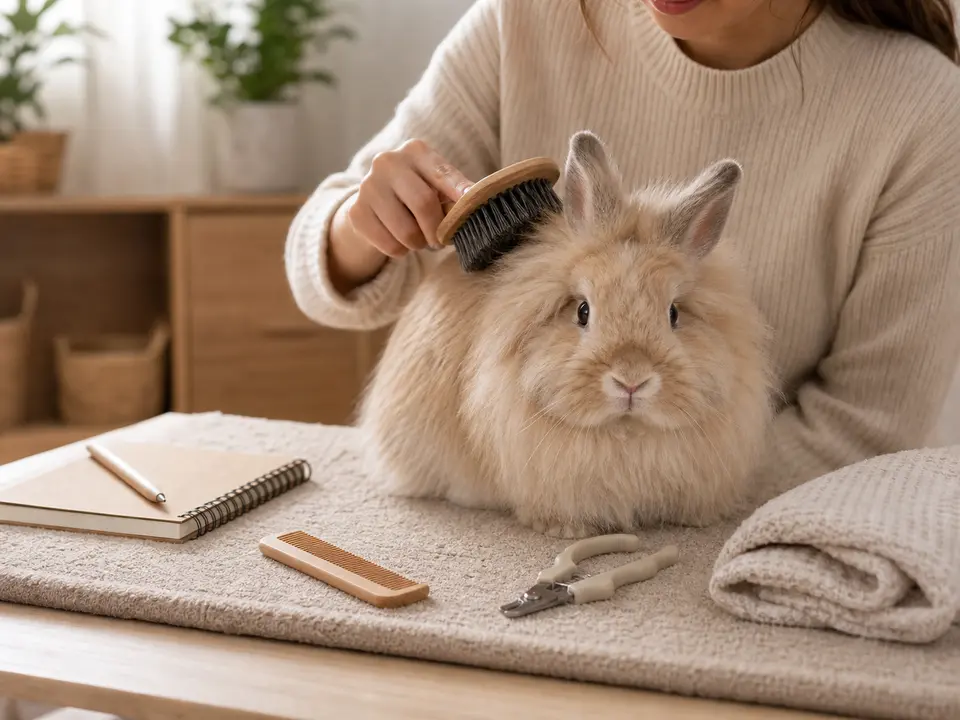
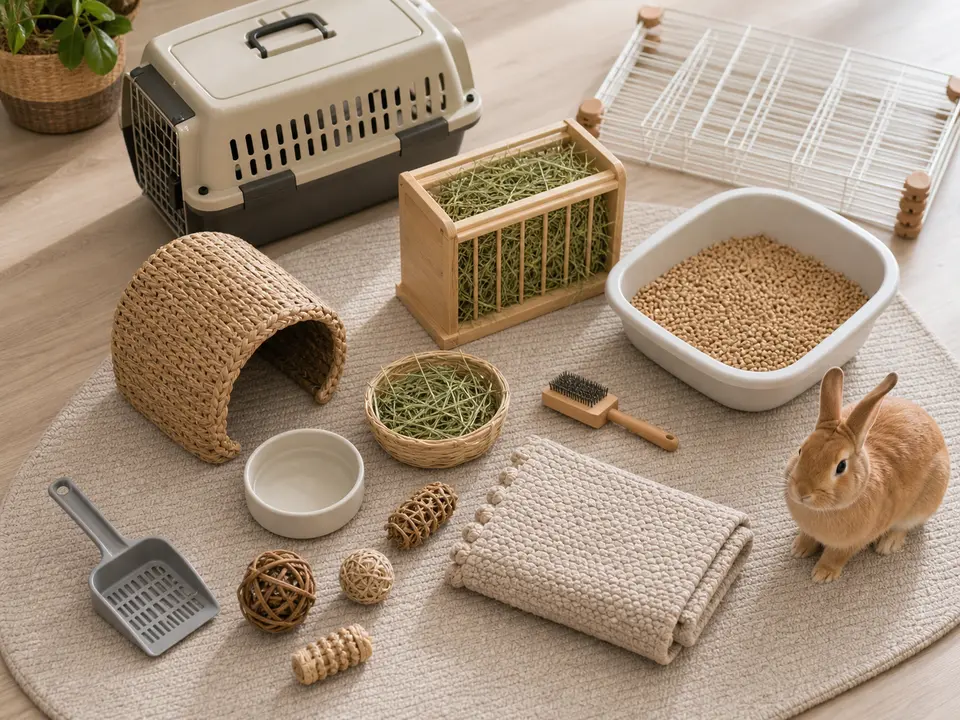
Smooth bowls, washable mats, simple boxes, and wipeable carriers usually beat fussy shapes.

If a product needs a complicated cleaning ritual, it probably will not stay clean during a normal week of hay, litter, water drips, and loose fur.

Be careful with unsafe chew materials rabbit guide

Be careful with unsafe chew materials

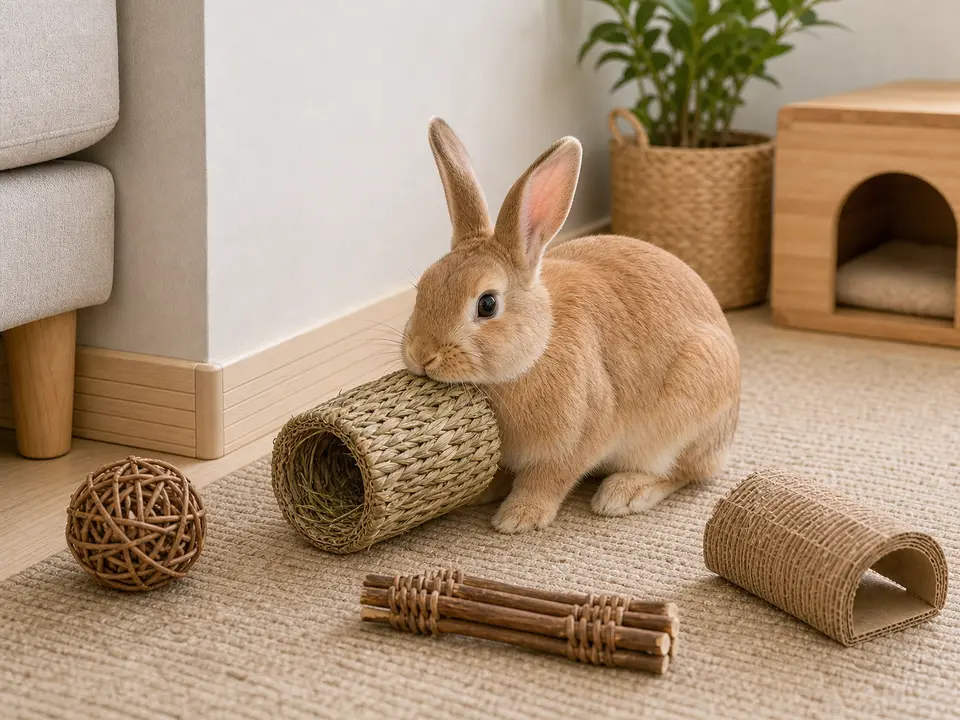
Avoid painted, scented, splintery, glued, sharp, or mystery-material chew items.

Rabbits explore with teeth, so a cute object has to be safe under real chewing, not just pretty on a shelf.

Watch your rabbit's answer once the item is in the room. Drinking, hopping, resting, chewing safer things, and easier cleanup are better signals than the product photo or the packaging promise.

Do not crowd the floor rabbit guide

Do not crowd the floor

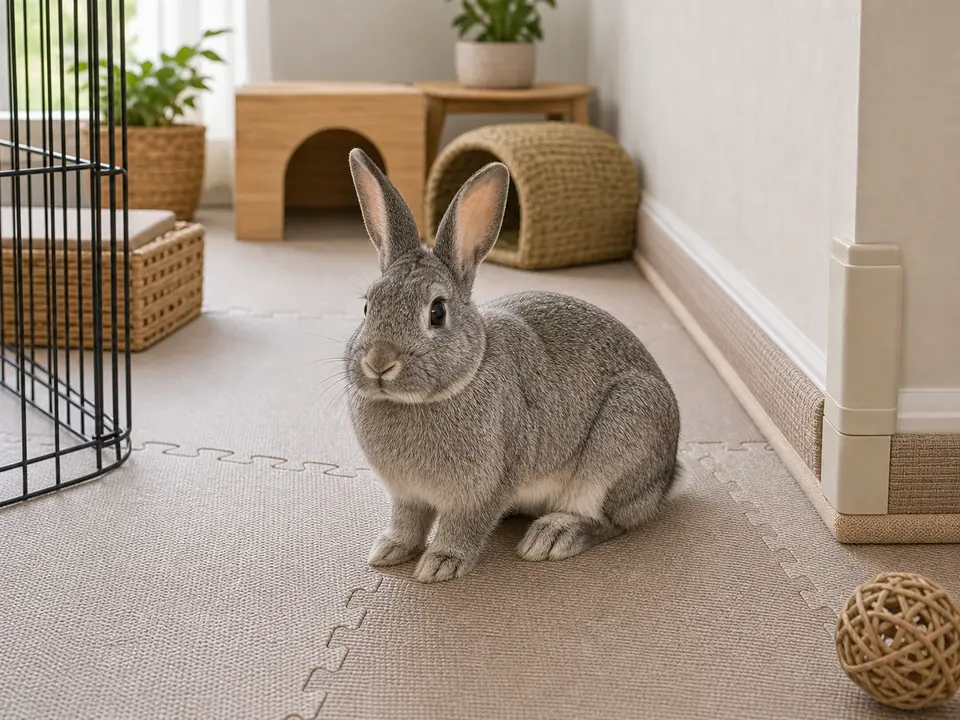
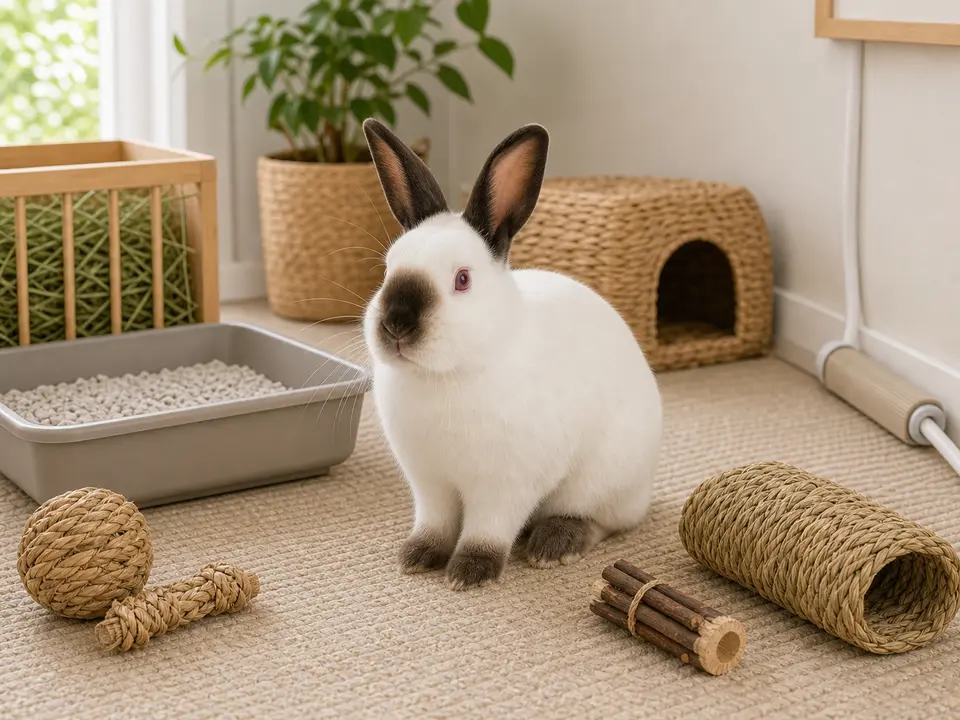
Too many products can steal the open space your rabbit needs for movement.

A few well-placed pieces make the room feel calmer than a cluttered setup full of unused accessories.

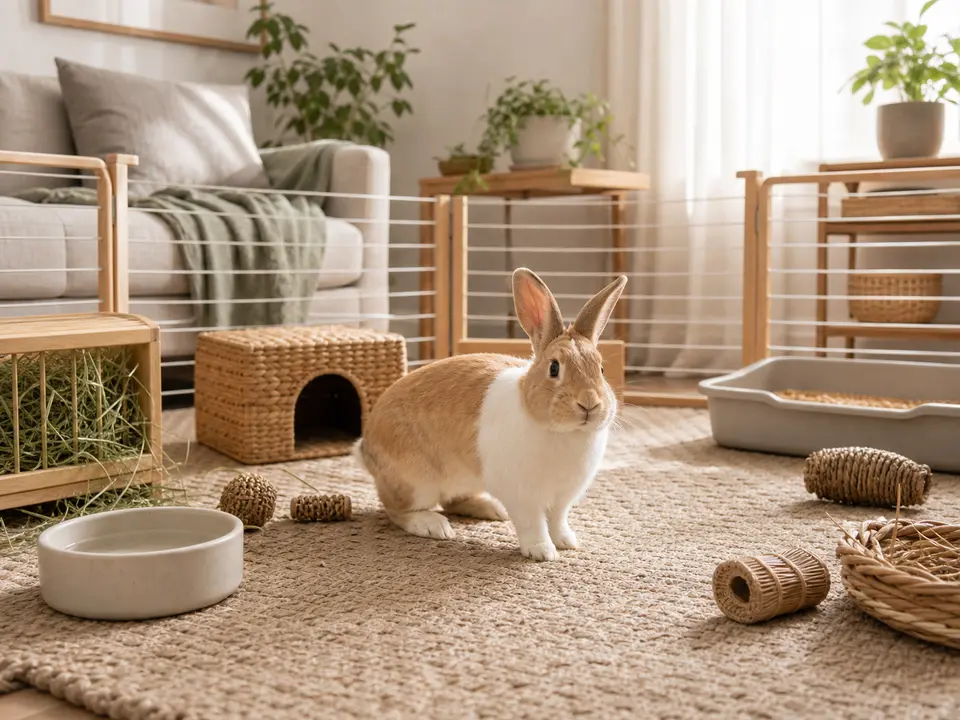
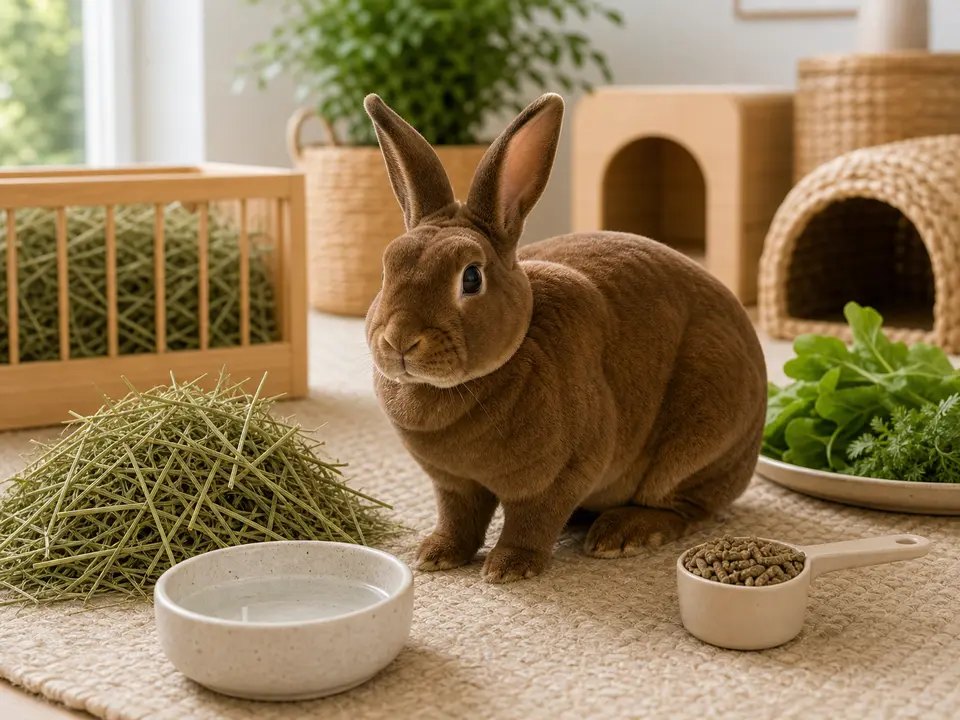
Leave clear paths between hay, water, litter, hideout, and the favorite resting spot. If every hop requires dodging a toy, tunnel, bed, or storage bin, the room may look stocked but feel harder for your rabbit to use.

Buy after you observe rabbit guide

Buy after you observe

Once your rabbit shows favorite corners, chewing textures, resting spots, and litter habits, the next purchase becomes obvious.

That is how you avoid buying for a fantasy rabbit instead of the one living in your room.

That patience saves money and keeps the room calmer.

It also leaves more open floor for hopping, stretching, and choosing where to rest.

Before you decide

  • What changed recently?
  • Can your rabbit choose a quiet retreat?
  • Are hay, water, litter, and footing easy?
  • Is this normal for your individual rabbit?

Next best moves

  • Make one small change.
  • Watch what your rabbit chooses next.
  • Keep the setup calm enough to repeat tomorrow.

Helpful rabbit supplies

These are practical pieces for the routine, not clutter to buy all at once.

Affiliate links: Furball Cove may earn from qualifying purchases at no extra cost to you.

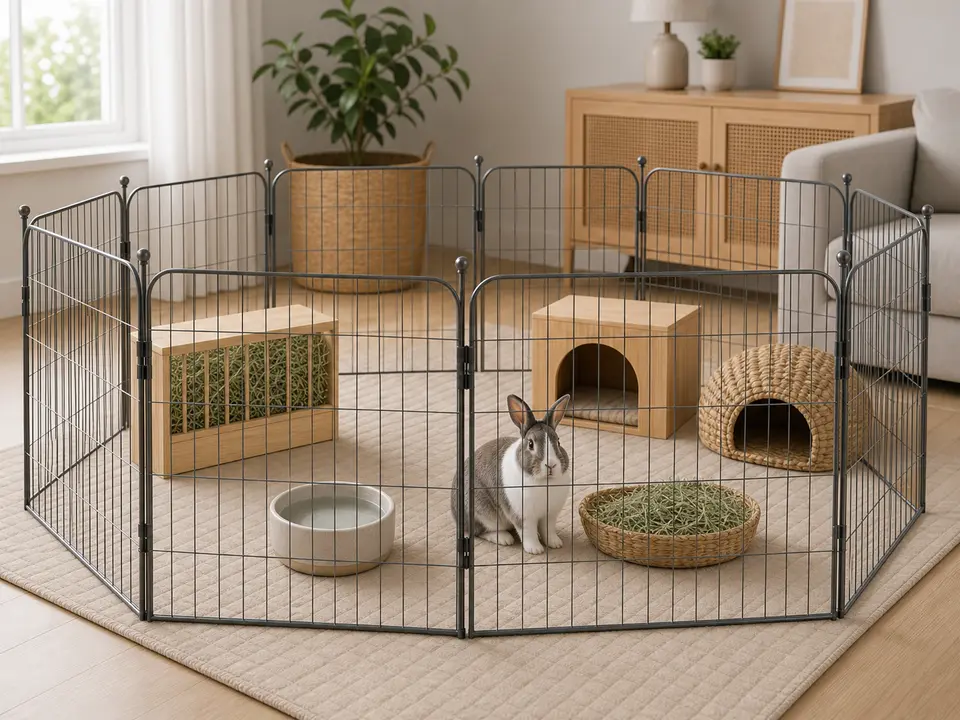
Exercise pen for a rabbit home

Exercise pen

A flexible way to build a roomy home base without a tiny cage.

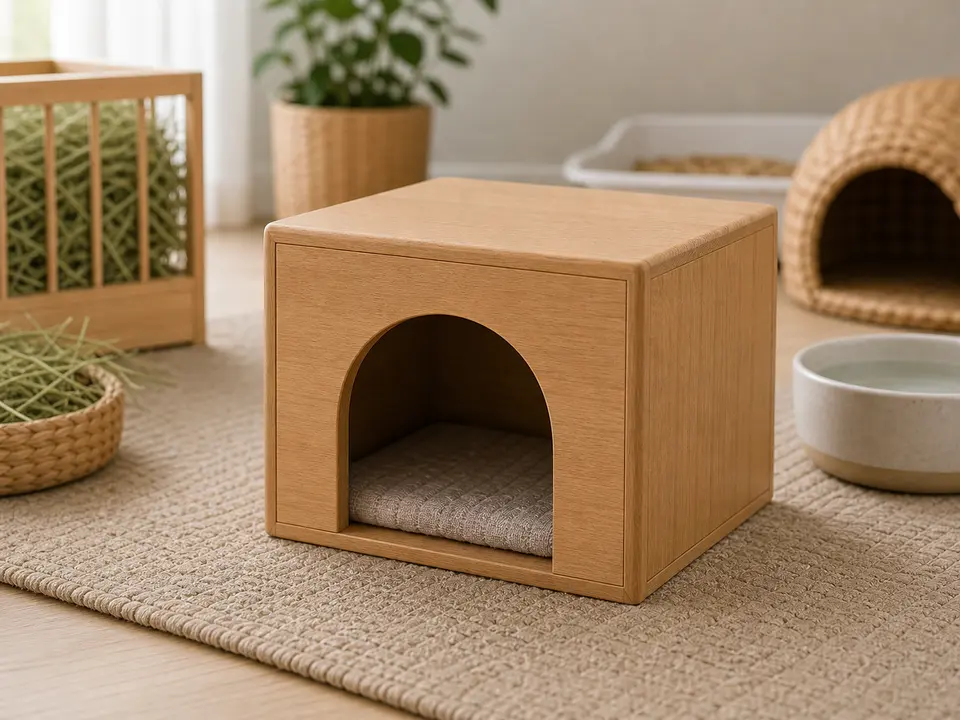
Hideout for a rabbit home

Hideout

Gives your rabbit a retreat that belongs in the room every day.

Hard-sided carrier for a rabbit home

Hard-sided carrier

Easier to keep steady and clean for vet visits.

Washable floor mat for a rabbit home

Washable floor mat

Adds traction and protects the floor under the rabbit area.

Helpful follow-up questions

What rabbit supplies should I avoid buying?

Avoid rabbit supplies that solve no daily problem, are hard to wash, are too small, use unsafe materials, encourage risky chewing, or take floor space away from hopping and resting.

What should I change first?

Choose one small setup change that makes the daily routine easier: closer hay, better traction, a calmer hideout, a larger box, or a shorter handling session.

When should I get extra help?

If your rabbit stops eating or pooping, seems painful, breathes strangely, or changes suddenly, call a rabbit-savvy vet. For bonding or handling problems, an experienced rabbit rescue can also help.

References