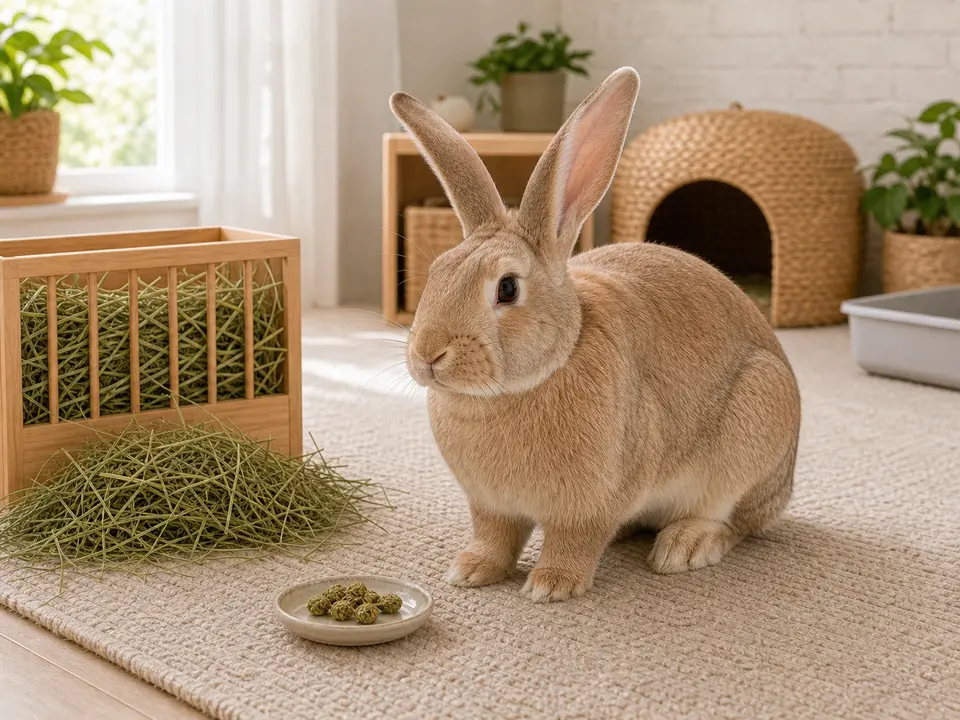
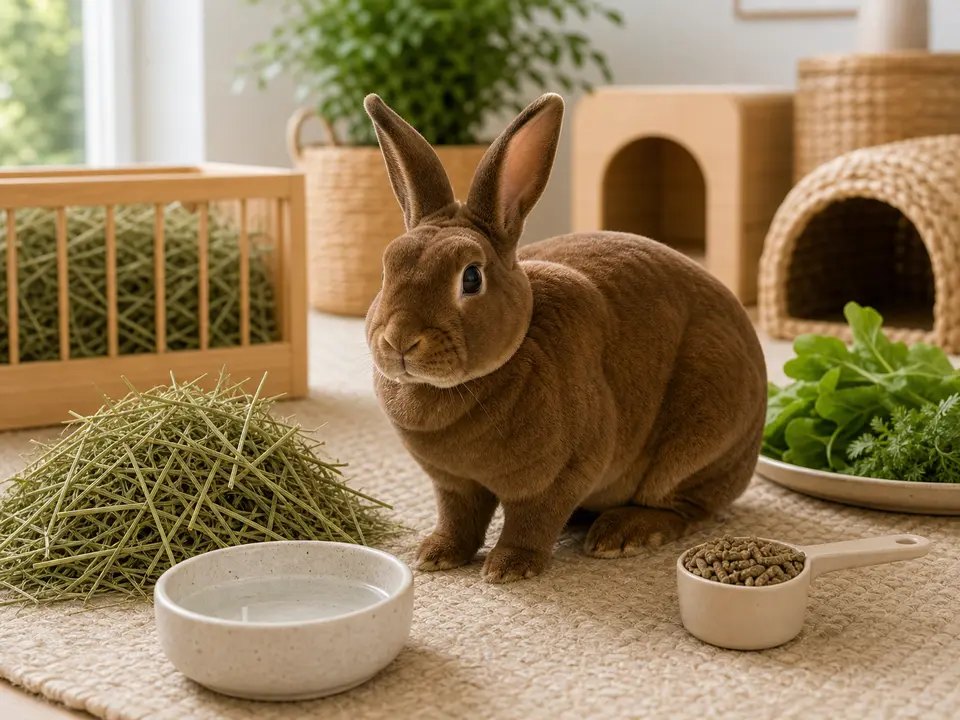
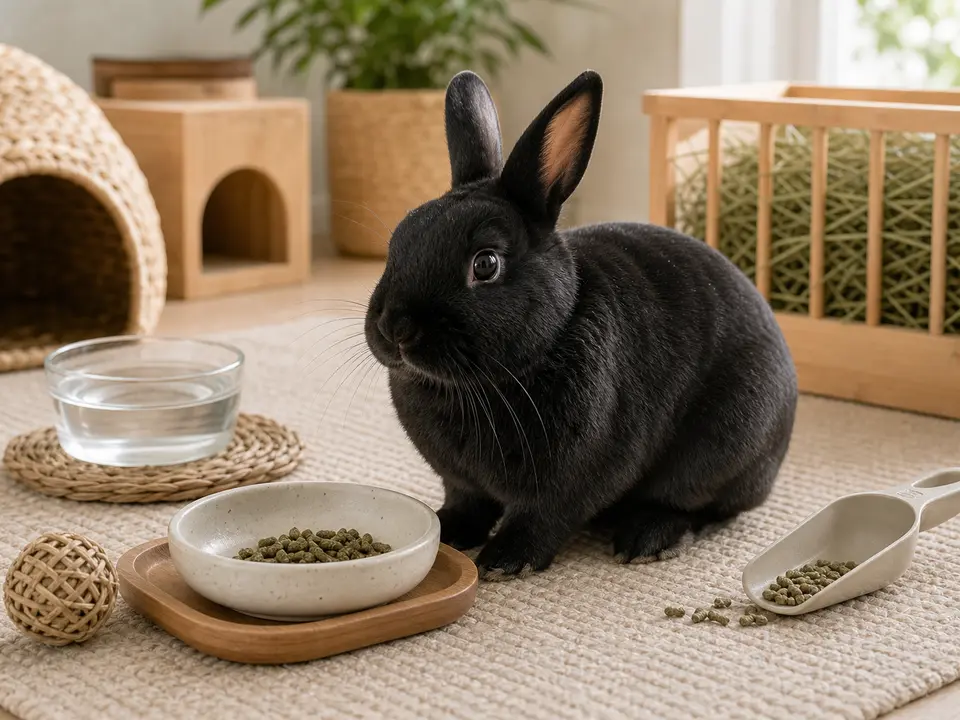
Safe rabbit treats should be tiny, simple, and occasional, with hay still first. Many rabbits enjoy a small piece of rabbit-appropriate fruit, herb, or a measured pellet used as a reward, but treats should never replace hay, greens, water, or normal appetite checks.
Treats are powerful because rabbits often act like every tiny bite is the best moment of the day. That does not mean the treat should run the routine. A good treat plan supports trust and enrichment without turning meals upside down.
Keep treats tiny on purpose
A rabbit treat should be small enough that it does not change the meal. Think tiny bite, not snack bowl. Rabbits are small animals with sensitive routines, and a little sweet food can go a long way. If a treat feels large in your hand, it is probably large for the rabbit too.
Use treats where they help
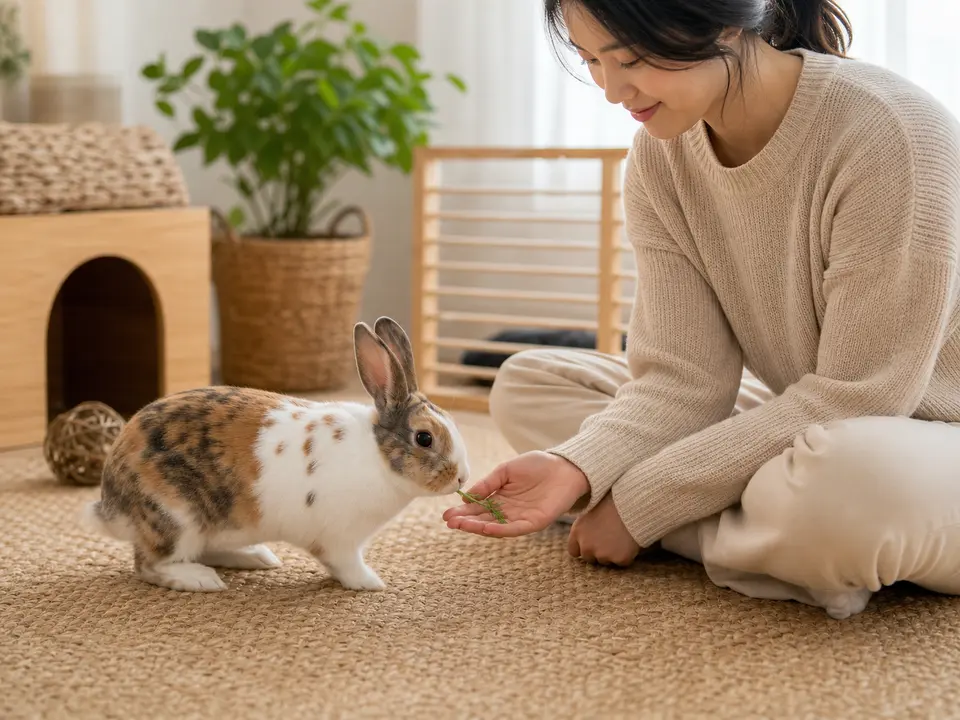
A tiny treat can support carrier practice, grooming cooperation, recall to the pen, or calm floor bonding. Use it to reward a behavior you want, then stop while the moment is still easy. The treat should support trust, not create a daily argument. Quiet timing matters more than a bigger reward.
Keep hay ahead of greens
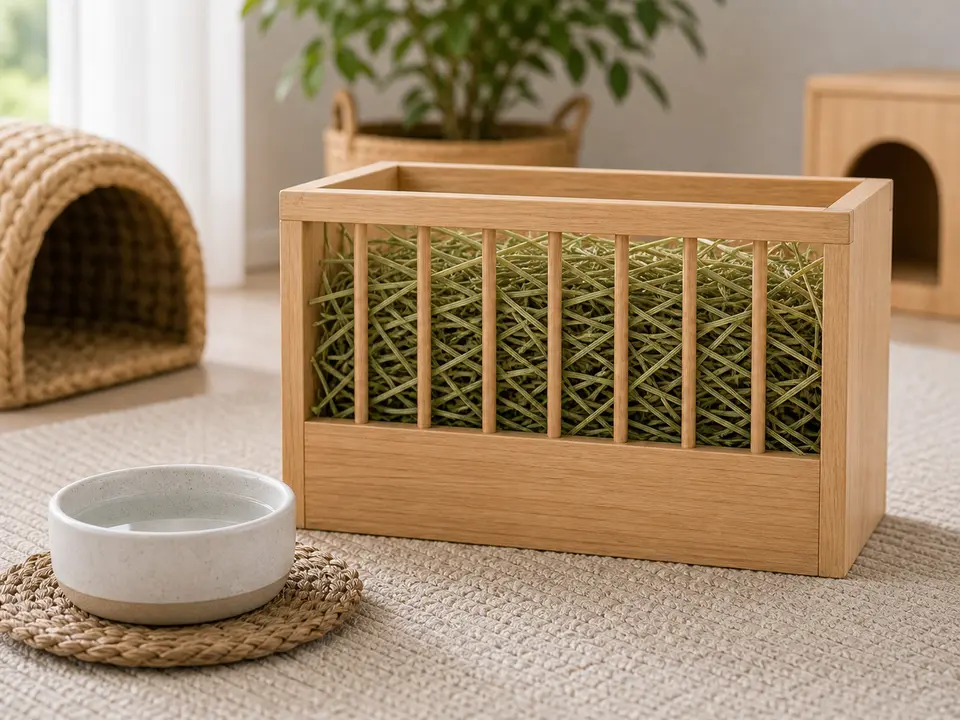
Treats should never crowd out hay. If your rabbit begs for treats but leaves hay, reduce treat frequency and make hay fresher, easier to reach, or more interesting. The ordinary hay pile tells you more about health than treat enthusiasm.
Choose simple ingredients
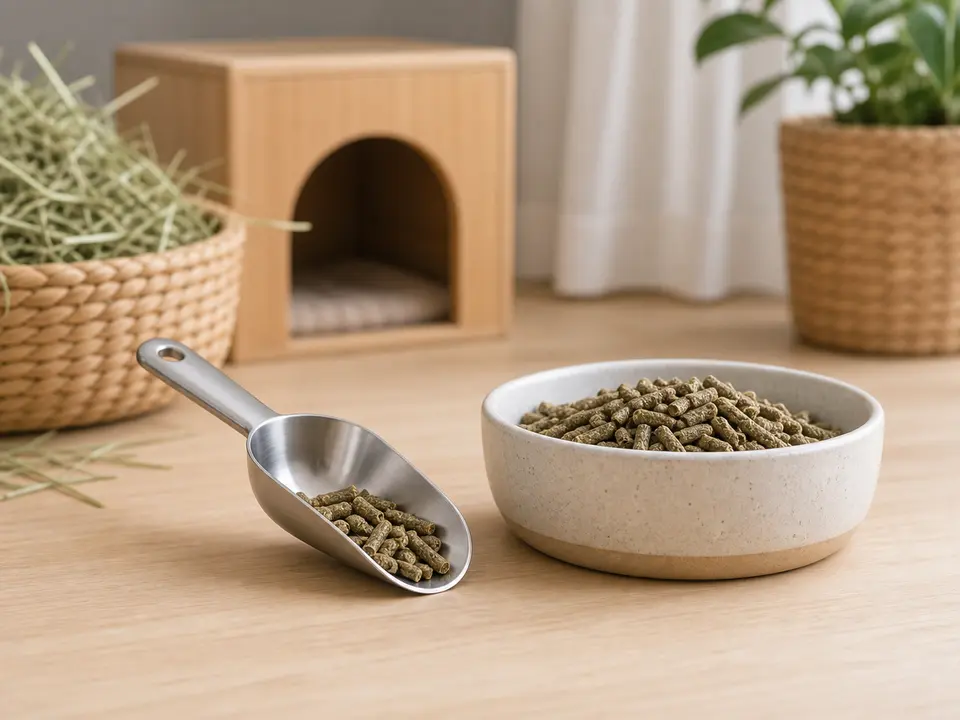
Avoid colorful treat mixes, yogurt drops, sugary processed snacks, seeds, and mystery ingredient blends. If you use fruit, keep it very small. Many homes do better using part of the measured pellet portion as a reward instead of adding separate treats every day. This keeps rewards tied to the normal feeding plan.
Do not let begging run the room
Rabbits learn routines quickly. If a treat appears every time they rattle a pen or stand at your feet, the begging may grow. Reward calm moments, rotate enrichment, and keep treat timing predictable enough that your rabbit does not spend the evening negotiating. Consistency is kinder than giving in and then getting frustrated.
Watch appetite and poop
If a treat leads to soft stool, smaller poops, less hay interest, or a rabbit who seems uncomfortable, stop that treat and return to the simple routine. Call a rabbit-savvy vet if appetite or poop changes are significant or do not settle. The best treat is still a treat your rabbit feels normal after eating. If you are unsure, skip the treat and use gentle attention or hay-based enrichment instead.
Before you decide
Is the treat tiny enough that hay remains the main meal?
Do you know the ingredients?
Is the treat supporting training, bonding, or enrichment instead of begging?
Did poop, appetite, or comfort change afterward?
Next best moves
Use treats sparingly and keep portions tiny.
Favor simple rabbit-appropriate foods or measured pellets over processed mixes.
Reward calm useful behaviors instead of loud begging.
Stop a treat if it changes appetite, poop, or comfort.
Treat and enrichment helpers
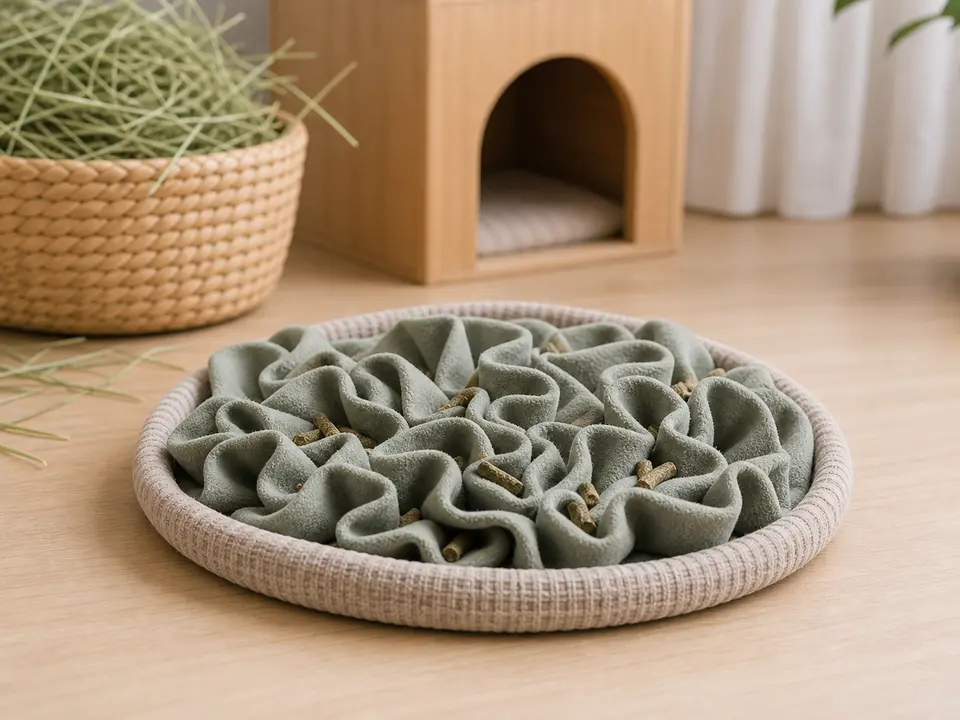
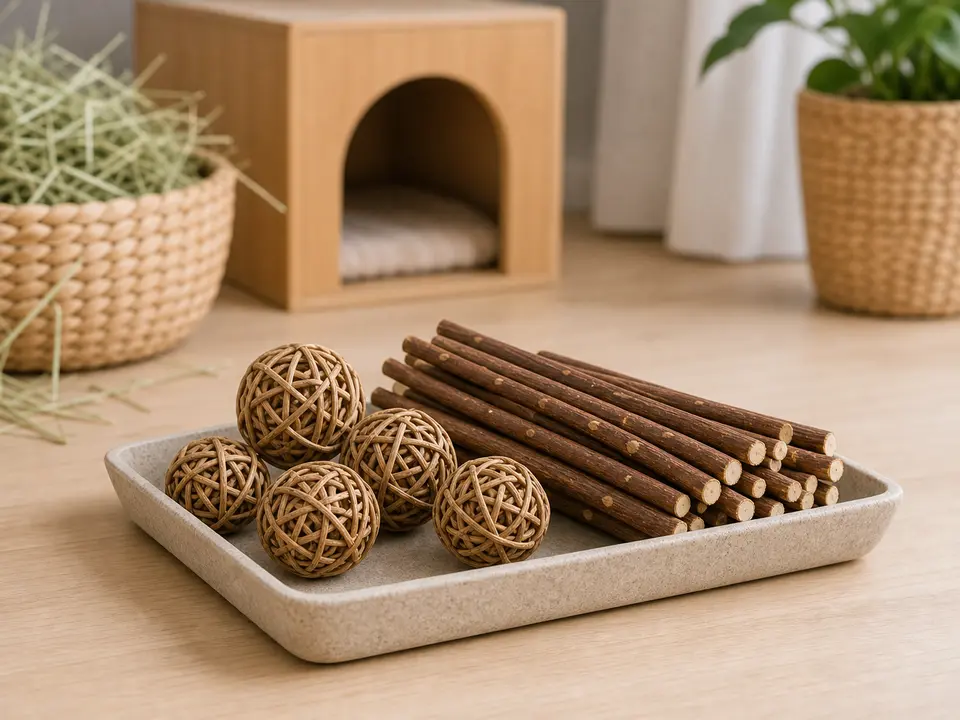
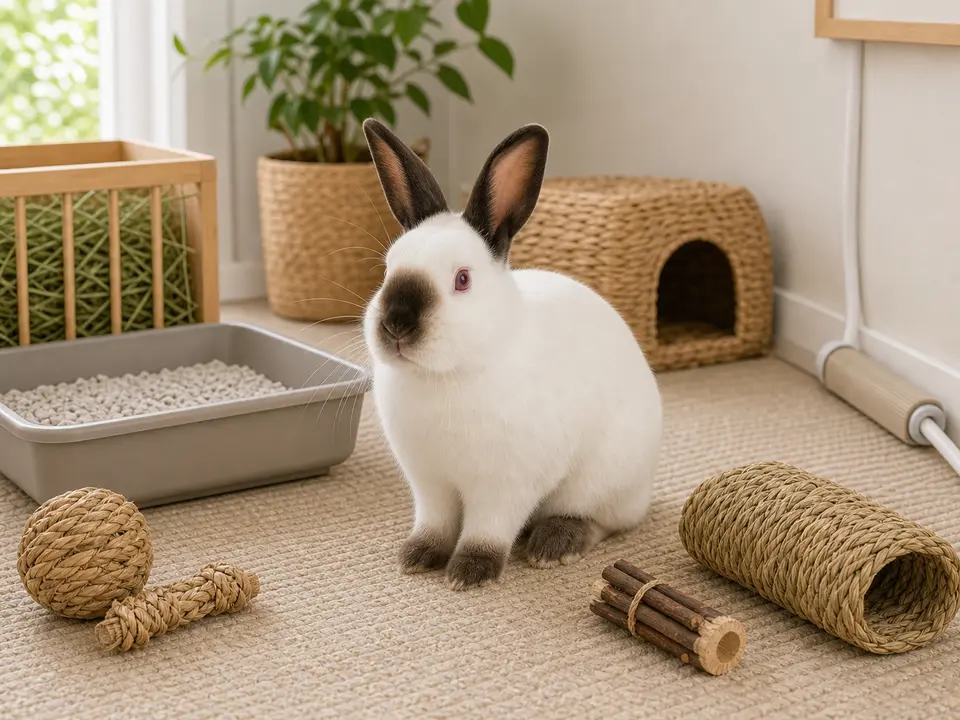
Use treat tools to slow down tiny rewards, not to increase how much treat food your rabbit gets.
Affiliate links: Furball Cove may earn from qualifying purchases at no extra cost to you.