A rabbit should have a relationship with a rabbit-savvy vet before something feels urgent. Many homes plan a routine wellness visit at least yearly, then call sooner for appetite, poop, teeth, breathing, movement, pain, or heat concerns. Your exact schedule should follow your rabbit's age, health history, and your vet's guidance.
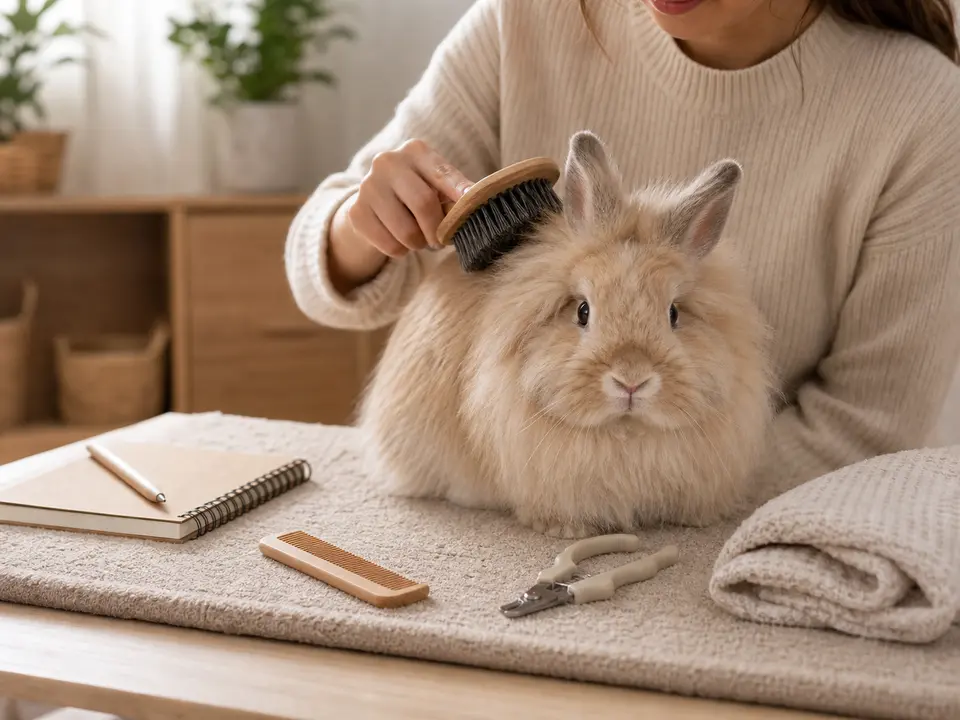
A useful rabbit vet schedule is not just a date on a calendar. It is a routine for noticing the small things that make vet visits more productive: hay eating, poop size, weight, teeth clues, nail length, grooming comfort, and how your rabbit handles the carrier.
Find a rabbit-savvy vet early
Do this before you are worried. Ask how often the clinic sees rabbits, whether they handle rabbit dental concerns, and what to do if your rabbit stops eating after hours. Having the clinic name, phone number, and drive time ready makes the whole household calmer.
Use yearly wellness visits as a baseline
A routine visit gives your vet a chance to check weight, teeth, body condition, feet, nails, ears, eyes, coat, and any age-related changes. It also gives you a normal baseline, so later changes in appetite, movement, or posture are easier to explain. That baseline is especially useful for quiet rabbits who hide discomfort well.
Bring notes that make the visit useful
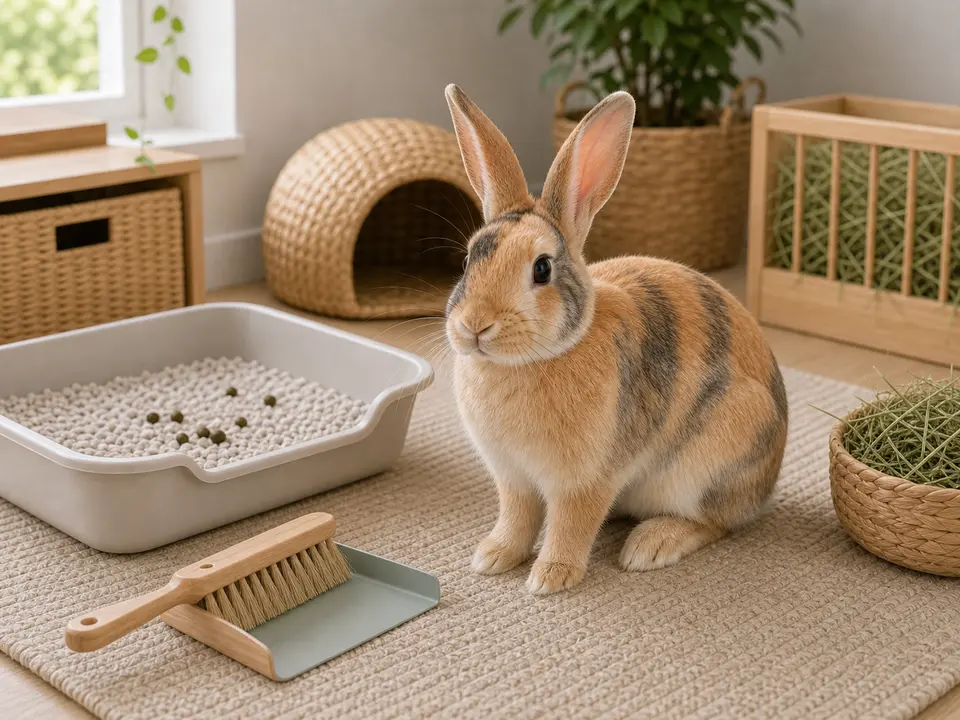
Write down what your rabbit eats, how much hay disappears, whether poops changed, what litter looks like, and any videos of odd movement or posture. Short notes help your vet see the pattern, especially when your rabbit acts completely normal in the exam room.
Practice the carrier before appointment day
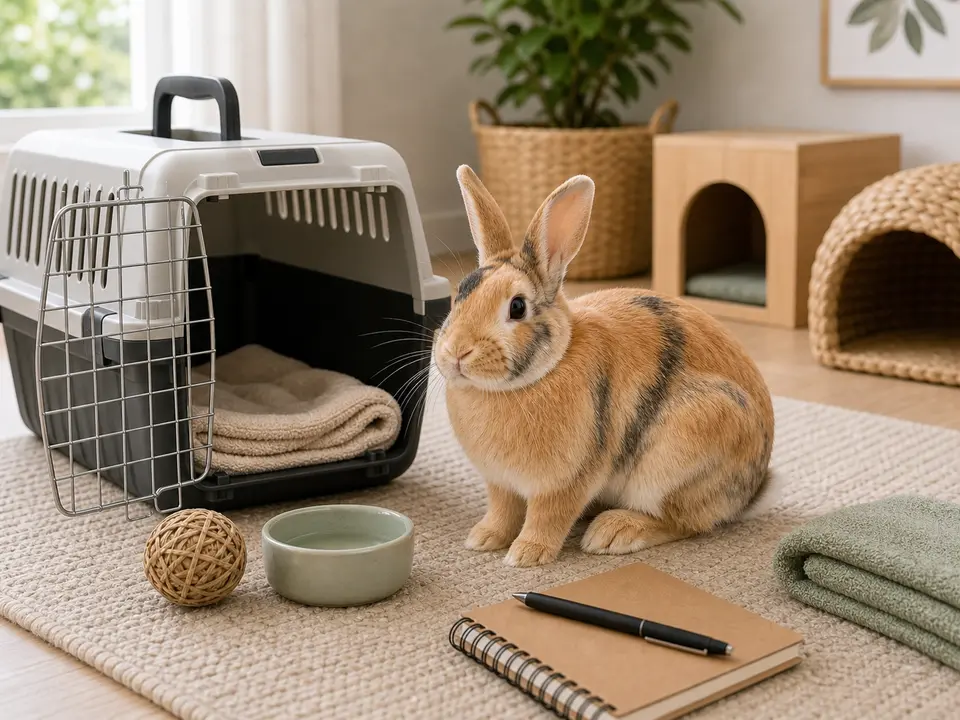
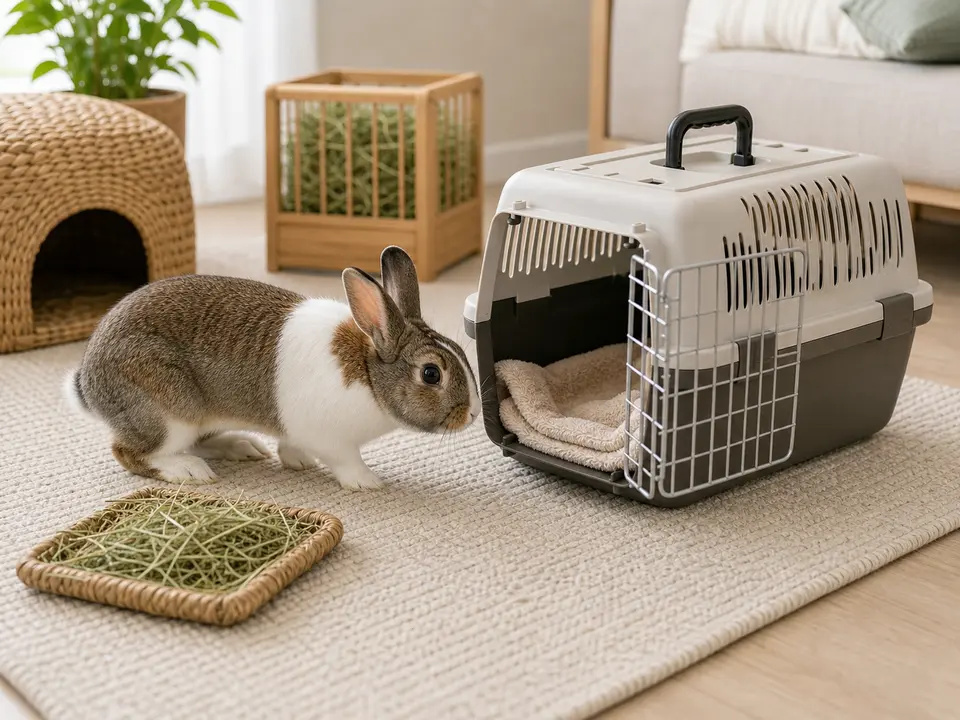
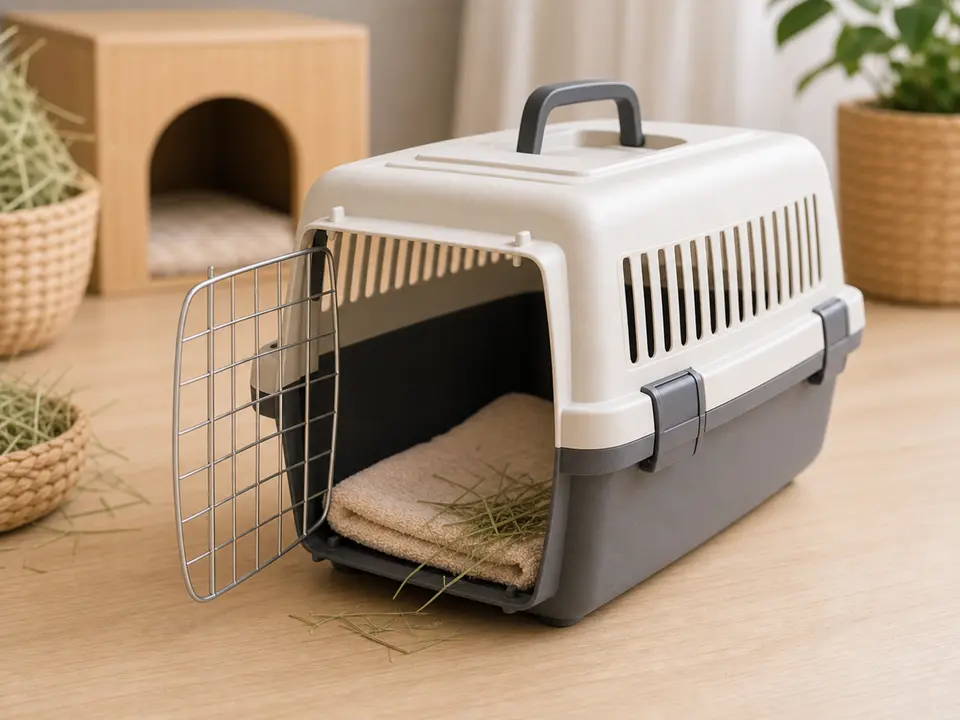
A familiar carrier makes vet visits less stressful. Keep a hard-sided carrier available, line it with a towel for traction, and let your rabbit explore it during normal life. A rabbit who has only seen the carrier during scary moments may make every appointment harder.
Call sooner for appetite or poop changes
Do not save every concern for the next routine visit. A rabbit who stops eating, produces fewer or tiny poops, drools, looks hunched, breathes strangely, overheats, limps, collapses, or seems painful needs same-day guidance from a rabbit-savvy vet or emergency clinic.
Adjust the schedule for seniors
Older rabbits may need more frequent check-ins, especially if they have dental issues, stiffness, weight change, messy fur, sore feet, or trouble reaching hay and litter. The goal is not more appointments for the sake of it; it is catching comfort changes early enough to help.
Before you decide
Do you already know which rabbit-savvy vet you would call?
Has your rabbit had a routine wellness baseline?
Do you track appetite, hay, poop, weight, teeth clues, and movement changes?
Is the carrier familiar before appointment day?
Would you call sooner for not eating, fewer poops, breathing changes, pain, or heat concerns?
Next best moves
Choose a rabbit-savvy vet before the first urgent problem.
Use routine visits to establish a baseline for weight, teeth, feet, coat, and comfort.
Bring concise notes and videos when something has changed at home.
Call sooner when appetite, poop, breathing, heat, movement, pain, or weakness changes appear.
Useful supplies to keep the care routine clear
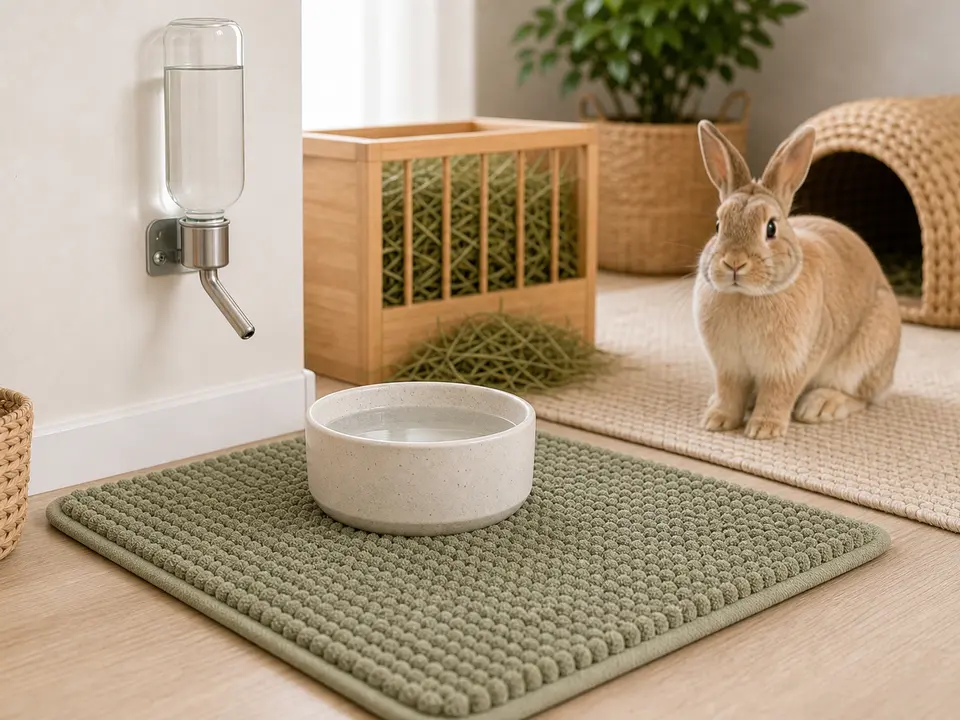
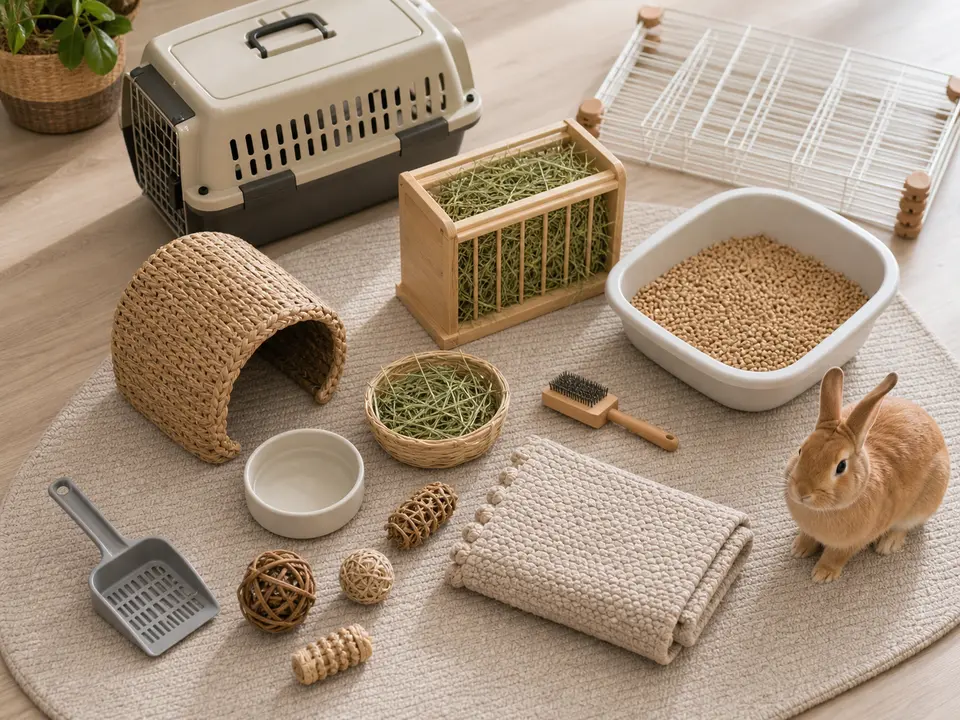
These do not replace a rabbit-savvy vet. They make transport, water, hay access, and observation easier while you follow the care plan.
Affiliate links: Furball Cove may earn from qualifying purchases at no extra cost to you.
Many rabbits benefit from at least a yearly wellness visit, but seniors or rabbits with health concerns may need more frequent check-ins. Follow your rabbit-savvy vet's guidance.
What should I bring to a rabbit vet visit?
Bring notes on appetite, hay, poop, water, weight, movement, grooming, and any videos of the concern. A familiar carrier with a towel helps too.
When should I call before the scheduled visit?
Call promptly for not eating, fewer or no poops, drooling, hunched posture, breathing changes, overheating, limping, collapse, or obvious pain.