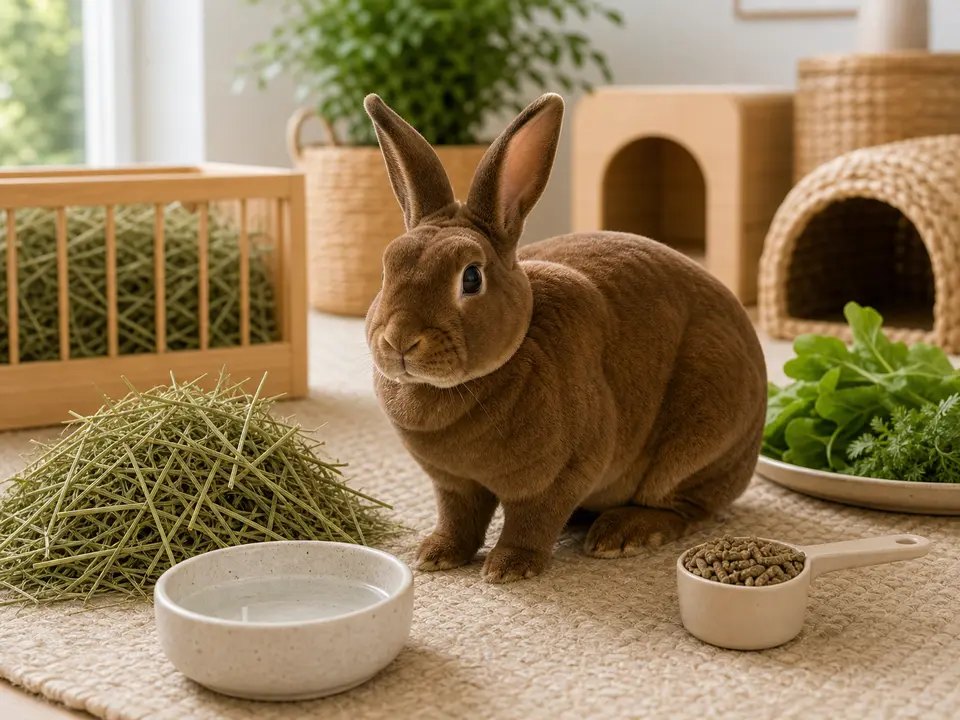
Rabbits can be good family pets for gentle kids, but they are not usually good pick-up-and-cuddle pets. They do best in families that can teach children to sit on the floor, move calmly, respect hiding places, and help with chores without treating the rabbit like a toy.
The best rabbit-and-kid homes are calm, supervised, and honest about what rabbits enjoy. A child may love the rabbit deeply, but adults still own the responsibility for daily care, safe handling, cleanup, and vet decisions.
Start with floor-level friendship
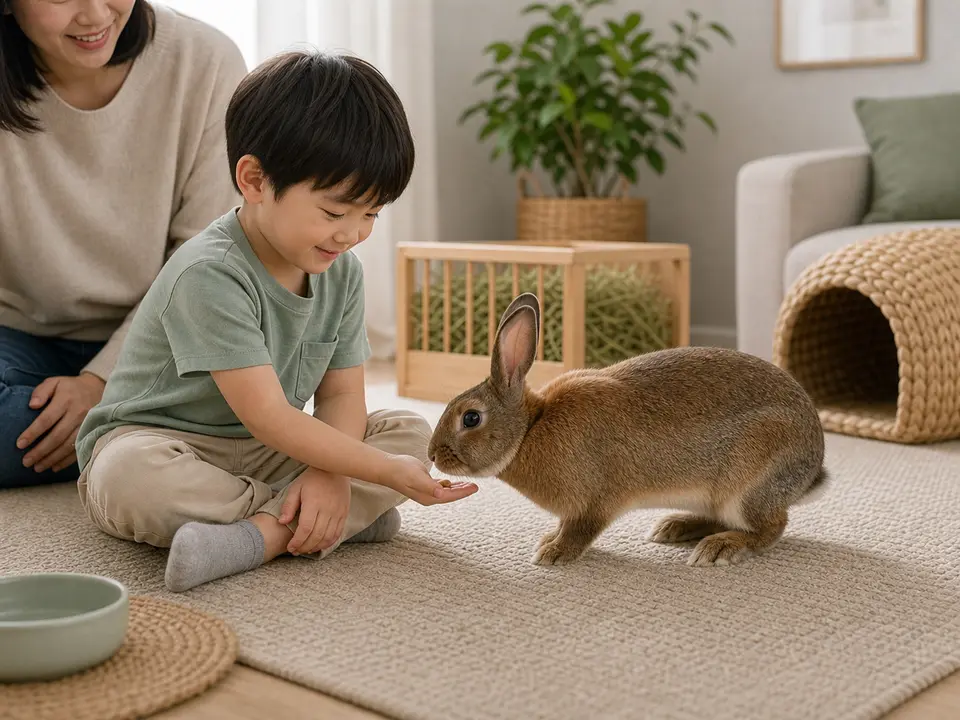
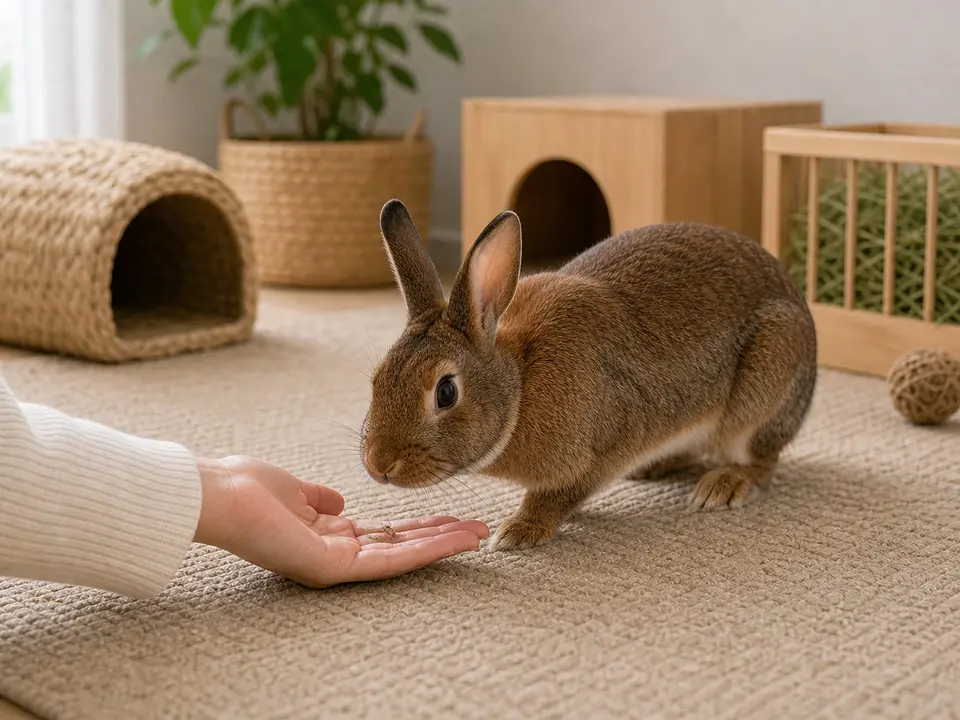
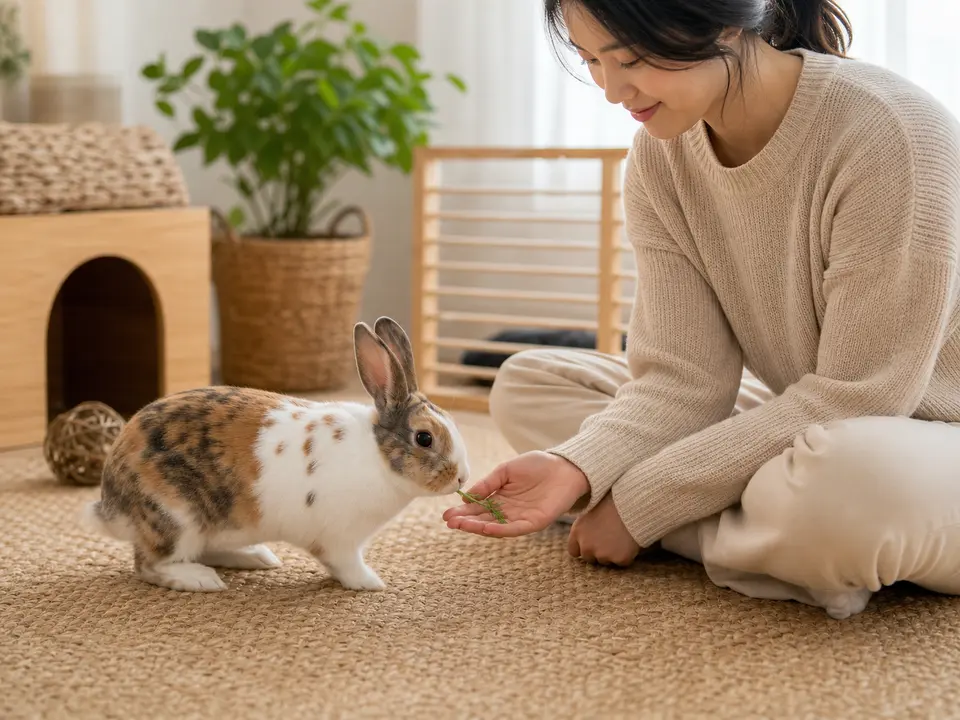
Most rabbits feel safer when children sit on the floor and let the rabbit approach. That gives the rabbit control over distance and keeps excited hands from grabbing. A good first lesson is simple: quiet body, open space, gentle petting only if the rabbit stays interested.
Teach hands before handling
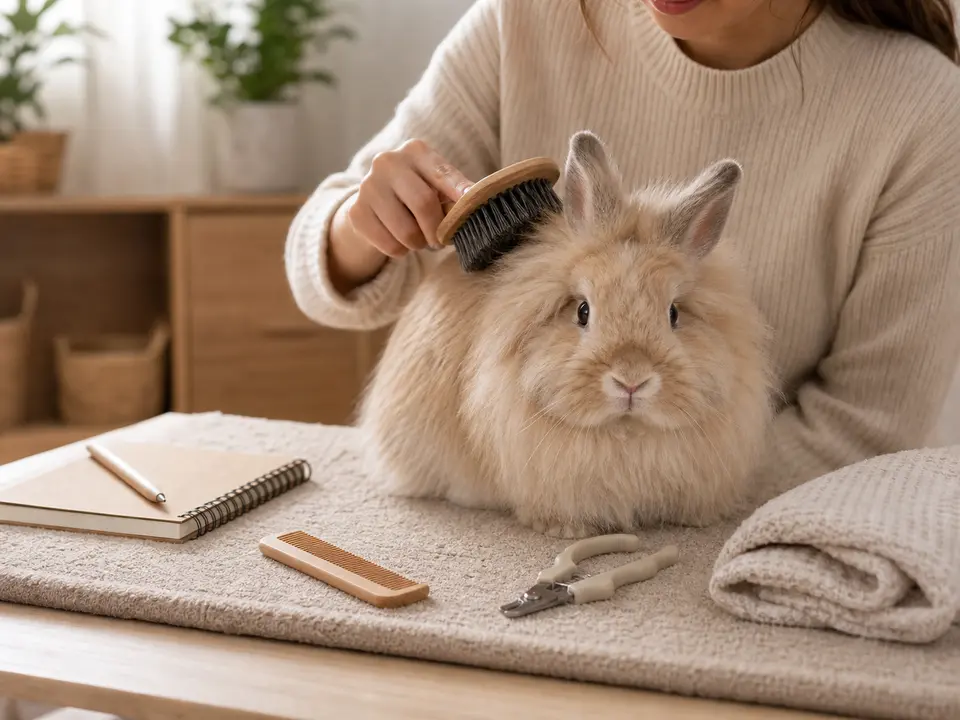
Rabbits have powerful back legs and fragile bodies, so casual picking up is not a harmless game. Kids should learn where to pet, when to stop, and how to notice a rabbit turning away, freezing, thumping, or trying to leave. Adults should handle lifting, nail trims, and stressful care unless a rabbit-savvy professional has taught the family.
Give the rabbit a real retreat
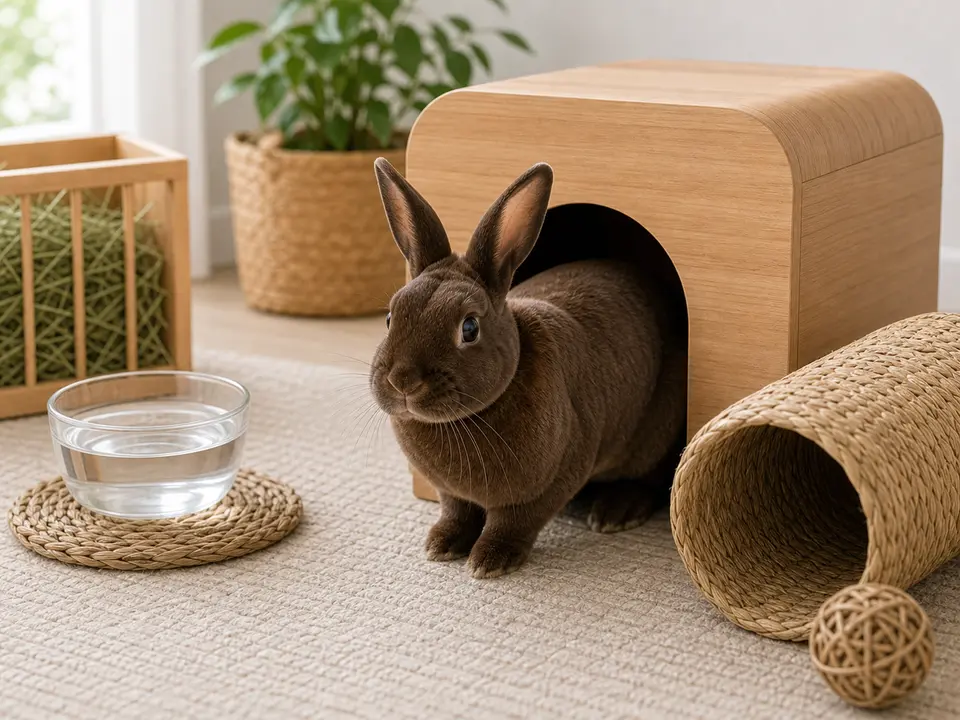
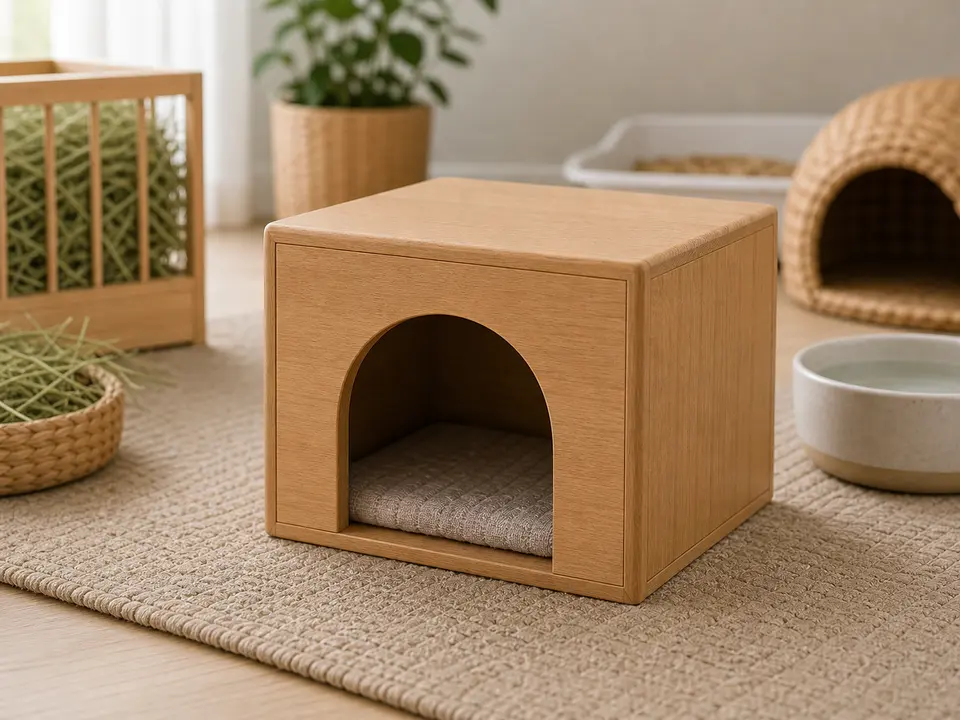
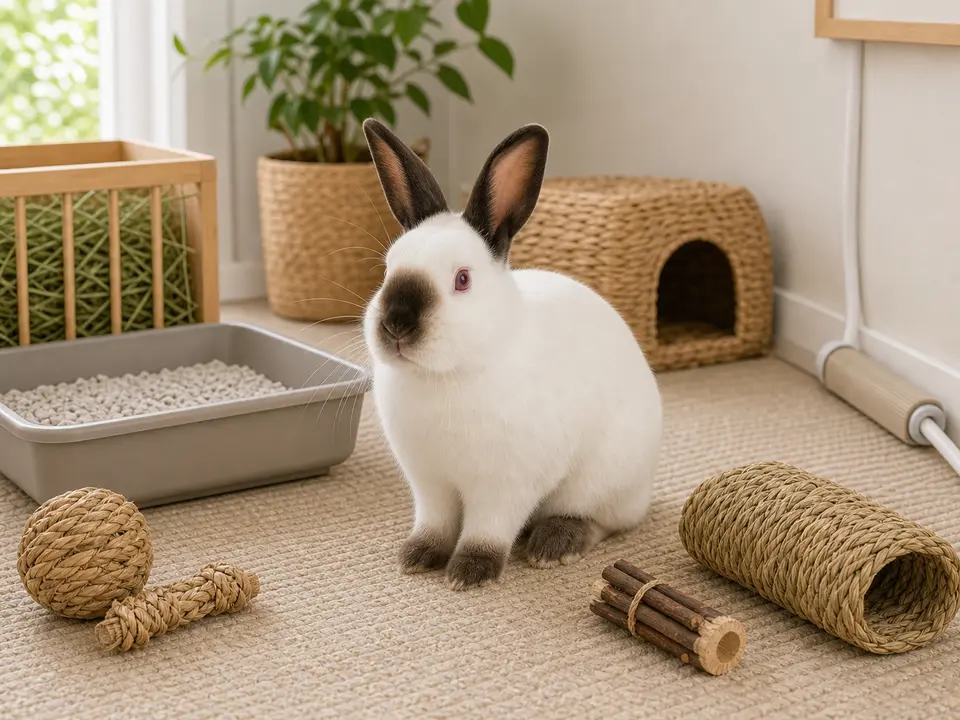
A hideout is not a decoration. It is the rabbit's place to say, 'I need a break.' Kids should know that no one reaches into the hideout, blocks the exit, or drags the rabbit back out for attention. That one rule prevents a lot of stress and makes trust easier to build.
Keep the chores adult-led
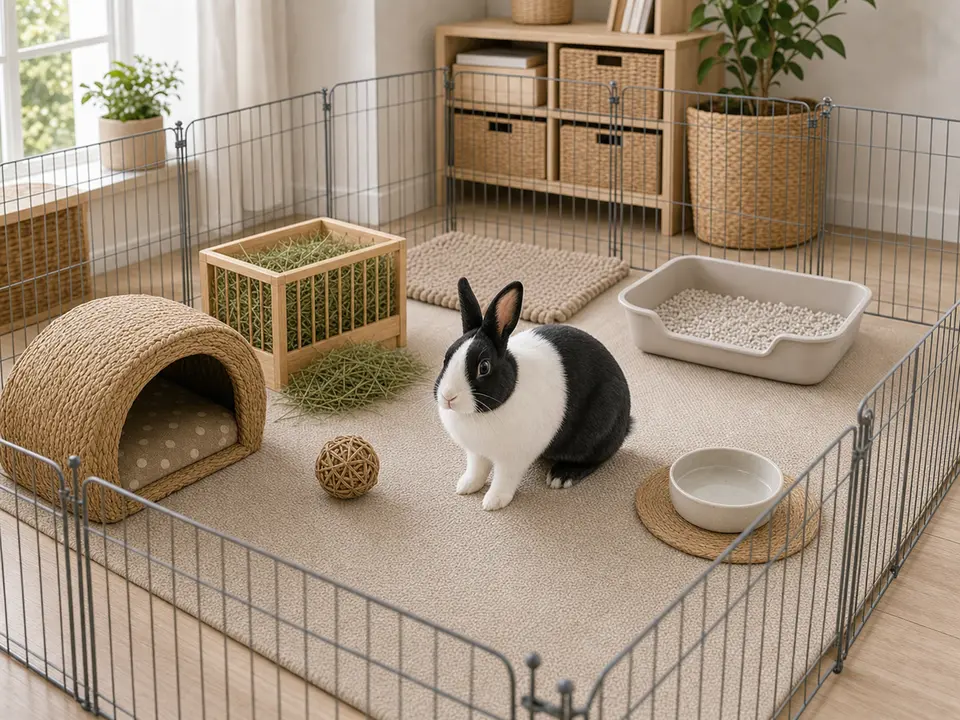
Children can help refill hay, carry a dustpan, place toys, or check the water bowl, but adults need to verify the routine every day. Rabbits depend on steady hay, clean litter, fresh water, safe flooring, and quick attention when appetite or poop changes. A rabbit should not suffer because a child forgot a chore.
Match expectations to the rabbit
Some rabbits enjoy gentle family life and come over for petting. Others are shy, sensitive to noise, or happiest observing from a safe corner. That does not mean the rabbit is bad with kids. It means the family has to love the rabbit as they are, not as a stuffed-animal version of a pet.
Pause if stress shows up
If a rabbit starts hiding constantly, lunging, nipping, thumping, refusing food, or missing the litter box after kid interaction, slow the routine down. Add more supervision, shorten visits, protect the retreat, and ask a rabbit-savvy rescue, trainer, or vet for help if the pattern feels unsafe or health-related.
Before you decide
Can children sit calmly on the floor instead of chasing or grabbing?
Does the rabbit have a retreat that kids are not allowed to invade?
Are adults responsible for feeding, litter, grooming, and vet care?
Can the family accept a rabbit who may not enjoy being picked up?
Next best moves
Choose rabbits for kids only when adults want the rabbit too.
Teach floor-level interaction before any handling.
Supervise every young-child interaction and protect the rabbit's exit.
Treat hiding, nipping, appetite changes, or litter changes as information, not misbehavior.
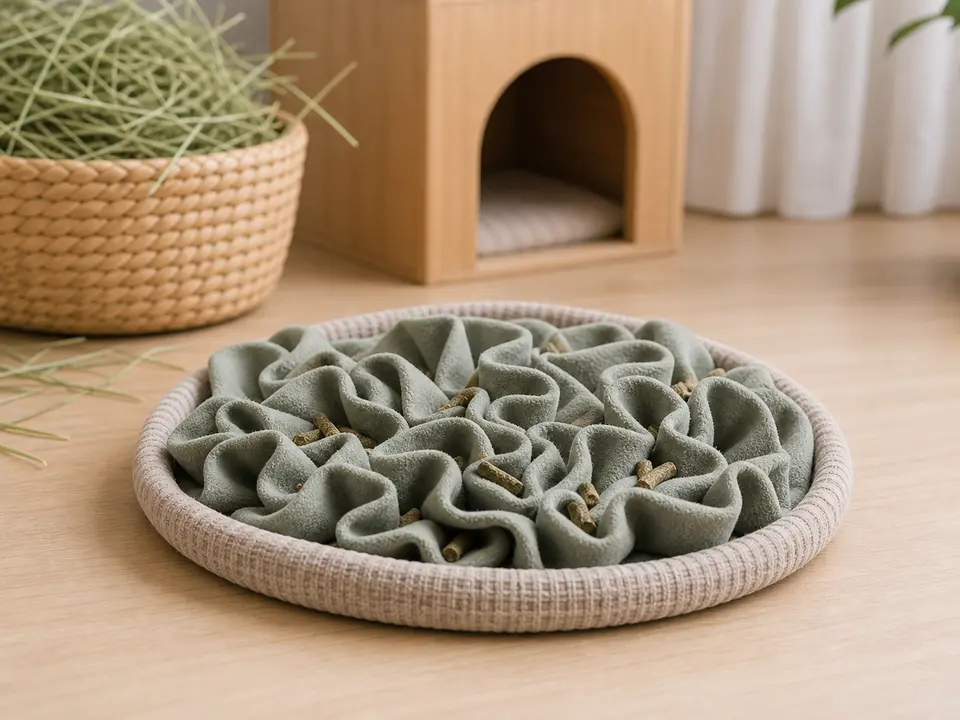
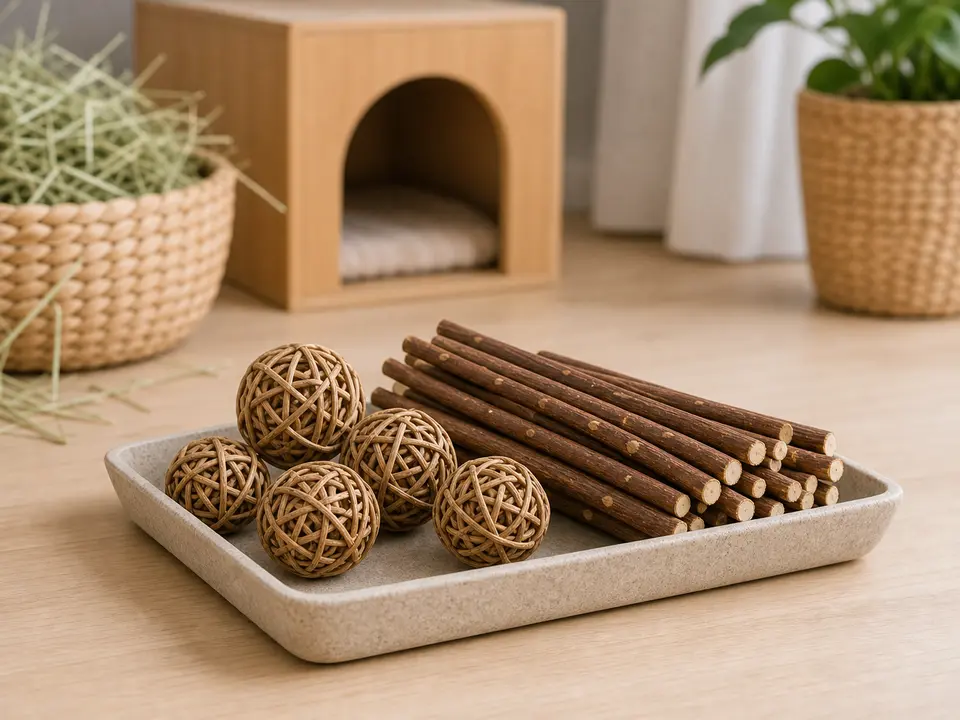
Quiet tools for trust-building
The best tools add choice, retreat space, and calm repetition instead of forcing contact.
Affiliate links: Furball Cove may earn from qualifying purchases at no extra cost to you.
Some rabbits enjoy petting, but many dislike being picked up. Rabbits are usually better for kids who can enjoy quiet floor time than kids who want a pet to carry around.
What age is best for a child to have a rabbit?
It depends more on supervision and maturity than a number. Adults should still be the primary caregivers, even when an older child helps a lot.
Can rabbits bite kids?
Any rabbit can nip or bite if frightened, trapped, hurt, or handled roughly. Calm supervision and respect for the rabbit's space reduce that risk.