Rabbits can be good family pets when adults own the daily care and kids are calm enough for supervised, floor-level interaction. They are usually a poor fit for children who want to carry, chase, squeeze, or roughhouse with a pet.
The real question is less whether the child loves rabbits and more whether the household can protect a fragile, floor-level pet with calm routines, adult supervision, and a quiet place to retreat.
Good with kids means calm adults first
A rabbit can do well in a family when adults treat the rabbit as their responsibility and kids are taught to be gentle observers, not tiny handlers in charge. Food, litter, grooming checks, room safety, and vet decisions still belong to the adults.
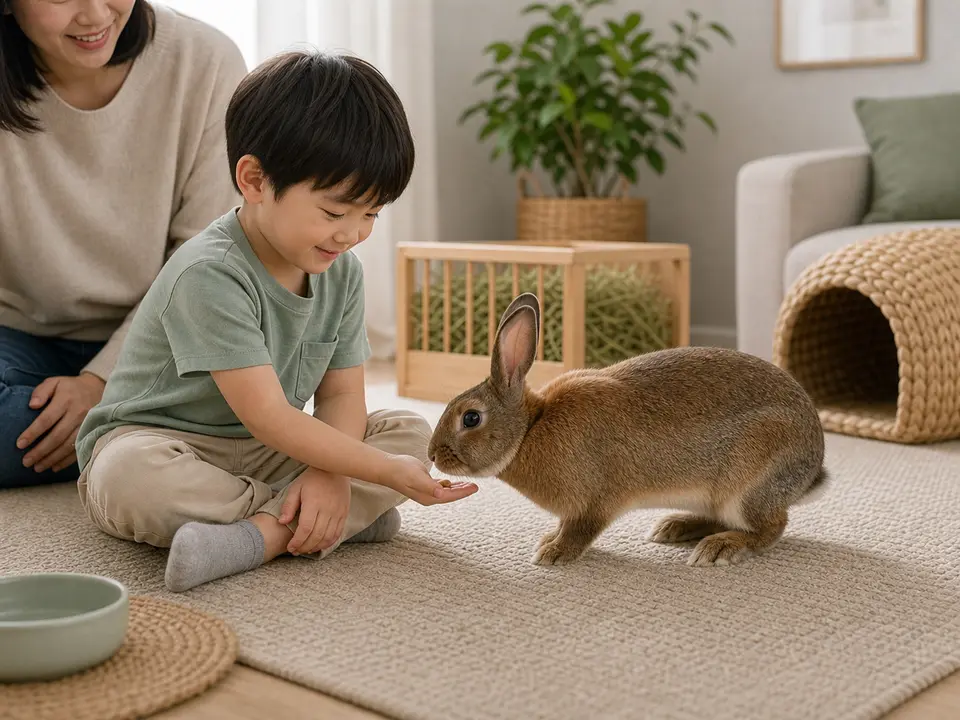
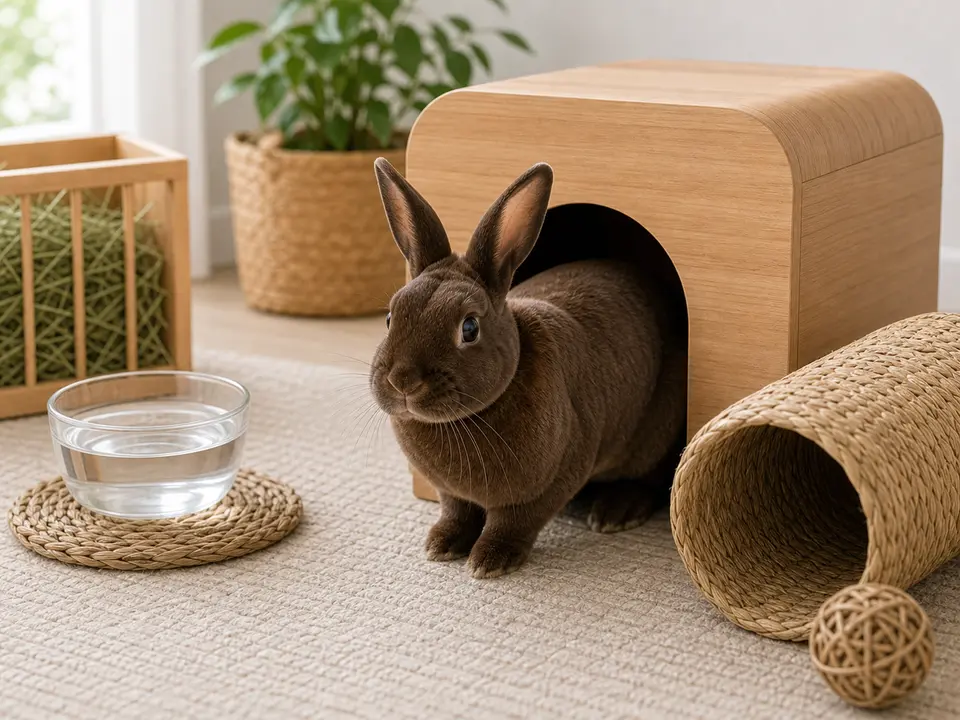
The best family setup feels calm and predictable: the rabbit has a hideout, the child knows when to stop, and everyone understands that trust is built on the floor.
Why picking up is the hard part
Many rabbits dislike being lifted. Their bodies are fragile, their back legs are powerful, and a frightened kick or twist can hurt them. Kids who want a pet to carry around may be disappointed, and the rabbit may become frightened of hands.
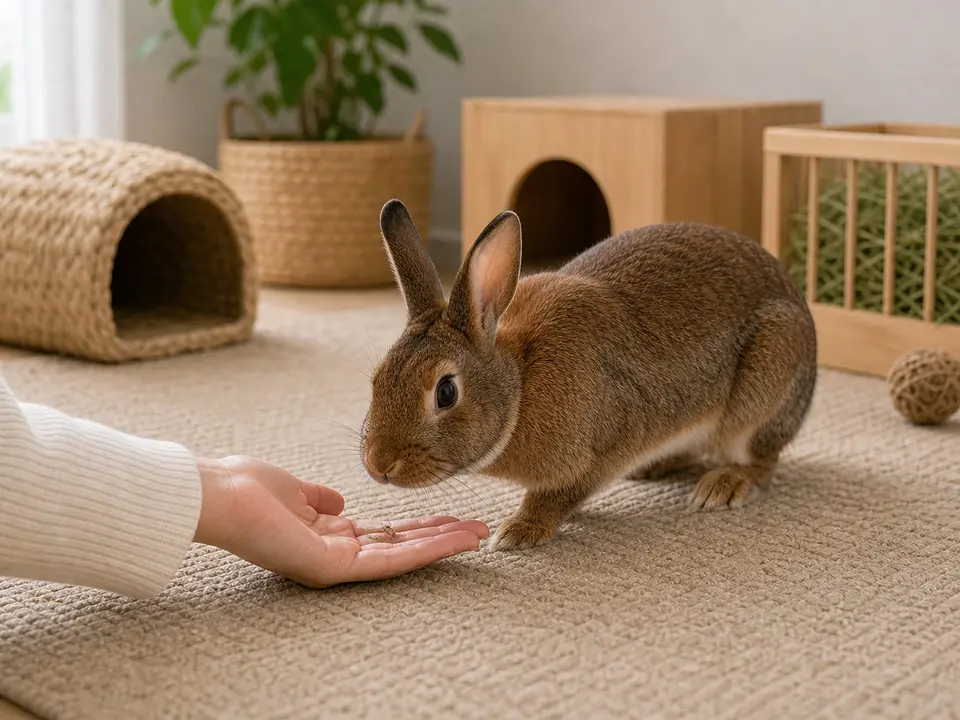
Teach children to sit on the floor, offer a small treat, stroke only when the rabbit stays relaxed, and let the rabbit leave. That is much kinder than forcing cuddles.
Jobs kids can actually do
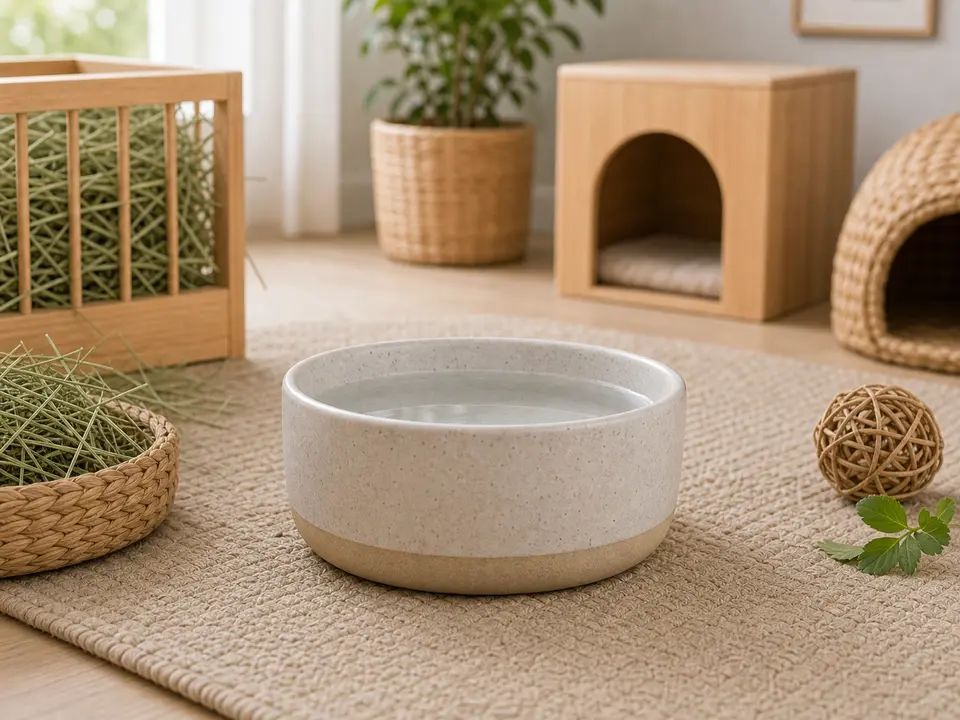
Children can help in sweet, useful ways when an adult is nearby: placing hay in the feeder, rinsing a water bowl, choosing a safe chew, reading quietly beside the pen, or helping spot whether the rabbit ate breakfast.
Those jobs teach respect because they are about care, not control. The rabbit learns that the child brings calm routines instead of surprise grabbing.
When rabbits are a poor match for children
Rabbits are usually a poor fit for homes where kids are too young to follow gentle rules, where rough play is normal, or where adults expect the child to handle most of the care. A rabbit should not have to tolerate chasing, squeezing, loud teasing, or being pulled from a hideout.
If the child wants a pet who enjoys constant handling, a rabbit may not meet that expectation. Choosing another pet can be kinder than forcing the rabbit to become something they are not.
How to make it work
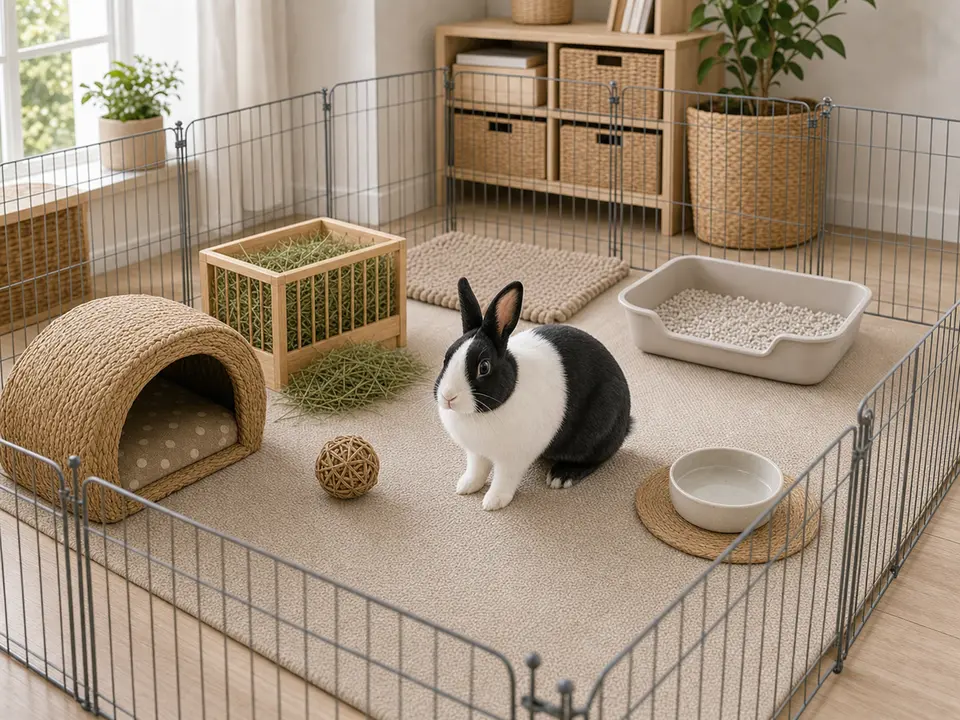
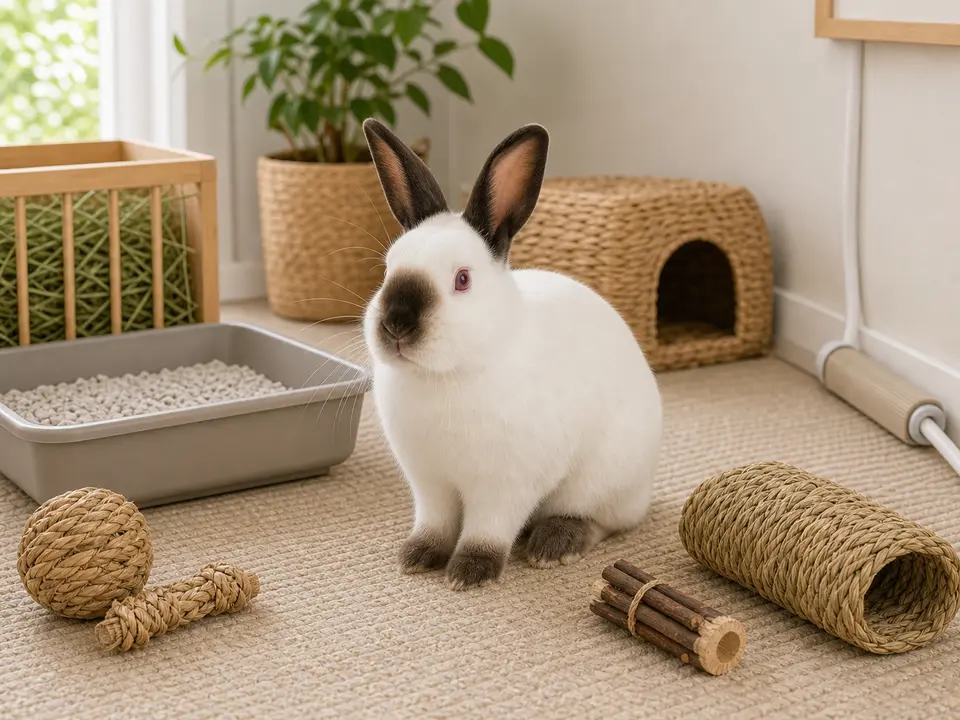
Set a few simple house rules: pet on the floor, never chase, never pick up without an adult, leave the hideout alone, and stop when the rabbit moves away. Put those rules into the room design with a safe retreat, grippy flooring, and a pen or gate that protects downtime.
Supervision matters even with a loving child. A calm adult can notice when the rabbit is done before the moment turns into fear.
Watch the rabbit in front of you
Some rabbits are confident around careful children, and some need a quieter home. Age, history, handling comfort, noise sensitivity, and the child's impulse control all matter more than a simple yes or no label.
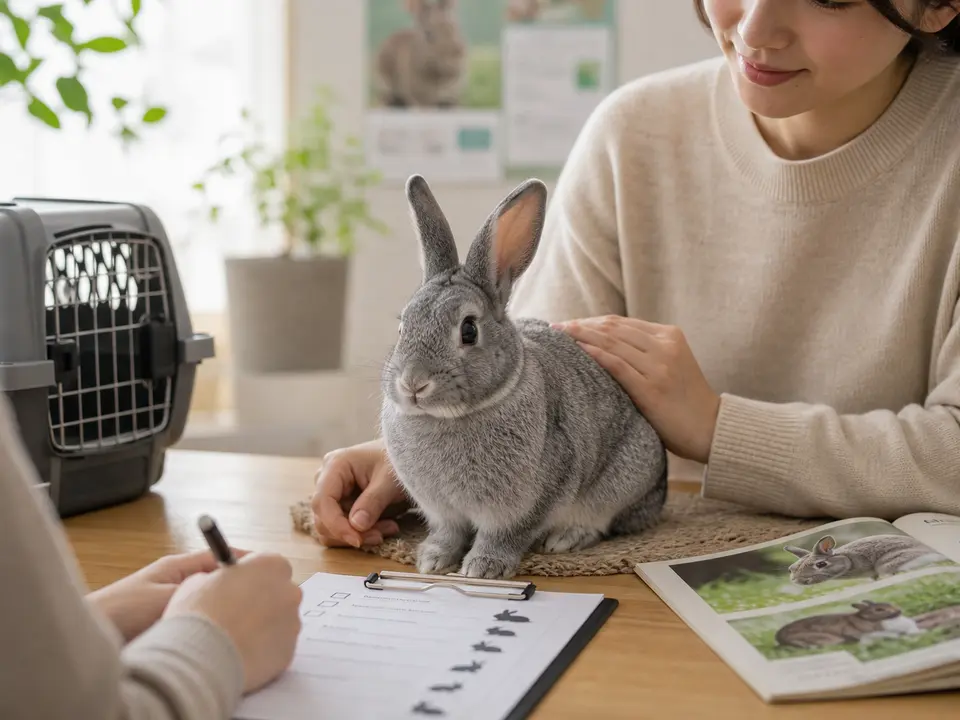
If you are adopting, ask the rescue how that individual rabbit handles noise, floor time, gentle petting, and busy rooms. That answer is more useful than assuming all rabbits are the same with kids.
Before you decide
Will adults own the daily care instead of expecting the child to manage it?
Can the child sit calmly on the floor and let the rabbit leave?
Is everyone clear that rabbits should not be carried for fun?
Does the rabbit have a quiet retreat children will leave alone?
Next best moves
Teach floor-level petting before any handling request.
Give the rabbit a hideout and downtime that children do not interrupt.
Supervise every early interaction and stop while the rabbit is still relaxed.
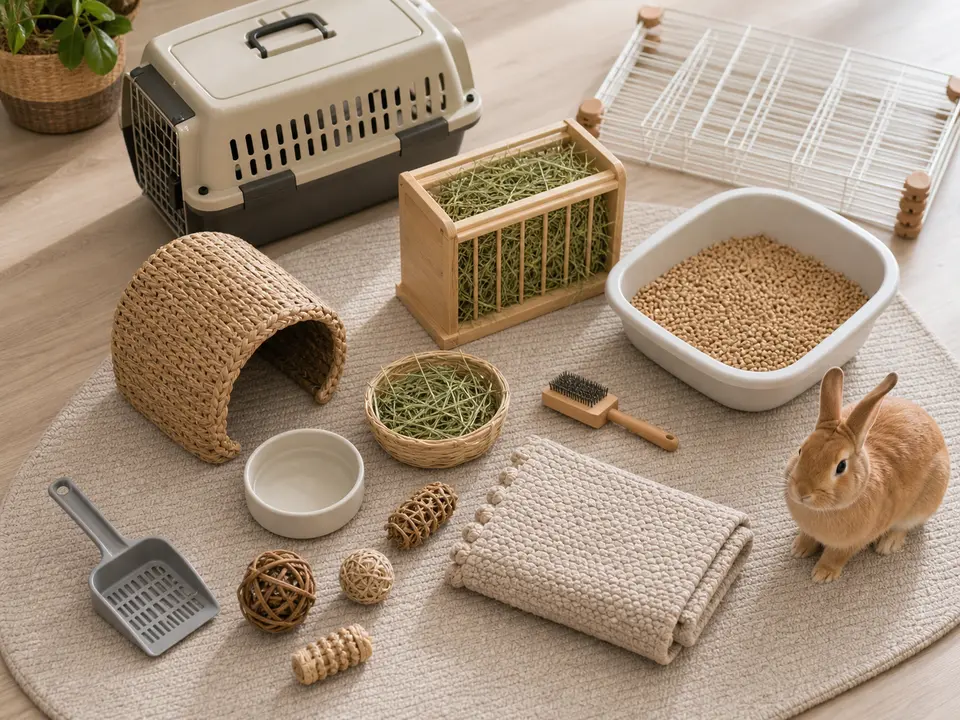
First setup pieces that earn their space
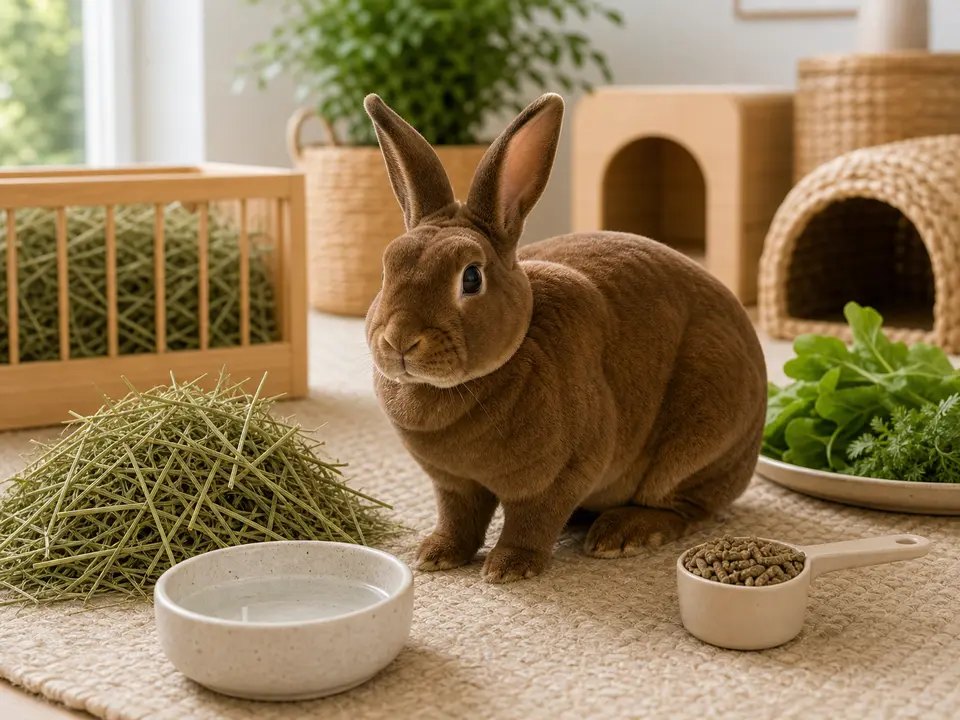
Start with the pieces that make the first room calm before buying cute extras.
Affiliate links: Furball Cove may earn from qualifying purchases at no extra cost to you.
Rabbits can be good family pets when adults own the daily care and kids are calm enough for supervised, floor-level interaction. They are usually a poor fit for children who want to carry, chase, squeeze, or roughhouse with a pet.
Can kids pick up a rabbit?
Only with adult help when it is truly needed for care. Most everyday affection should happen on the floor because many rabbits feel unsafe when lifted.
What age child is best for a rabbit?
Maturity matters more than age. A child who can sit calmly, follow rules, and stop when the rabbit moves away is a better match than a child who wants to carry or chase the pet.