

Updated
Rabbit breed guide
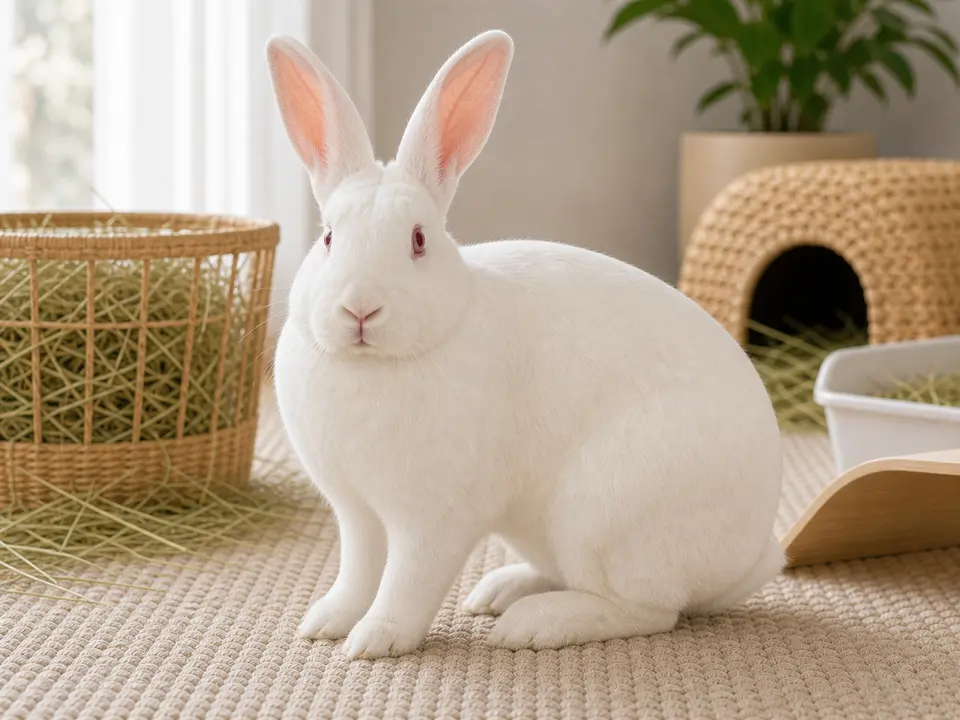
New Zealand
Use the New Zealand breed name as a starting point, then look at the rabbit in front of you: hay habits, housing, litter, chewing, grooming, handling, and confidence.
Energy
Plan daily floor time and safe space to hop, stretch, chew, and investigate.
⚡⚡⚡○○
Grooming
Regular brushing during shedding and nail checks
🧼🧼🧼○○
Handling sensitivity
Trust grows through floor-level contact
🤲🤲🤲○○
Space flexibility
Needs a real indoor routine with room to hop, hide, eat, and rest
🏠🏠🏠○○
Chew-proofing
Plan cord protection, safe chew textures, and rooms that can handle curiosity
🪵🪵🪵○○
Litter setup
A generous box with hay nearby keeps the daily routine easier to repeat
🧹🧹🧹○○
Family fit
Best when everyone respects rabbit body language
🏡🏡🏡○○
Kid/noise fit
Best when the household respects rabbit body language and quiet breaks
🧸🧸🧸○○
First-time fit
Good for owners who plan the room before the rabbit arrives
🌱🌱🌱○○
Bonded-pair planning
Bonded-pair planning depends on the individual rabbits, space, and careful introductions
💞💞💞○○
Great fit for
- People who can build a roomy indoor setup around hay, litter, hiding, and chewing before bringing home a New Zealand.
- Homes that treat regular brushing during shedding and nail checks as a real routine instead of a once-in-a-while chore.
- Owners who are comfortable building trust from the floor and letting the individual rabbit set the pace.
Think twice if
- A tiny cage plan, slick floors, loose cords, or a room where chewing will constantly get the rabbit in trouble.
- Choosing a New Zealand only for appearance without planning roomy indoor setup with hay, litter, hiding, and chewing outlets.
- Expecting cuddliness from a breed label alone. Individual rabbits vary, and many prefer affection on their own terms.
Daily life
A New Zealand page should still begin with real rabbit care: floor time, safe chewing, a litter box that makes sense, and enough space for the rabbit in front of you. The best comparison is the routine you can repeat: hay refreshed, water checked, litter cleaned, and a rabbit-safe space that still feels calm after the novelty wears off.
Housing
For housing, give a New Zealand traction first, then add hideouts, hay placement, and supervised room time. A roomy indoor setup with traction, hideouts, hay, and litter access matters more than a pretty cage. Before choosing the breed, picture the exact room: where the litter box goes, which cords need protection, where the hideout sits, and how the rabbit will move when people are busy.
Grooming
Do not wait for a full grooming day with a New Zealand. Short checks for shedding, nails, ears, eyes, and the underside are kinder and easier to repeat. Coat length varies by breed and individual, but every rabbit needs patient checks during shedding season. If grooming sounds like a battle, choose a lower-care coat or plan trust-building first; rushed brushing can make the next session harder.
Handling
Expect the individual New Zealand to set the pace. Some rabbits enjoy touch quickly, while others need days or weeks of quiet routines before hands feel safe. Teach everyone in the home that a rabbit can be affectionate without wanting to be scooped up, chased, or cuddled on demand.
Food and hay
Feed a New Zealand with routine rather than guesswork: refresh hay, measure rich foods, introduce greens one at a time, and notice changes in appetite or poop. Treat the litter box and hay pile as part of the same daily check, because changes in eating and poop are often the first clues that the routine needs attention.
Health notes
Health awareness for a New Zealand is mostly observation: appetite, poop, teeth, eyes, feet, heat comfort, and movement. Sudden eating or pooping changes deserve a rabbit-savvy veterinarian. Keep a small normal-for-this-rabbit baseline in your head: appetite, poop size, favorite resting spots, grooming comfort, and how quickly they come forward for food.
New Zealand FAQ
Is the New Zealand a good pet rabbit?
A New Zealand can be a lovely pet in a well-planned home, but breed does not guarantee personality. Meet the individual rabbit and plan around space, hay, litter, chewing, grooming, and gentle handling.
Does a New Zealand need special care?
Every New Zealand still needs rabbit-specific care. Coat, body size, age, confidence, and past handling decide how much grooming, flooring support, and trust-building matter.
Related rabbits
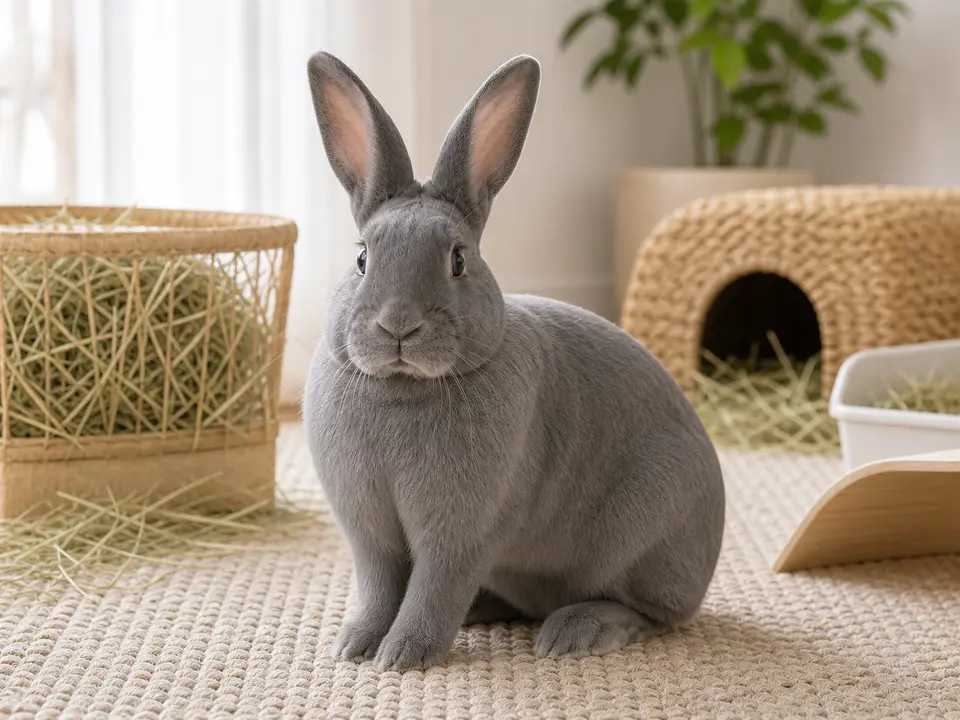
American
Compare American with New Zealand if you are sorting out coat care, body size, and the daily setup each rabbit may need.
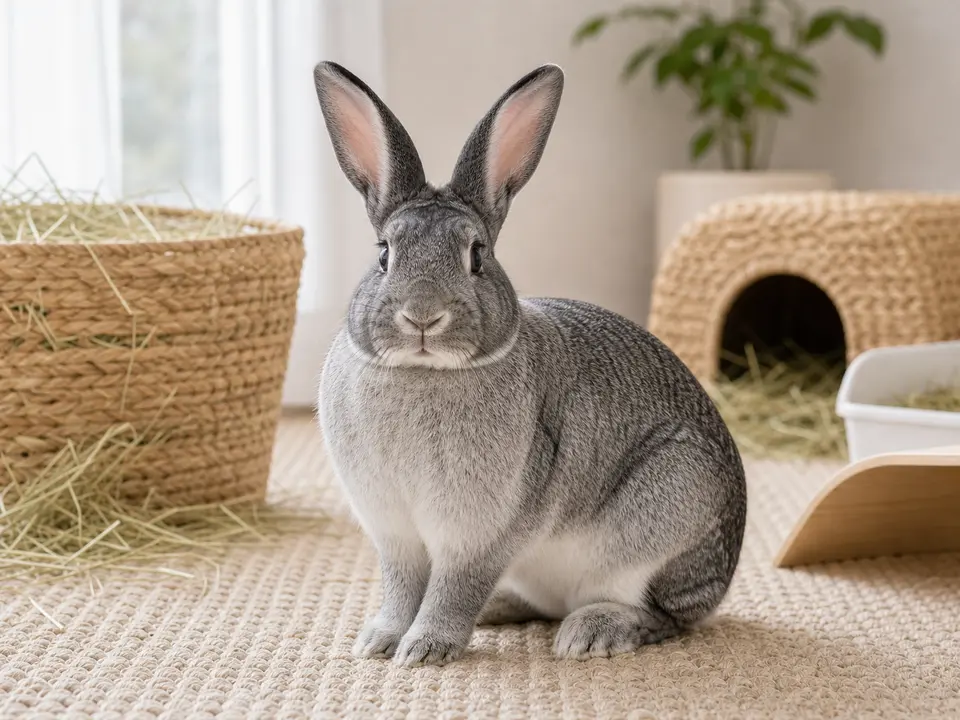
American Chinchilla
Compare American Chinchilla with New Zealand if you are sorting out coat care, body size, and the daily setup each rabbit may need.
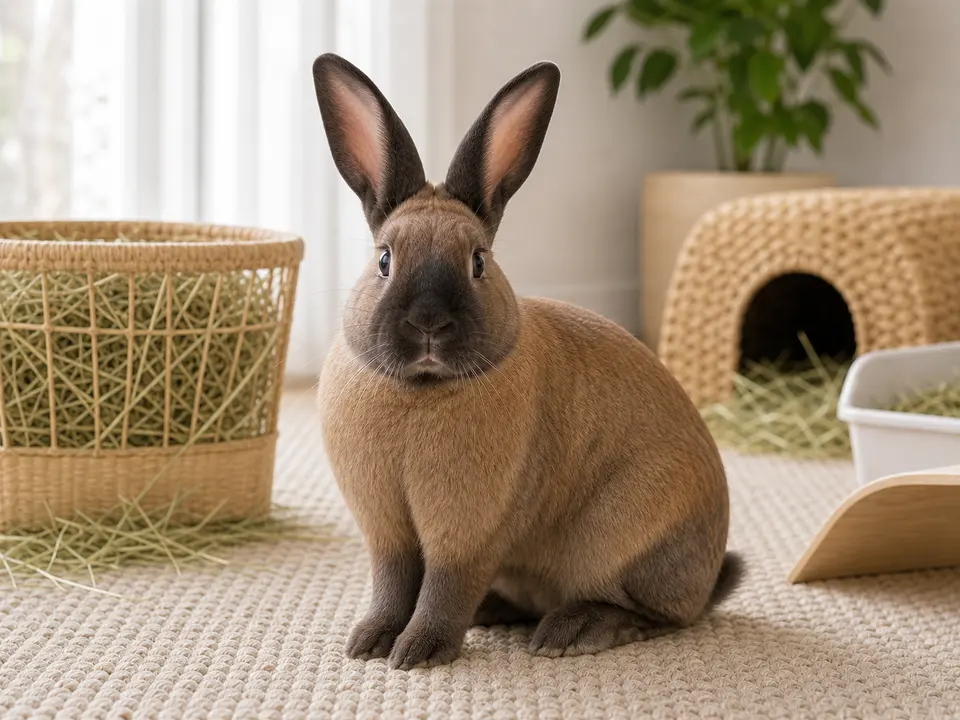
American Sable
Compare American Sable with New Zealand if you are sorting out coat care, body size, and the daily setup each rabbit may need.
Argente Brun
Compare Argente Brun with New Zealand if you are sorting out coat care, body size, and the daily setup each rabbit may need.