

Updated
Suspected-toxin check
What If My Reptile Ate Rhubarb Leaves?
Do not intentionally feed
Do not intentionally feed rhubarb leaves. Direct reptile-specific toxic-dose evidence is limited, while veterinary toxicology identifies rhubarb as a soluble-oxalate plant. If more than a small taste may have been eaten or the reptile shows abnormal behaviour, contact a reptile veterinarian or animal poison service promptly.
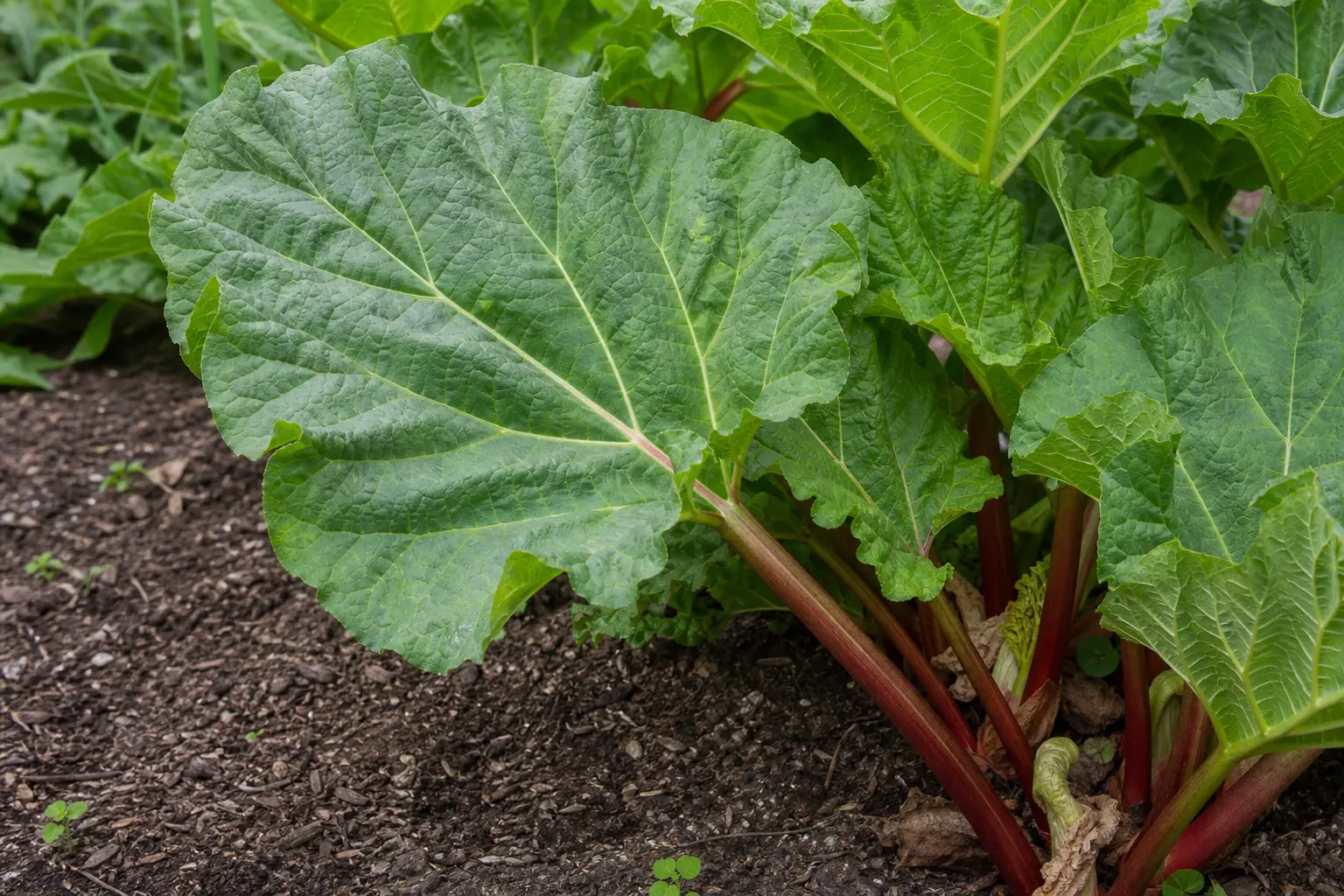 Keep away · do not offerRhubarb leaves
Use proportionate case advice
A suspected taste needs identification and case-specific advice when the details are uncertain; abnormal signs or more than a small taste warrant prompt veterinary or poison-service contact.
Access but no confirmed bite
Remove the plant and inspect the area. Do not assume an exposure occurred; keep a clear photo and watch the animal's ordinary behaviour.
A small taste may have occurred
Keep the plant or a clear photo and ask a reptile veterinarian or animal poison service for case-specific advice when the species, amount, or plant identity is uncertain. General animal toxicology does not establish a reptile-safe dose.
More than a small taste or abnormal signs
Seek prompt professional advice. Weakness, tremors, loss of coordination, repeated regurgitation, collapse, or marked behaviour change should not be managed with an improvised home treatment.
What the evidence does and does not say
MSD describes soluble-oxalate risk in companion animals and names rhubarb, but it does not establish one toxic dose or identical signs for every reptile species. This page therefore uses a precautionary boundary rather than claiming proven universal reptile toxicity.
Do now
- Remove access without handling the reptile unnecessarily.
- Keep the plant, packaging, or clear photos for identification.
- Record the likely time and amount before calling for advice.
Do not
- Offer rhubarb leaves intentionally.
- Induce vomiting or give a home remedy.
- Wait for severe signs when a meaningful exposure is known.
Watch
- Unusual weakness, tremors, loss of coordination, repeated regurgitation, collapse, or marked behaviour change.