


Exact-species guide
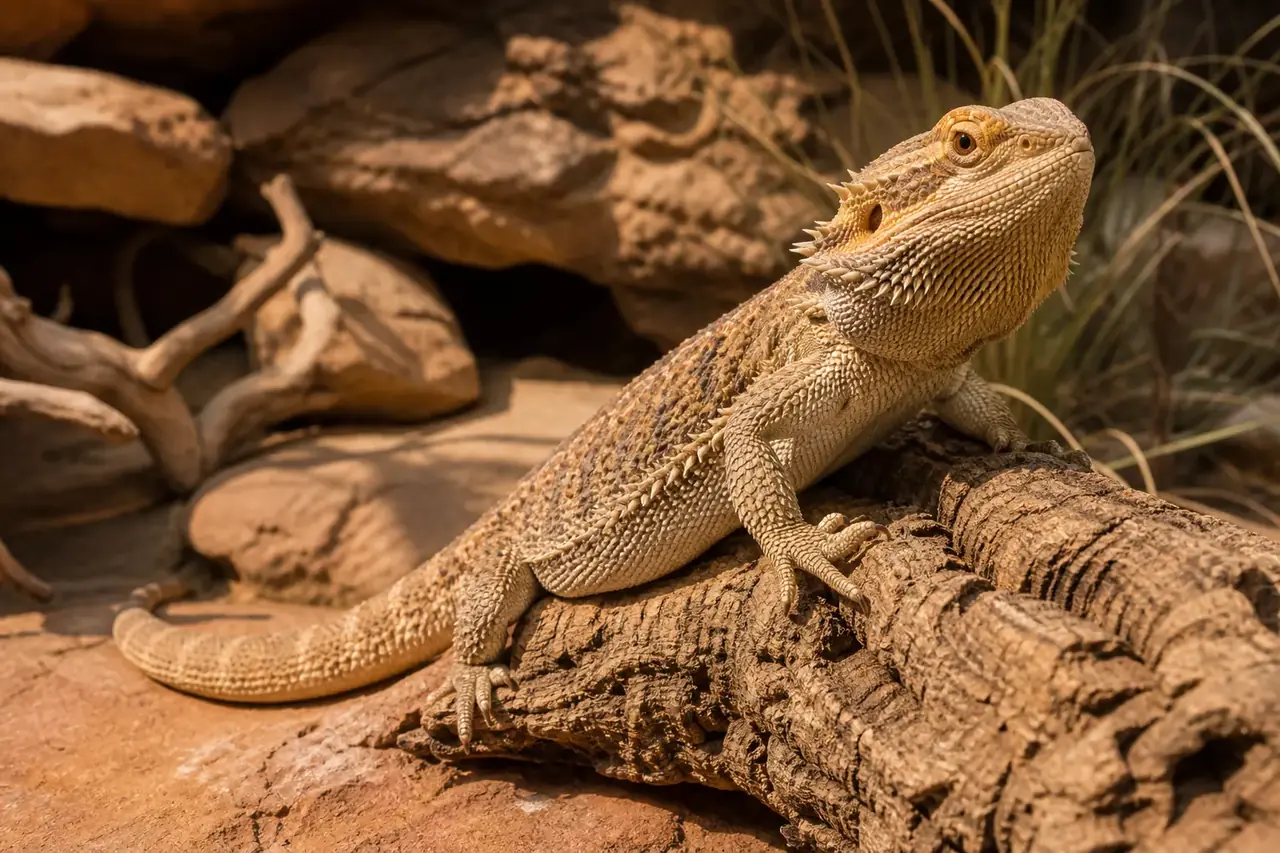
Bearded dragons
Pogona vitticeps
A visible daytime lizard. Start by checking whether the adult home, bright lighting, and mixed feeding week fit.
Reptile Guides
Search by name, then compare the full-grown home and ordinary care week before you decide.
Start here
Six commonly explored lizard guides.
Exact-species guide
Pogona vitticeps
A visible daytime lizard. Start by checking whether the adult home, bright lighting, and mixed feeding week fit.

Exact-species guide
Eublepharis macularius
A ground-oriented evening gecko. Compare usable floor space, live insects, secure hides, and observation-focused care.
Exact-species guide
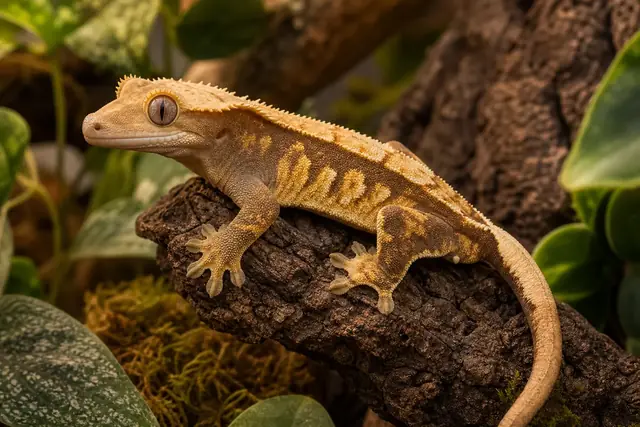
Correlophus ciliatus
An arboreal gecko active around dusk. Plan for secure height, connected climbing routes, and an exact-species food routine.
Exact-species guide
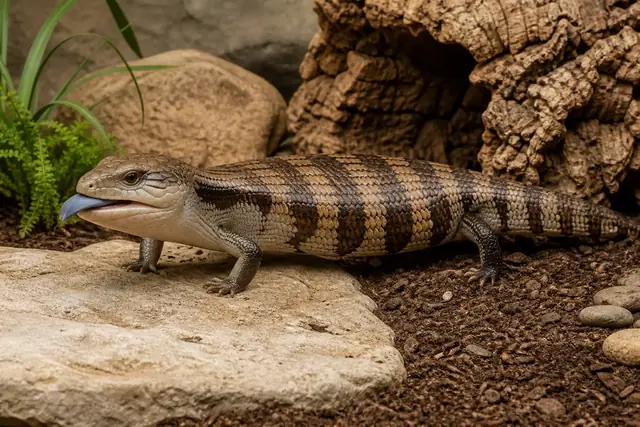
Tiliqua scincoides
A sturdy floor-oriented skink. Consider adult floor space, digging opportunities, and the exact species' varied diet.

Exact-species guide
Hemitheconyx caudicinctus
A quieter ground gecko. Expect live insects, carefully managed retreats, and mostly evening visibility.

Exact-species guide
Rhacodactylus auriculatus
An arboreal New Caledonian gecko. Plan for secure vertical space and a mostly dusk-and-evening rhythm.
Before choosing
The exact profile matters. These four questions simply help you notice which commitment deserves a closer look.
Can the household support the full-grown animal's usable floor area or climbing height?
Can you source and prepare the exact diet on an ordinary busy week?
Will the animal be active when you are home, and are you content to observe?
Would the animal still fit if handling is brief, limited, or unwanted?
Choose your next step
Compare the adult home and routine, or start with the match quiz if you do not have a name in mind.