

Choosing a Kenyan sand boa

Is a Kenyan sand boa a good beginner reptile?

They can be—when a keeper finds a hidden burrowing snake rewarding and can resist overfeeding or digging it up for attention.

Decide whether deep anchored substrate, frozen-thawed prey, quiet observation, and a 15–20-year commitment fit your home.

Check the honest fit
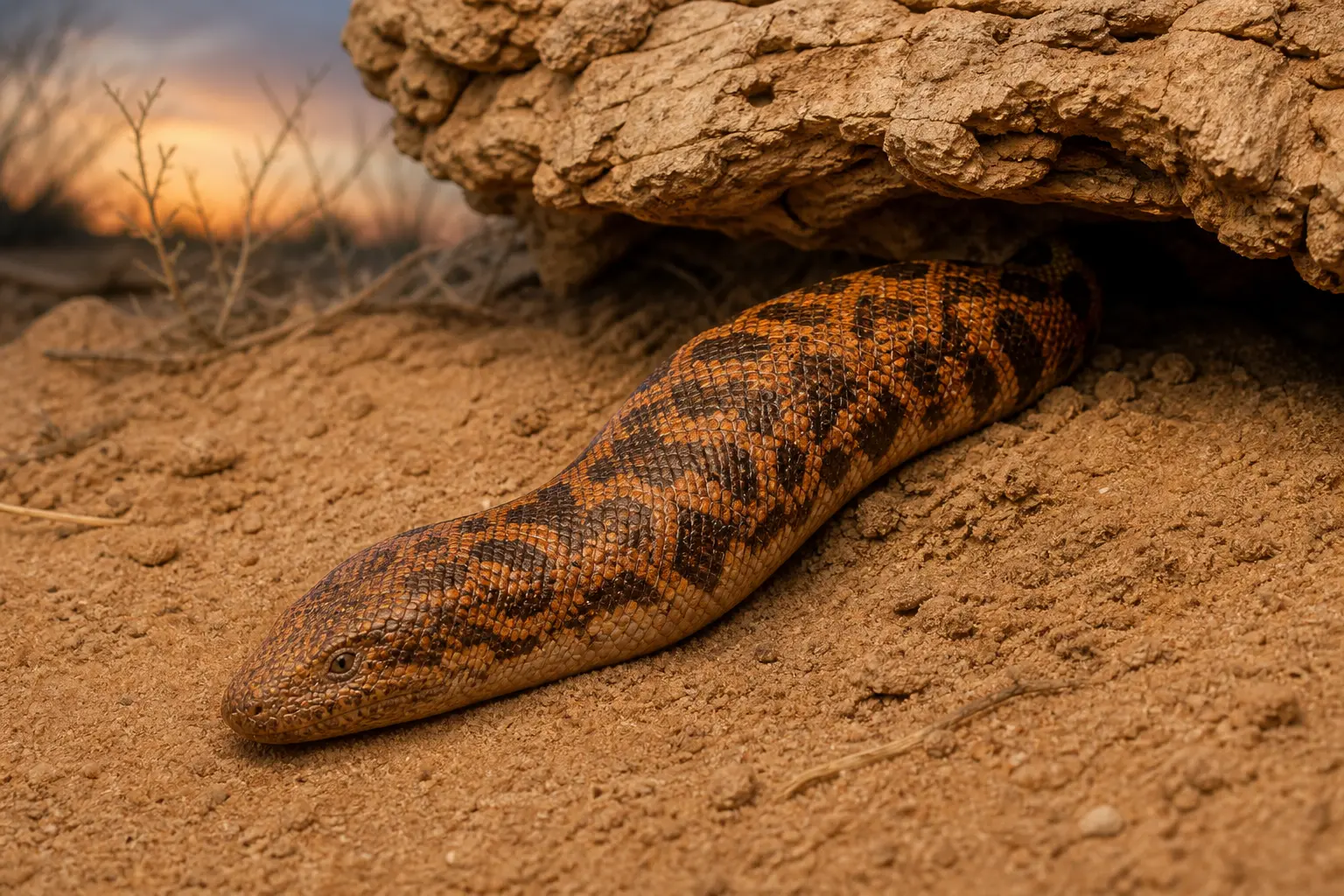
Alert adult female Kenyan sand boa emerging from deep sandy soil with her short stout orange-and-brown patterned body, tiny wedge-shaped head, and smooth scales in view.

The short answer

Good first snake for a patient observation-first keeper

A Kenyan sand boa can be a rewarding first reptile when its secure 91 × 46 × 46 cm adult habitat is built before adoption. Deep tunnel-holding substrate, anchored furnishings, measured 35°C basking heat, a cool humid refuge, low-intensity UVB, modest frozen-thawed meals, and reptile-veterinary planning must remain dependable for 15–20 years.

Adult size
About 45–90 cm (18–36 in); females are larger
Adult home
About 91 × 46 × 46 cm (36 × 18 × 18 in)
Commitment
Usually 15–20 years
Daily rhythm
Dusk-and-night burrower; often hidden
Food
Modest appropriately sized frozen-thawed whole prey
Handling
Brief, supported, and never excavated for entertainment

The honest fit

Would the adult routine work in your home?

This may suit you if…

  • You love the idea of a small, sturdy snake whose most important natural behavior is burrowing.
  • A secure adult enclosure with at least 8–10 cm of tunnel-holding substrate fits your home.
  • Storing, thawing, and offering whole prey with long tongs is acceptable in your household.
  • You are content to follow tunnels, sheds, waste, weight, and occasional dusk appearances rather than seeing the snake all day.
Pause if…

  • You want a snake that stays visible or can be uncovered whenever you want interaction.
  • You cannot anchor rocks, branches, and hides before the snake burrows beneath them.
  • Feeding frozen-thawed whole prey would be upsetting or impractical.
  • You may feed whenever the naturally stout snake appears interested rather than following weight and body condition.
01

Why they can work for a first-time keeper

Kenyan sand boas are compact, strong burrowers with a quiet routine: check locks, climate, water, and tunnels; feed only when due; and watch for a tiny face surfacing around dusk.

Many tolerate brief supported handling, but their hidden life is not a problem to correct. Repeated excavation removes control and can turn a calm animal into a defensive one.

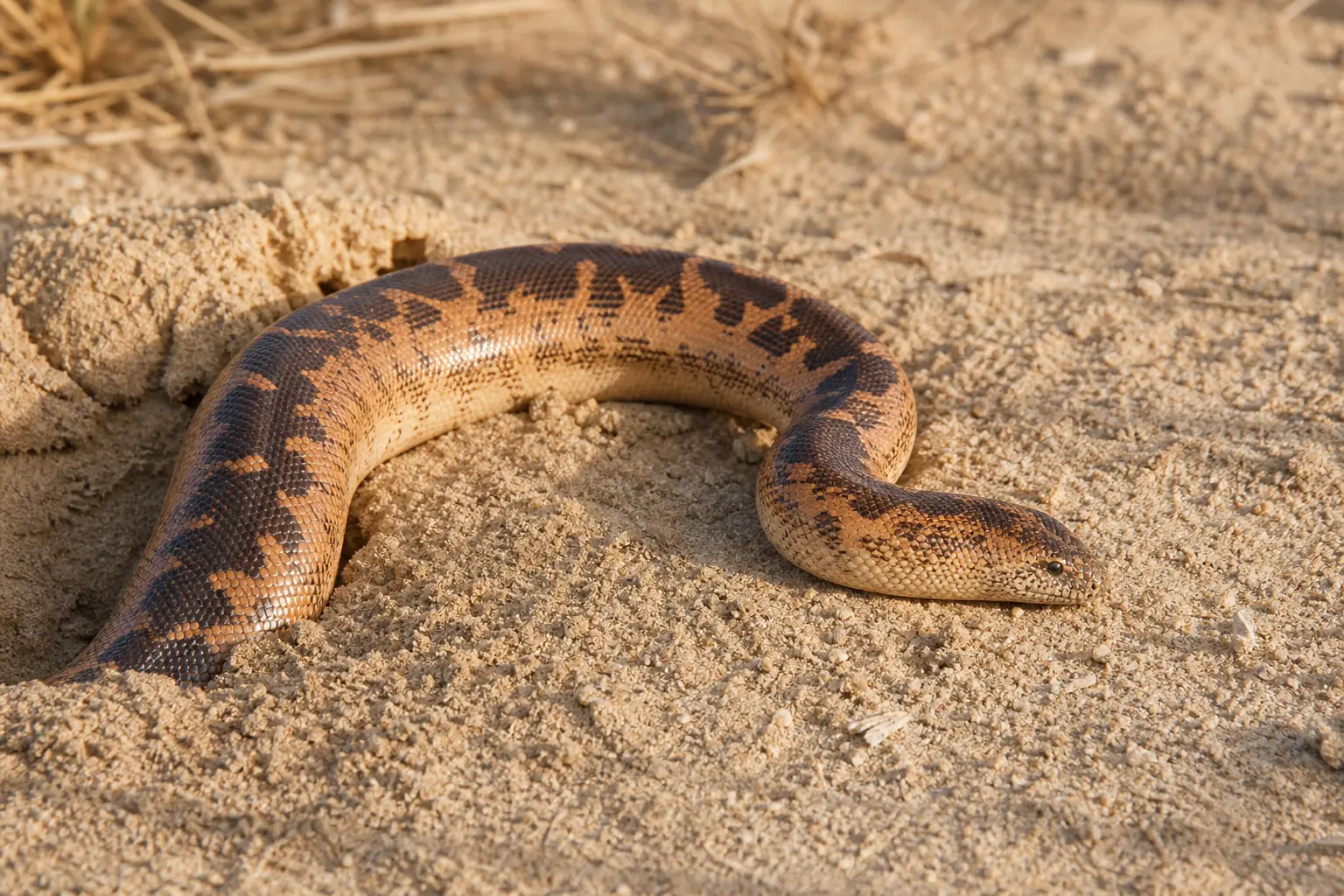
Adult female Kenyan sand boa partly emerging from sand with its short stout orange-and-brown body and tiny blunt head in clear view.
02

Substrate and prey are the honest tests

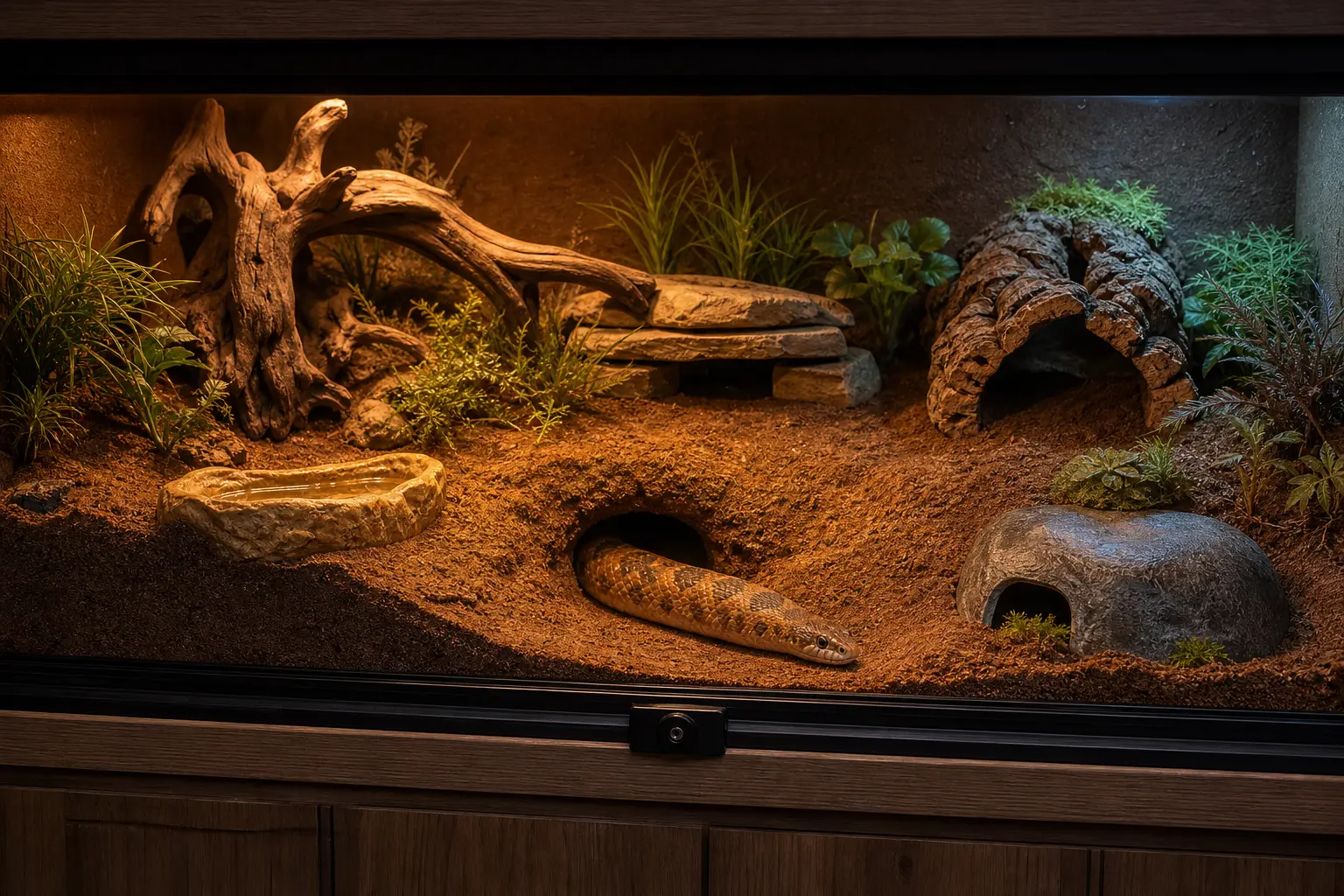
A secure 91 × 46 × 46 cm adult home provides room for deep tunnel-holding substrate, snug warm and cool retreats, a clean humid hide, fresh water, low cover, and a measured light-and-shade gradient.

Every heavy object must rest on the enclosure base or fixed support before substrate is added. Food is modest frozen-thawed whole prey, offered over a clean surface and spaced by age, sex, size, weight, and body condition.

Adult female Kenyan sand boa emerging inside a secure enclosure with deep tunnel-holding substrate, anchored low cover, warm and cool retreats, a humid hide, and fresh water.
03

Picture an ordinary hidden week

You read the warm surface and deep cool probe, refresh water, check the humid retreat, inspect locks and the substrate surface, and let intact tunnels show that the snake has been moving.

On feeding day, you thaw one correctly sized item, present it with long tongs, record the result, then leave the boa undisturbed for digestion. Wheezing, regurgitation, burns, swelling, mites, injury, or falling weight belongs with a reptile veterinarian.

Keep deciding

See the complete care picture

Sources and further reading