

Species-level guide
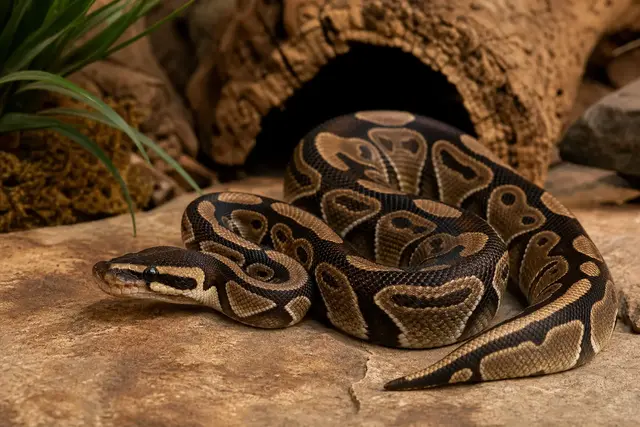
Ball pythons
Python regius
A quiet, cover-seeking python. Compare adult-length space, snug retreats, measured humidity, and a long whole-prey routine.
Also found as Royal python, Royal pythons.
Reptile Guides
Search by name, then compare the adult home, activity, and ordinary care week before you decide.
Start here
Six commonly explored snake guides.
Species-level guide
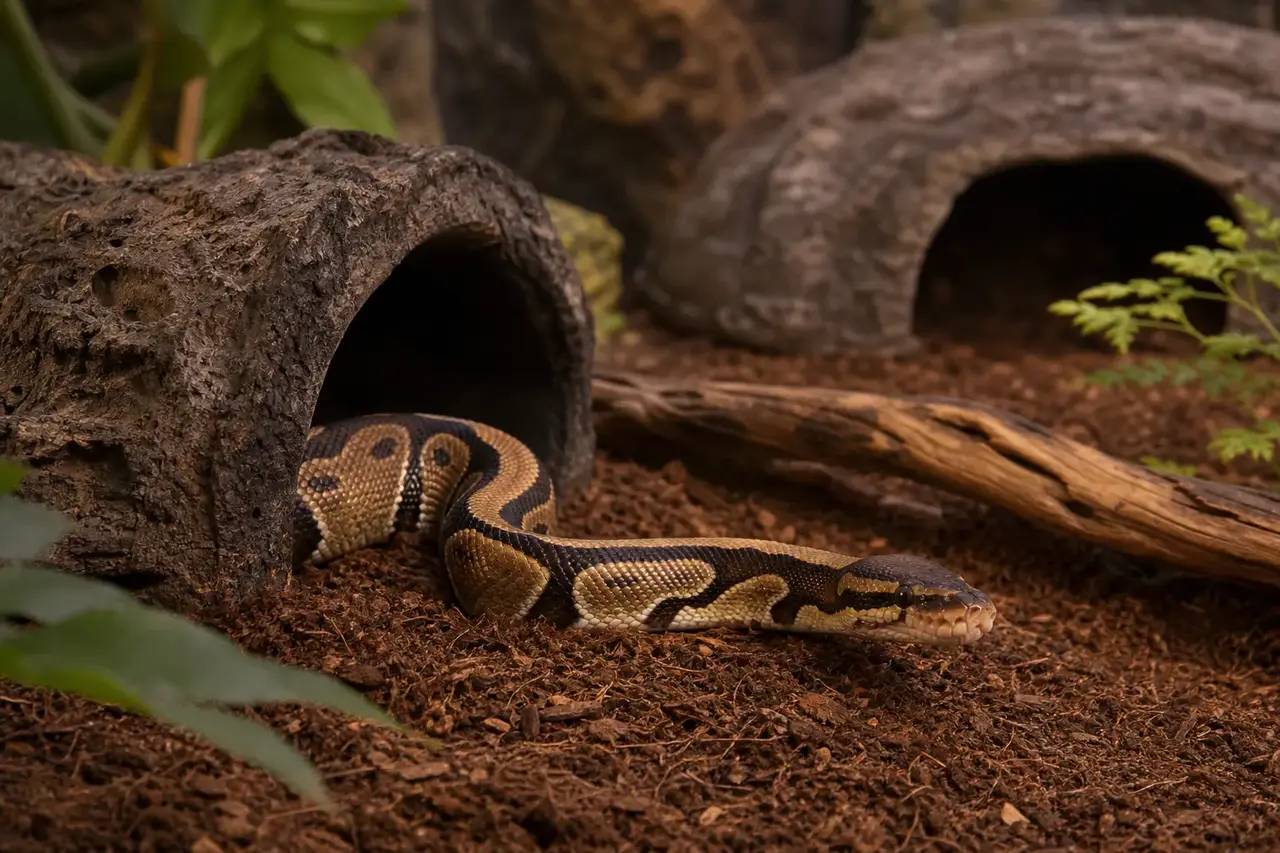
Python regius
A quiet, cover-seeking python. Compare adult-length space, snug retreats, measured humidity, and a long whole-prey routine.
Also found as Royal python, Royal pythons.
Species-level guide
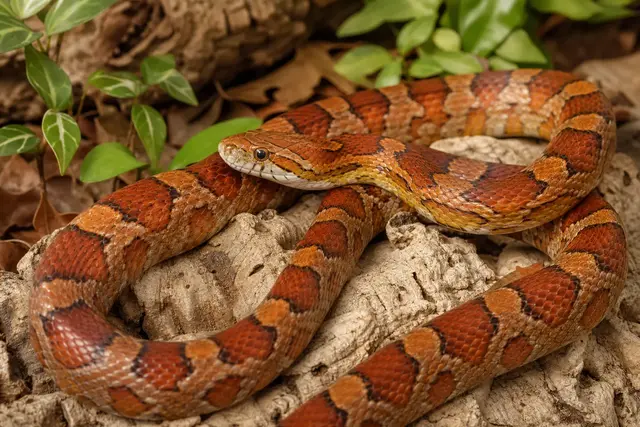
Pantherophis guttatus
An active dusk-and-dawn explorer. Plan for full-length floor space, secure climbing choices, and carefully sourced whole prey.
Species-level guide
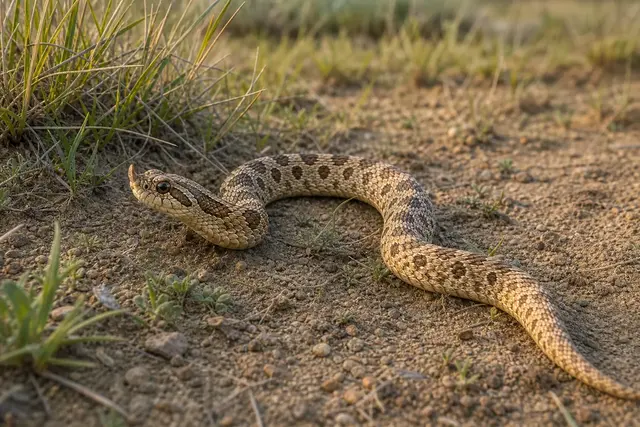
Heterodon nasicus
A compact, burrowing snake with a distinctive upturned snout. Check local rules, deep substrate, and its specialized feeding history.
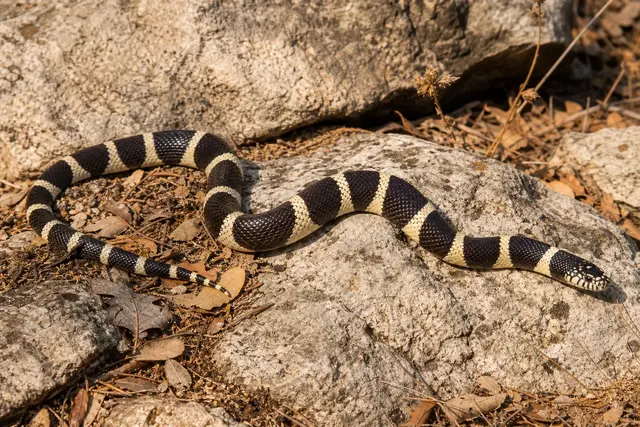
Species-level guide
Lampropeltis californiae
A bold terrestrial hunter. Expect strong escape security, solitary housing, and calm handling that respects defensive signals.
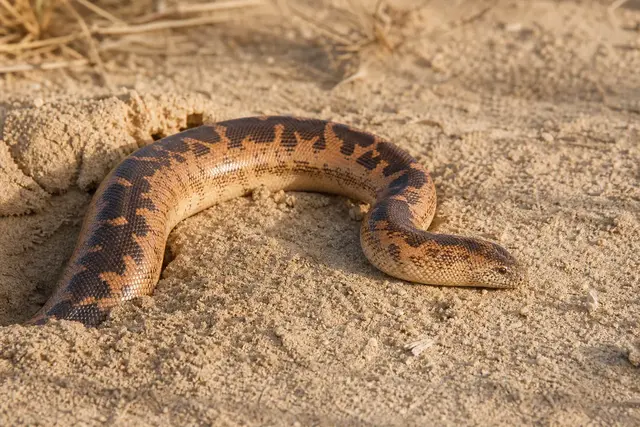
Species-level guide
Eryx colubrinus
A small, secretive burrower. Deep usable substrate and comfort with an often-hidden pet matter more than display height.
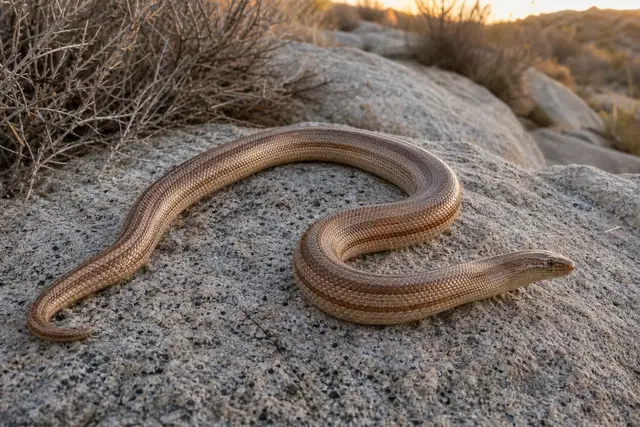
Species-level guide
Lichanura trivirgata
A sturdy, slow-moving boa. Compare adult floor space, dry retreat choices, whole prey, and mostly evening activity.
Before choosing
The exact profile matters. These four questions help you notice which commitment deserves a closer look.
Can the household support the adult's full-length floor space, climbing height, and escape-proof enclosure?
Can you safely source, store, thaw, and offer the exact whole-prey diet?
Will the snake be active when you are home, and are you content when it stays hidden?
Would the animal still fit if handling is brief, limited, or unwanted?
Choose your next step
Compare the adult home and routine, or start with the match quiz if you do not have a name in mind.