Senior cats need closer attention to weight, appetite, thirst, litter habits, teeth, mobility, pain, and behavior changes.
You do not have to diagnose this at home. Notice what changed from your cat's normal, write down the details, and call your veterinarian when pain, breathing, appetite, urine, toxins, or sudden changes are involved.
Start with urgency
Senior cats need closer attention to weight, appetite, thirst, litter habits, teeth, mobility, pain, and behavior changes.
Start by deciding whether this can wait. Breathing trouble, urine changes, appetite loss, severe pain, collapse, toxin exposure, or sudden decline means the next step is a vet call.
What this looks like at home
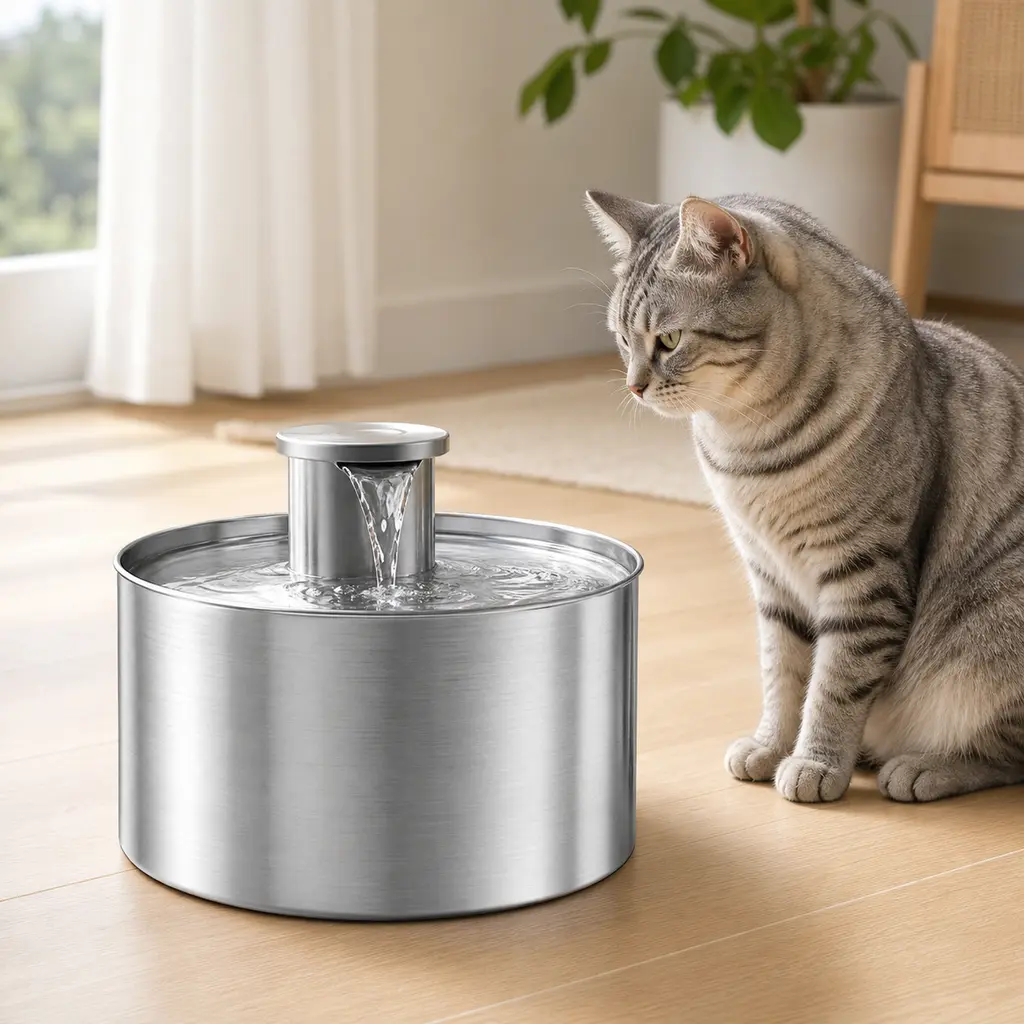
Aging does not make every change normal. Drinking more, losing weight, hiding, missing the box, or avoiding jumps should be discussed with your vet.
Treat symptom pages as triage support, not a diagnosis. Appetite, water, urine, stool, breathing, mobility, gums, pain signs, and energy matter more than one isolated symptom word.
What to do next
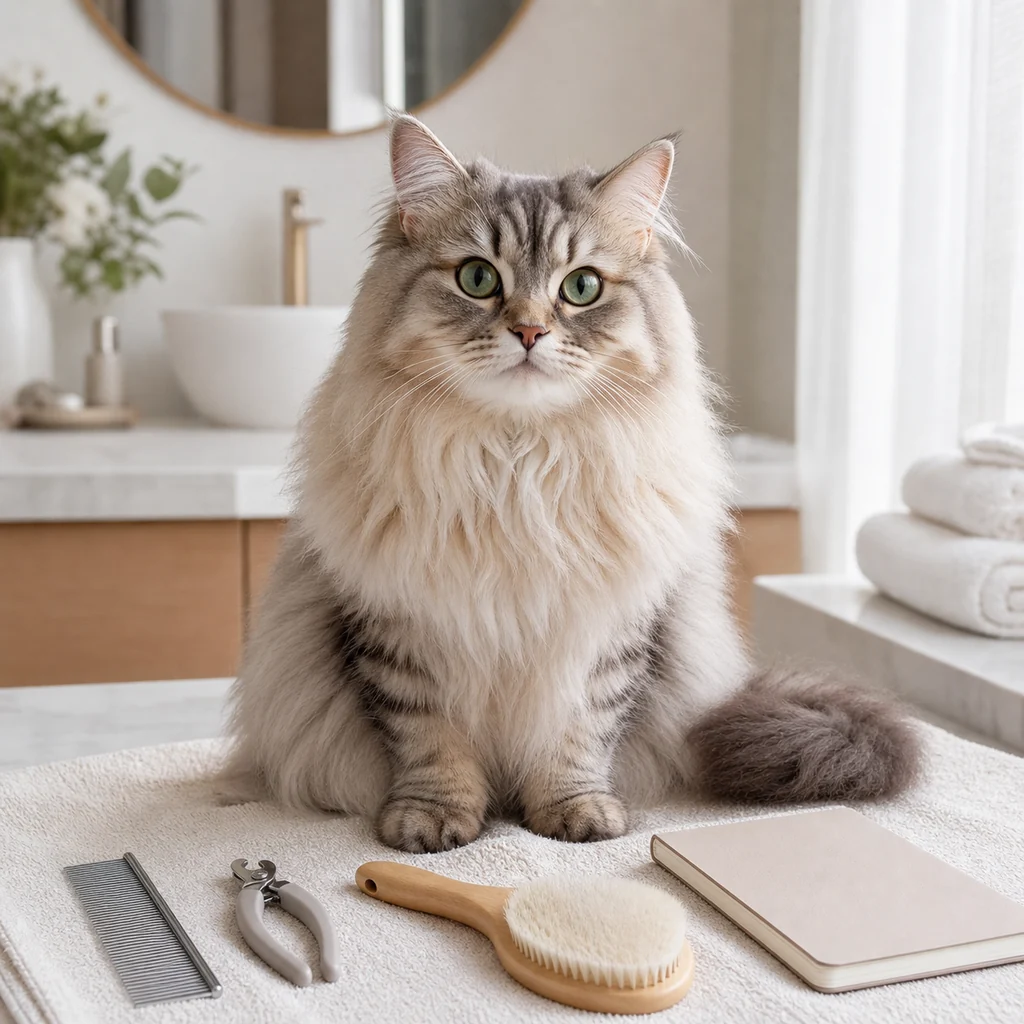
Schedule regular senior wellness checks and keep notes on appetite, water, litter, weight, grooming, and movement.
Write down timing, frequency, appetite, litter use, breathing, movement, and any trigger you saw. A short video is often more useful to your veterinarian than a long description.
When to get help
Call your veterinarian if the change is sudden, painful, severe, repeated, or paired with appetite loss, litter changes, breathing trouble, collapse, or obvious distress.
Do not monitor at home when breathing is hard, gums look pale or blue, the cat cannot stand, pain is obvious, appetite stops, urination changes, or symptoms escalate.
Before you decide
Is this a new pattern or a long-standing habit?
Did food, litter, home setup, visitors, pets, or routine change recently?
Does your cat still eat, drink, use the box, move, and rest normally?
Would pain, toxin exposure, or sudden illness make this urgent?
Next best moves
Make one small change and observe before changing everything.
Keep notes if the pattern repeats.
Call your vet quickly for sudden health, pain, toxin, or litter-box warning signs.
Quick cat question
What are common senior cat health problems?
Senior cats need closer attention to weight, appetite, thirst, litter habits, teeth, mobility, pain, and behavior changes.
Is this a substitute for a veterinarian?
No. Use it to understand the routine and decide what to ask, but call your veterinarian for illness, pain, toxins, sudden behavior changes, or anything that feels urgent.