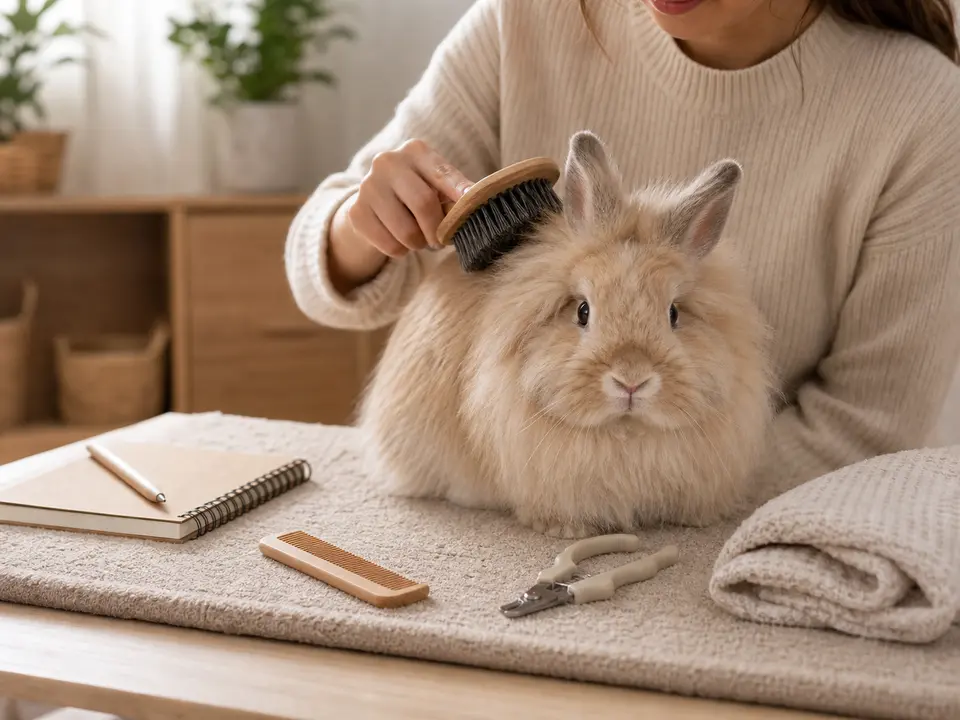
Senior rabbit care is mostly about making the normal routine easier: closer hay and water, lower litter access, grippy flooring, gentle grooming, warm but optional resting spots, and faster attention to appetite, poop, movement, or pain changes. Older rabbits often need thoughtful adjustments, not a completely different life.
A senior rabbit may still have bright, bossy, curious days. The goal is to keep those days easier on the body by removing the little obstacles that make hay, litter, grooming, and rest harder than they need to be.
Make paths easier
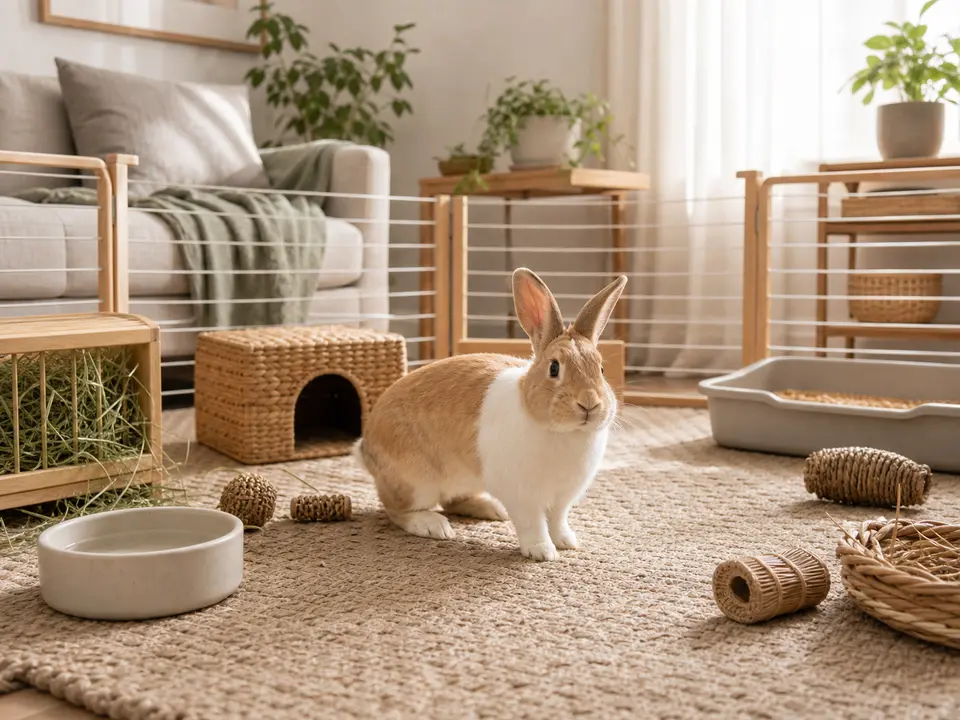
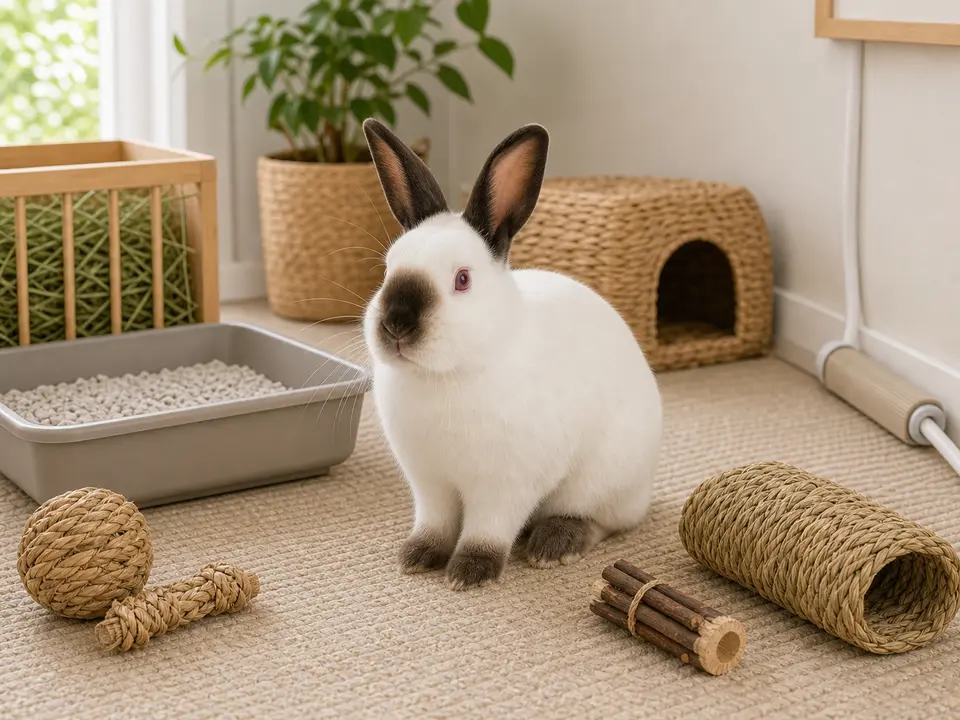
Watch the route from the favorite rest spot to hay, water, litter, and the hideout. Slick floors, tall box edges, narrow gaps, and awkward jumps can quietly wear on a stiff rabbit. Use washable mats, lower entries, and simpler paths before your rabbit starts avoiding the routine.
Bring hay, water, and litter closer
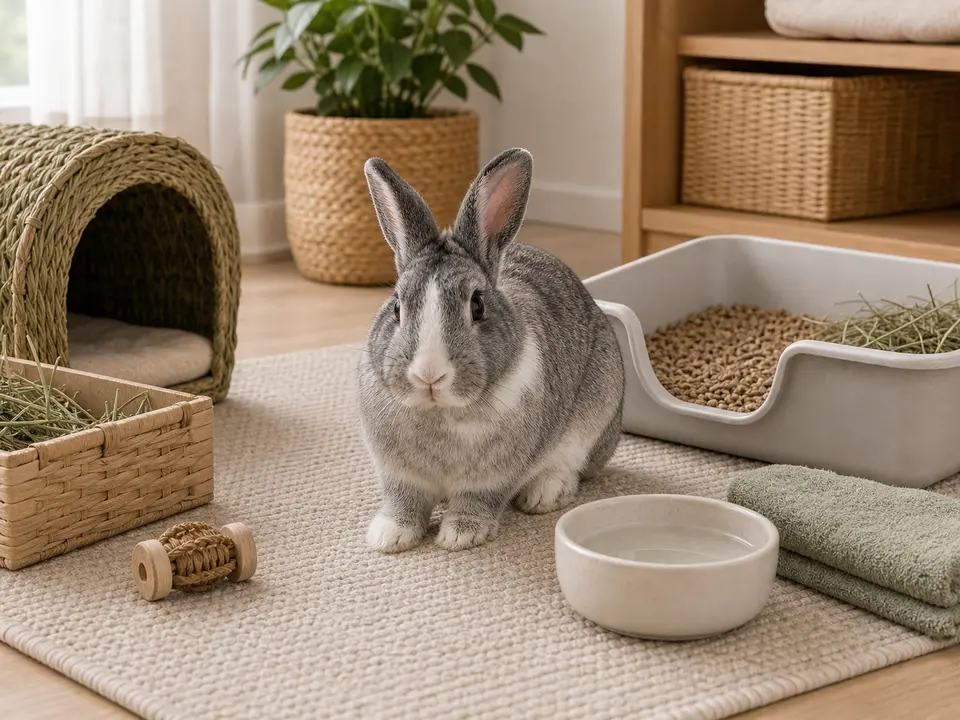
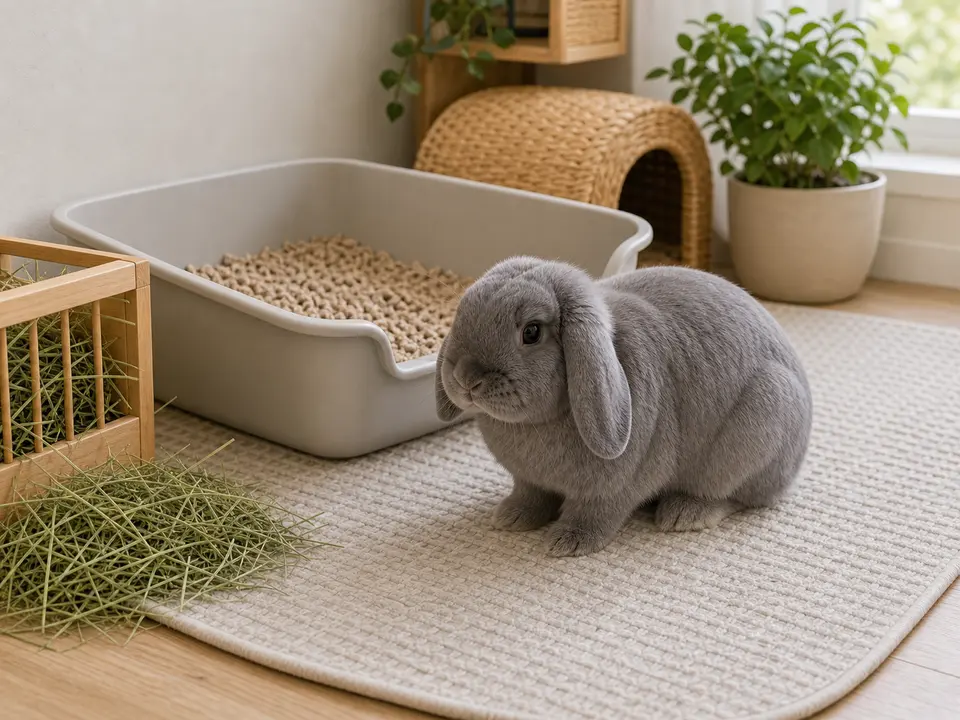
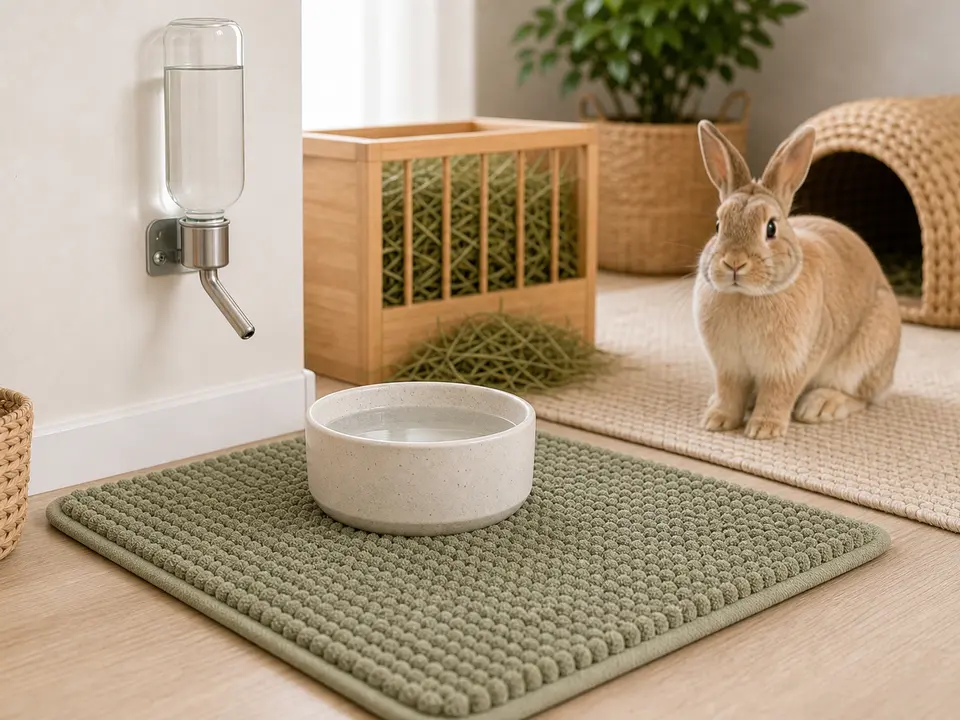
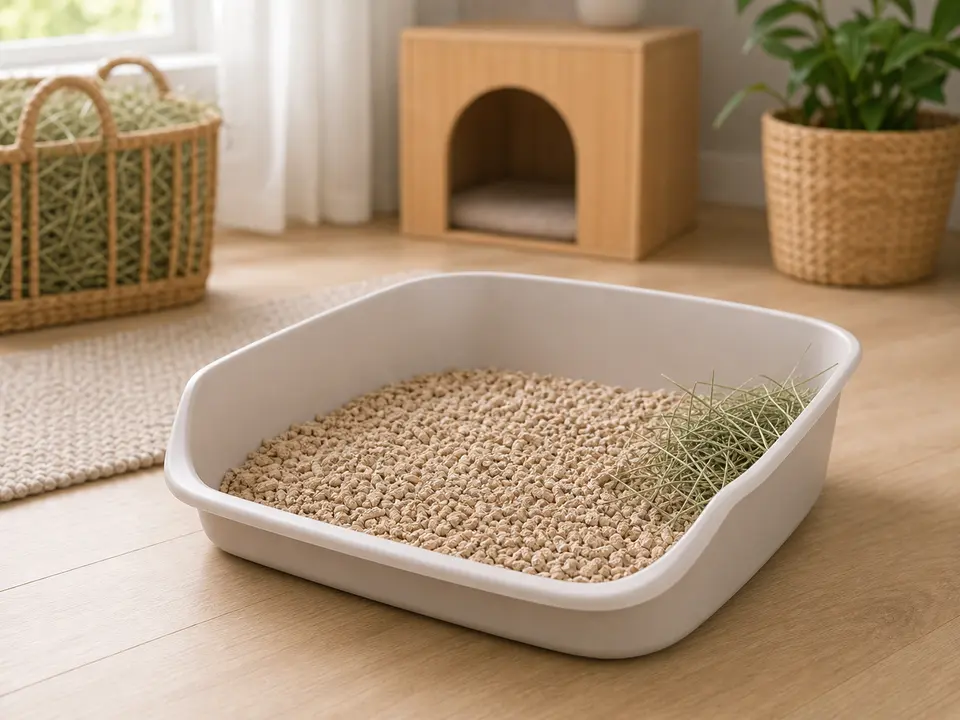
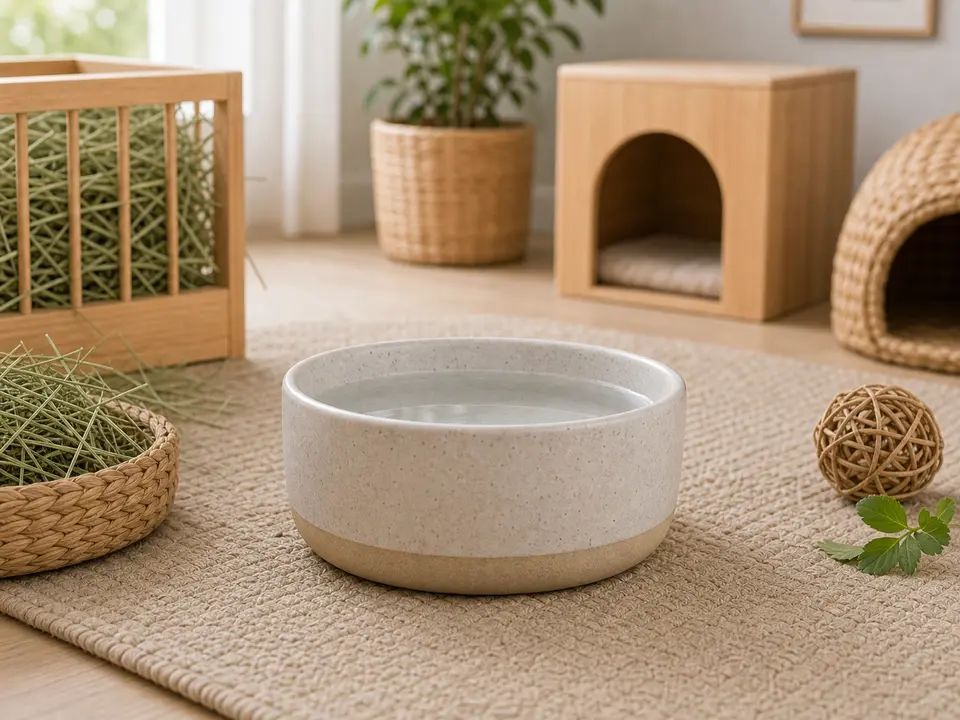
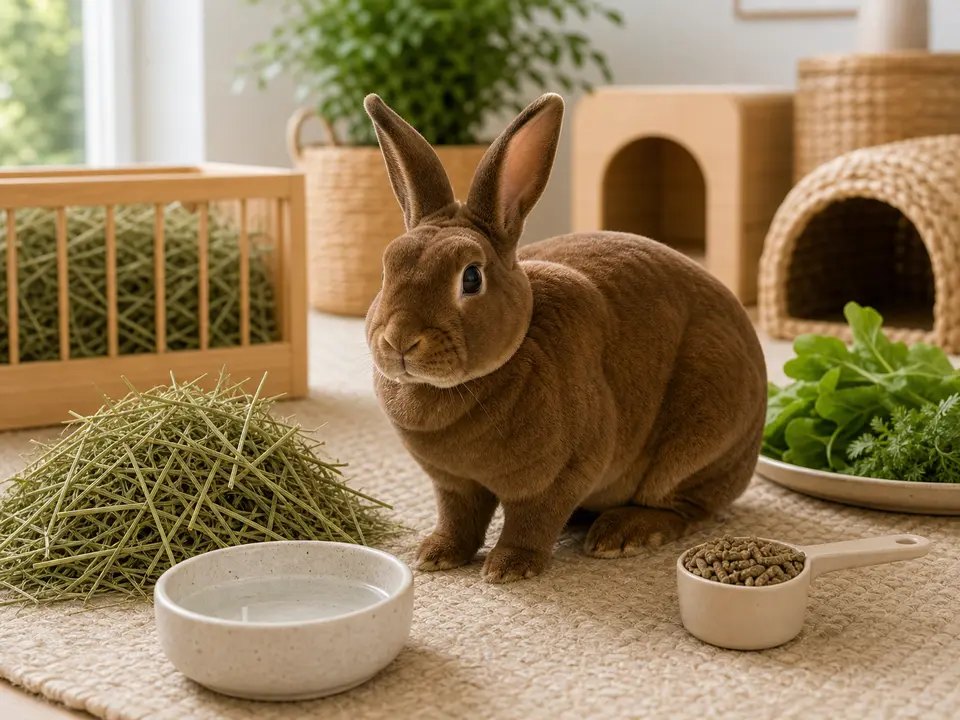
A senior rabbit should not have to cross the room every time they want hay or water. Keep the daily essentials close enough for stiff movement while still giving the area room to stay clean. A lower litter box edge can help if your rabbit hesitates before climbing in.
Help with grooming gently
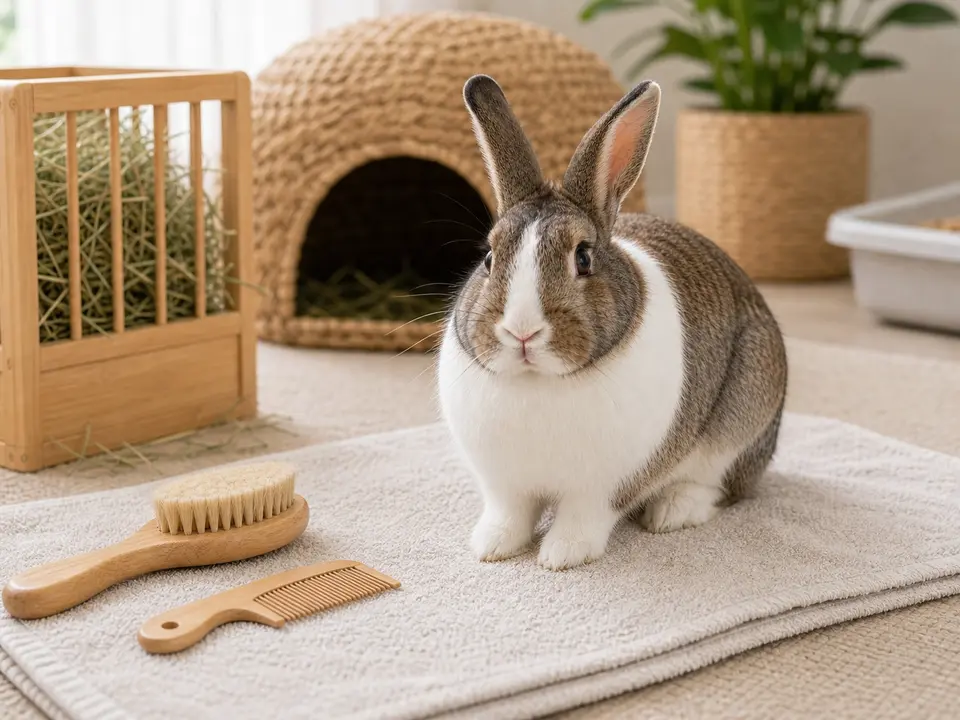
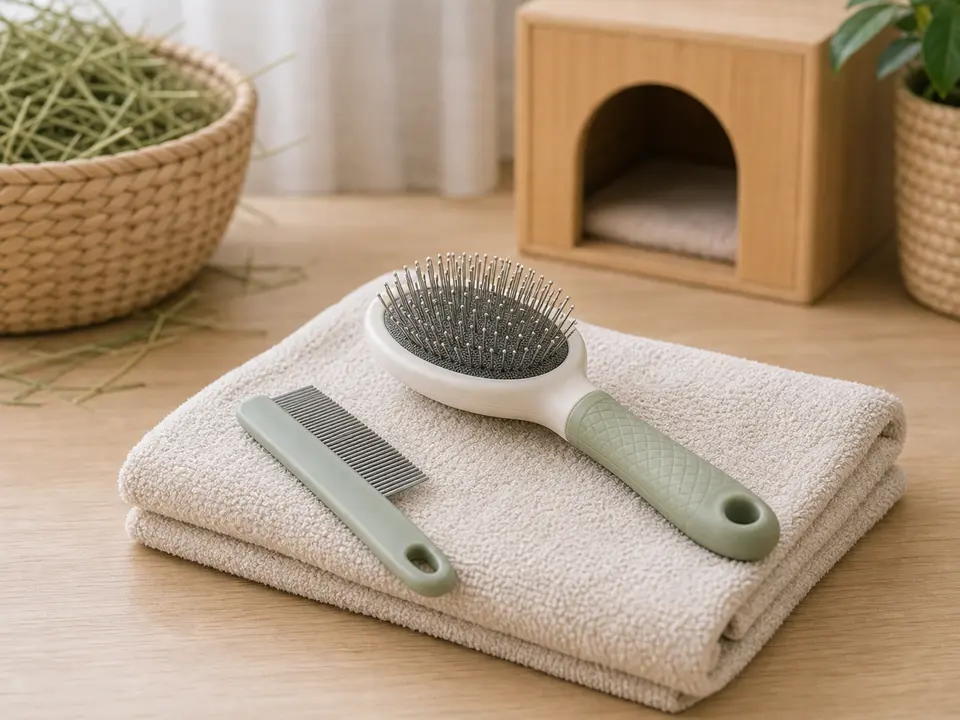
Older rabbits may shed heavily, miss spots, develop tiny mats, or have trouble keeping the underside clean. Use short grooming sessions on a non-slip surface, check behind the ears and around the tail, and stop before the rabbit has to struggle. Tight mats or sore skin need experienced help.
Watch appetite and poop every day
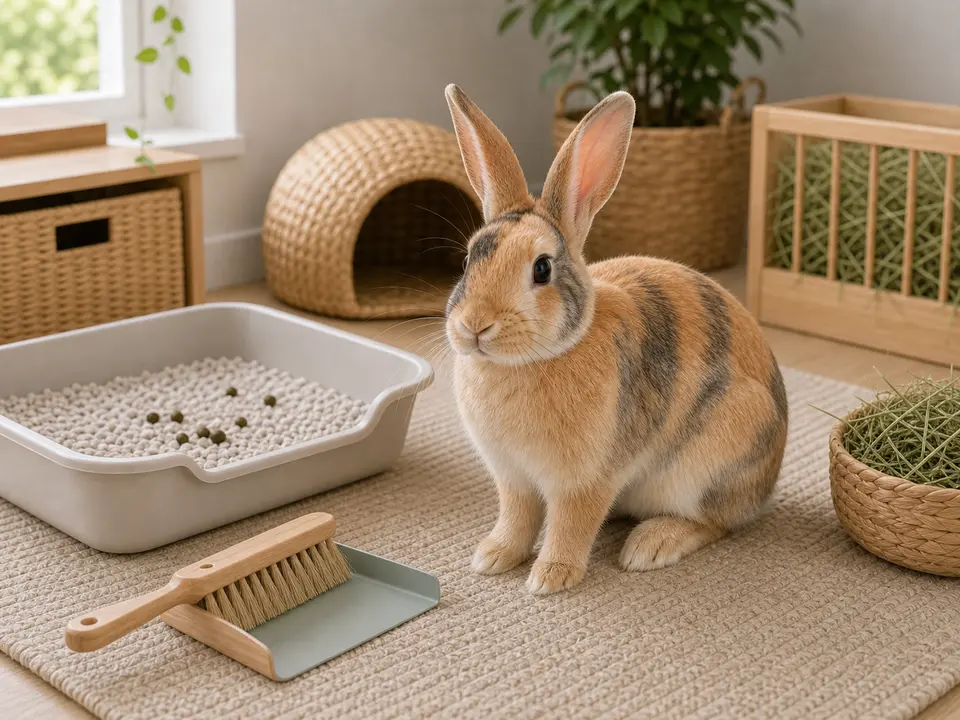
Senior changes often show first in the hay pile or litter box. Notice smaller poops, fewer poops, less hay eaten, weight change, or a rabbit who wants food but chews differently. These clues are practical, not obsessive; they help you act before a small change becomes a bigger one.
Keep warmth optional
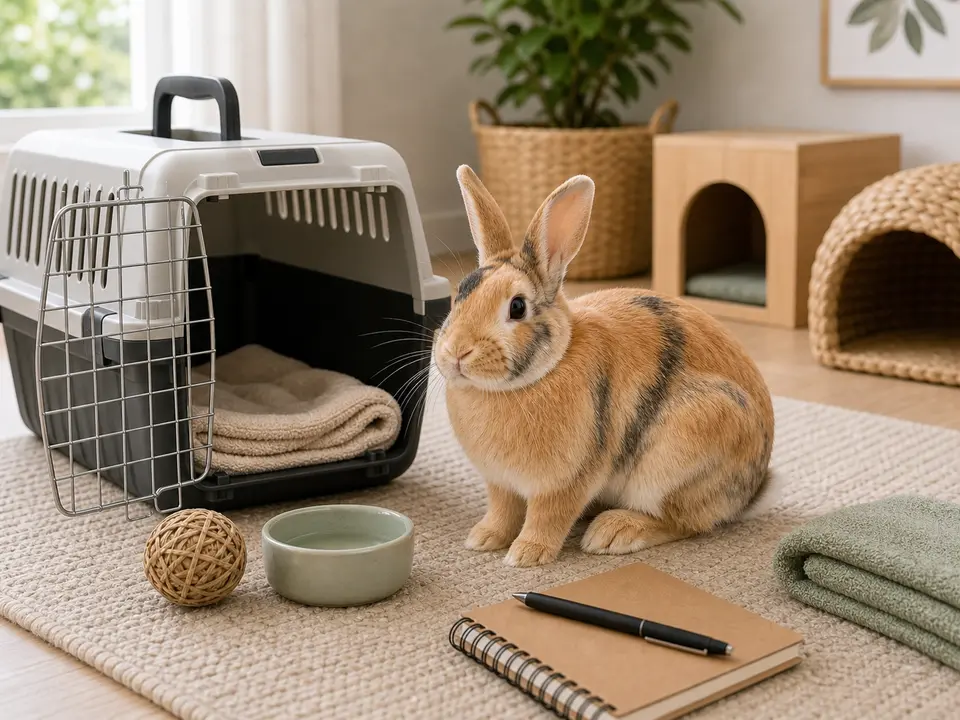
Older rabbits may appreciate a soft bed, a draft-free corner, or a warmer resting area, but they still need a cooler place to move to. Avoid trapping your rabbit in heat. Comfort works best when the rabbit can choose the cozy spot or leave it easily.
Bring the vet into new changes
Stiffness, messy fur, weight loss, dental changes, sore feet, reduced appetite, fewer poops, or new hiding are not just old age. Keep notes and talk with a rabbit-savvy vet when changes repeat or appear suddenly. Good senior care is gentle observation plus timely help.
Before you decide
Can your senior rabbit reach hay, water, litter, and rest without slipping or jumping hard?
Are poops, appetite, and weight still familiar?
Does grooming stay comfortable and free of tight mats or damp fur?
Can your rabbit leave warm bedding or cozy spots easily?
Have new stiffness, hiding, dental clues, or appetite changes been discussed with a rabbit-savvy vet?
Next best moves
Lower effort before the routine breaks: traction, lower litter access, closer hay, and easier water.
Use short gentle grooming and get help for tight mats, sore skin, or messy underside concerns.
Watch appetite, poop, movement, and weight as daily comfort clues.
Treat sudden or repeated changes as a reason to call a rabbit-savvy vet, not just normal aging.
Senior comfort pieces worth setting up
Choose pieces that lower effort: better traction, easier litter access, closer water, and gentler grooming.
Affiliate links: Furball Cove may earn from qualifying purchases at no extra cost to you.
It varies by individual rabbit, size, and health history. Focus less on the birthday and more on changes in movement, grooming, appetite, weight, teeth, and comfort.
Do senior rabbits need a different setup?
Often they need an easier version of the same setup: better traction, lower litter entry, nearby hay and water, softer rest, and gentler grooming.
What senior rabbit changes need a vet call?
Call a rabbit-savvy vet for not eating, fewer poops, weight loss, drooling, painful movement, sore feet, messy fur, sudden hiding, breathing changes, or repeated behavior changes.