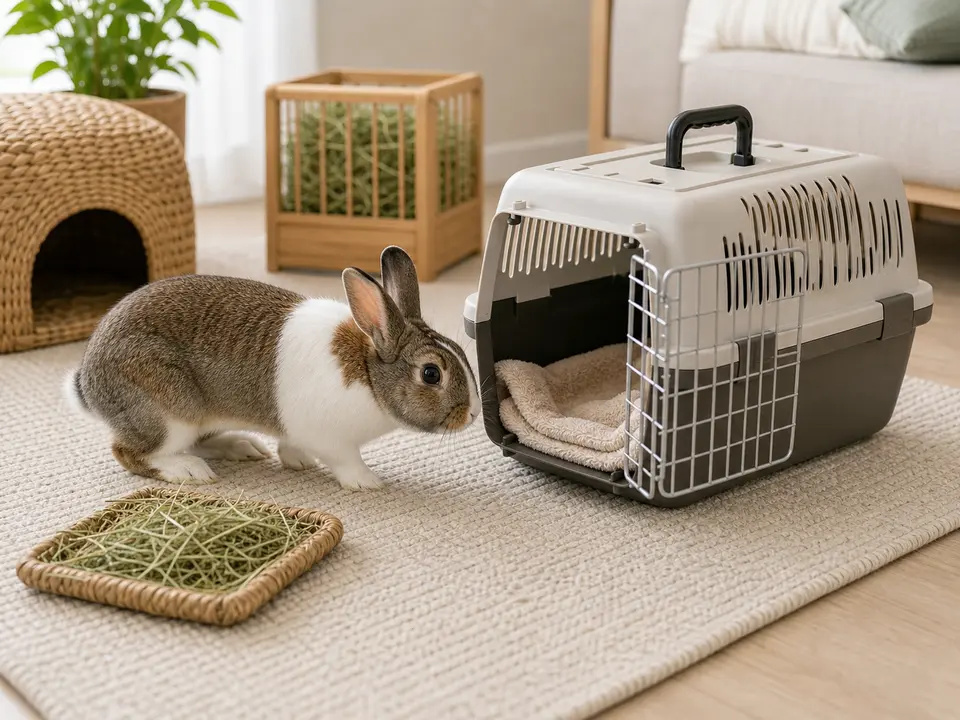
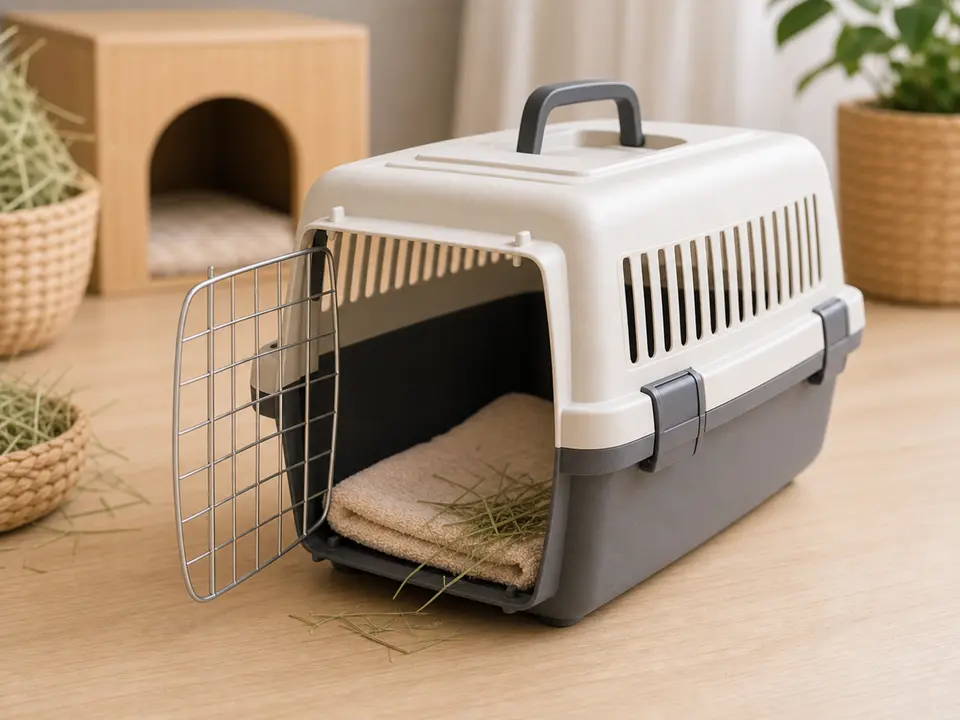
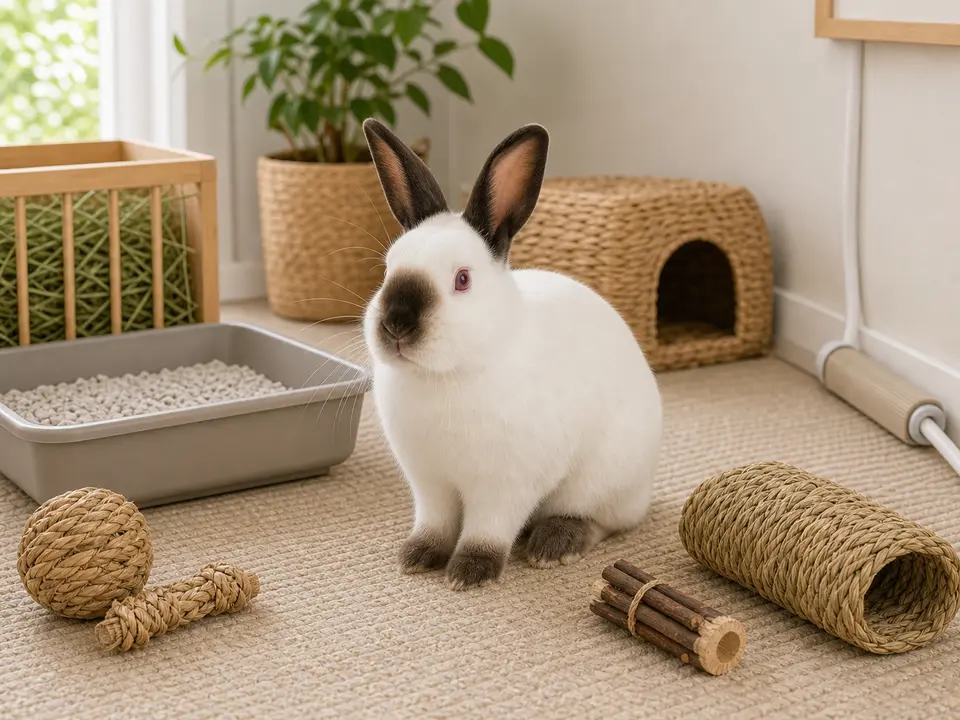
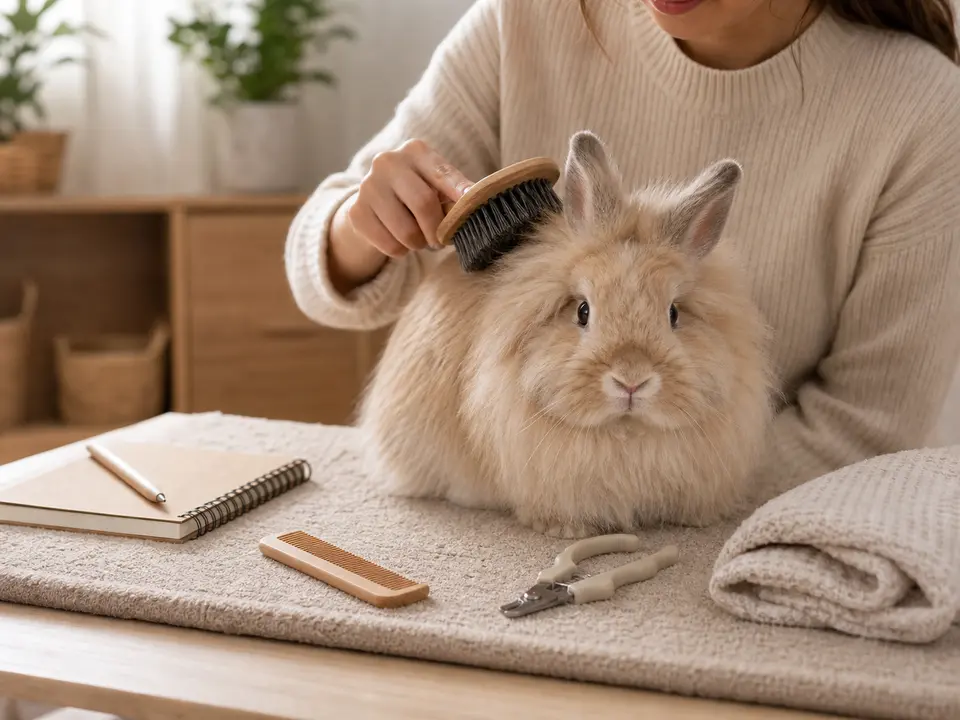
A rabbit travel kit should make a necessary trip calmer: secure carrier, washable towel, spare liner, hay, cleanup bag, vet contact, medication notes if relevant, and a quiet plan for getting home.
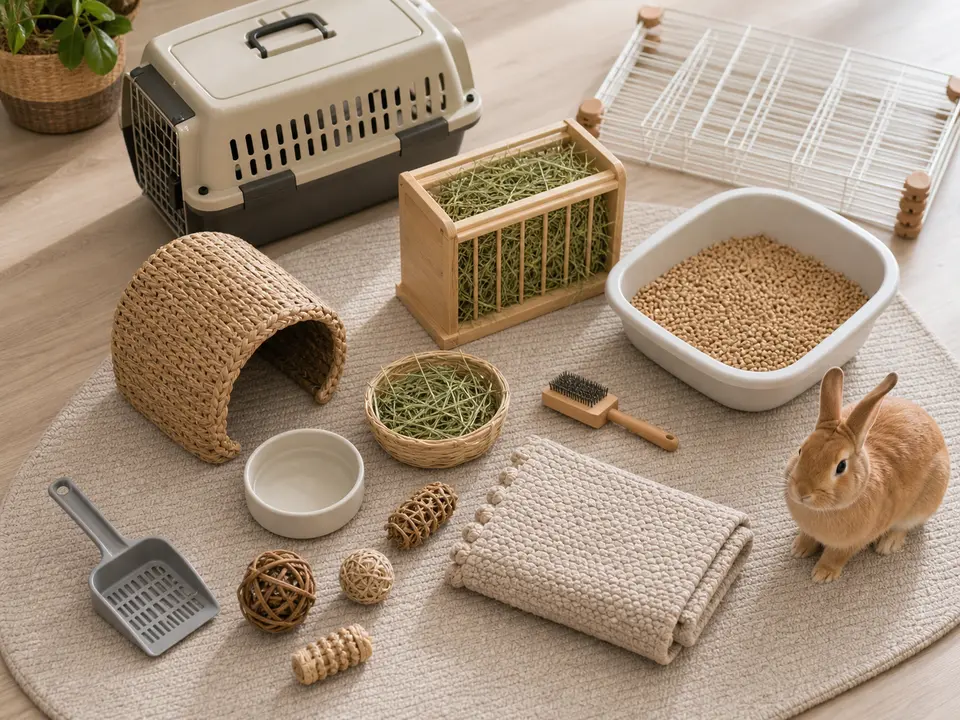
Rabbit supplies should earn their space in the daily routine. The best choice is the one that makes hay, litter, traction, chewing, transport, hiding, water, or cleanup easier tomorrow.
Start with the carrier kit
A rabbit travel kit should make a necessary trip calmer: secure carrier, washable towel, spare liner, hay, cleanup bag, vet contact, medication notes if relevant, and a quiet plan for getting home. Keep the travel kit close to the carrier so you are not searching while your rabbit is waiting.
A simple kit beats a crowded bag if every item has a job.
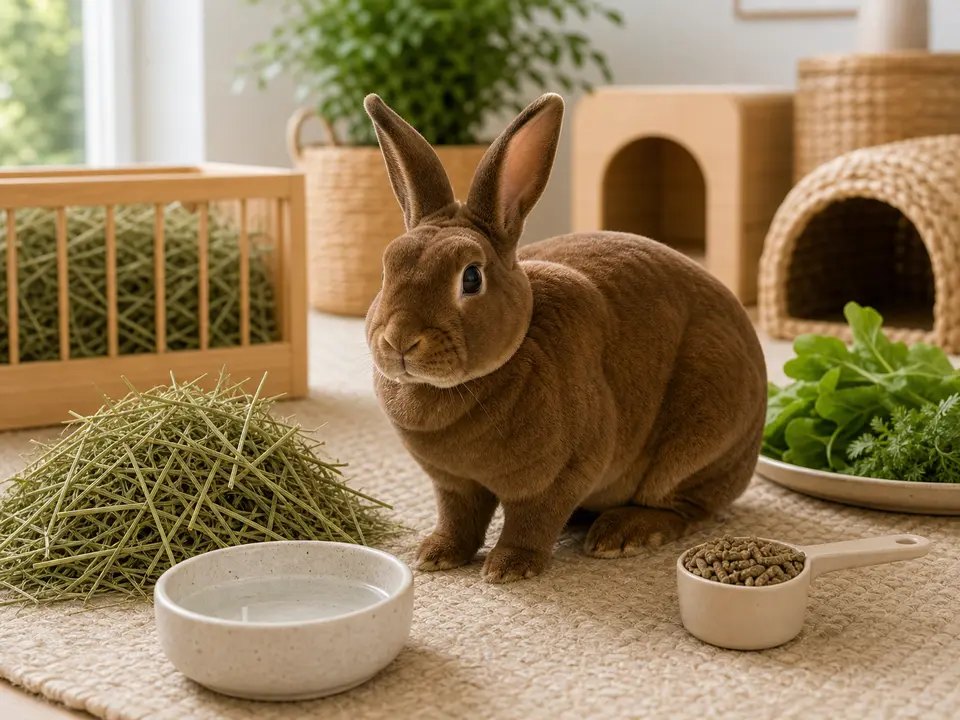
Before buying, picture this item after real hay dust, fur, water drips, litter scatter, and a rabbit testing the edges. The best supply still makes sense after a week of normal use, not just on the day it arrives.
Pack familiar comfort
Use a washable towel or pad that gives traction and smells familiar.
Bring a small amount of hay for necessary trips, but keep the carrier uncluttered enough that your rabbit can sit steadily.
Fit and placement matter as much as the product. A simple piece in the right spot often works better than a clever piece that crowds movement, blocks a path, or makes cleanup harder.
Make cleanup easy
A spare liner, small bag, and paper towels help you reset a damp carrier before the ride home.
The goal is not a giant emergency suitcase. It is a clean, calm way to handle ordinary travel mess.
Watch your rabbit's answer once the item is in the room. Drinking, hopping, resting, chewing safer things, and easier cleanup are better signals than the product photo or the packaging promise.
Keep care notes with the kit
Add the vet contact, medication notes if relevant, and a short place to write appetite, poop, and timing details.
Those notes are useful when the day is stressful and memory gets fuzzy.
Keep the setup calm enough to repeat on a tired weekday. Premium rabbit care usually looks simple: fewer pieces, better placement, and no surprise hazards at floor level or cleanup time.
Reset it after every trip
When you get home, wash the towel, wipe the carrier, restock the kit, and leave the carrier familiar again.
A kit only helps if it is ready before the next appointment or urgent ride.
If the item creates stress, mess, or avoidance, change the setup quickly. Supplies should make the easy behavior obvious rather than giving your rabbit another problem to solve each day.
Before you decide
What changed recently?
Can your rabbit choose a quiet retreat?
Are hay, water, litter, and footing easy?
Is this normal for your individual rabbit?
Next best moves
Make one small change.
Watch what your rabbit chooses next.
Keep the setup calm enough to repeat tomorrow.
Helpful rabbit supplies
These are practical pieces for the routine, not clutter to buy all at once.
Affiliate links: Furball Cove may earn from qualifying purchases at no extra cost to you.
A rabbit travel kit should make a necessary trip calmer: secure carrier, washable towel, spare liner, hay, cleanup bag, vet contact, medication notes if relevant, and a quiet plan for getting home.
What should I change first?
Choose one small setup change that makes the daily routine easier: closer hay, better traction, a calmer hideout, a larger box, or a shorter handling session.
When should I get extra help?
If your rabbit stops eating or pooping, seems painful, breathes strangely, or changes suddenly, call a rabbit-savvy vet. For bonding or handling problems, an experienced rabbit rescue can also help.