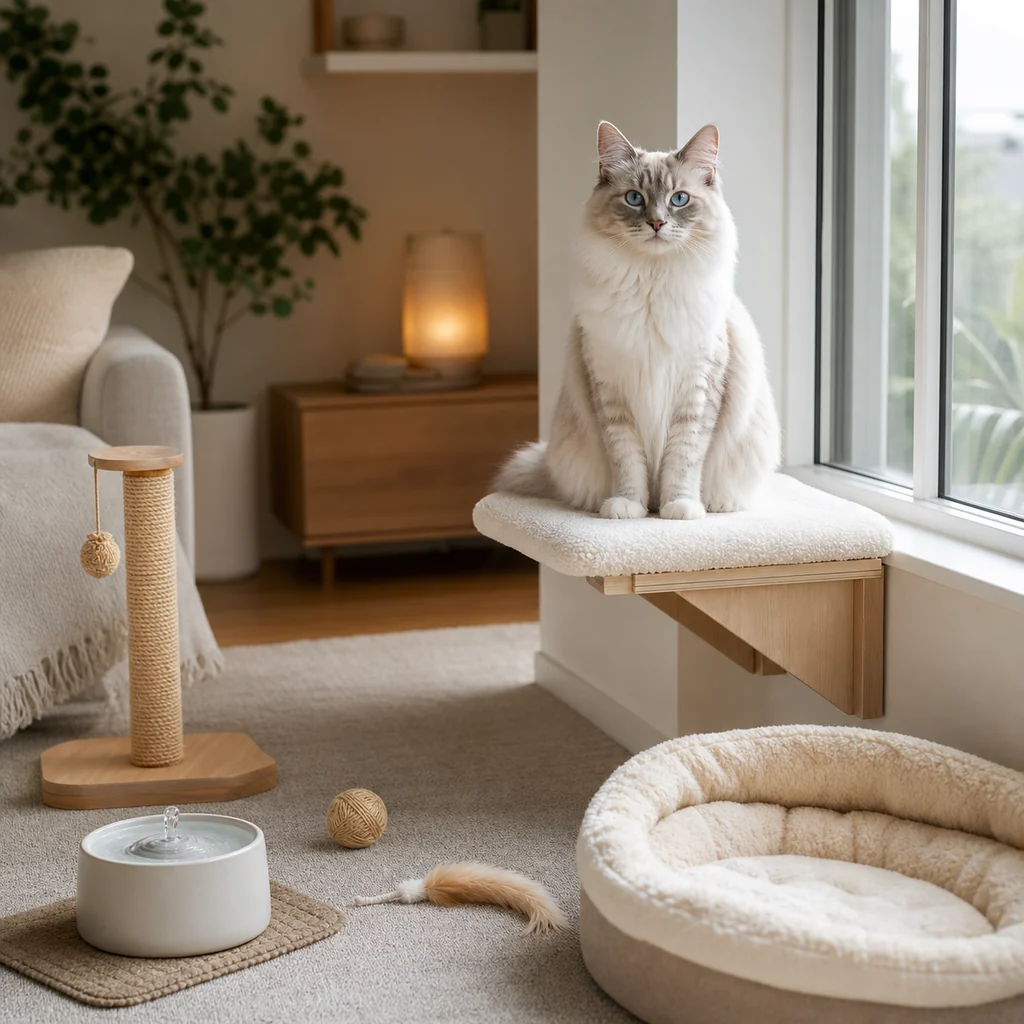
What to notice at home
A good candidate recovers from novelty, takes treats, tolerates gentle handling, and stays engaged outdoors. A cat who freezes, bolts, rolls, pants, or panics needs easier indoor steps or a different enrichment plan.
Updated
Cat travel
A harness can be useful for some indoor cats, but only when it is introduced slowly, fitted securely, and used as supervised enrichment rather than escape prevention.
Harness work should feel like training, not gear you clip on when the door is already open.
A good candidate recovers from novelty, takes treats, tolerates gentle handling, and stays engaged outdoors. A cat who freezes, bolts, rolls, pants, or panics needs easier indoor steps or a different enrichment plan.
Start with the harness near meals, then a brief touch, a loose drape, a short fit indoors, and only later a quiet doorway or enclosed outdoor step. Pair each step with rewards and stop before fear builds.
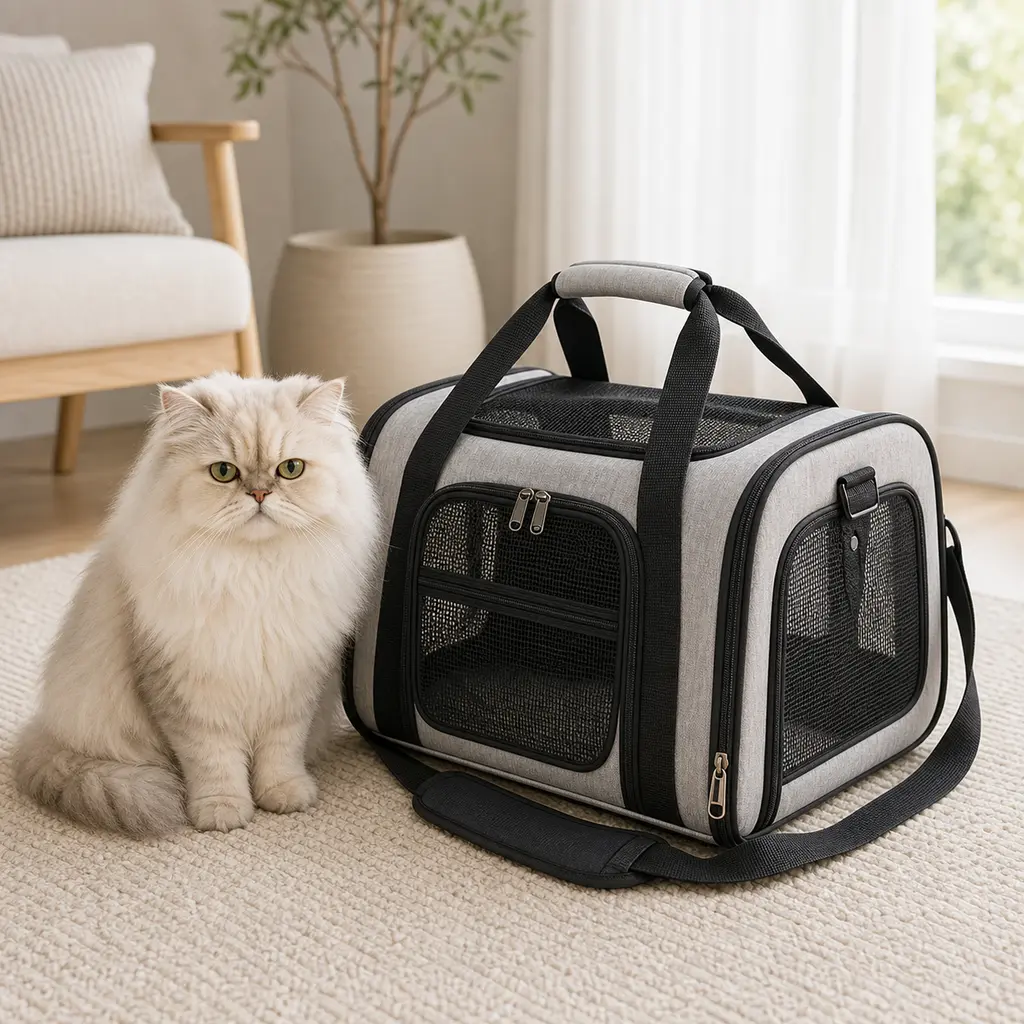
Do not rely on a harness around traffic, balconies, dogs, crowds, or open doors. Call your veterinarian or a behavior professional if panic is severe or your cat injures themselves trying to escape.
Travel gear works best when it is practiced before the trip, so the carrier, mat, harness, or reward pouch already feels familiar.
Affiliate links: Furball Cove may earn from qualifying purchases at no extra cost to you.
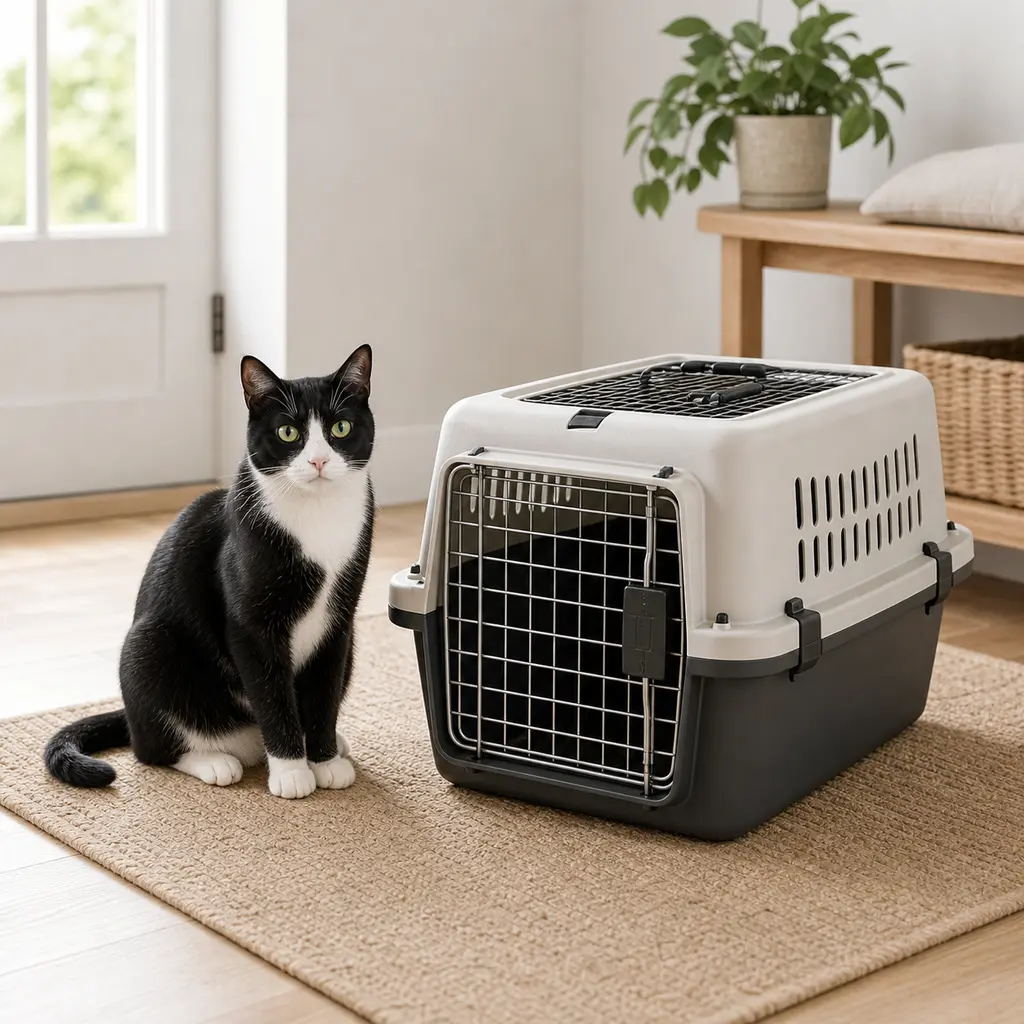
A sturdy carrier keeps travel and vet trips more controlled than carrying a loose cat.
A soft carrier can work for calm, supervised travel when it fits the cat and trip.
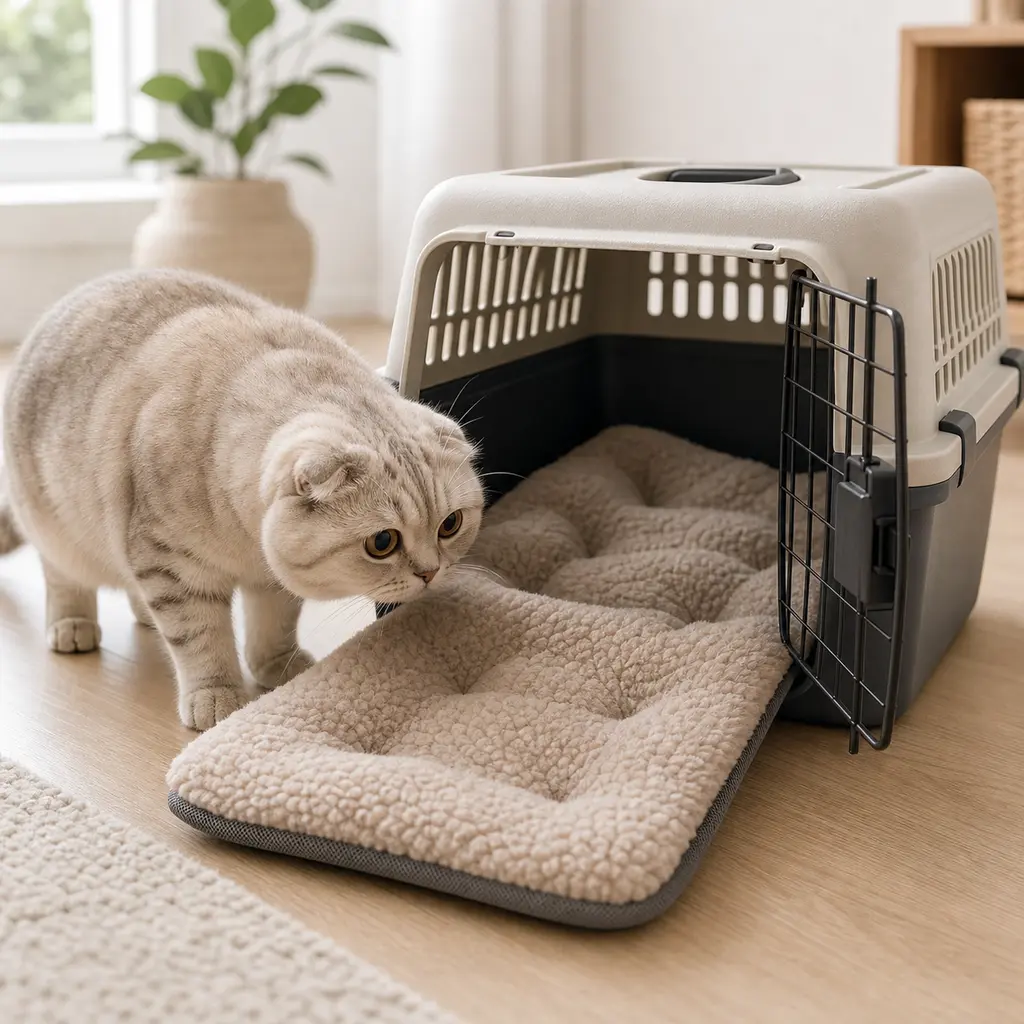
A familiar mat can help the carrier smell and feel less sudden.
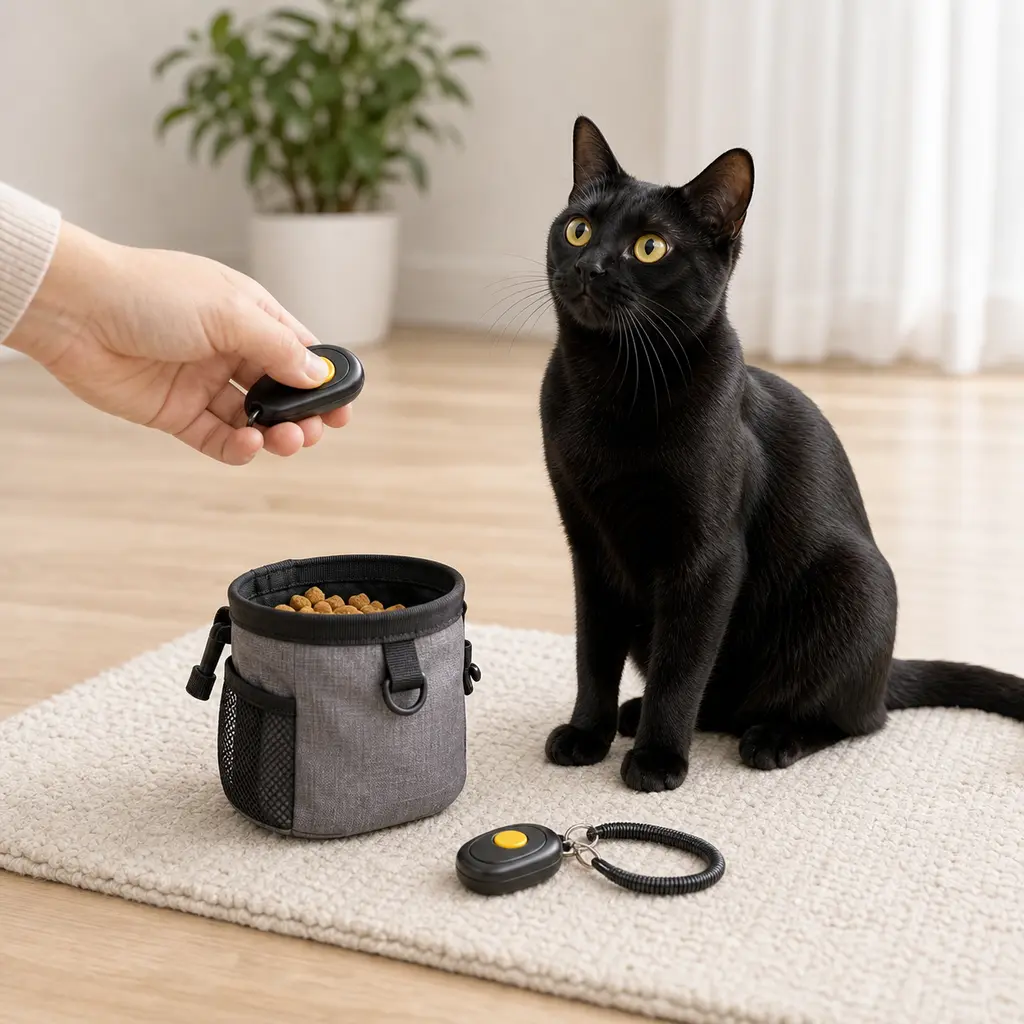
Small rewards help carrier, harness, and car practice stay low pressure.
A harness can be useful for some indoor cats, but only when it is introduced slowly, fitted securely, and used as supervised enrichment rather than escape prevention.
Do not rely on a harness around traffic, balconies, dogs, crowds, or open doors. Call your veterinarian or a behavior professional if panic is severe or your cat injures themselves trying to escape.