Know the hamster type
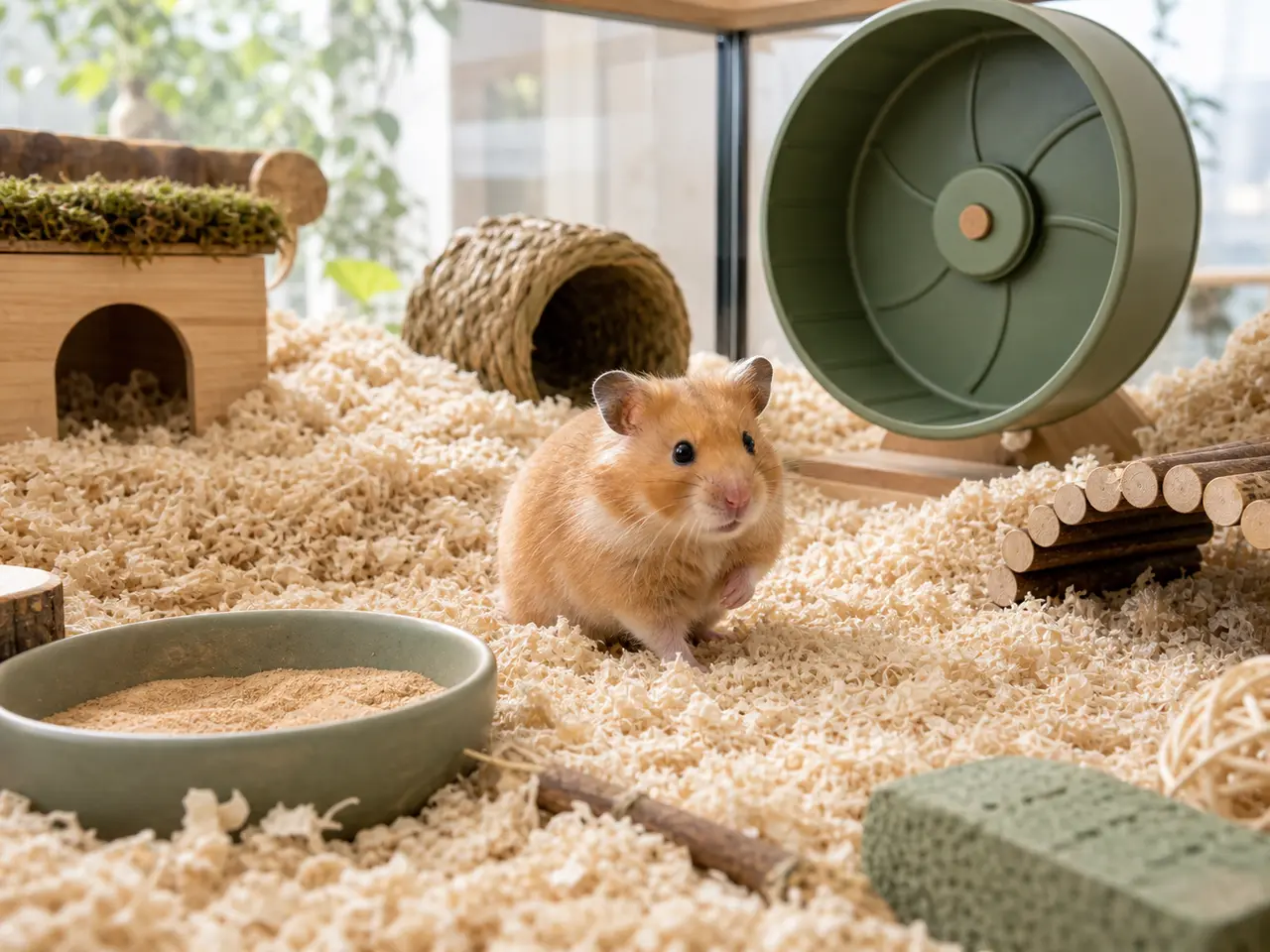
Small slender hamster with a longer tail than many pet hamsters.
This hamster type can change body size, speed, handling, and escape risk. It does not replace the dwarf or Syrian hamster care guide.
Updated
Hamster types
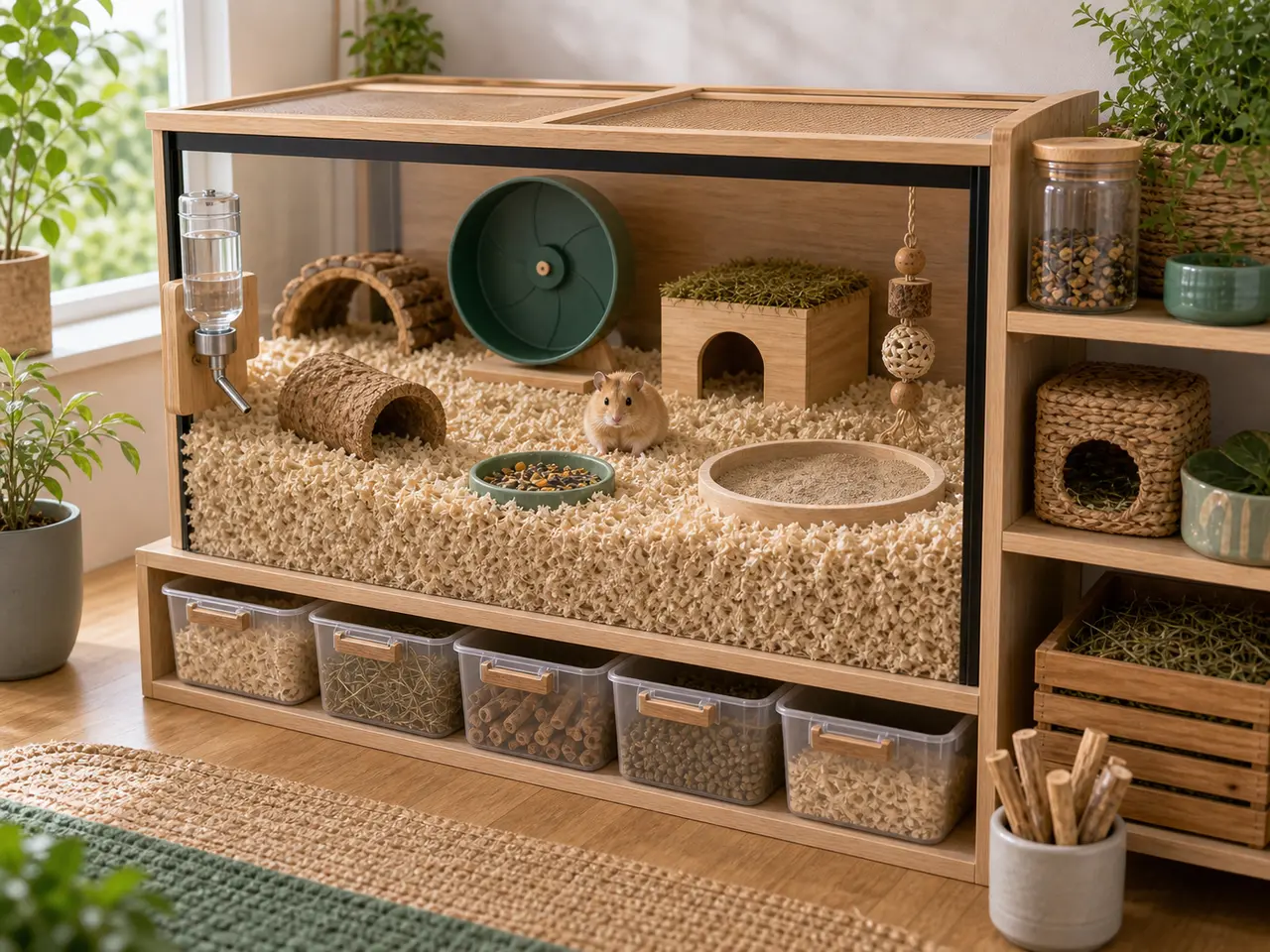
Chinese hamsters are small solitary hamsters with a longer body shape and the same need for secure deep-bedding care.
Use the type as a size clue; still plan deep bedding, a safe wheel, and quiet handling.
Small slender hamster with a longer tail than many pet hamsters.
This hamster type can change body size, speed, handling, and escape risk. It does not replace the dwarf or Syrian hamster care guide.

Hamster behavior drives the setup: solitary setup, deep bedding, wheel, hides, and secure handling.
Use the Dwarf Hamster guide for habitat size, deep bedding, food, water, cleaning, handling, and health checks before choosing by hamster type or individual pet.

Their small size makes gaps, transfers, and wheel fit important.
Use checks as a calm handling moment, not a grooming session. Stop before the animal starts dodging, bracing, or trying to bolt.
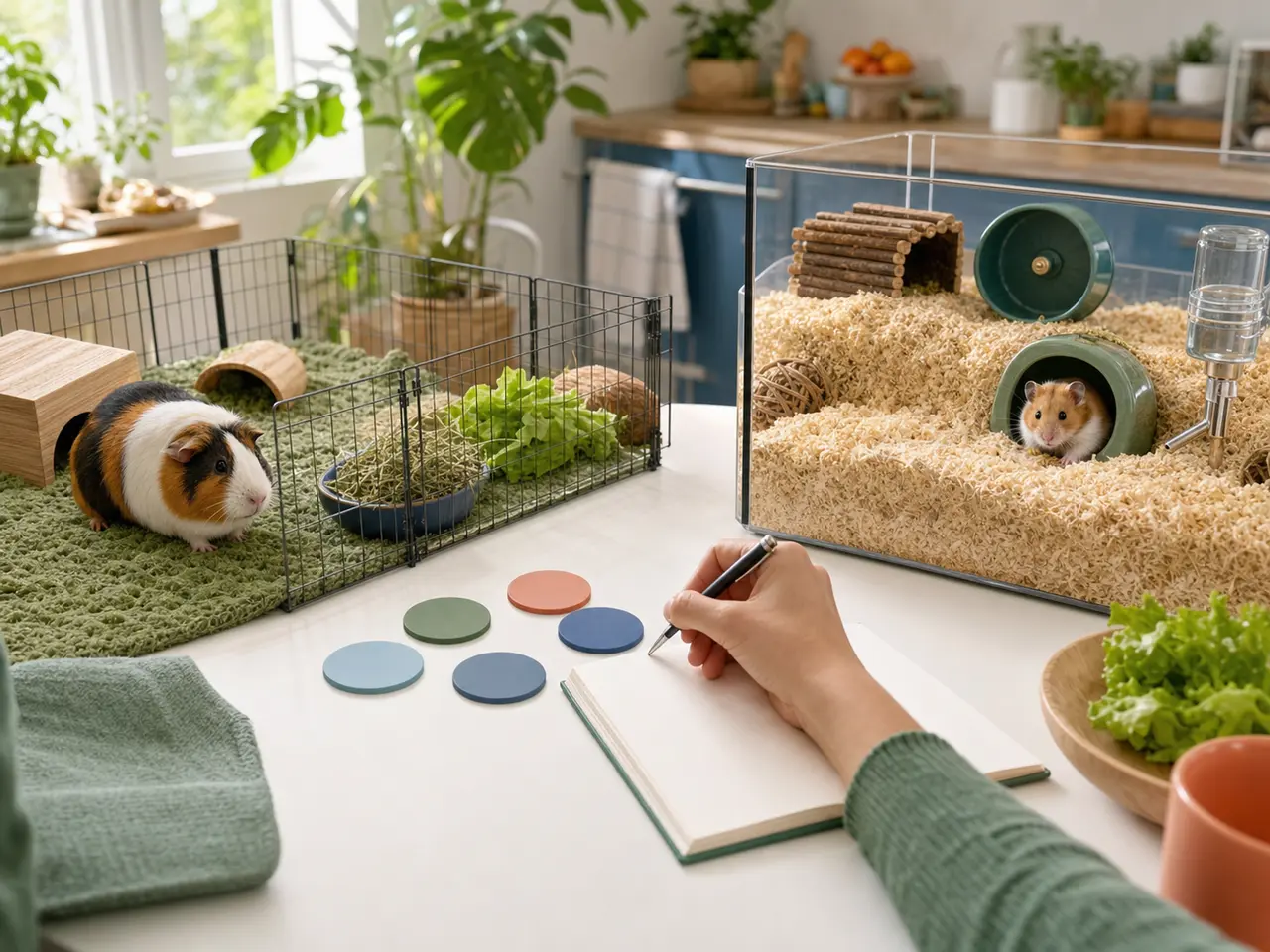
Quiet homes that want an observation-friendly small hamster.
Choose this look when food, water, cleaning, body checks, calm handling, and vet calls will still happen on tired days.
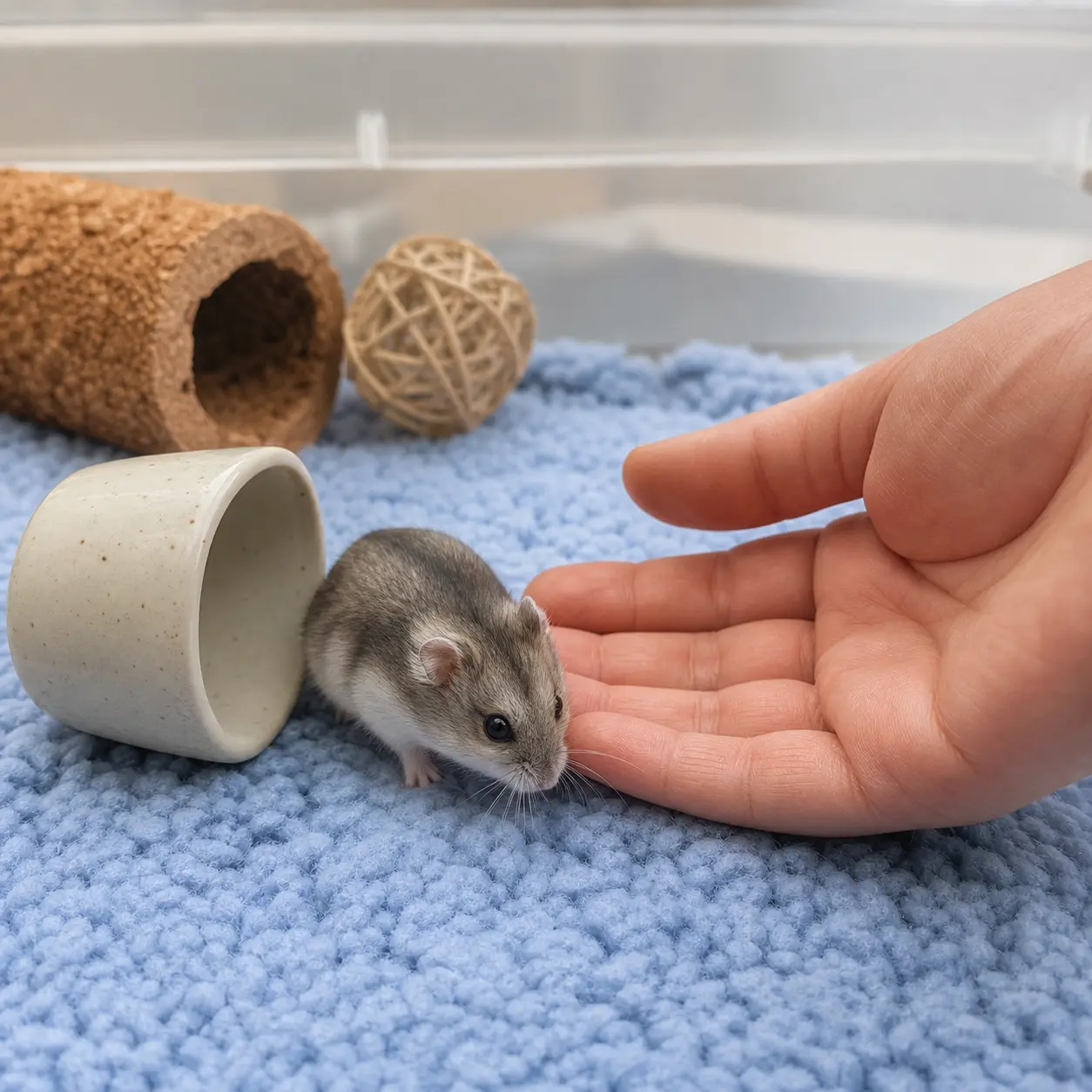
Do not assume small size means a tiny cage is acceptable.
Ask the source about this Chinese Hamster's age, sex, current diet, housing, temperament, handling history, health notes, and any veterinarian or rescue support.
Ask about solitary housing, current bedding depth, wheel size, diet, handling history, bite history, wet-tail history, and escape behavior.
Yes. Chinese hamster is a distinct hamster type, not just a coat or color label. Still start with the dwarf hamster guide unless a qualified source gives more specific care for the individual pet.
Choose by care fit first. If the daily routine, health history, temperament, and source all look good, then the hamster type can be the final preference.