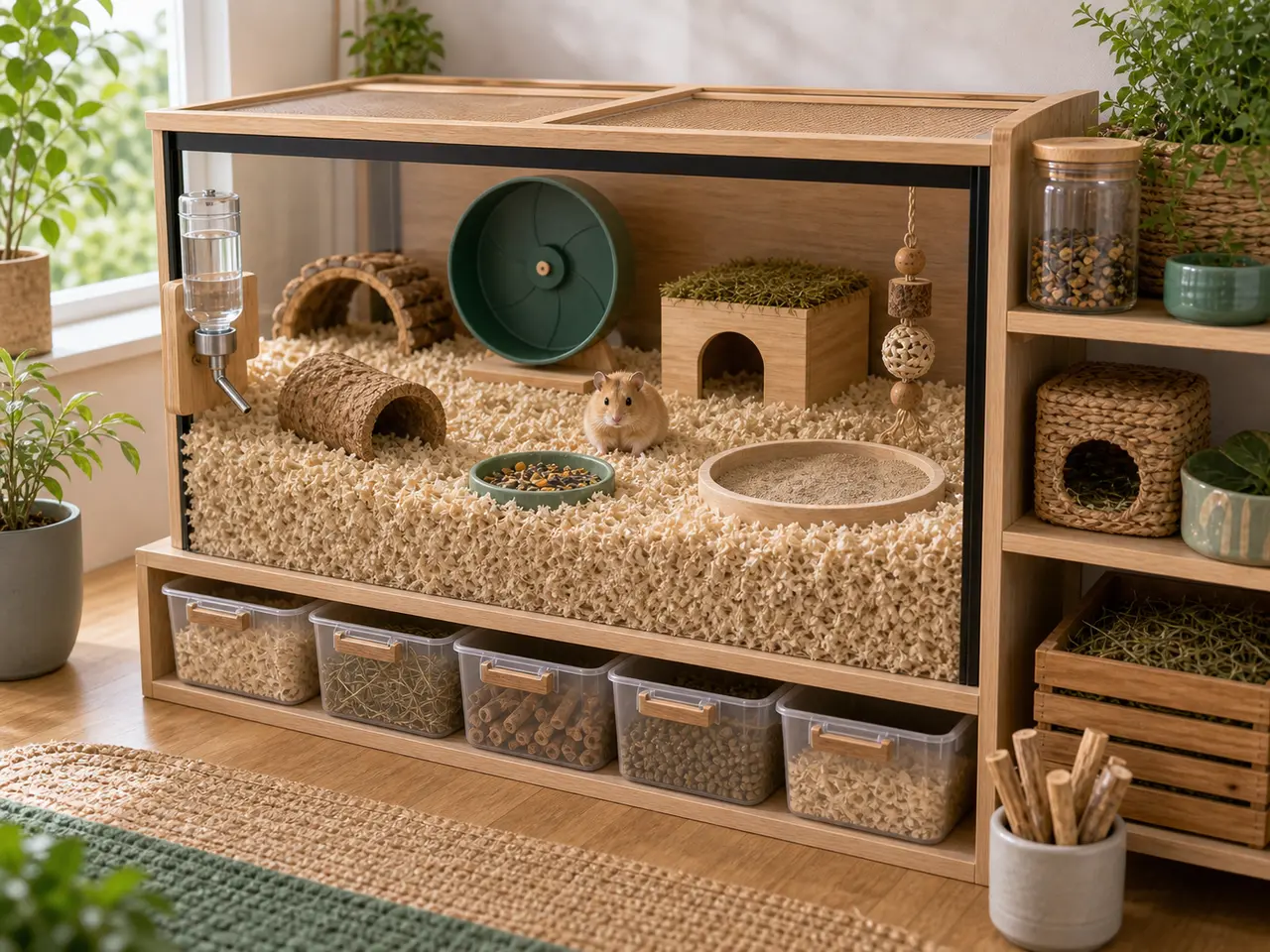
Feed for a tiny body
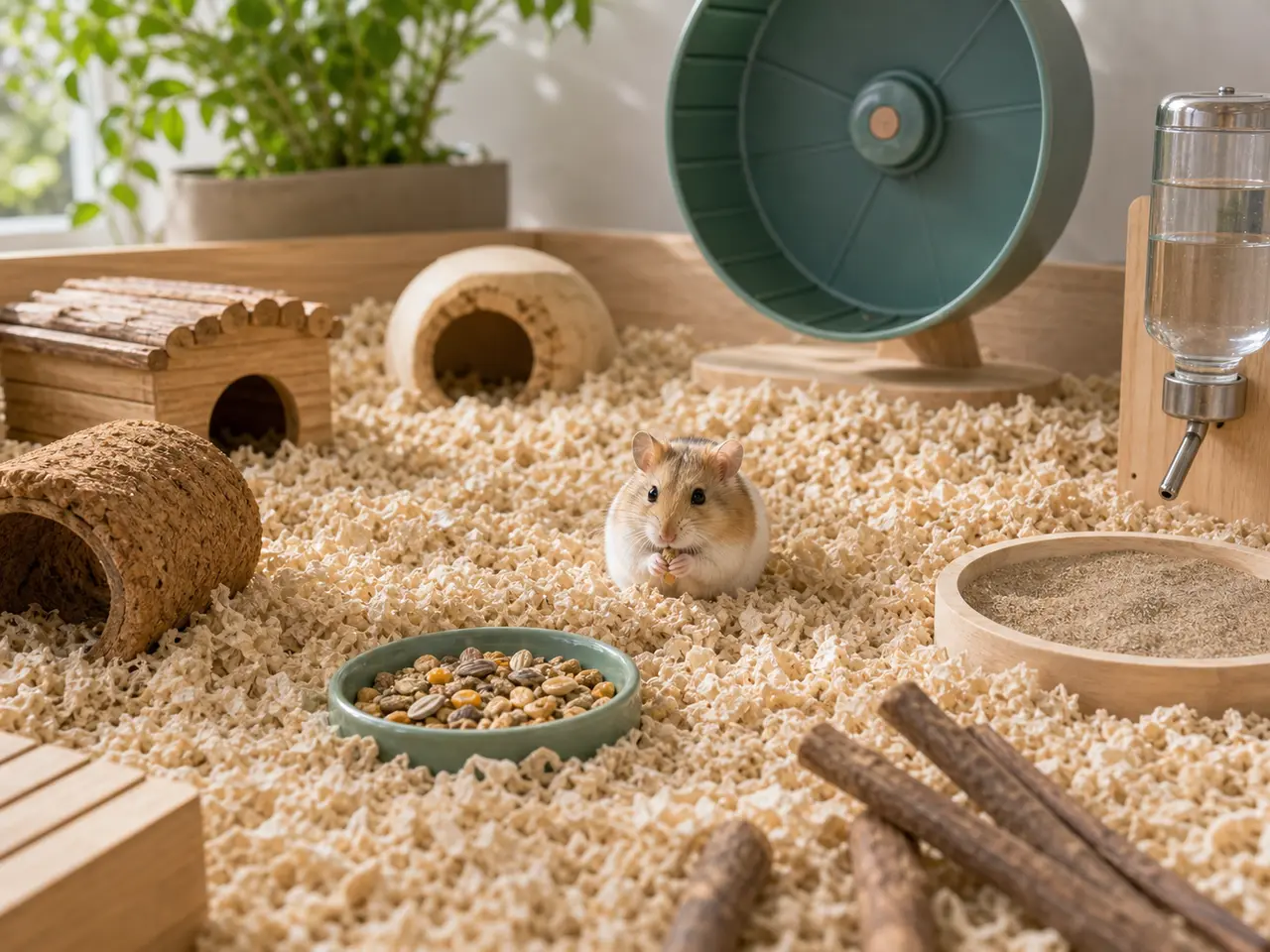
Dwarf hamsters need small measured servings. A bowl that looks modest to a person can still be too much for a tiny animal, especially when favorite pieces are picked out first.
Updated
Dwarf hamster food
Dwarf hamsters need tiny measured portions of a hamster-appropriate staple, careful scatter feeding, clean water, and very cautious sugary extras.
Their bodies are tiny, so a little overfeeding, sugar, or missed water problem matters quickly.
Dwarf hamsters need small measured servings. A bowl that looks modest to a person can still be too much for a tiny animal, especially when favorite pieces are picked out first.
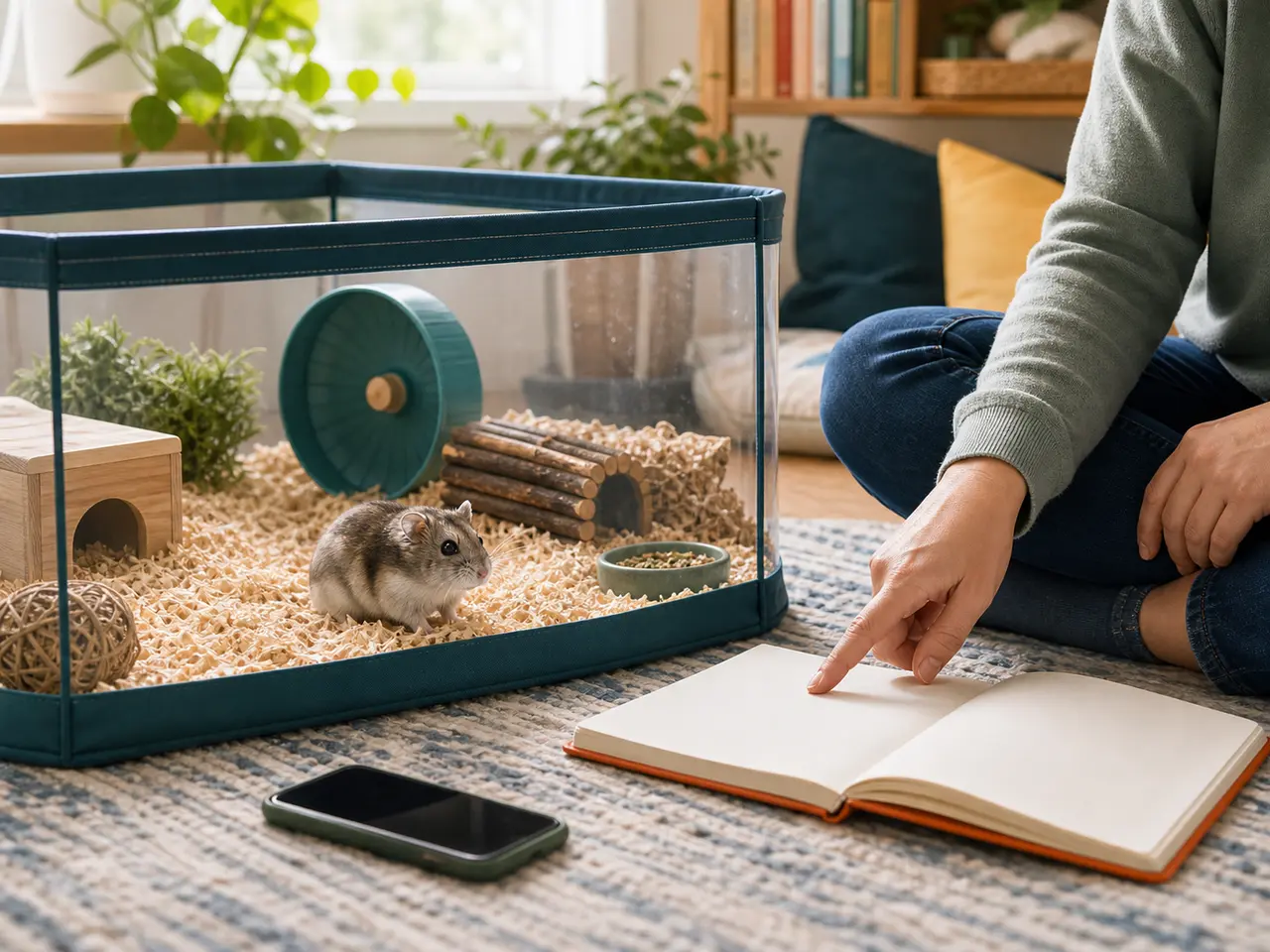
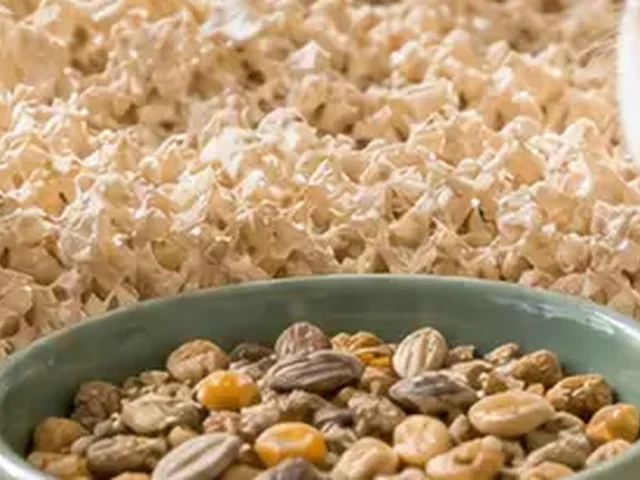
Use a hamster-appropriate staple and avoid turning the diet into loose treats. The goal is steady nutrition, not a bowl where only the sweetest or fattest pieces disappear.
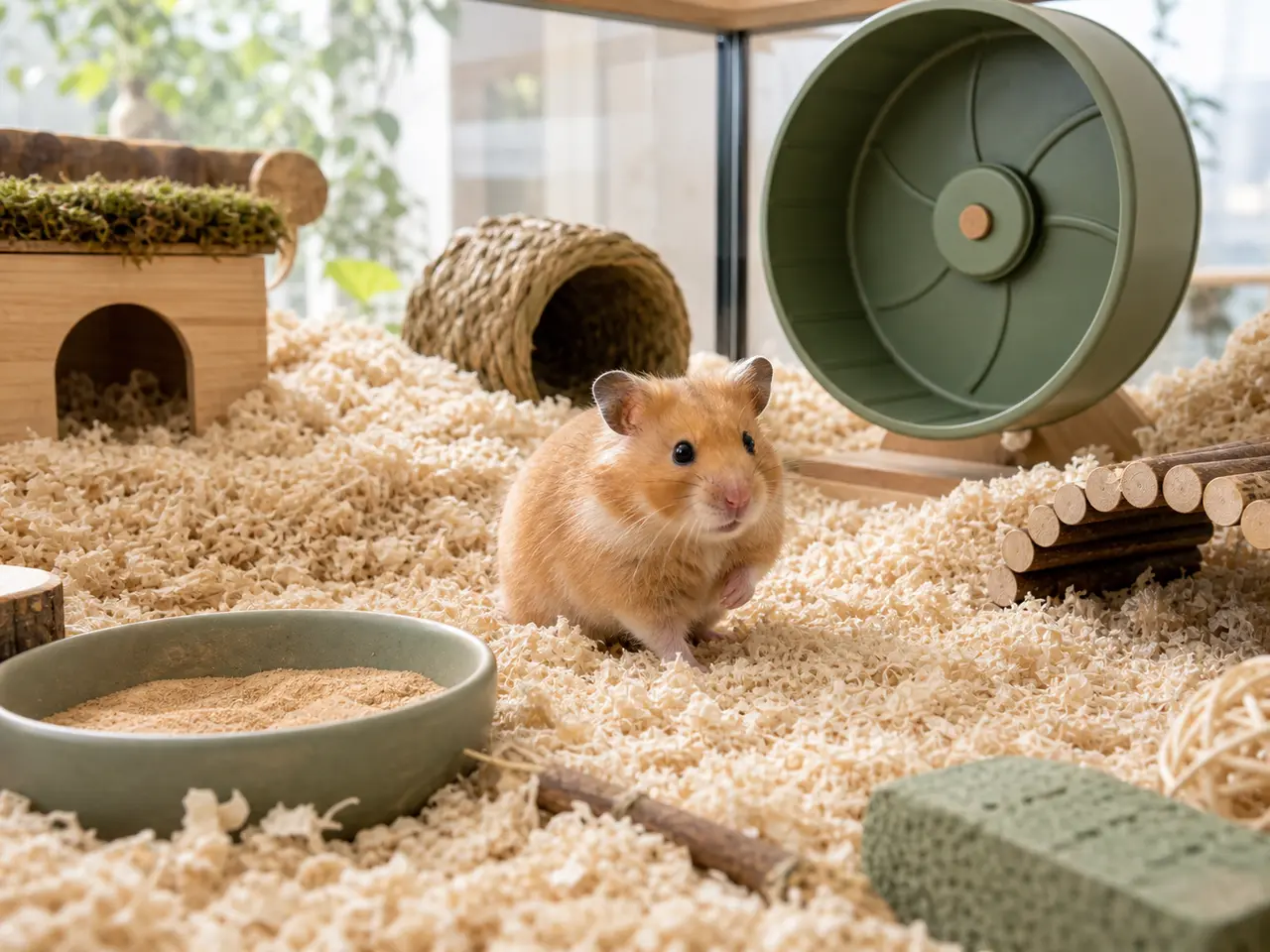
Many dwarf hamster homes do best with very limited fruit and sugary treats. Use safer enrichment, scatter feeding, sand, hides, and tunnels instead of using sweet foods to make the pet more interactive.
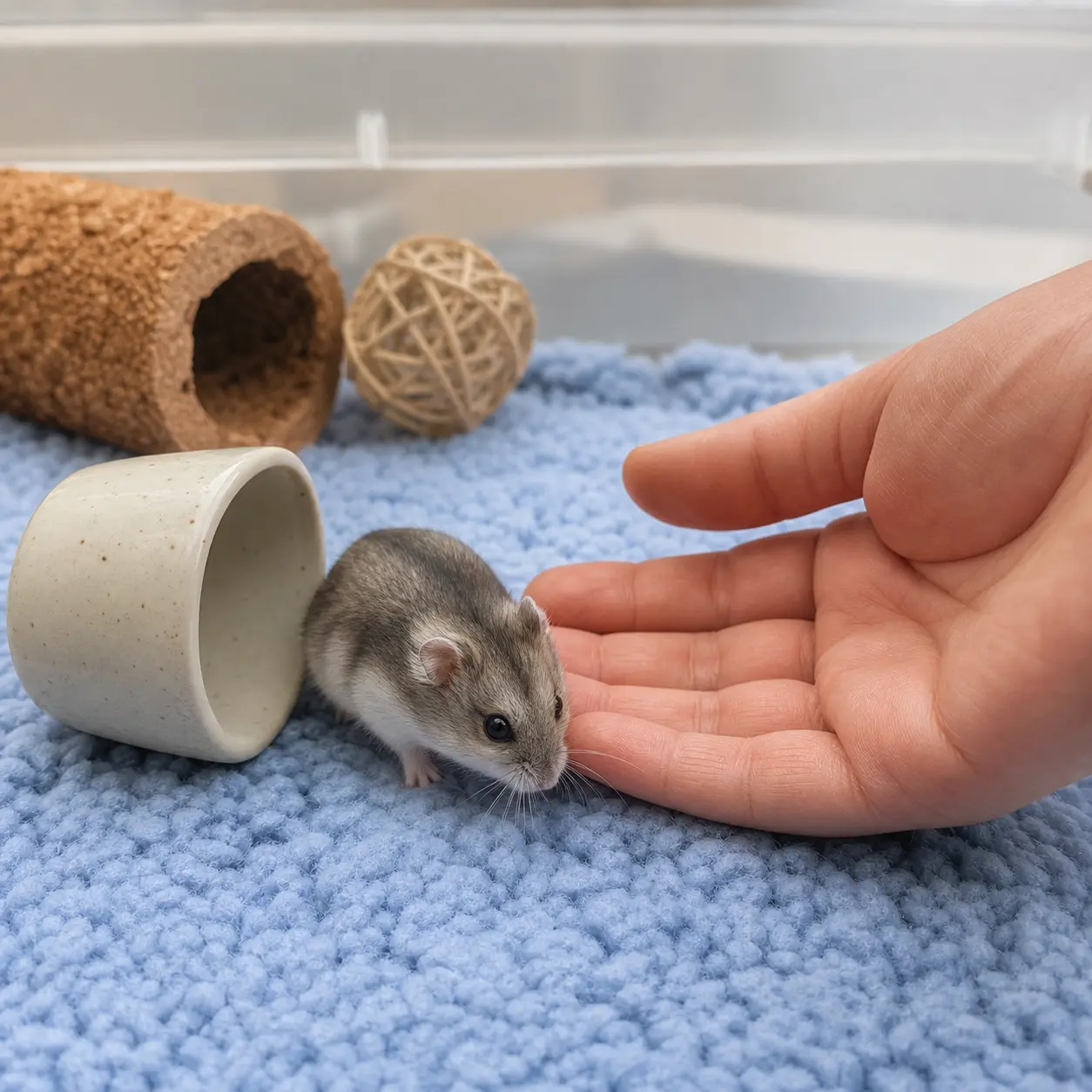
Scatter feeding is useful, but do it in a way that lets you notice appetite and hoarding changes. Remove spoiled fresh food before it disappears into bedding.
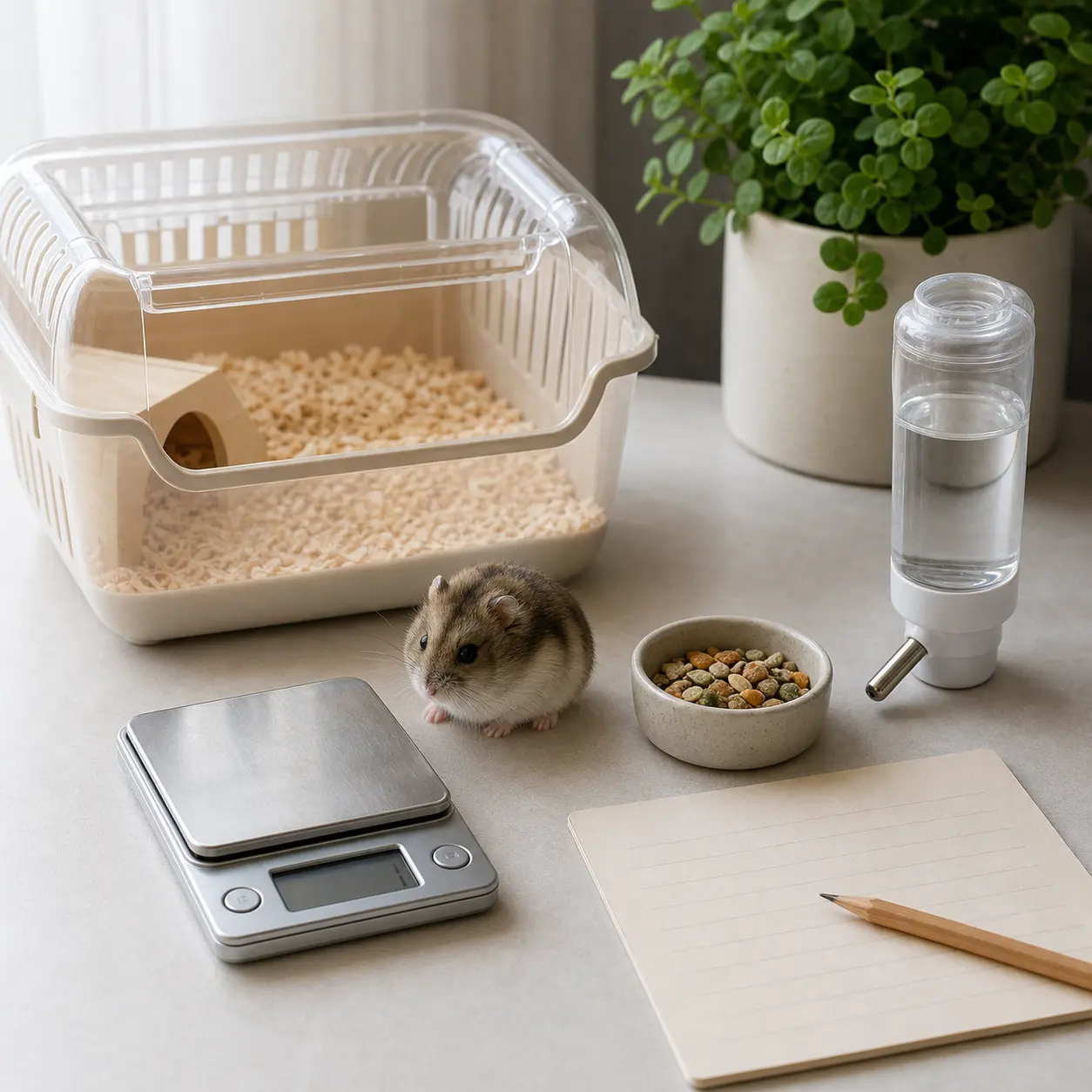
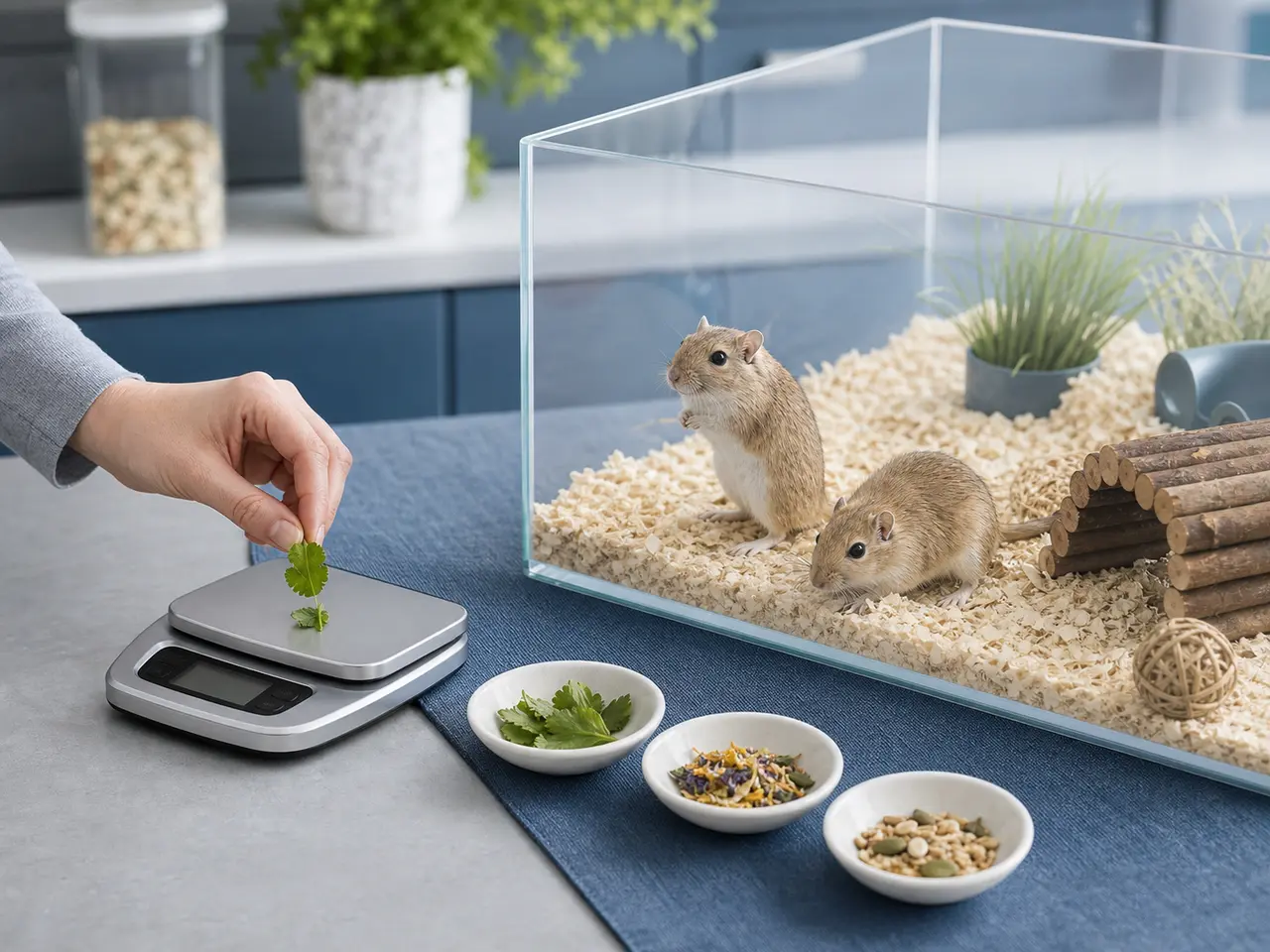
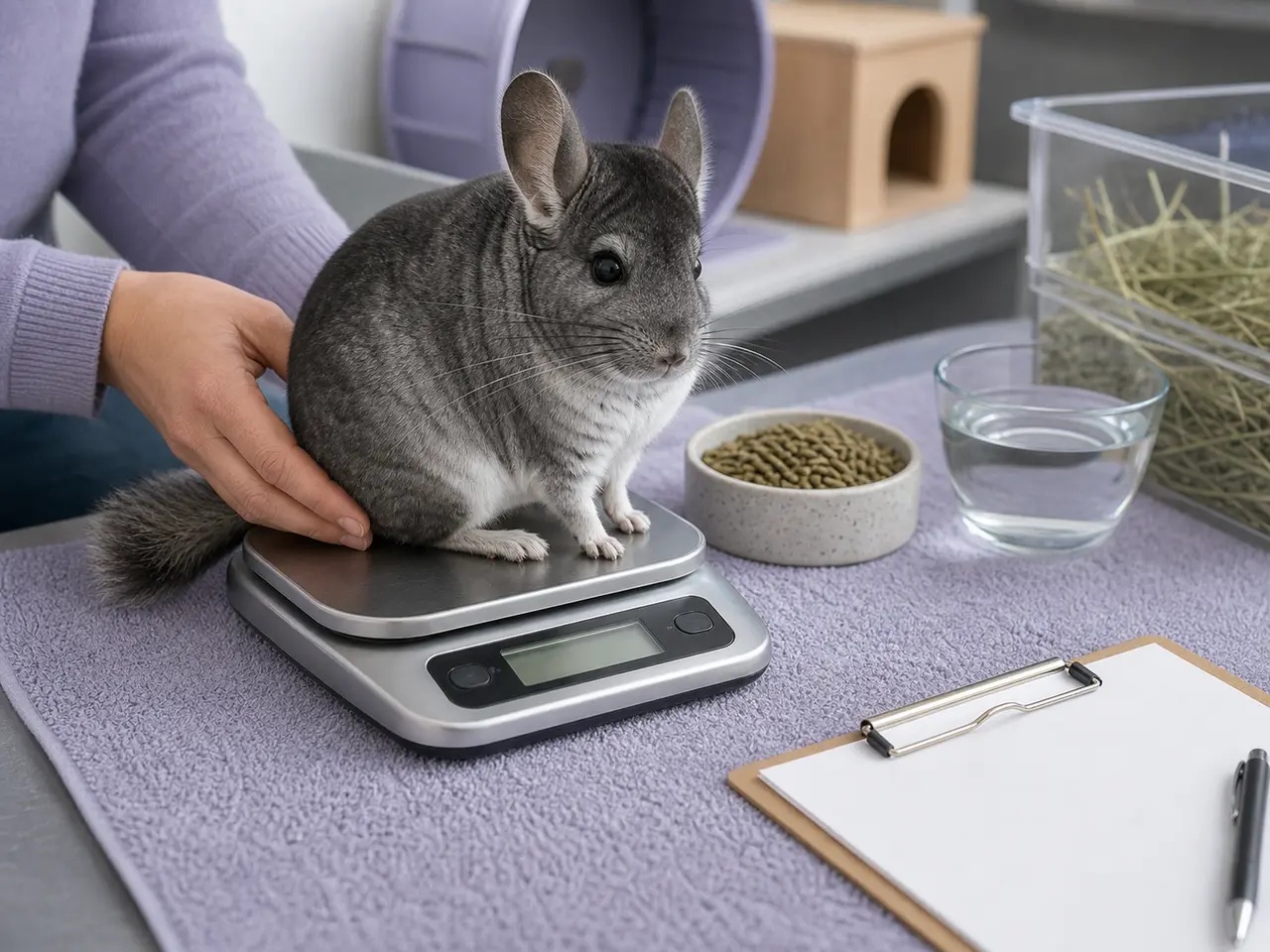
A gram scale and daily water check matter. Weight loss, weakness, poor coat, wet-tail signs, unusual thirst, or not eating should move quickly to an exotic-pet veterinarian.
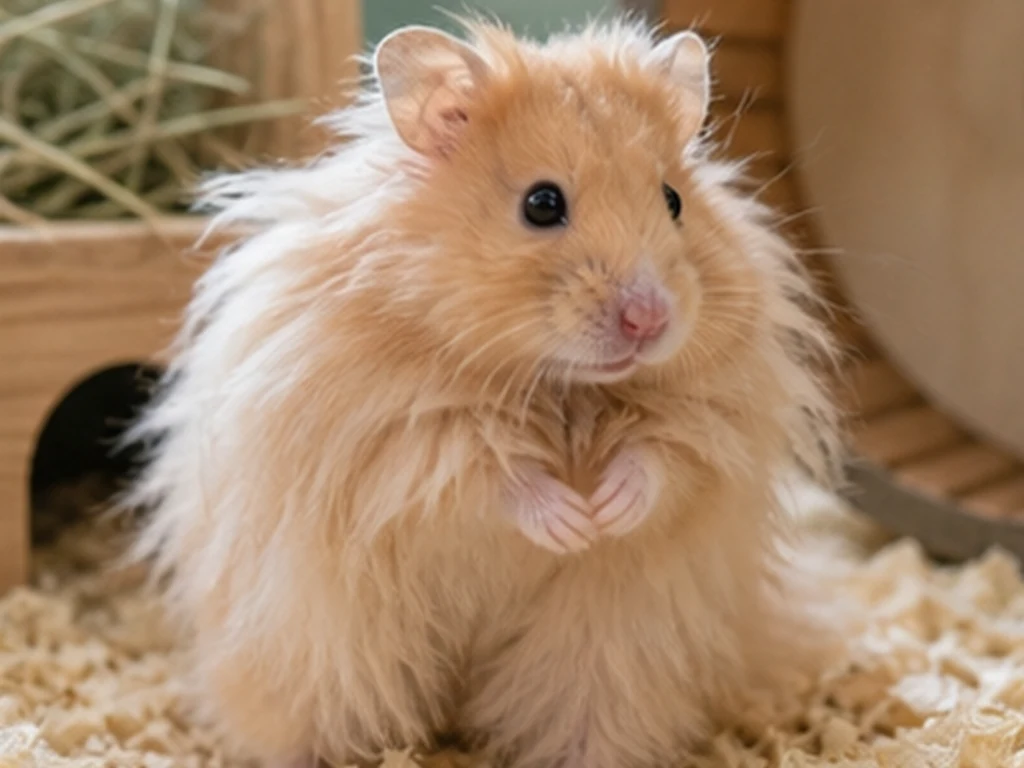
Check new extras first, keep portions tiny, and be especially cautious with sugary foods. Keep the normal staple steady and test one change at a time.
Write notes beside the habitat: portion, water, stool or droppings, weight, cleaning changes, and behavior after the food. If appetite drops, diarrhea appears, breathing changes, or the animal seems painful, call an exotic-pet veterinarian instead of trying another treat.
Optional supplies that support the care routine after the species needs are clear.
Affiliate links: Furball Cove may earn from qualifying purchases at no extra cost to you.
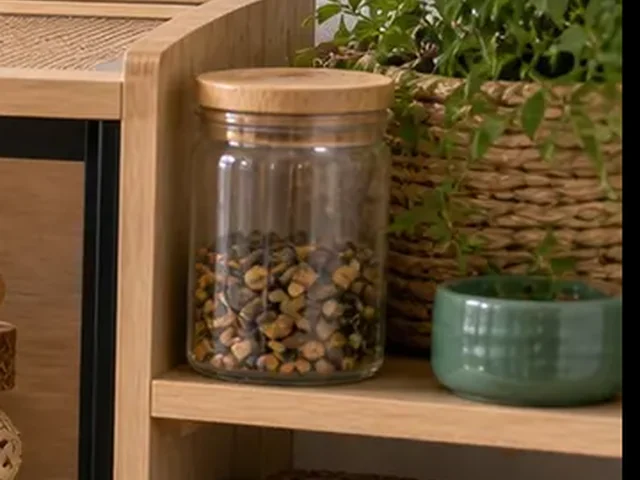
Keeps dwarf hamster food sealed and labeled so sugary extras stay separate from the staple mix.
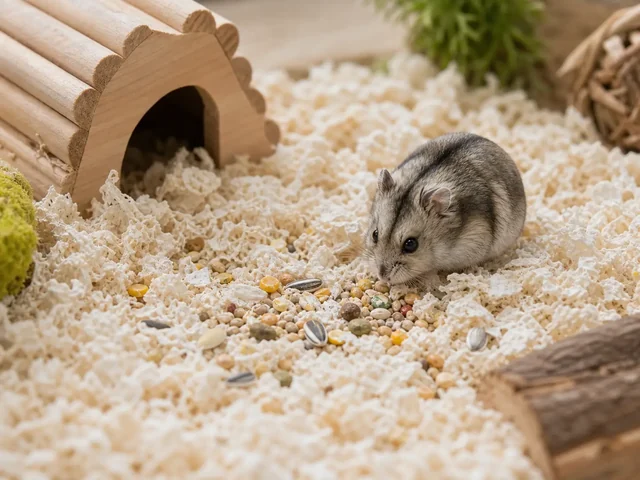
Lets you scatter a tiny measured dry portion where a dwarf hamster can forage without hiding wet food.
Keeps the smallest fresh extras visible so sugary or wet foods do not vanish into a stash.