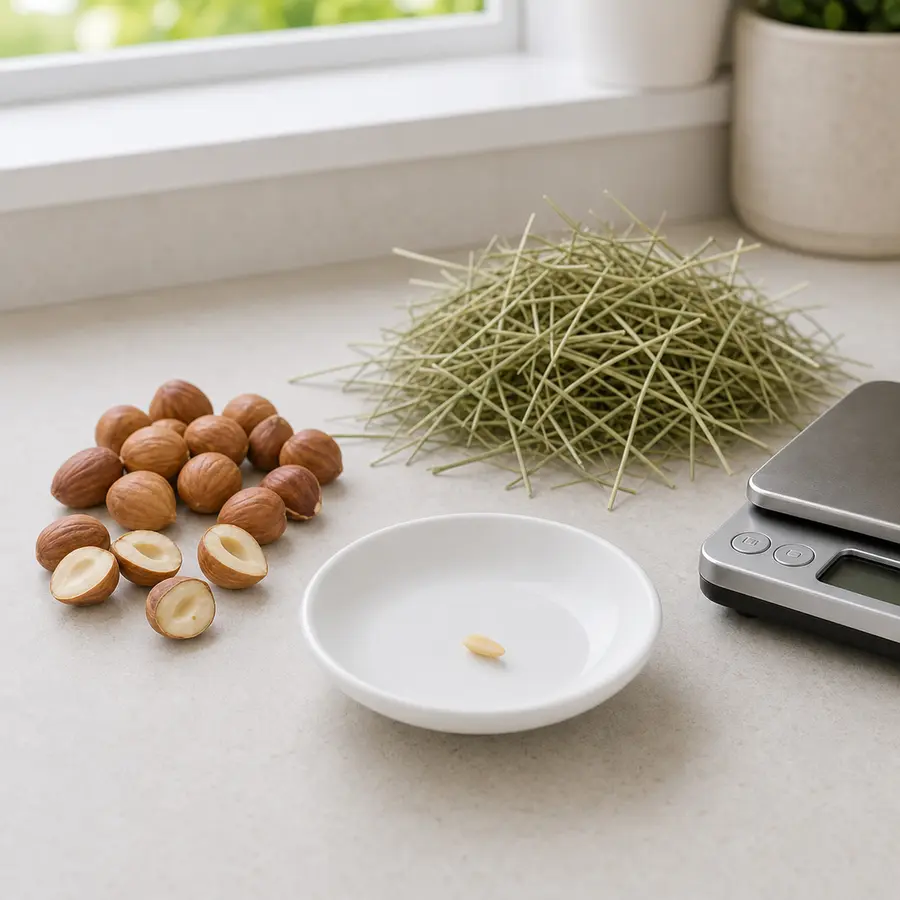
Updated
Small mammal food safety
Can Small Mammals Eat Cashews?
Use caution
Cashews are rich nuts, not a staple. Some healthy hamsters, rats, mice, or gerbils may have a tiny plain sliver rarely; guinea pigs, chinchillas, and ferrets should skip them.
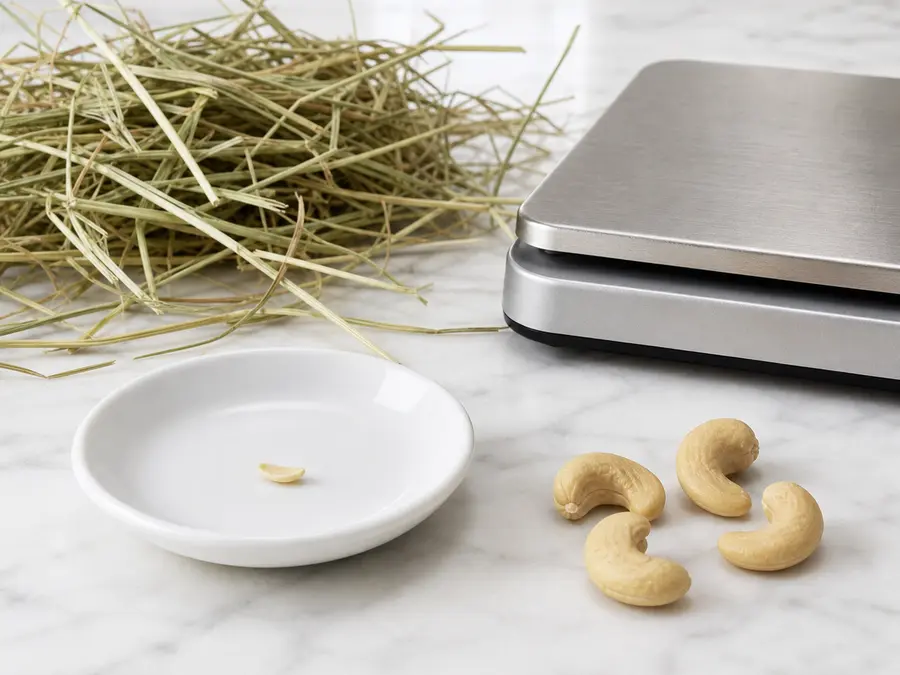 Cashews
Guinea pigs
Skip nuts
Cashews do not help guinea pigs. Keep hay, vitamin C foods, fresh water, and guinea-pig pellets central.
Syrian and dwarf hamsters
Rare sliver
A healthy hamster may have a tiny plain cashew sliver rarely, but it should not become a favorite-piece routine.
Rats
Rare sliver
A rat may have a tiny plain cashew sliver as an occasional extra if the balanced staple is still being eaten.
Mice
Tiny crumb
At mouse size, a cashew crumb is enough. Use it rarely and remove stored pieces.
Gerbils
Rare sliver
A gerbil may have a tiny plain sliver rarely, not a seed-heavy bowl or daily nut treat.
Chinchillas
Skip nuts
Chinchillas should skip cashews; rich nuts are a poor fit for a hay-centered digestive routine.
Ferrets
Do not feed
Do not feed cashews to ferrets. Ferrets need meat-based food, not nuts.
A sliver is the portion
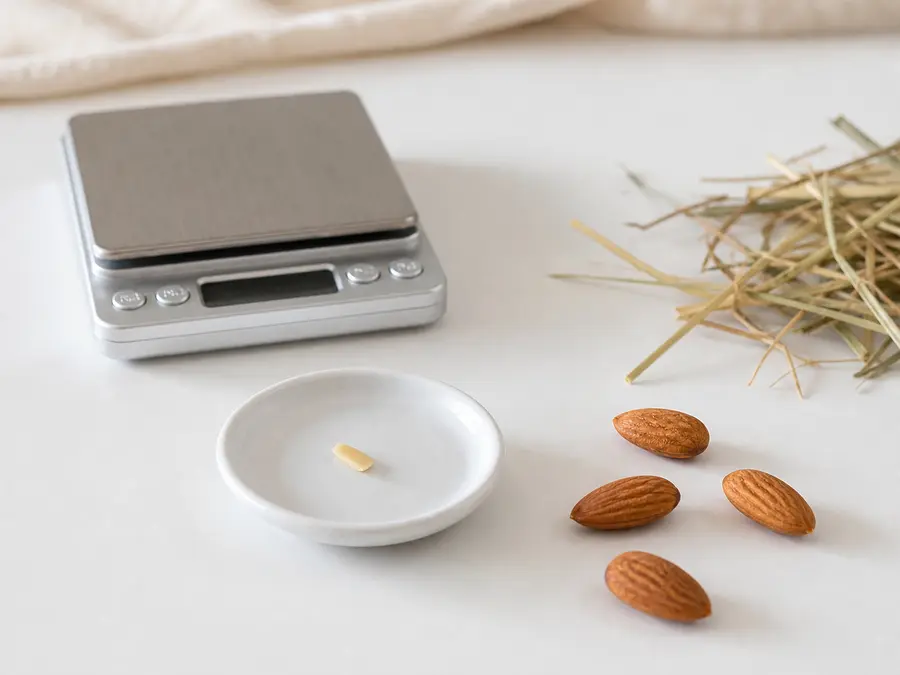
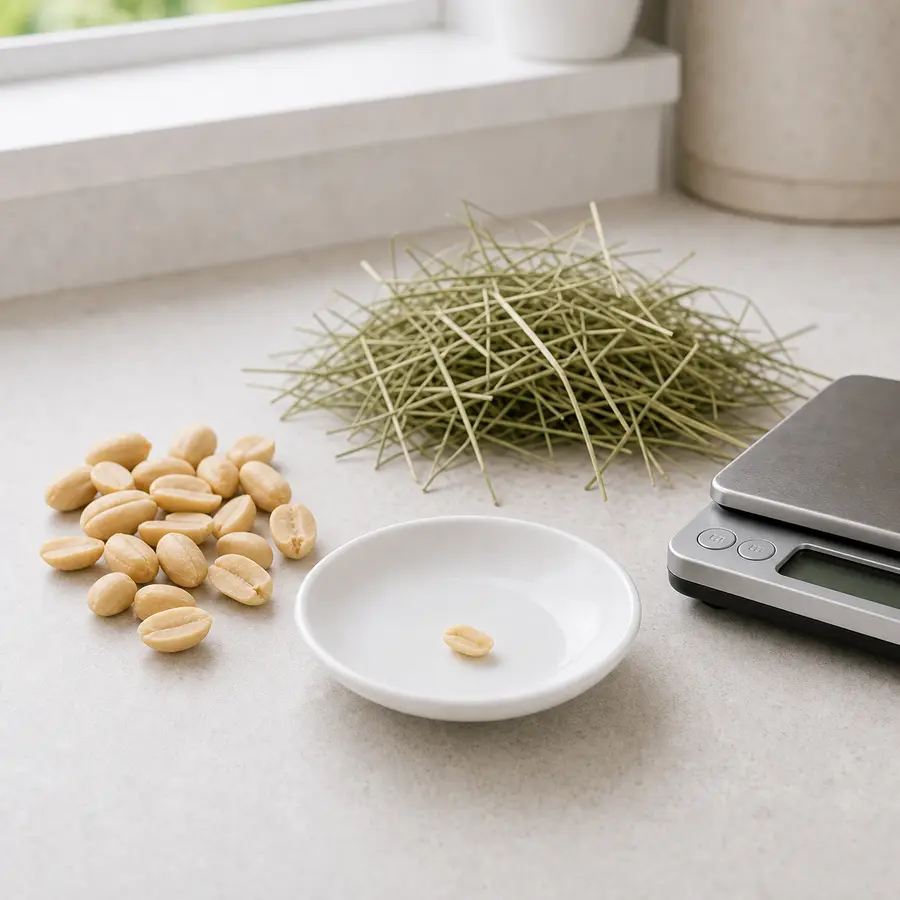
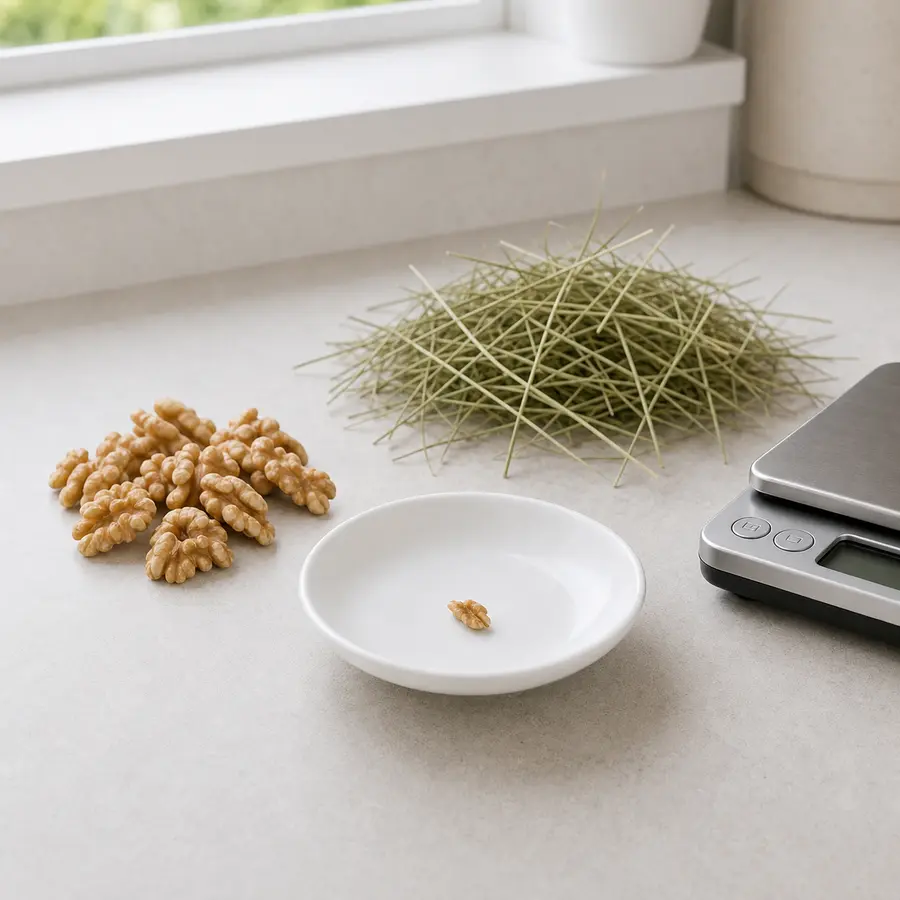
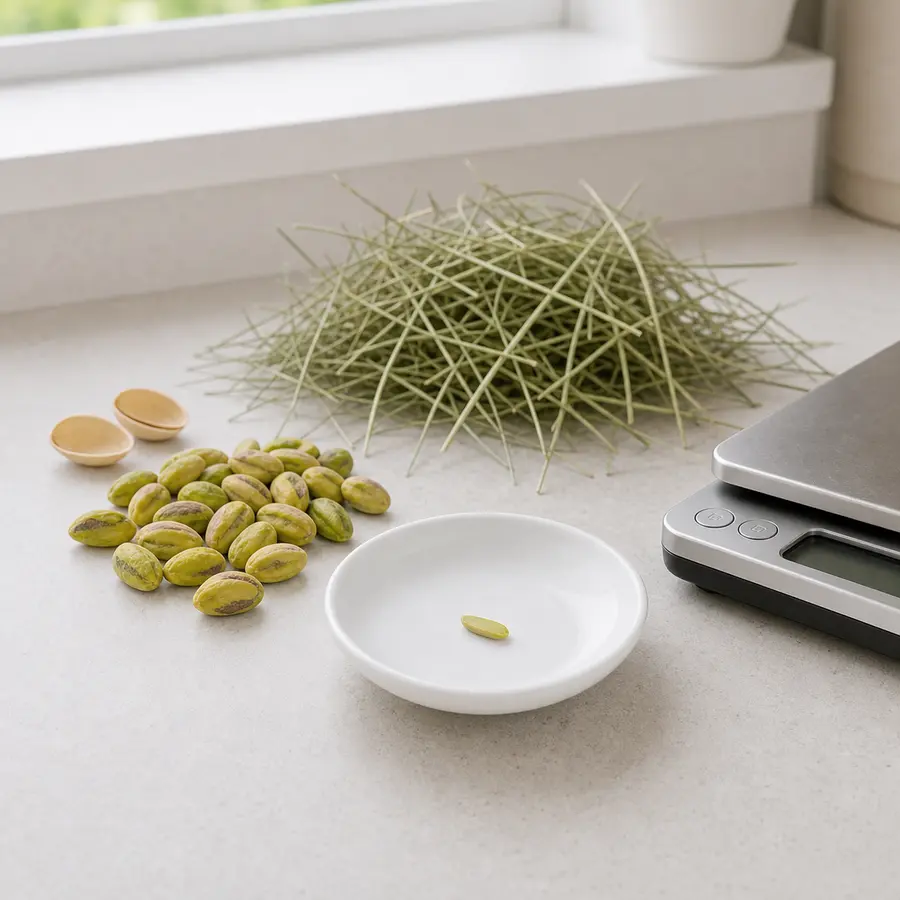
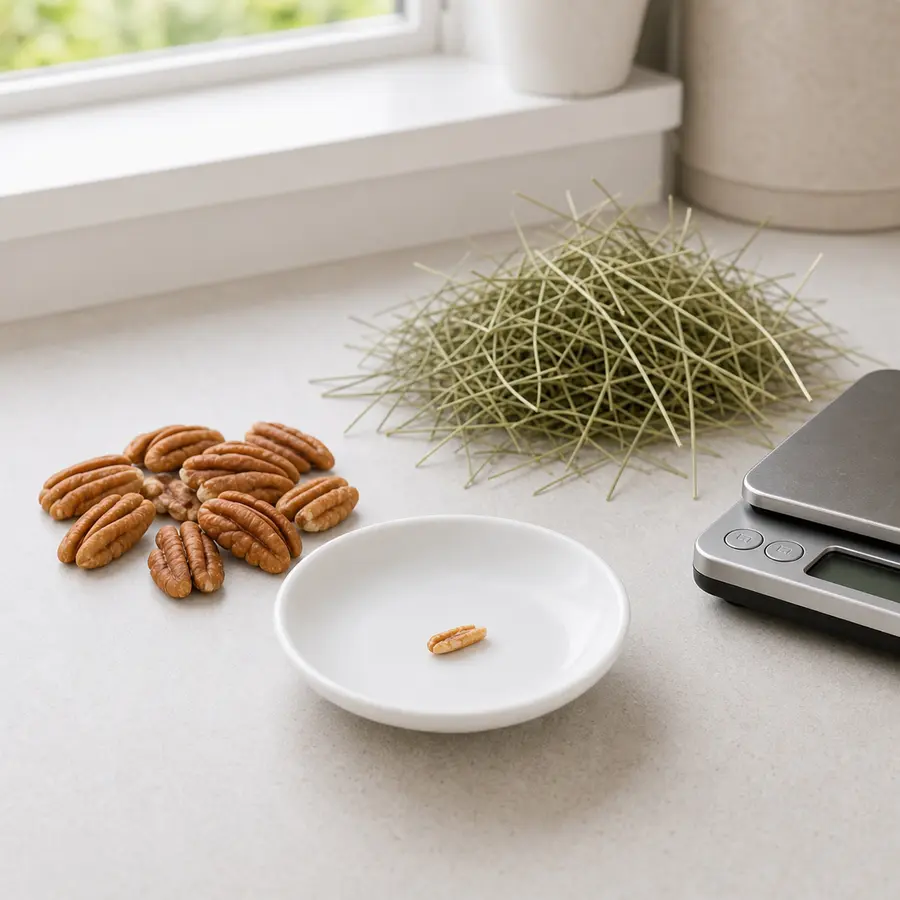
A whole cashew is too much for the small animals that can have nuts at all. Break off a tiny piece and stop there.
Watch selective feeding
If the animal waits for nuts and ignores the staple, remove nut extras and reset the normal diet.
Use a plain sliver
- Use plain unsalted cashew only; break off a sliver instead of offering a whole nut.
- Keep cashews rare so the animal still eats the balanced staple.
- Check bedding and hoards afterward because high-fat treats are easy to hide.
Avoid
- Salted, oil-roasted, honey-roasted, flavored, chocolate-covered, buttered, stale, rancid, or moldy cashews.
- Whole cashews, nut mixes, trail mix, and daily nut treats.
- Cashews for guinea pigs, chinchillas, ferrets, overweight animals, or animals with appetite, stool, dental, urinary, or digestive concerns.
Watch
- Soft stool, reduced appetite, fewer droppings, weight gain, greasy bedding, hidden cashew pieces, quietness, or any sign after salted or stale cashews.
- Call an exotic-pet veterinarian promptly for a large amount, abnormal signs, moldy nuts, or a guinea pig or chinchilla eating less.
Portion
Hamsters, rats, or gerbils: one tiny sliver rarely. Mice: a crumb. Guinea pigs, chinchillas, and ferrets: none.
Helpful food-safety supplies
Optional tools for measuring, storing, serving, and cleaning up small portions safely.
Affiliate links: Furball Cove may earn from qualifying purchases at no extra cost to you.