Updated
Small mammal food safety
Can Small Mammals Eat Cucumber Peel?
Species-specific
Cucumber peel is only a tiny washed extra for animals that can have cucumber. Skip thick, waxed, dirty, or pesticide-suspect peel; chinchillas and ferrets should skip it.
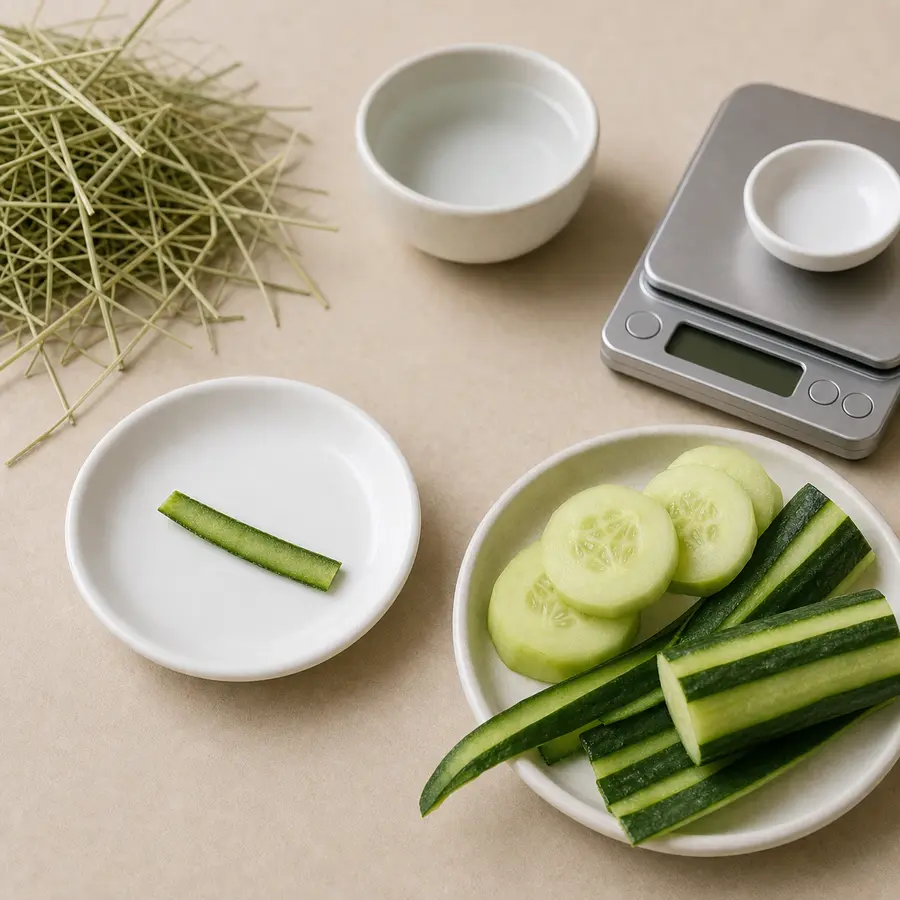 Cucumber peel
Guinea pigs
Tiny washed piece
A guinea pig may have a tiny washed peel-on cucumber piece, but hay and vitamin C foods stay central.
Syrian and dwarf hamsters
Tiny piece
A hamster may have only a tiny washed piece. Check hoards so wet peel does not spoil.
Rats
Small washed piece
A rat may have a small washed peel-on cucumber piece if the normal staple and stool stay steady.
Mice
Tiny crumb
A mouse needs only a tiny washed crumb. Remove leftovers before they dry or get guarded.
Gerbils
Tiny rare piece
A gerbil may have a tiny washed piece rarely, but a drier routine usually works better.
Chinchillas
Skip peel
Do not feed cucumber peel to chinchillas unless an exotic-pet veterinarian gives a specific plan.
Ferrets
Do not feed
Do not feed cucumber peel to ferrets. Ferrets need meat-based food, not vegetable peel.
Peel carries the residue question
The peel is the surface that may hold wax, dirt, or residue. Wash it well and skip anything suspect.
Use it with the cucumber
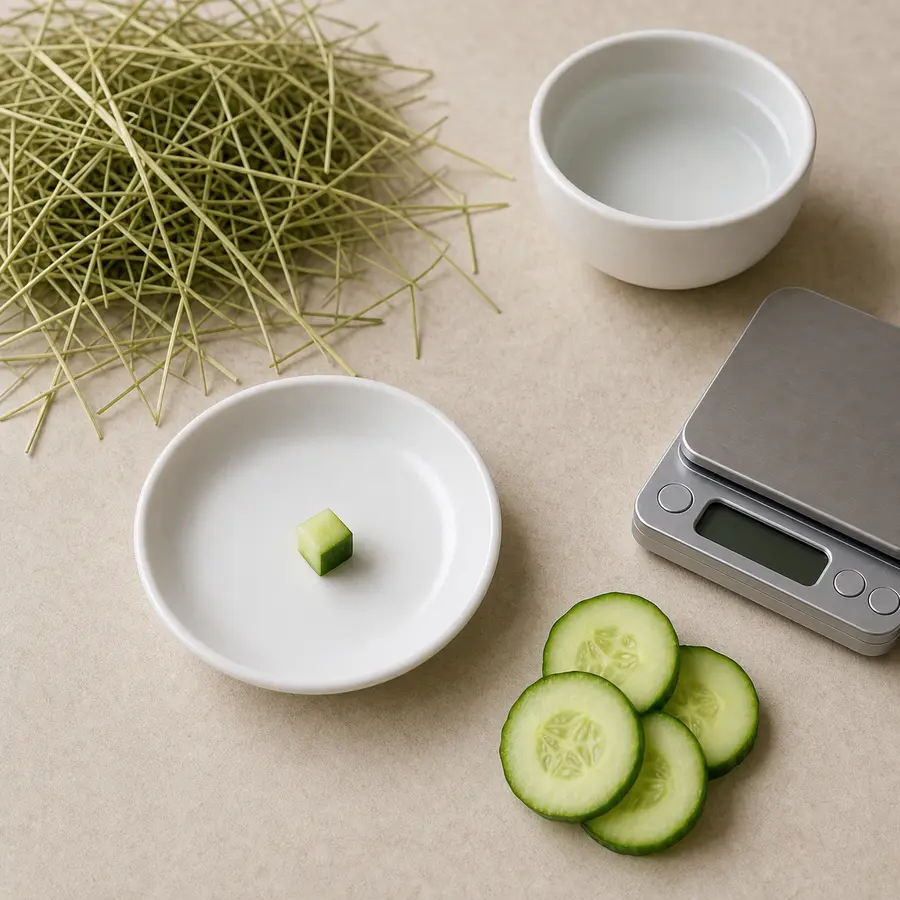
A tiny peel-on piece is easier to manage than loose strips. Loose peel can dry out, hide in bedding, or become a stringy leftover.
Wash the peel first
- Wash cucumber well before cutting a tiny peel-on piece.
- Skip thick, waxed, dirty, bitter, bruised, moldy, or pesticide-suspect peel.
- Remove leftovers before peel strips dry, soak bedding, or get stored in a hoard.
Avoid
- Unwashed peel, waxed peel, bitter peel, pickle peel, salted cucumber skin, dressed salad, onion, garlic, spoiled pieces, and piles of peel strips.
- Cucumber peel for chinchillas, ferrets, or animals with appetite, stool, weight, dental, urinary, or digestive concerns.
- Treating peel as safer than the cucumber itself.
Watch
- Soft stool, reduced appetite, fewer droppings, bloating, wet bedding, quietness, or hidden peel pieces.
- Call an exotic-pet veterinarian promptly if a guinea pig, chinchilla, weak animal, or animal with urinary or digestive signs eats less or seems off.
Portion
Use one tiny peel-on cucumber piece only when the species row allows cucumber. Hamsters, mice, and gerbils need less than guinea pigs or rats.
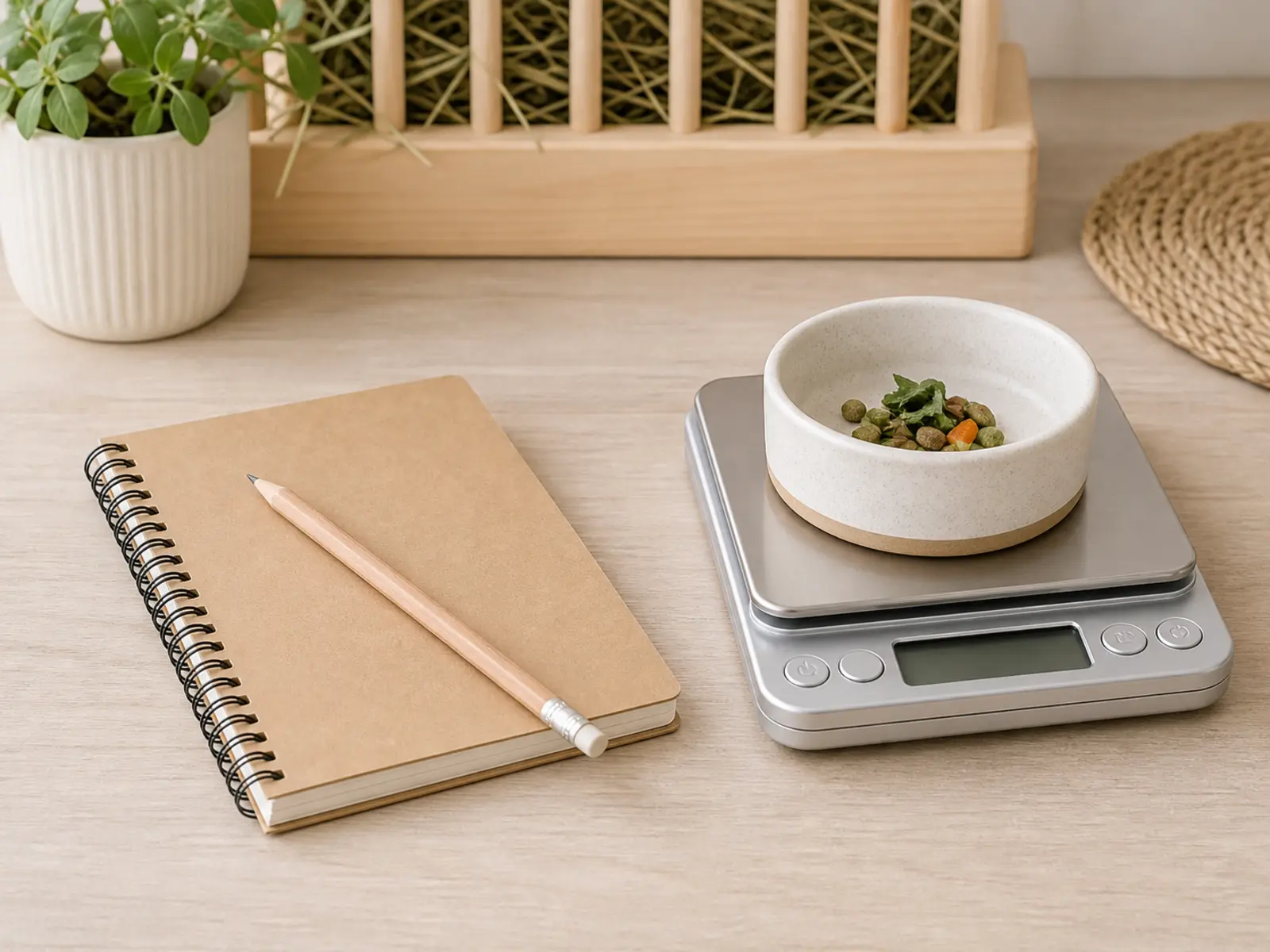
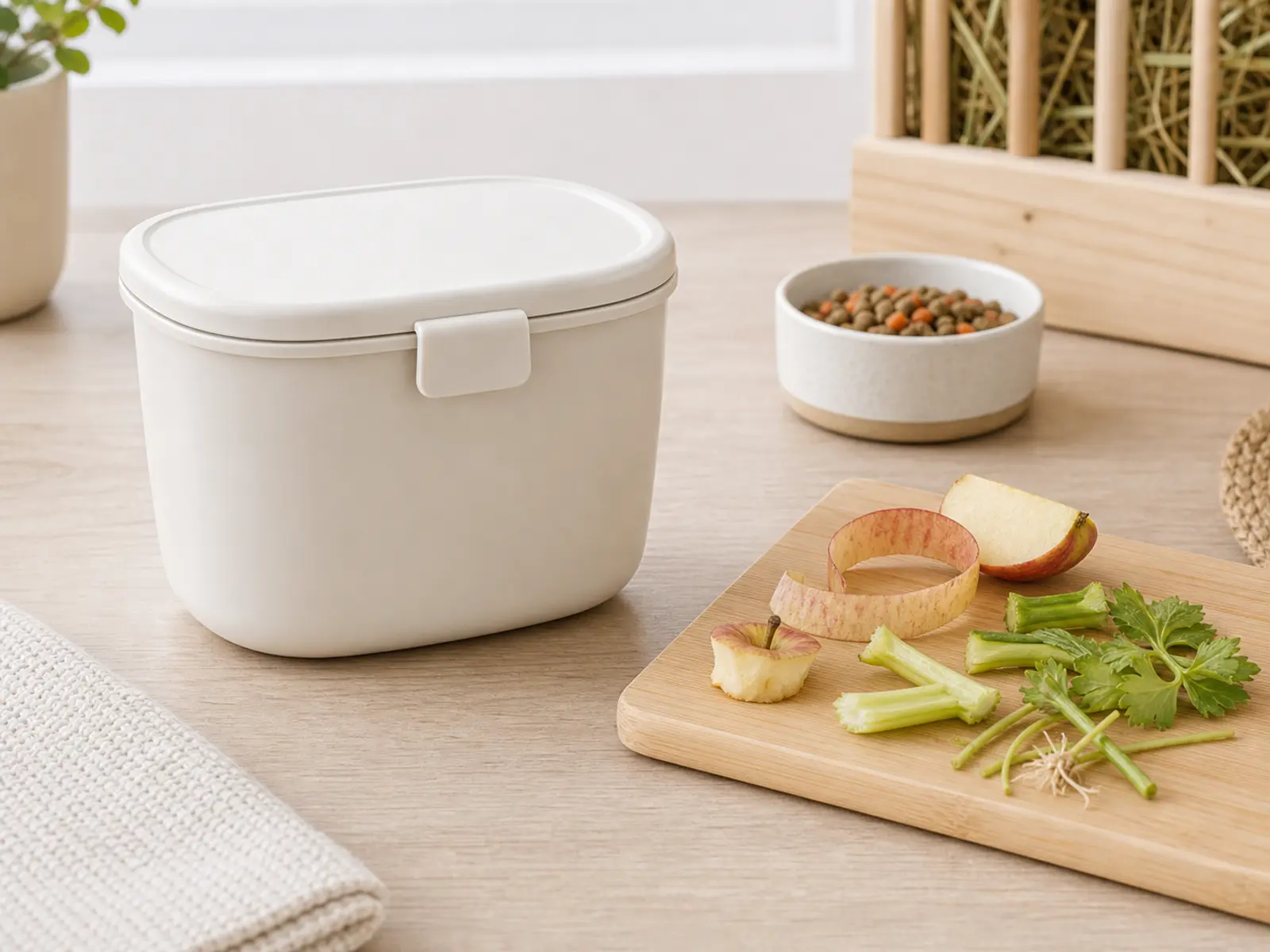
Helpful food-safety supplies
Optional tools for measuring, storing, serving, and cleaning up small portions safely.
Affiliate links: Furball Cove may earn from qualifying purchases at no extra cost to you.