Updated
Small mammal food safety
Can Small Mammals Eat Eggplant?
Avoid
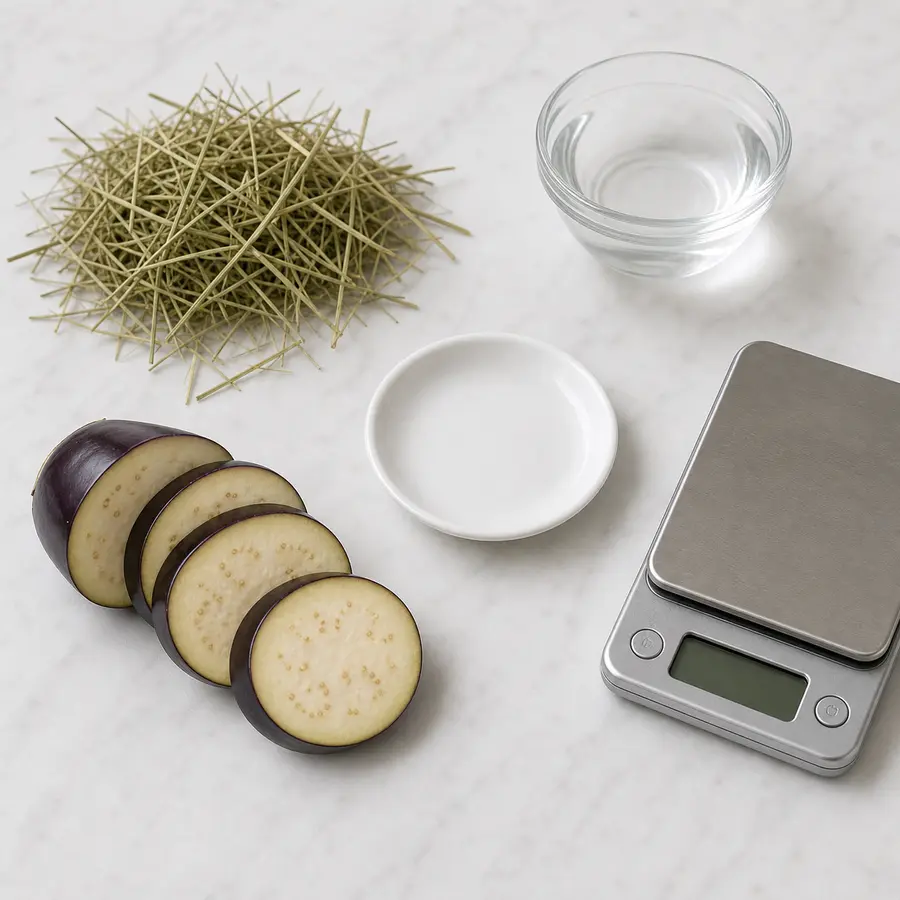
No. Skip eggplant for small mammals. The plant is a nightshade, the leaves and stems are unsafe, and the fruit is not useful enough to risk as a treat.
 Eggplant
Guinea pigs
Skip eggplant
Do not feed eggplant to guinea pigs. Use better-known fresh foods and keep hay, vitamin C foods, pellets, and water central.
Syrian and dwarf hamsters
Skip eggplant
Skip eggplant for hamsters. It is not a useful treat, and plant parts or cooked leftovers add avoidable risk.
Rats
Skip eggplant
Skip eggplant for rats. Plain balanced food and better fresh extras are safer.
Mice
Skip eggplant
Skip eggplant for mice. A tiny animal has little margin for questionable leftovers or plant parts.
Gerbils
Skip eggplant
Skip eggplant for gerbils. Their dry balanced food is safer than a nightshade experiment.
Chinchillas
Do not feed
Do not feed eggplant to chinchillas. It is a poor fit for hay-centered digestion.
Ferrets
Do not feed
Do not feed eggplant to ferrets. Ferrets need meat-based food, not vegetables.
The plant parts matter
Eggplant leaves, stems, flowers, and plant scraps should stay away from small mammals. Do not let cage-side nibbling happen.
There are better choices
A questionable vegetable is not worth testing when species-safe foods are easier to identify and portion.
Keep it out
- Remove raw eggplant, cooked eggplant, peel, leaves, stems, plant pieces, and leftovers from the cage and play area.
- Check whether the animal ate plain fruit, cooked oily food, leaves, stems, or a large amount.
- Return to the normal diet and offer plain water.
Avoid
- Eggplant leaves, stems, flowers, plant material, raw eggplant, cooked eggplant, fried eggplant, seasoned eggplant, sauces, oil, garlic, onion, salt, and leftovers.
- Eggplant for guinea pigs, chinchillas, ferrets, very small animals, or animals with appetite, stool, weight, dental, urinary, or digestive concerns.
- Treating eggplant like bell pepper or tomato; nightshade foods do not share one rule.
Watch
- Reduced appetite, fewer droppings, soft stool, bloating, quietness, drooling, weakness, breathing changes, or plant-part exposure.
- Contact an exotic-pet veterinarian promptly if leaves or stems were eaten, the amount was large, or any abnormal sign appears.
Helpful food-safety supplies
Optional tools for measuring, storing, serving, and cleaning up small portions safely.
Affiliate links: Furball Cove may earn from qualifying purchases at no extra cost to you.