Updated
Small mammal food safety
Can Small Mammals Eat Fruit Pits?
Call for exposure
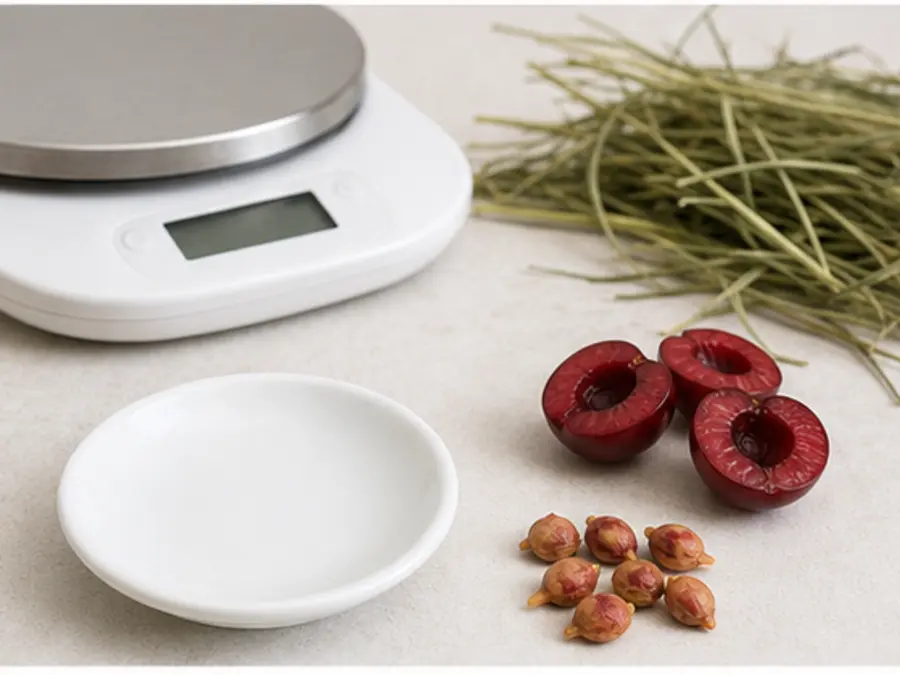
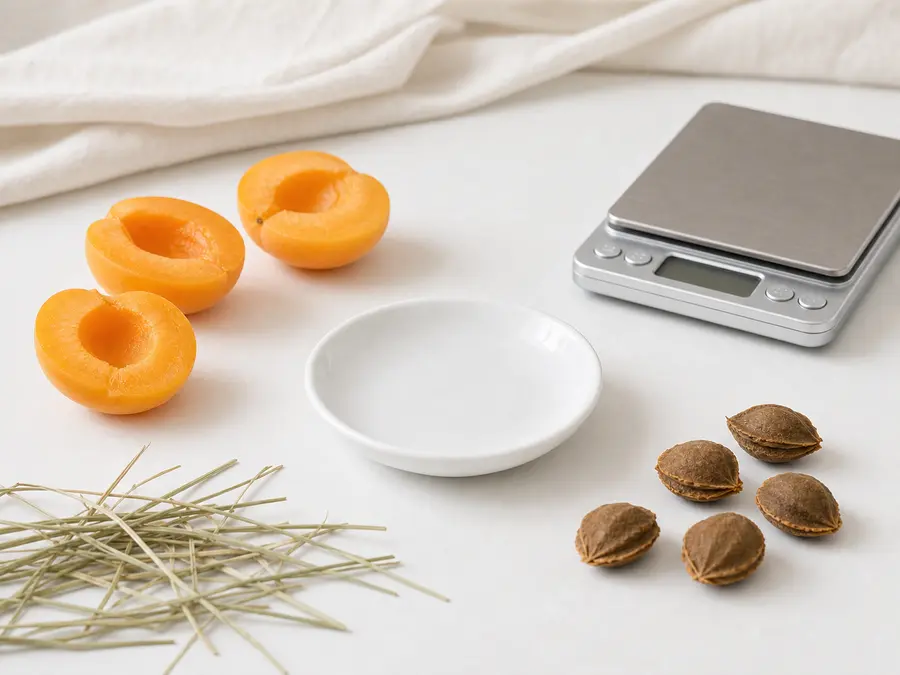
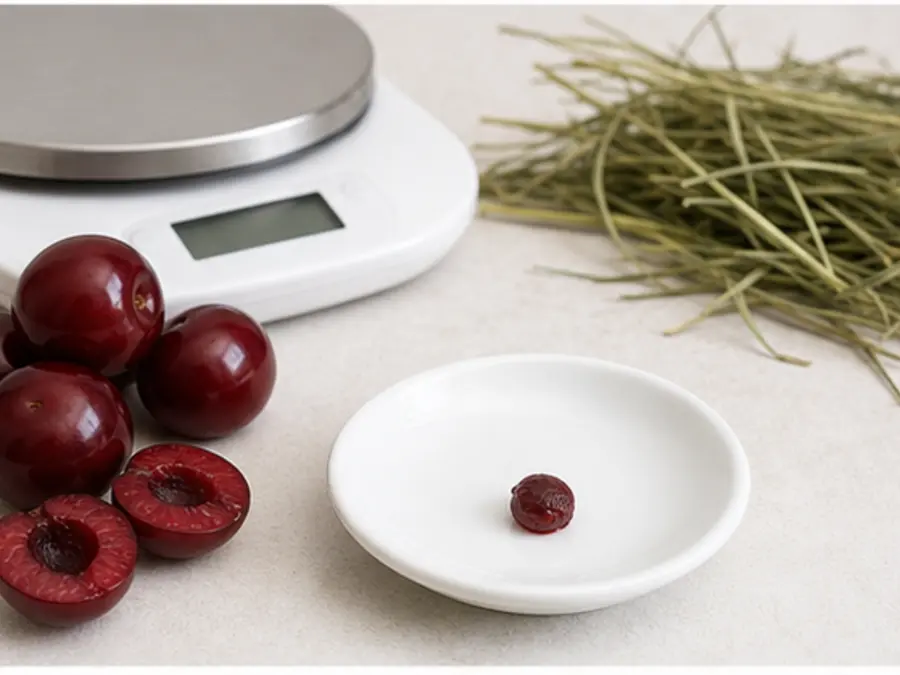
No. Keep fruit pits away from small mammals. If a cherry, peach, apricot, plum, nectarine, or other hard pit was chewed or swallowed, remove it and call an exotic-pet veterinarian or poison hotline.
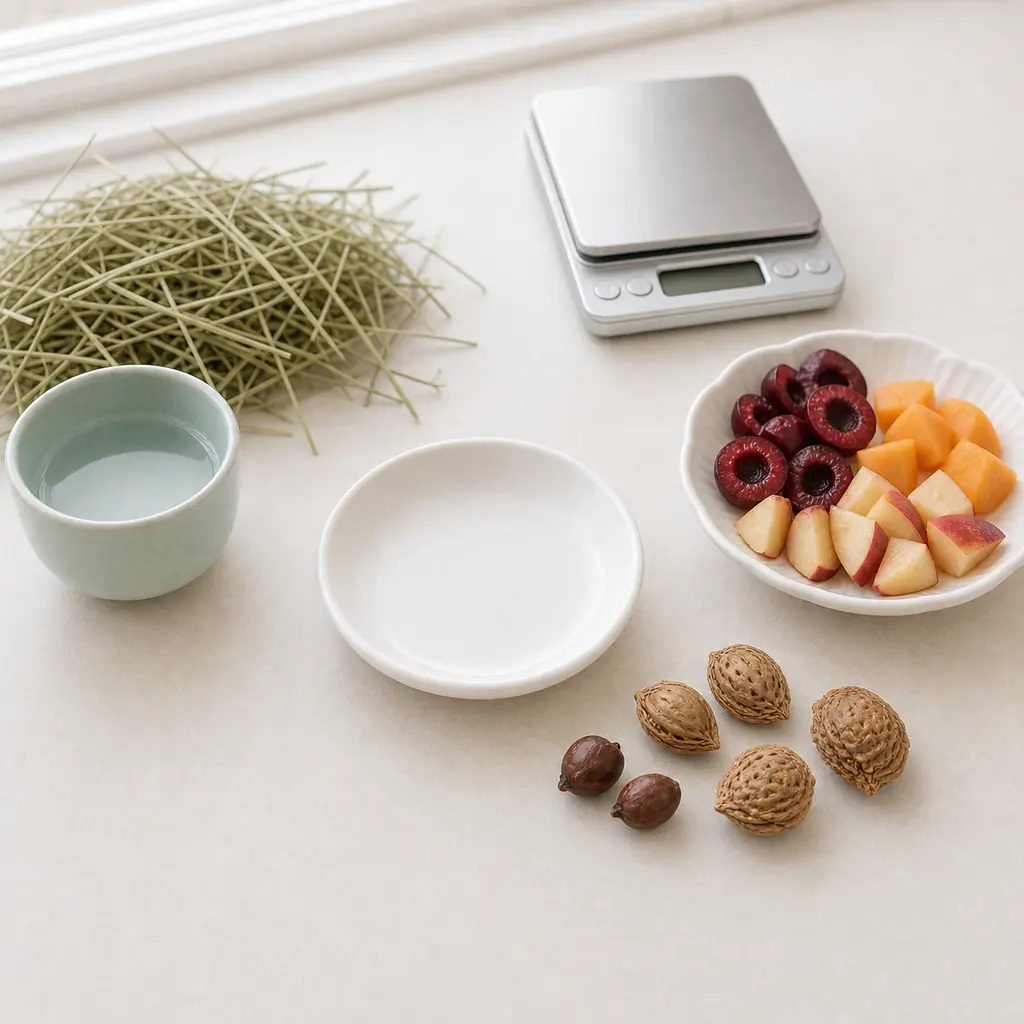 Fruit pits
Call before guessing
If any small mammal chewed or swallowed a fruit pit, cracked pit, stone, or pit fragment, call an exotic-pet veterinarian or poison hotline with the species, weight, fruit type, amount, time, and symptoms.
Guinea pigs
Call if exposed
Do not feed fruit pits to guinea pigs. If a fruit pit, cracked pit, stone, or pit fragment was chewed or swallowed, remove access and call with the species, weight, fruit type, amount, time, and symptoms.
Syrian and dwarf hamsters
Call if exposed
Do not feed fruit pits to Syrian and dwarf hamsters. If a fruit pit, cracked pit, stone, or pit fragment was chewed or swallowed, remove access and call with the species, weight, fruit type, amount, time, and symptoms.
Rats
Call if exposed
Do not feed fruit pits to rats. If a fruit pit, cracked pit, stone, or pit fragment was chewed or swallowed, remove access and call with the species, weight, fruit type, amount, time, and symptoms.
Mice
Call if exposed
Do not feed fruit pits to mice. If a fruit pit, cracked pit, stone, or pit fragment was chewed or swallowed, remove access and call with the species, weight, fruit type, amount, time, and symptoms.
Gerbils
Call if exposed
Do not feed fruit pits to gerbils. If a fruit pit, cracked pit, stone, or pit fragment was chewed or swallowed, remove access and call with the species, weight, fruit type, amount, time, and symptoms.
Chinchillas
Call if exposed
Do not feed fruit pits to chinchillas. If a fruit pit, cracked pit, stone, or pit fragment was chewed or swallowed, remove access and call with the species, weight, fruit type, amount, time, and symptoms.
Ferrets
Call if exposed
Do not feed fruit pits to ferrets. If a fruit pit, cracked pit, stone, or pit fragment was chewed or swallowed, remove access and call with the species, weight, fruit type, amount, time, and symptoms.
This is an exposure item
Hard pits can create choking, mouth injury, obstruction, and plant-chemical concerns. Do not test a smaller piece.
Details help the call
The fruit type, whether the pit was cracked, and how much is missing are more useful than guessing from early signs.
If exposure happened
- Remove pits, cracked pits, fragments, stems, fruit scraps, wrappers, and contaminated bedding or food.
- Keep the animal contained and calm while you call.
- Save the fruit type, package, pit fragments, amount missing, time, species, weight, and symptoms.
Avoid
- Cherry, peach, apricot, plum, nectarine, mango, date, olive, and other hard pits, stones, cracked pits, pit fragments, compost scraps, desserts, and fruit waste.
- Waiting to see whether a tiny animal looks normal after chewing a pit.
- Offering pitted fruit without checking the piece for hidden pit fragments.
Watch
- Choking, pawing at the mouth, drooling, trouble chewing, quietness, weakness, wobbliness, reduced appetite, fewer droppings, bloating, soft stool, or any abnormal sign.
- Call promptly for any chewed pit, swallowed fragment, unknown amount, tiny animal, guinea pig or chinchilla eating less, or abnormal signs.
Helpful food-safety supplies
Optional tools for measuring, storing, serving, and cleaning up small portions safely.
Affiliate links: Furball Cove may earn from qualifying purchases at no extra cost to you.