Updated
Small mammal food safety
Can Small Mammals Eat Iceberg Lettuce?
Avoid
Skip iceberg lettuce for small mammals. It is mostly water, low value, and more likely to cause soft stool than better washed greens used in tiny portions.
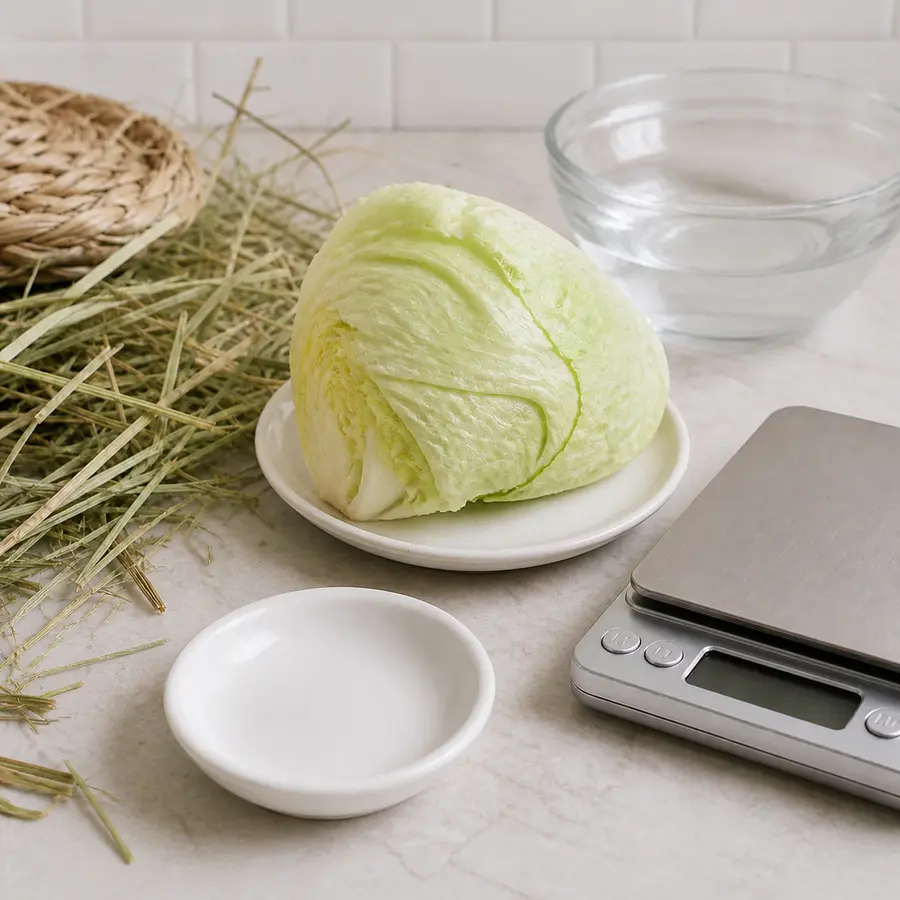 Iceberg lettuce
Guinea pigs
Choose better greens
Skip iceberg lettuce for guinea pigs. Use hay, vitamin C foods, pellets, and better washed greens in appropriate portions.
Syrian and dwarf hamsters
Skip iceberg
Skip iceberg lettuce for hamsters. It is watery, low value, and easy to stash wet in a hoard.
Rats
Choose better greens
Skip iceberg lettuce for rats and use better washed fresh foods when appropriate.
Mice
Skip iceberg
Skip iceberg lettuce for mice. A wet shred can spoil quickly and offers little value.
Gerbils
Skip iceberg
Skip iceberg lettuce for gerbils. Their dry balanced diet is safer than watery lettuce.
Chinchillas
Do not feed
Do not feed iceberg lettuce to chinchillas. Watery greens are a poor fit for hay-centered digestion.
Ferrets
Do not feed
Do not feed iceberg lettuce to ferrets. Ferrets need meat-based food, not watery greens.
The issue is usefulness
Iceberg lettuce is not the green to reach for. It adds moisture without much nutrition and can crowd out the foods that matter.
Remove wet leftovers
Wet lettuce wilts and spoils quickly in bedding. Cleanup matters more than testing another piece.
Choose a better green
- Use the species row before offering any fresh green.
- If iceberg was already offered, remove wet leftovers from bowls, bedding, hoards, and play areas.
- Return to the normal diet and offer plain water.
Avoid
- Large iceberg pieces, bagged salad mix with dressing, salad-bar lettuce, wilted lettuce, slimy leaves, pesticide-suspect leaves, oil, salt, croutons, cheese, or leftovers.
- Iceberg lettuce for chinchillas, ferrets, animals with soft stool, animals eating less, or animals that need a specific veterinary diet.
- Using iceberg lettuce because it looks like a safe green; choose a more useful species-appropriate option instead.
Watch
- Soft stool, diarrhea, bloating, reduced appetite, fewer droppings, wet bedding, hidden lettuce, quietness, or unusual posture.
- Contact an exotic-pet veterinarian promptly if a guinea pig, chinchilla, tiny animal, weak animal, or animal with abnormal signs eats less or produces fewer droppings.
Helpful food-safety supplies
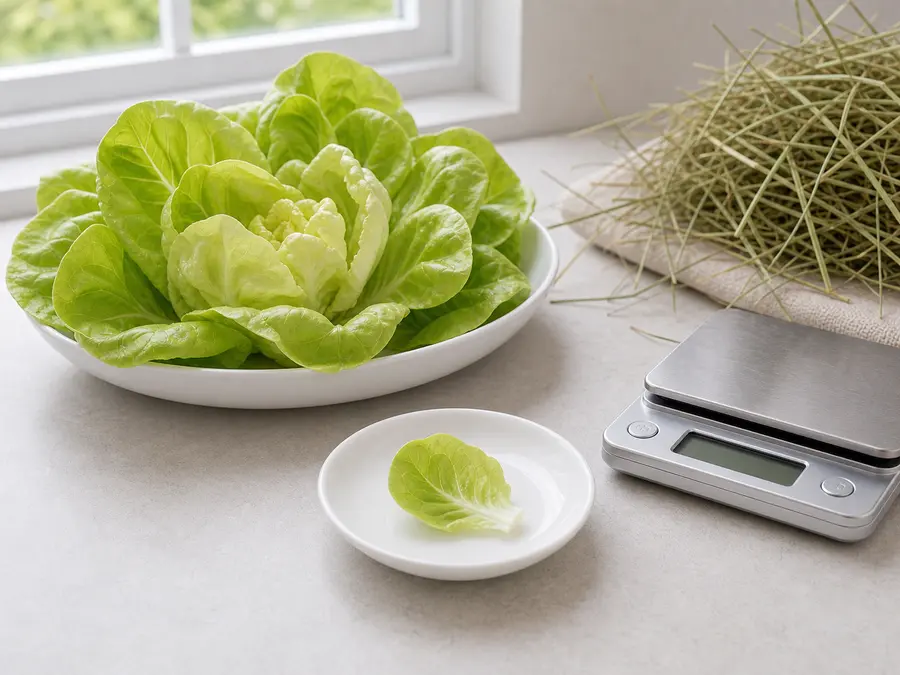
Optional tools for measuring, storing, serving, and cleaning up small portions safely.
Affiliate links: Furball Cove may earn from qualifying purchases at no extra cost to you.