Updated
Small mammal food safety
Can Small Mammals Eat Poppy Seeds?
Use caution
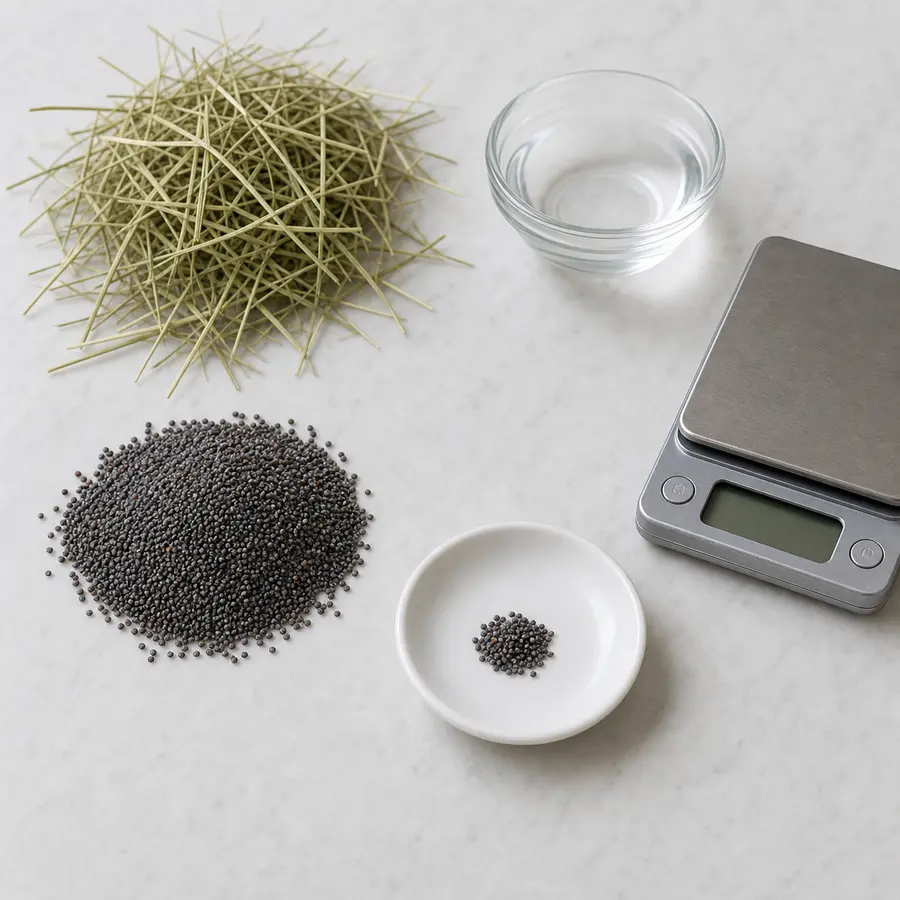
Poppy seeds are not worth offering as a routine treat. A few plain culinary seeds may be tolerated by some healthy hamsters, rats, mice, or gerbils, but guinea pigs, chinchillas, and ferrets should skip them.
 Poppy seeds
Guinea pigs
Skip poppy seeds
Do not feed poppy seeds to guinea pigs. Hay, vitamin C foods, pellets, and water matter more than questionable seed extras.
Syrian and dwarf hamsters
Few plain seeds
A healthy hamster may tolerate a few plain culinary poppy seeds rarely, but clearer seed extras are easier to manage.
Rats
Few plain seeds
A rat may tolerate a few plain culinary poppy seeds occasionally if the normal diet, body condition, and stool stay steady.
Mice
Very few seeds
A mouse needs only a seed or two. Remove leftovers before they get hidden or guarded.
Gerbils
Few plain seeds
A gerbil may tolerate a few plain culinary poppy seeds rarely, but dry balanced food should stay central.
Chinchillas
Skip poppy seeds
Do not feed poppy seeds to chinchillas. Rich or questionable seeds are a poor fit for hay-centered digestion.
Ferrets
Do not feed
Do not feed poppy seeds to ferrets. Ferrets need meat-based food, not seed extras.
Not worth chasing
Poppy seeds do not solve a diet problem. If you want a seed extra for an animal that can have one, choose a clearer option and keep it tiny.
Keep plants and baked goods out
Poppy pods, plant parts, teas, extracts, muffins, bagels, and crackers are separate risks, not safer ways to offer a seed.
Prefer skipping it
- Use only plain culinary poppy seeds if the species row allows them, and keep the amount to a few seeds.
- Keep poppy pods, garden plant parts, extracts, and teas away from cages and play areas.
- Remove leftovers from bowls, bedding, tunnels, and hoards so tiny seeds do not pile up.
Avoid
- Poppy pods, poppy plants, poppy tea, extracts, seed filling, muffins, bagels, crackers, lemon-poppy baked goods, salted foods, sweet foods, and large seed piles.
- Poppy seeds for guinea pigs, chinchillas, ferrets, overweight animals, or animals with appetite, stool, weight, dental, urinary, or digestive concerns.
- Seeking out poppy seeds as a treat when clearer seed extras are easier to portion.
Watch
- Soft stool, reduced appetite, fewer droppings, bloating, quietness, wobbliness, unusual sleepiness, hidden seed piles, or any sign after poppy plant, pod, tea, extract, or baked-good exposure.
- Call an exotic-pet veterinarian or poison hotline promptly for plant parts, pods, tea, extracts, a large amount, a tiny or weak animal, or any abnormal sign.
Portion
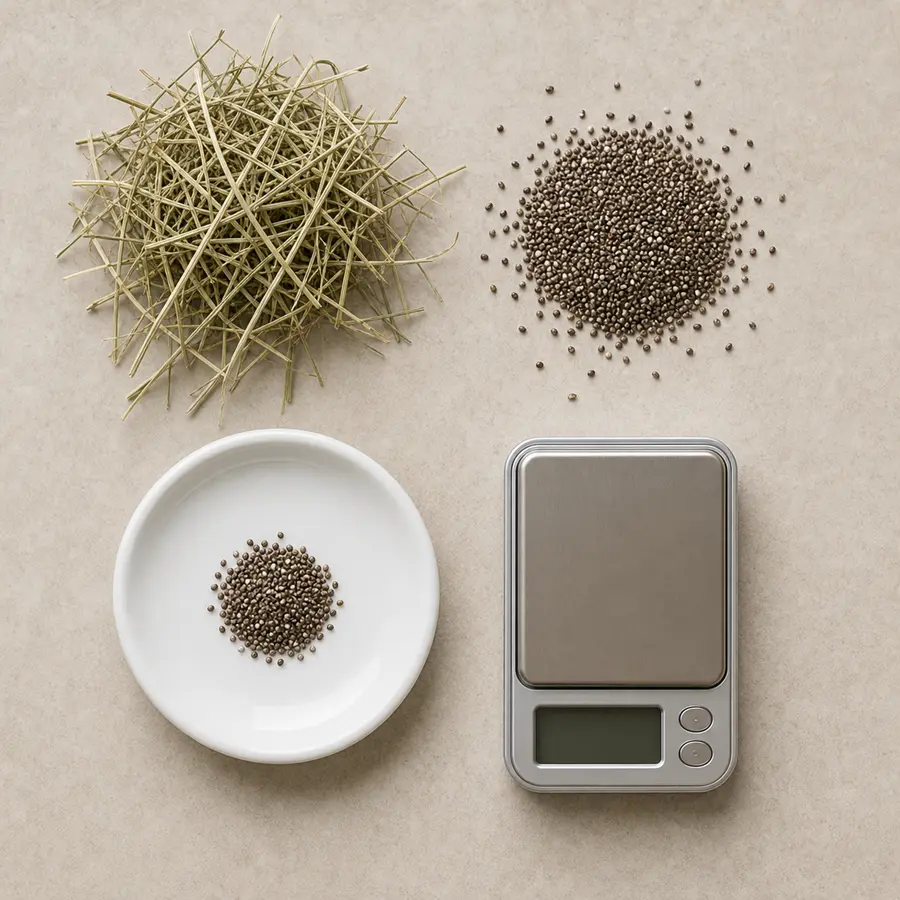
If offered to a healthy hamster, rat, mouse, or gerbil: only a few plain seeds. Guinea pigs, chinchillas, and ferrets: none.
Helpful food-safety supplies
Optional tools for measuring, storing, serving, and cleaning up small portions safely.
Affiliate links: Furball Cove may earn from qualifying purchases at no extra cost to you.