Updated
Small mammal food safety
Can Small Mammals Eat Wild Mushrooms?
Unsafe
No. Wild mushrooms are unsafe for small mammals. If a yard, trail, potted-plant, or unknown mushroom was eaten or chewed, remove access and call an exotic-pet veterinarian or poison hotline.
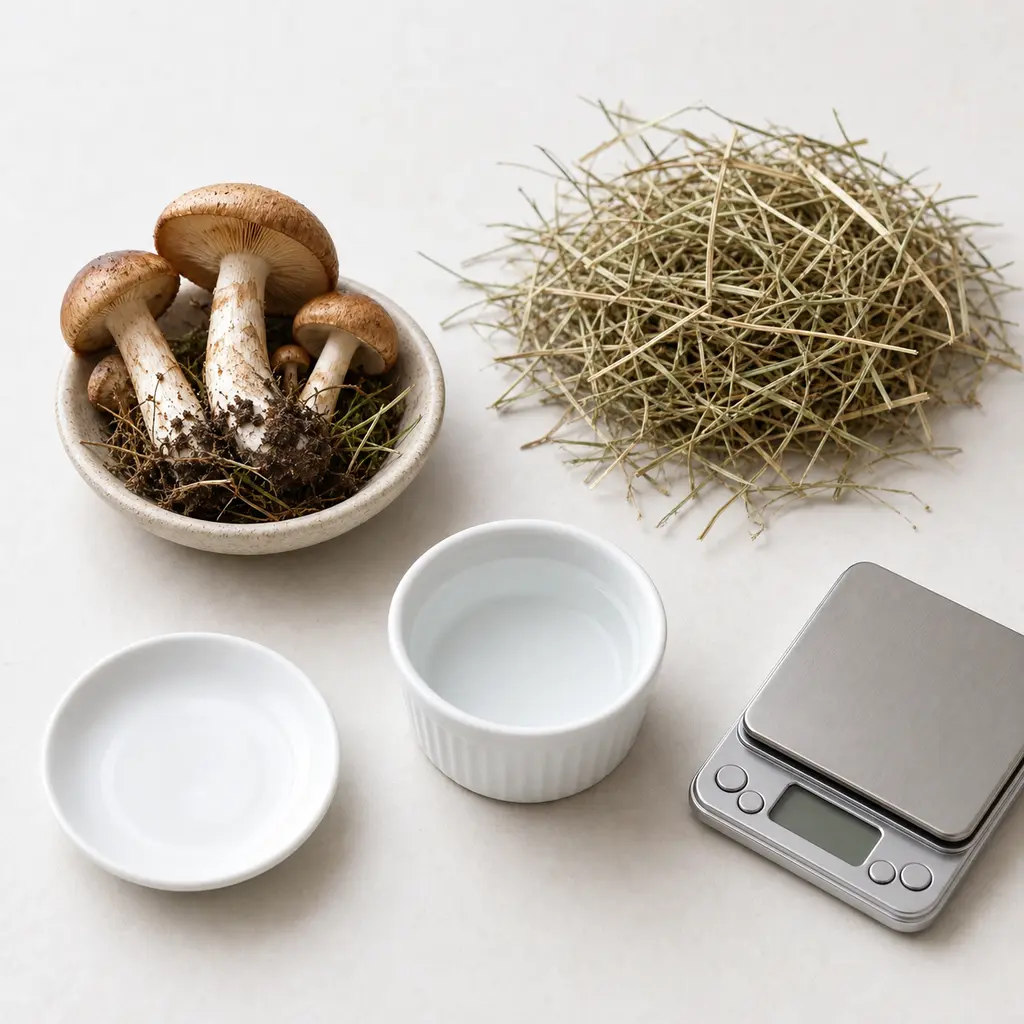 Wild mushrooms
Call before guessing
If any small mammal ate or chewed a wild or unknown mushroom, call an exotic-pet veterinarian or poison hotline with the species, weight, mushroom description, amount, time, location found, and symptoms.
Guinea pigs
Call if exposed
Do not feed wild mushrooms to guinea pigs. If a wild, yard, potted-plant, trail, dried, or unknown mushroom was eaten or chewed, remove access and call with the species, weight, mushroom description, amount, time, location found, and symptoms.
Syrian and dwarf hamsters
Call if exposed
Do not feed wild mushrooms to Syrian and dwarf hamsters. If a wild, yard, potted-plant, trail, dried, or unknown mushroom was eaten or chewed, remove access and call with the species, weight, mushroom description, amount, time, location found, and symptoms.
Rats
Call if exposed
Do not feed wild mushrooms to rats. If a wild, yard, potted-plant, trail, dried, or unknown mushroom was eaten or chewed, remove access and call with the species, weight, mushroom description, amount, time, location found, and symptoms.
Mice
Call if exposed
Do not feed wild mushrooms to mice. If a wild, yard, potted-plant, trail, dried, or unknown mushroom was eaten or chewed, remove access and call with the species, weight, mushroom description, amount, time, location found, and symptoms.
Gerbils
Call if exposed
Do not feed wild mushrooms to gerbils. If a wild, yard, potted-plant, trail, dried, or unknown mushroom was eaten or chewed, remove access and call with the species, weight, mushroom description, amount, time, location found, and symptoms.
Chinchillas
Call if exposed
Do not feed wild mushrooms to chinchillas. If a wild, yard, potted-plant, trail, dried, or unknown mushroom was eaten or chewed, remove access and call with the species, weight, mushroom description, amount, time, location found, and symptoms.
Ferrets
Call if exposed
Do not feed wild mushrooms to ferrets. If a wild, yard, potted-plant, trail, dried, or unknown mushroom was eaten or chewed, remove access and call with the species, weight, mushroom description, amount, time, location found, and symptoms.
Unknown means call
Wild mushroom identification is unreliable from a glance. For a small mammal, the practical answer is removal and a call with photos and timing.
Bring context
Where the mushroom grew, whether soil or pesticide exposure is possible, and which part was chewed can help the veterinarian or poison hotline.
If exposure happened
- Remove mushrooms, soil, grass, bedding, and any food touched by the mushroom.
- Take clear photos of the top, underside, stem, and where it was found, or save a sample in a sealed bag if safe.
- Keep the animal contained and calm while you call an exotic-pet veterinarian or poison hotline.
Avoid
- Yard mushrooms, trail mushrooms, mushrooms from potted plants, compost mushrooms, unknown store mushrooms, dried wild mushrooms, and soil around mushroom growth.
- Trying to identify a mushroom by internet photos before calling.
- Assuming a mushroom is safe because a pet only chewed a small piece.
Helpful food-safety supplies
Optional tools for measuring, storing, serving, and cleaning up small portions safely.
Affiliate links: Furball Cove may earn from qualifying purchases at no extra cost to you.