Updated
Small mammal food safety
Can Small Mammals Eat Yeast Dough?
Avoid
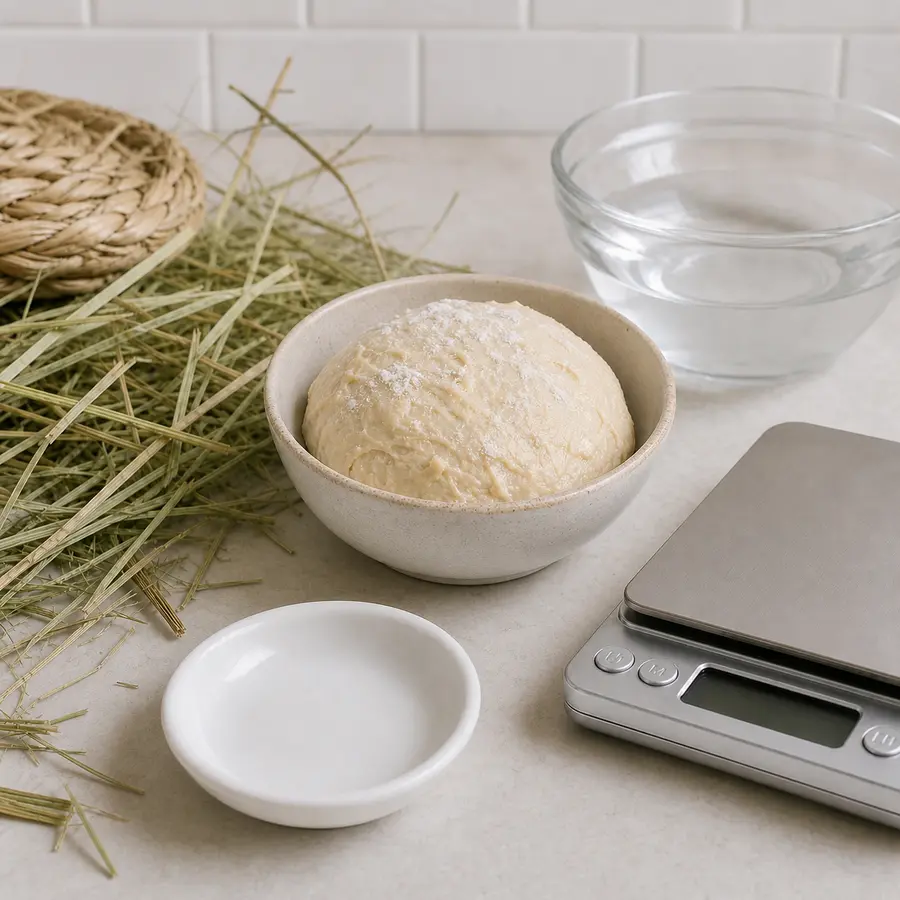
No. Yeast dough is an exposure concern for small mammals. It can expand and ferment, so it deserves a lower threshold than ordinary bread crumbs.
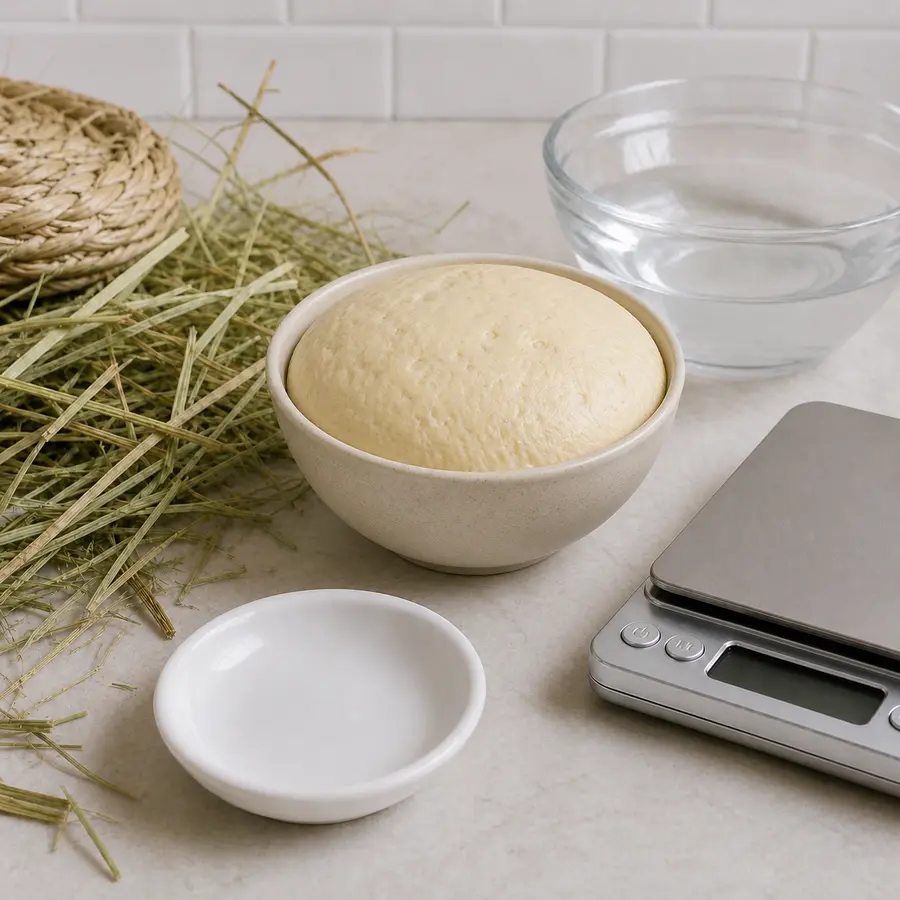 Yeast dough
Guinea pigs
Contact a vet
Do not feed yeast dough to guinea pigs. If a guinea pig ate a meaningful amount, contact an exotic-pet veterinarian promptly.
Syrian and dwarf hamsters
Contact a vet
Do not feed yeast dough to hamsters. Remove it from hoards and contact an exotic-pet veterinarian for a meaningful amount.
Rats
Contact a vet
Do not feed yeast dough to rats. Rising dough is not a treat and can become an exposure concern.
Mice
Contact a vet
Do not feed yeast dough to mice. Even a small amount can be meaningful at mouse size.
Gerbils
Contact a vet
Do not feed yeast dough to gerbils. Remove scraps and treat a meaningful amount seriously.
Chinchillas
Contact a vet
Do not feed yeast dough to chinchillas. Hay-centered digestion leaves little margin for sticky rising dough.
Ferrets
Contact a vet
Do not feed yeast dough to ferrets. Ferrets need meat-based food, not raw rising dough.
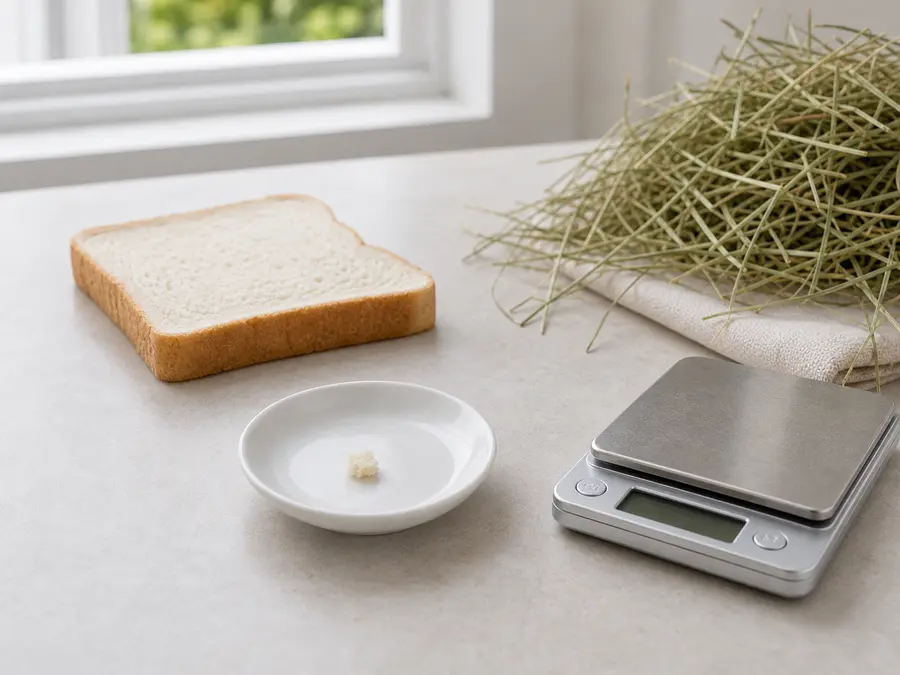
Rising dough is different from bread
The concern is not just starch. Yeast dough can expand and ferment before it is baked, and small animals have very little room for that problem.
Write down the details
Species, weight, amount, time, and ingredients help a veterinarian judge the next step quickly.
Remove rising dough
- Remove yeast dough, sticky scraps, flour paste, wrappers, and any bedding, bowls, toys, fur, or paws touched by residue.
- Write down the species, body weight, amount, time, and whether the dough was rising, warm, salty, sugary, garlic-heavy, onion-heavy, or mixed with risky ingredients.
- Return the animal to the normal diet while you monitor appetite, droppings, belly shape, movement, and comfort.
Avoid
- Bread dough, pizza dough, sourdough starter, rising dough, proofing dough, raw rolls, dough scraps, salty dough, garlic dough, onion dough, raisin dough, and chocolate dough.
- Yeast dough for any small mammal, especially tiny animals, guinea pigs, chinchillas, ferrets, or animals already eating less.
- Assuming baked bread rules apply to raw rising dough.
Watch
- Bloating, belly discomfort, reduced appetite, fewer droppings, soft stool, diarrhea, drooling, weakness, quietness, unusual posture, or breathing changes.
- Contact an exotic-pet veterinarian promptly for any meaningful amount, a tiny or weak animal, belly swelling, distress, risky ingredients, or any abnormal signs.
Helpful food-safety supplies
Optional tools for measuring, storing, serving, and cleaning up small portions safely.
Affiliate links: Furball Cove may earn from qualifying purchases at no extra cost to you.